


Cecil Lee
Staff
-
Joined
-
Last visited
Everything posted by Cecil Lee
-
Which career is best for me? What is my wealth career? What is the career that brings me much Power and Authority?

-
How am I going to lift this solid granite rock to cap this mountain?

-
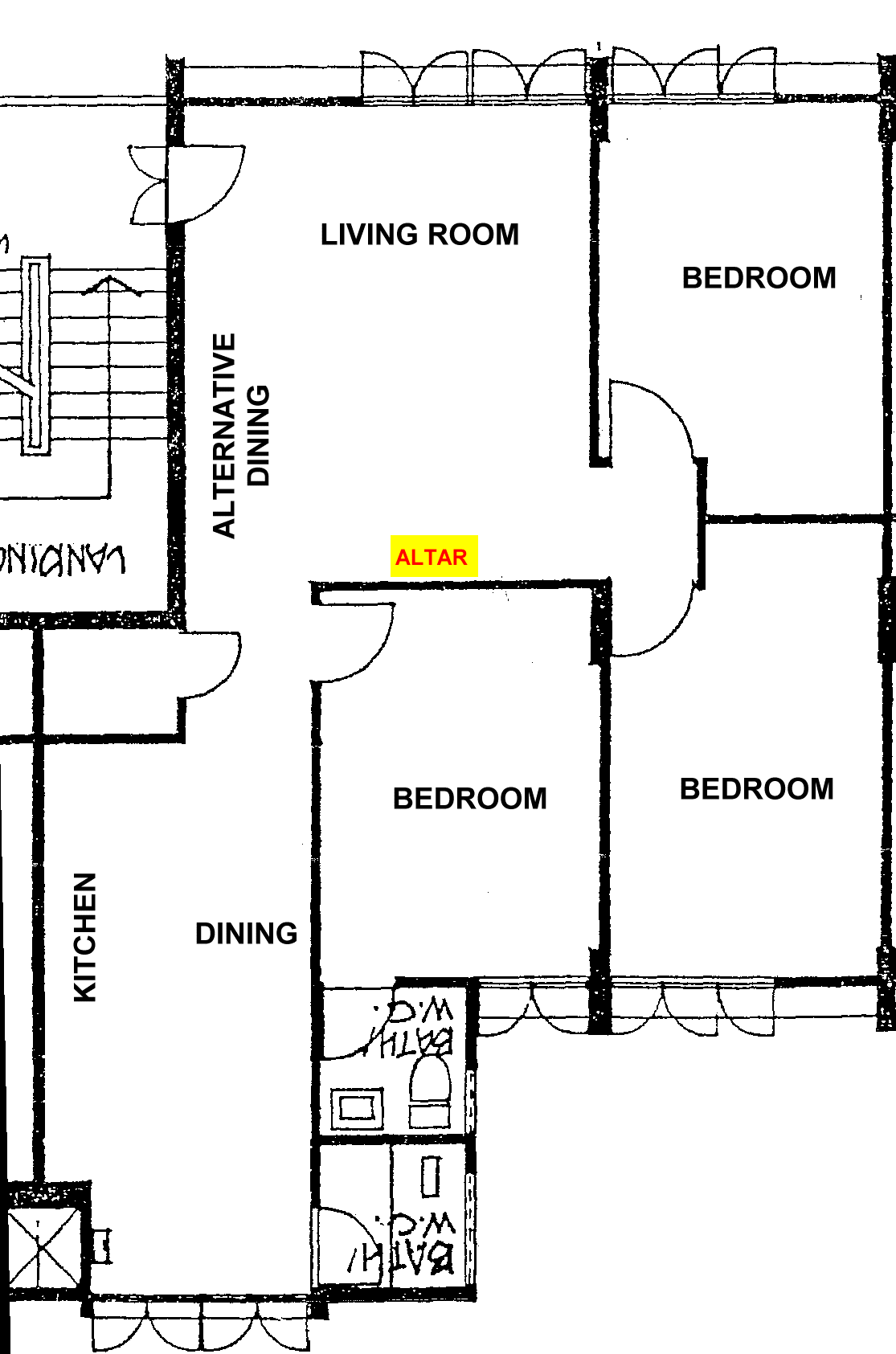
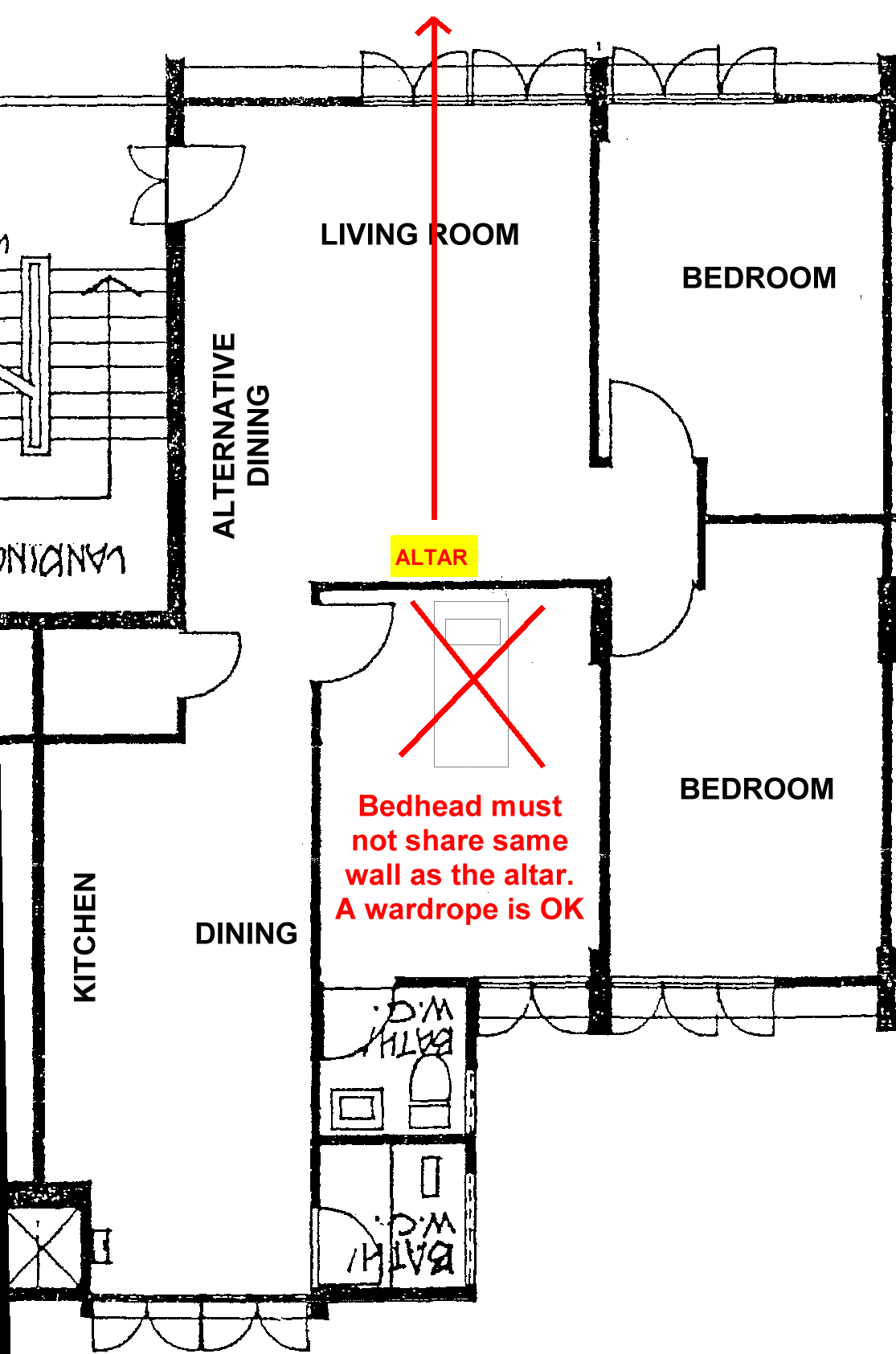
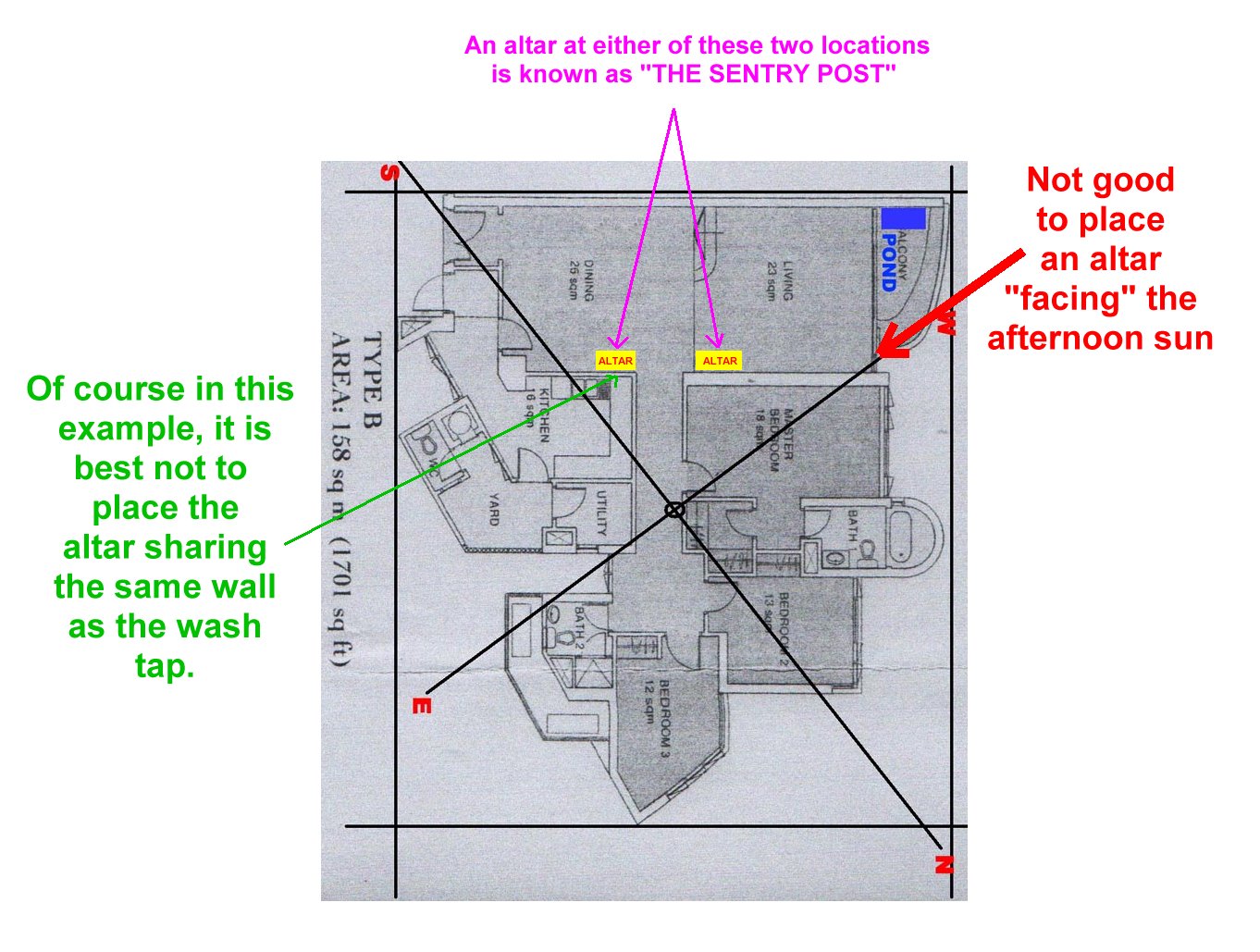
1. Of course, we are not able to choose the interior layout plan of our home. 2. This layout plan is considered as "altar" friendly:- 2.1. As the altar is quite close to the centrepoint of the apartment. Thus, there is no such thing as it is located at the inauspicious NE (Devil's gate) and SW (Devil's back door). 2.2. It is also at a location known as "The Sentry Post". Plus for this illustration: the alter is seating at the mountain (wall) facing the water (overlooking the window). 2.3. Often when the altar is located at such a location, directly behind it : the wall or the shared wall; should not place a bed-head behind this wall. For this layout plan, highly unlikely as it would be a wardrope which is perfectly fine! 3. The altar close to the centrepoint is by far the best placing - if the layout plan permits such a situation! 4. Hope that everyone has sufficient information of roughly where is a good place to site the altar.
-
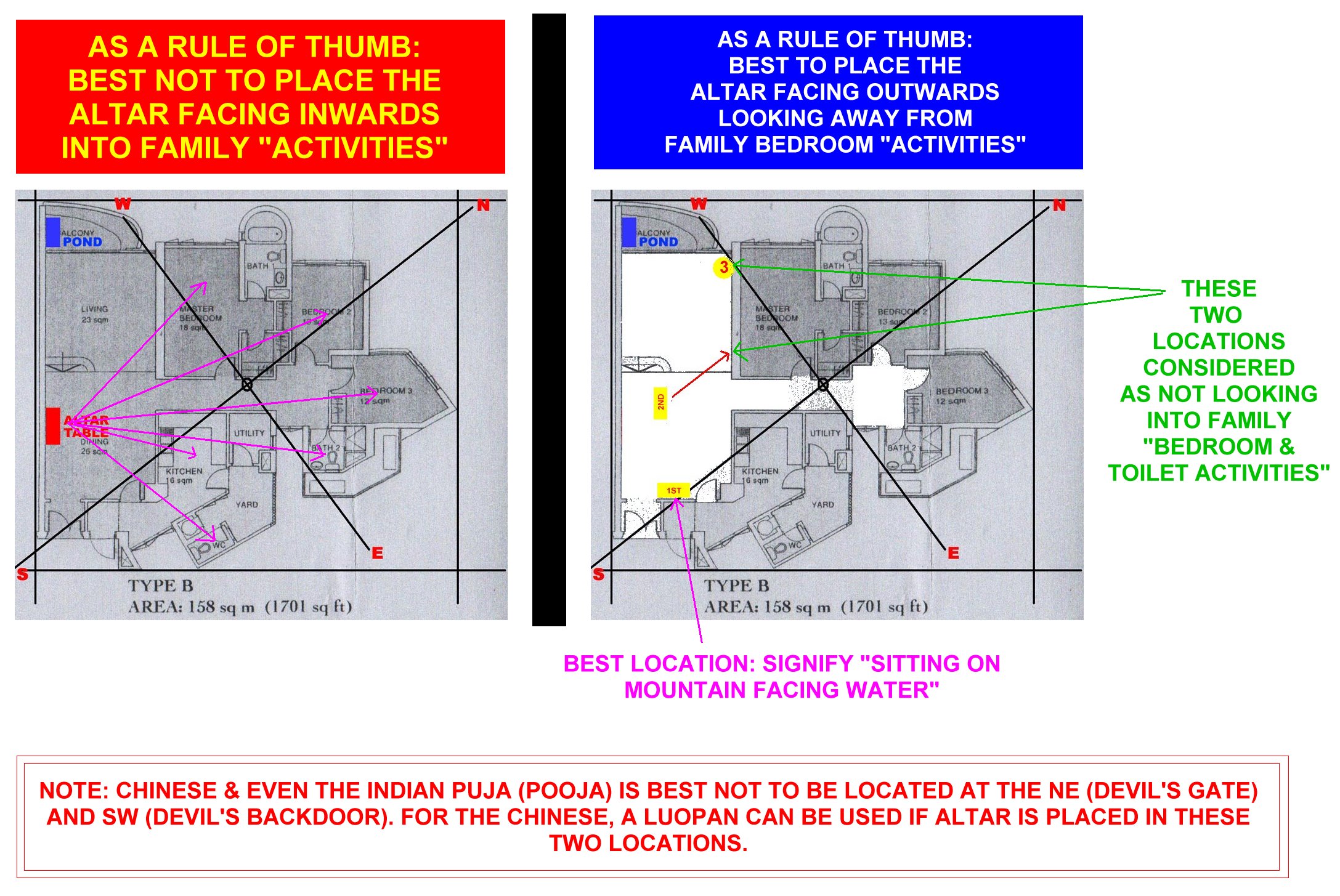
1. More information about locating the Altar 1.1. As a rule of thumb; the best position as mentioned for the altar is always at a location known as "Sitting on the mountain, facing the water" position. Here, it means the best location was as highlighed in RED marking number "1 ". 1.2. Location marked in RED number "3" is known as the "last resort - Sitting on the mountain, facing the water" if Para 1.1. is found unsuitable. However, for this layout plan; there is another issue: the "direct" afternoon sunlight glare - that should not "pierce" the god figurine. Else imagine "it has to wear sunglasses of sorts. 1.3. Often, between having the altar face "inwards" i.e. facing one's home such as the kitchen, oversee the bedrooms; it is always best that the altar; instead face "outwards". For example, under marking in RED number "2" and if there is no sunlight glare from the afternoon sun or if this is controlled; at RED number "3". 2. Based on the Flying star chart; it should be the typical Period 7, NW 2 /3 chart. This chart reminds me of the heydays especially around 2001 to 2003; where suddenly with another chart North 2 /3 where during those days; "strangely" many of the visits were to homes afflicted by these charts - as luck began to drain especially for those doing own business. 3. The rationale especially for NW 2/3 is that the water star #8 (current prosperity) star is trapped at the centre of the home i.e.signify small luck or no luck. 4. Given that at your balcony has the Mountain star #8 withthe auspicious water star #1 4.1. where #8 = current prosperity star (auspicious mountain) and #1 = future, future prosperity star (auspicious water) 4.2. A proper water feature with all the five elementsis the best for such a location especially if the water feature at least have: - mountain in the form of square or rectangular e.g. fiberglass base and earth materials - to try to activate the very auspicious #8 mountain star. - not forgetting that to activate the water star #1; a proper full feature water fountain as found under this example:- Resource: On what makes a good water feature: http://fountain.geomancy.net Para 2.1 to 2.12
-
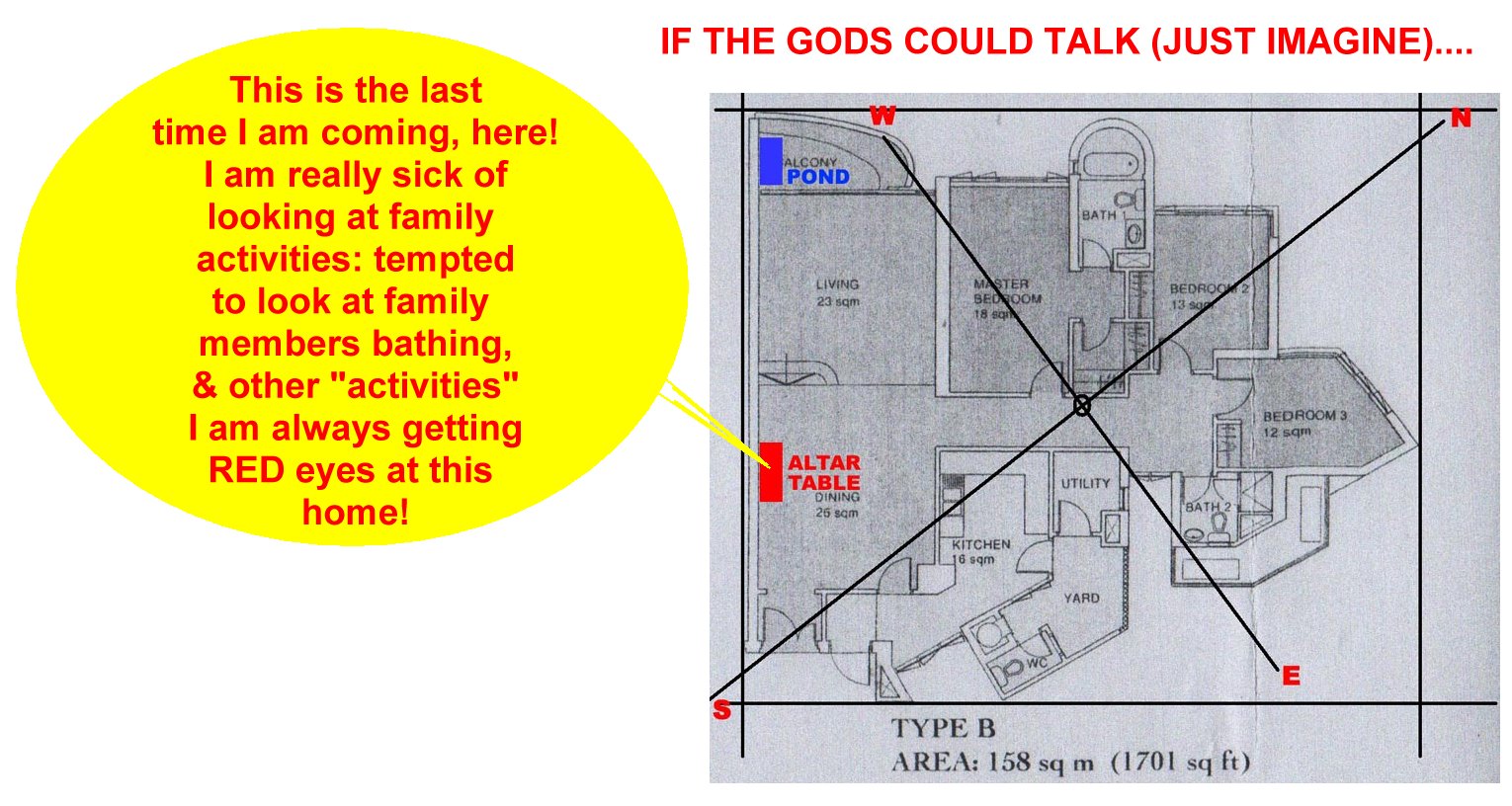
1. In addition to what I had mentioned, earlier about the altar; this illustration shows whether it is better to place the altar "INWARDS" towards human activities in our home e.g. where the god - figurine could look or peep into our various bedrooms, toilets, kitchen and yard. 2. While facing "OUTWARDS" simply means away from most of such activities. Overlooking our living room or dining is traditionally fine or OK. 3. NOTE: CHINESE & EVEN THE PLACEMENT OF THE INDIAN (ROOM WITH ALTAR GODS)PUJA (POOJA) IS BEST NOT TO BE LOCATED AT THE NE (DEVIL'S GATE) AND SW (DEVIL'S BACKDOOR). FOR THE CHINESE, A LUOPAN CAN BE USED IF ALTAR IS PLACED IN THESE TWO LOCATIONS. 4. For Roman Catholics, theirs is only a simple "altar" and often, many Chinese Roman Catholics try to orientate their altar "outwards" if possible. Although there are no rule of thumb for them. 5. Another illustration, shows what is known as "The Sentry Post" altar position. See attachment. Just imagine you have a 24hours guard post guarding the entrance to your bedrooms
-
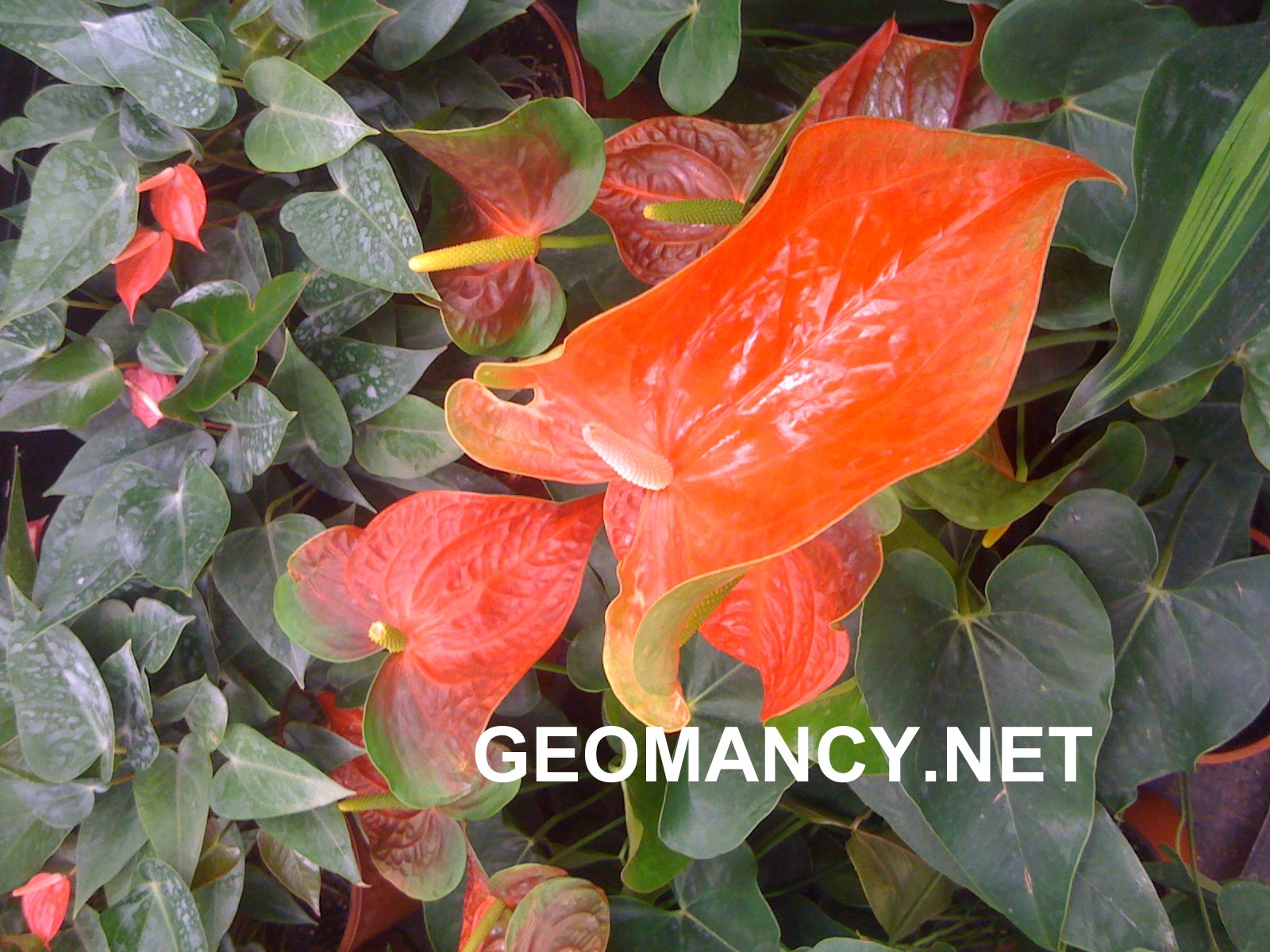
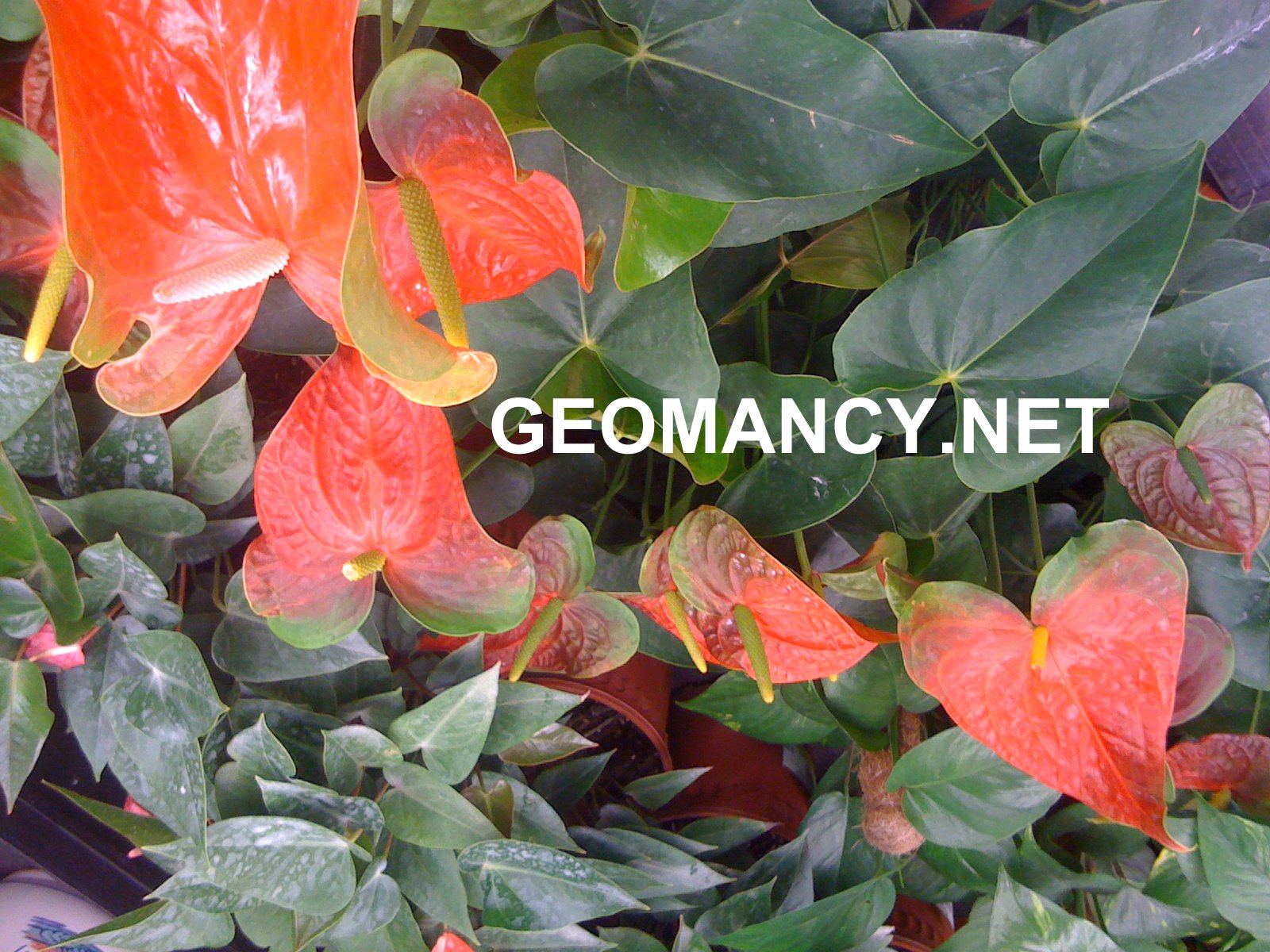
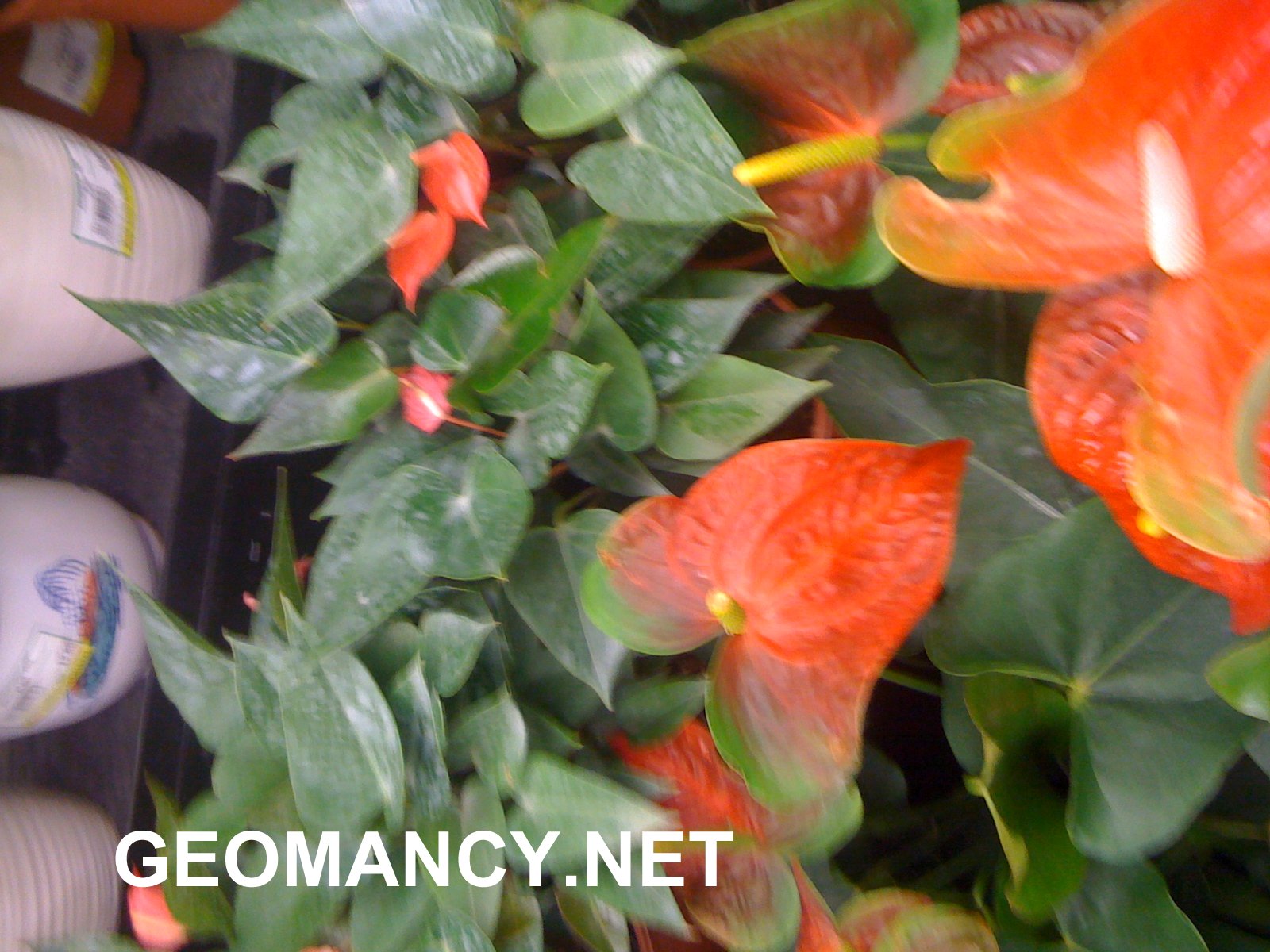
A few more photos of the Flamingo flower...
-
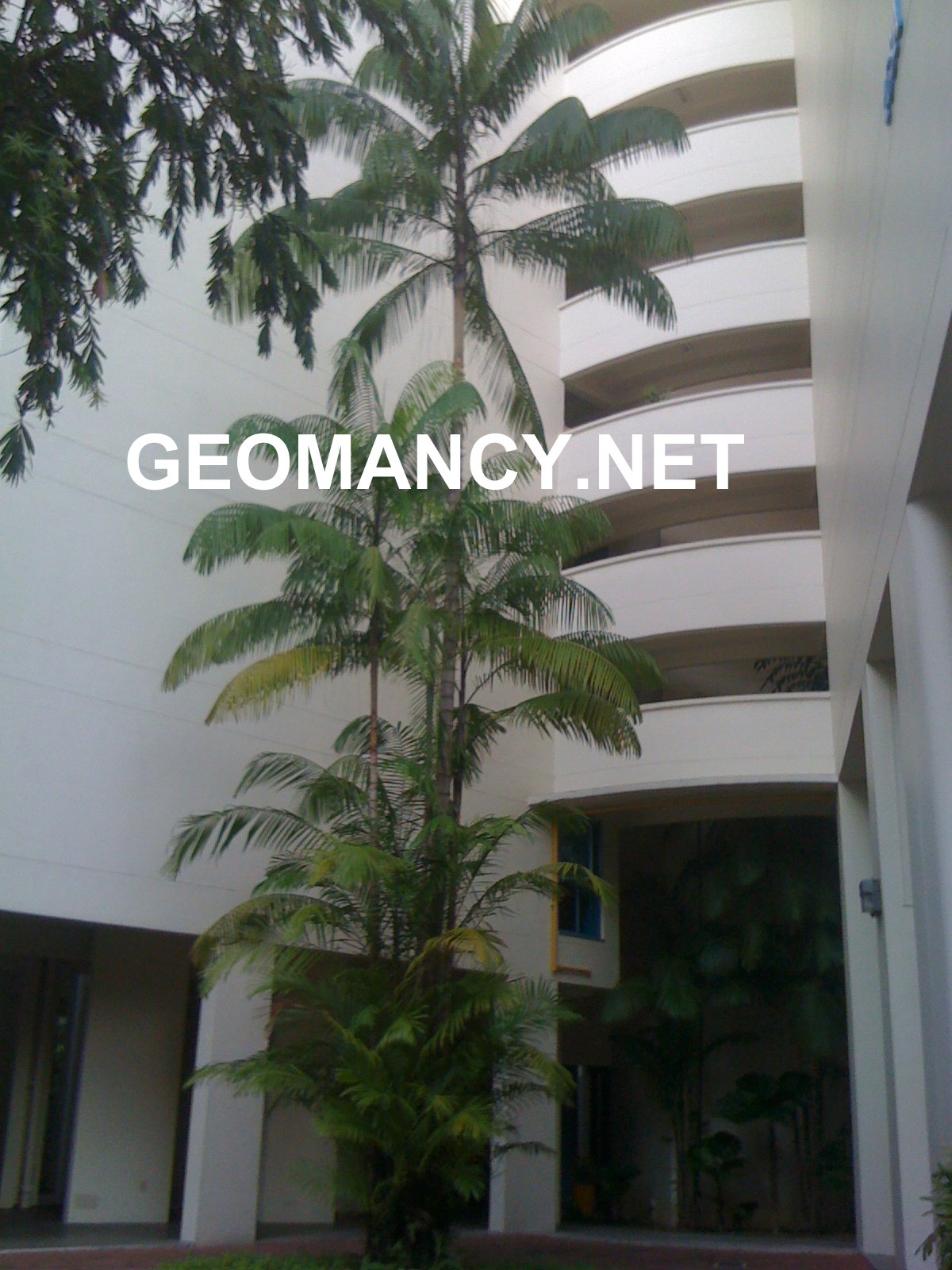
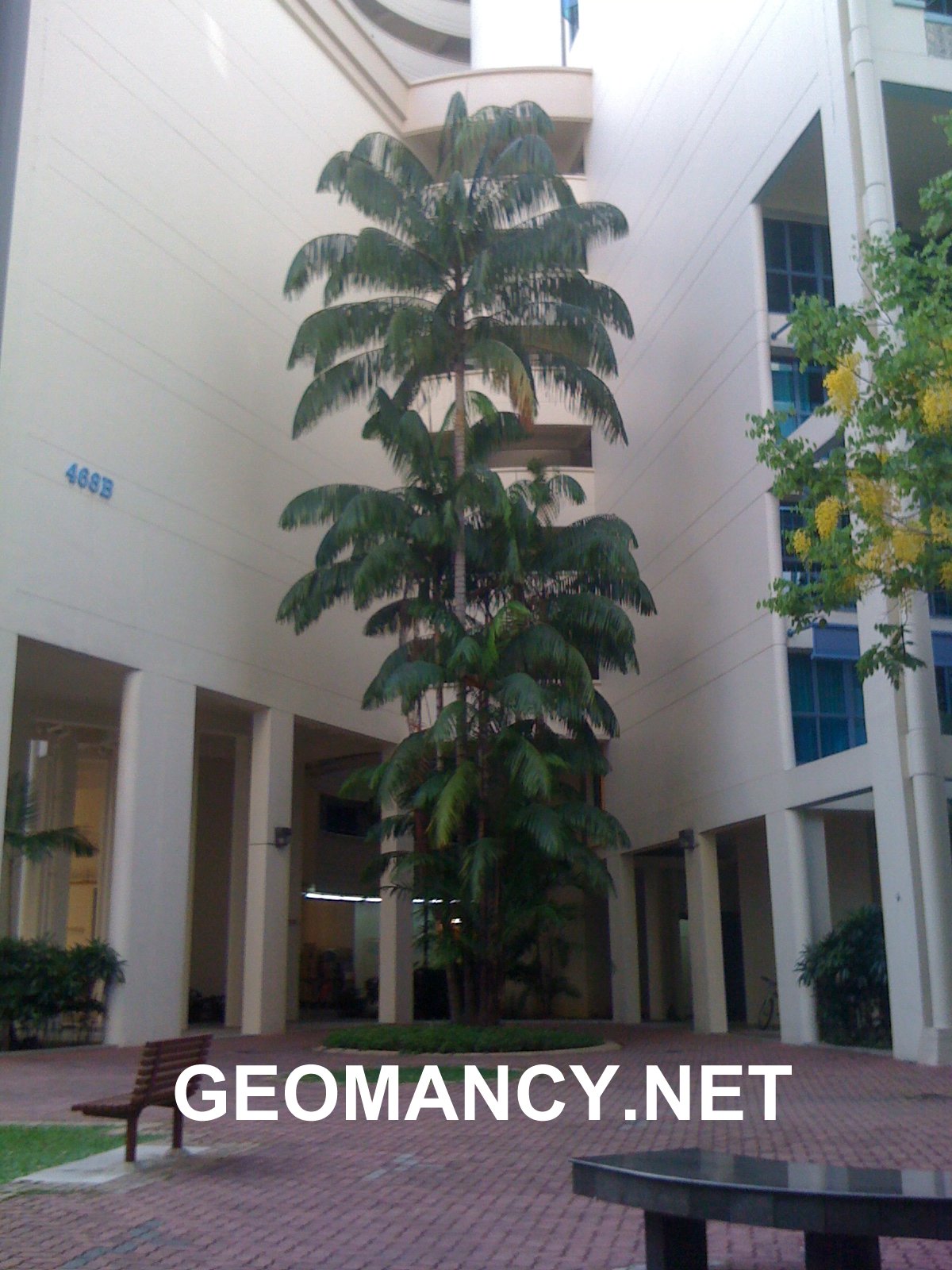
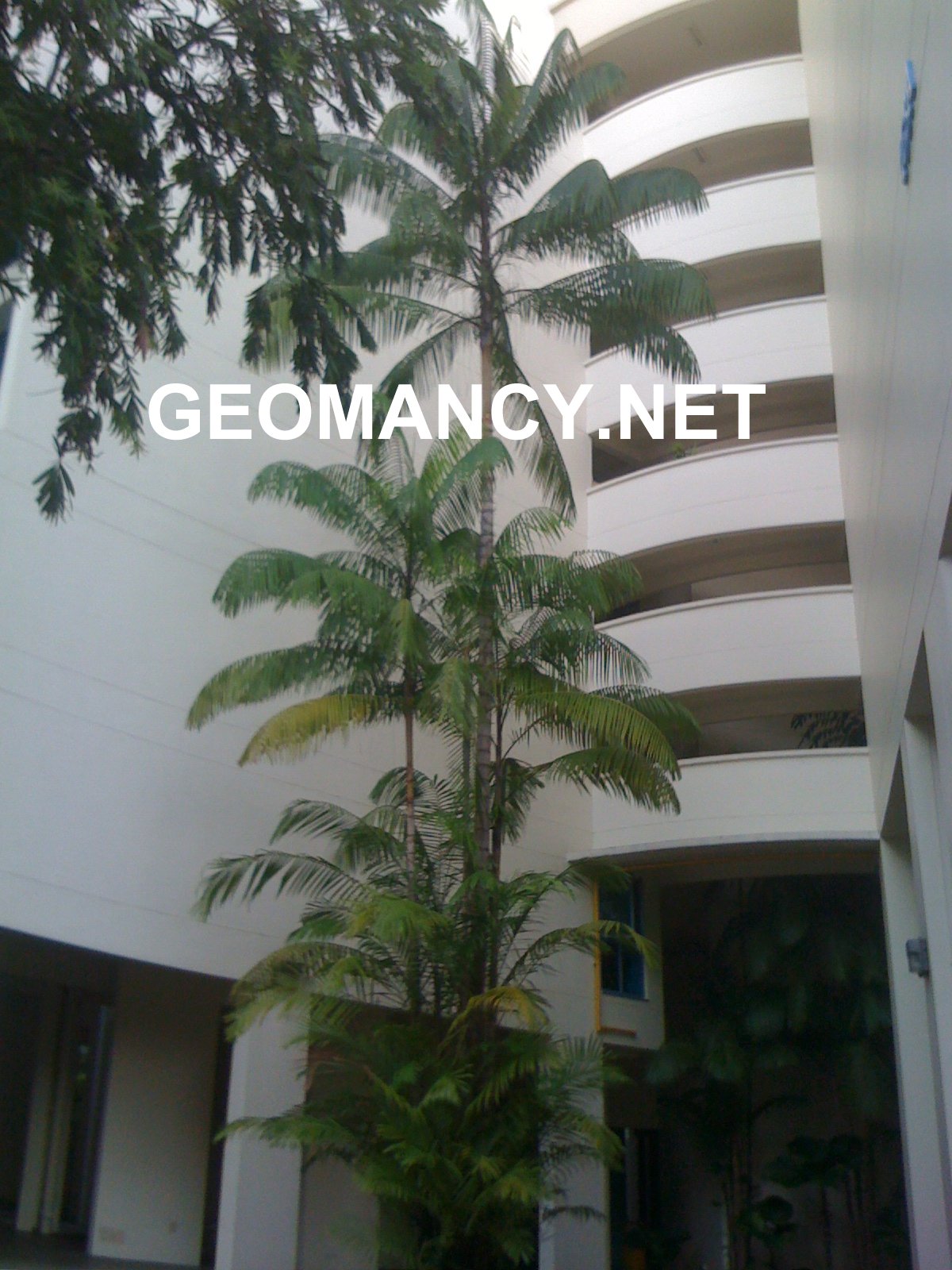
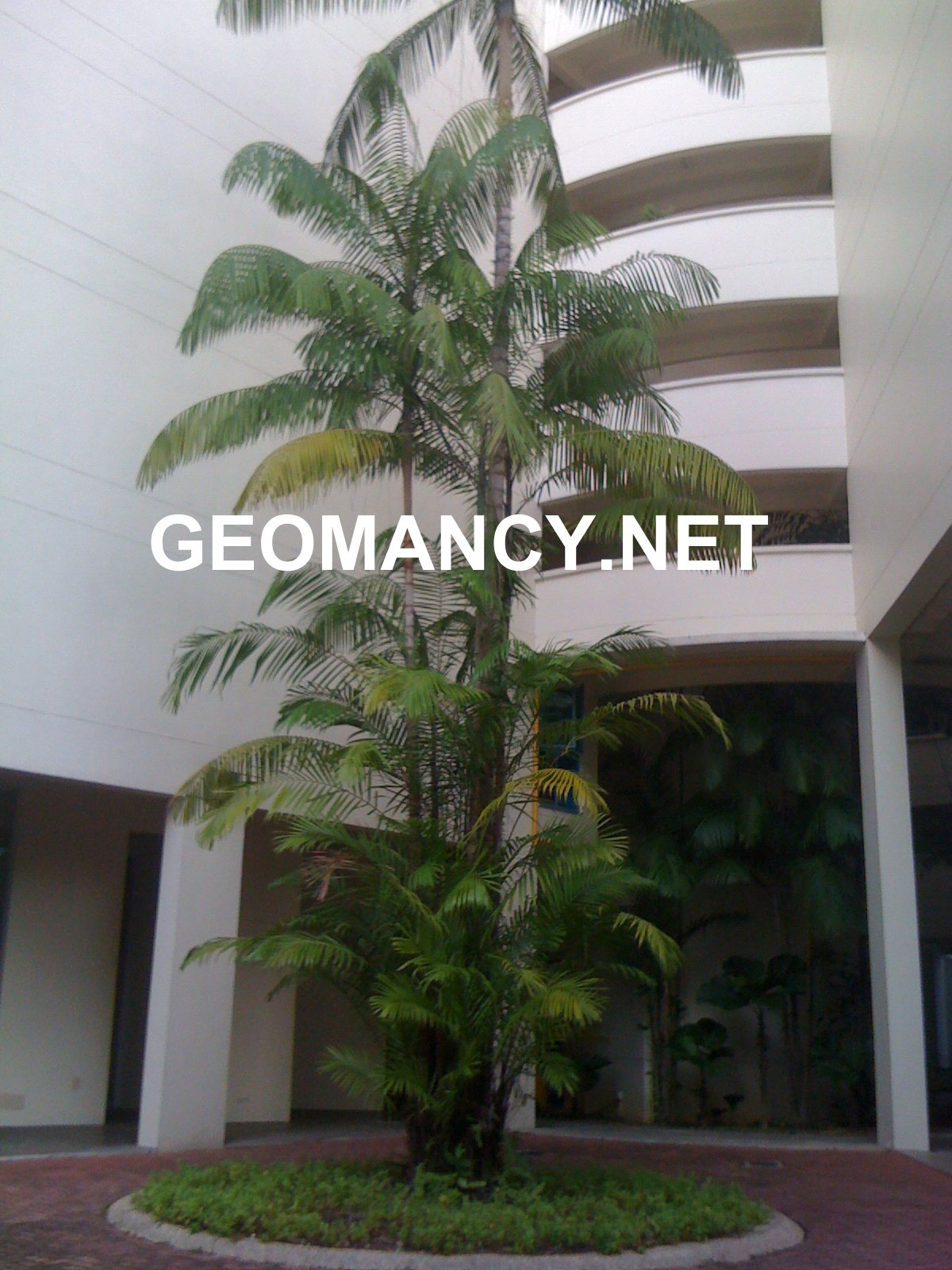
1. I was amazed at how the yellow cane palm, had grown in just 11 over years! 2. I could recall; around 11 years ago, when this Admiralty Drive HDB estate was completed. 3. The yellow cane palm were just "babies" at that time. 4. Nature is indeed very remarkable! As usually the Yellow cane palm grow side-wards much like many other palm or bamboo trees. But this one, grows like a "Tree". 5. For one, I cannot imagine that these trees can grow so tall! Wow! Simply amazing! 6. Sometimes; it is good to look at and admire the beautiful birds and trees! Of course, try not to mimic Jack Neo's past adventure of not just looking at birds; and many reports say he tried to touch them also! The other kind of "young girls". Hahhaha!
-
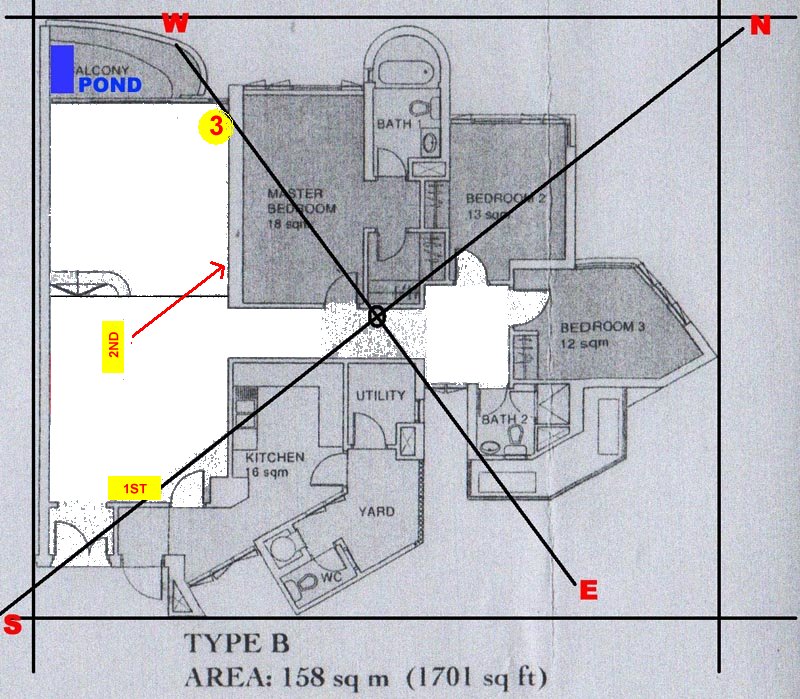
These are some considerations:- 1. The first choice for the altar is indicated in BRIGHT YELLOW in the attachment. However, at this location, it is strongly recommended to use those standard altars purchased from most suppliers: where the altar height is around 49 3/4 inches (thereabouts). As it has to face the "dining table". 2. The 2nd best choice is also shown in the attachment under "2ND". However, there should at least be a gap of around 2 to 3 feet between the edge of the altar and the TV console area (if the TV console is mounted at this location). 3. In the attachment; there is also a YELLOW circle with the words "3" in red. This is usually another spot for the altar. However, if there are windows and if they are not drawn down; this location is not auspicious as the afternoon sun shines towards the altar e.g. Guan Yim "figurine". 4. Your orginal location marked in RED is not the best location as often the altar is either "sitting as shown under first choice" or under Para 2, much like those police guards stationed in a box guarding those who stand in the home. Much like those Singapore Minister's home where they have a guard room just outside their main door. 5. As for the water feature, for an apartment, it is best to plot out the Flying Star chart and check where is the WATER STAR #8. This is the best location if it happens to be the balcony area. Or some other stars like water star #1 or if that sector has bad #5 stars which a water position MAY be used to drown it. Otherwise, asking me now, is also like - I have to throw a dice and give you an answer based on it.. You want such answers or not? It is a guess!
-
Yes, in my opinion; put it this way: this painting is not SPECIFIC (nor focus specifically) to/for marital bliss. For the Chinese, the most common or popular marital bliss sign is the "Double Happiness":- A faint outline of the mandarin character of the double happiness sign can be found just behind the couple in the first picture:- http://forum.geomancy.net/phpforum/article.php?bid=2&fid=19&mid=3794&new= In addition all these photos show a variation or artistic design of the Double Happiness word (character) and symbol:- http://cgi.geomancy.net/mypictures/cgi-bin/mypictures.cgi?direct=Celebrations_And_Festivals/Chinese_Weddings/double_happiness_symbols This character is thus considered SPECIFIC to the hope for marital bliss "As it symbolically shows two images "Holding" hand and even if mirrored, it looks like a pair. Another clue is that the words (or calligraphy or character) is in the Chinese Auspicious RED colour. As opposed to your painting of the pink peony flower and the two birds are actually the "White-Head birds".
-
These are some considerations:- 1. You can generate the Eight House report to check on How suitable this house is to usually the male breadwinner under this Free link:- http://www.geomancy.net/reports/reports-list/perlist-suitablehouse.htm 2. For DIY, frankly, you have to do more reading and if possible apply both the Shapes and Forms Feng Shui as well as the Flying Star Feng Shui.
-
Dear Users, 1. Please ignore the previous salt water cure procedures and even items and ingredients needed for this "Salt water" thing (cure). 2. Instead, please try out this new and improved formula. 3. By the way, if the new formula sounds Greek to you; Then, too bad......

-
We want to hire a RAT! Can this be done? Can we use The Apprentice style method to determine who is the best or most suitable candidate for the post?

-
Knock three times.....Here goes the ...Start of renovations....
-
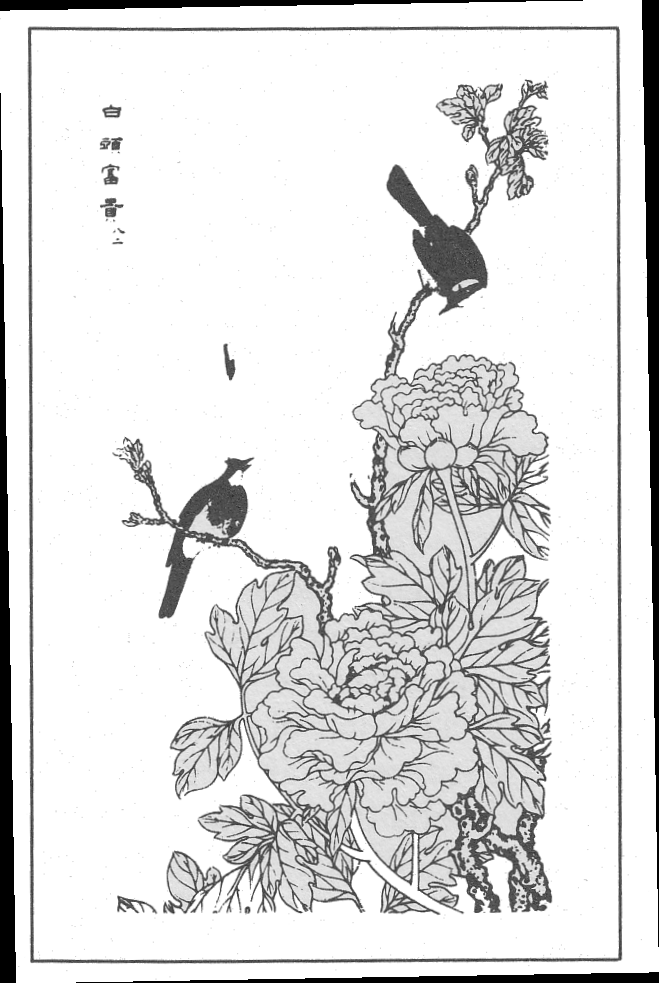
Thanks for the picture (Yeap, a picture tells a thousand words). These are the considerations:- 1. The peony - 2. The painting that you had described and shown is a very common as the two birds with peony signifies:- "You have all the wealth and also credit and distinction (honor) for life". Anonymous wrote: Hello, Are peony flowers good for marital bliss? I have hung a picture of peony flowers with two birds in the south wall of my living room,please suggest if this is good for married couples. Looking forward for your reply 3. Generally, such paintings are acceptable: as who doesn't want wealth $$$$ and also honor (credit and distinction). 4. Of couse as it is not directly associated with a blessed couple but who cares! It still sounds good rite? And if we look at it from another way: "One should honor one's marriage licence" with the other party! 5. In the past, some Singaporeans would often say: "How I wish, my marriage is like my driving licence; as once upon a time; we Singaporeans had to renew our driving licence yearly or 3 yearly!" 6. Therefore, no complaints; except that paintings with bird(s) on it is not appropriate at the dining area but in your living room; your red peony looks auspicious. Frankly, the peony also comes in white - signifies girls or daughters but again; white in a painting symbolises death to the Chinese. Attached is another one of those one peony with two birds kind of painting... sorry this one is in grey tones.
-
These are the two considerations: 1. Temperature / humidity. 2. Most of these Chinese ancient coins are fakes. And it also depends on the composition or type and percentage of copper on the coin. 3. The salinity - concentration of salt vs water vs volume. 4. Inmany cases,why there are residuesis often when the owner forgets to add water andall the water dries up or partially dry up before adding more water. If water is constanly"full" most of the time; what you had mentionedis often the case.
-
An interview and discussion: 1. While Tiger Woods have flings with adults; I understand Jack Neo on many occasions prey on people he "works" with... with the exception of as reported one lady that had worked in a hotel. 2. Would you buy this excuse if (we imagine Jack Neo wording such a statement): "Sorry, everyone, no choice my house has too much flower of romance. My semi-detached home's Feng Shui is to blame for my SICKO vulture like behaviour". Burn my home, sack my geomancer!

-
Wee L. wrote: Thank you for your reply, I supposed it's my birth chart then. So you should combine these 2 birth charts to determine the best directions in the house, right? 1. If one has the time, check out this link: Eight House or Flying Star 2. If one has even more time, can also go thru these links:- 2.1 It is best to research and make sure that one fully understands a concept:- 2.1.1 The Three-Step-Approach 2.2.1 Flying Star Feng Shui as a Diagnostic Tool
-
1. In the 1980's there was the "Fast Food Feng Shui" craze. 2. In the 2010's we now have the "everything" also in the "Name of Feng Shui" association. 3. Heard of the "Feng Shui Jewlry; the Feng Shui beads; the numerous Feng Shui commercial products? 4. This restaurant chain : " Sub-wave Sandwich " has come up with a new in the name of Feng Shui sandwich: the auspicious 17 inch or 43 cm length sandwich! (Note: every 17 inches = 1 Feng Shui foot) 5. An ardant fan of Jack Neo says: "He has conquered many; 11? If so, I want to beat both his and Tiger Wood's record! Fortunately, unlike the two of them; I don't have a wife! So no worries hurting such a partner!" Wow; give me one of those fantastic Jack Neo - Feng Shui drinks or both Jack Neo's Feng Shui and Tiger Woods cookies!


-
Are you referring to "Peony" (flowers) or "Ponys"? As there ain't no such thing as "poenies". Anonymous wrote: Hi, I have hung a picture of poenies with two love birds in the south wall of my living room, please tell me if this is good for my husband and me and our life
-
I need water! Yes, this is what the Geomancer tells me! Should I believe him??
-
The Geomancer tells me that I am a Strong Water person. And he advised me to avoid "water". Oh Boy! How true is this?

-
Sometimes, life is like this Toyota car! Oops sorry! I mean this life raft! Which does not seem to be able to STOP! at times! Give me one of these free and I won't accept!
-
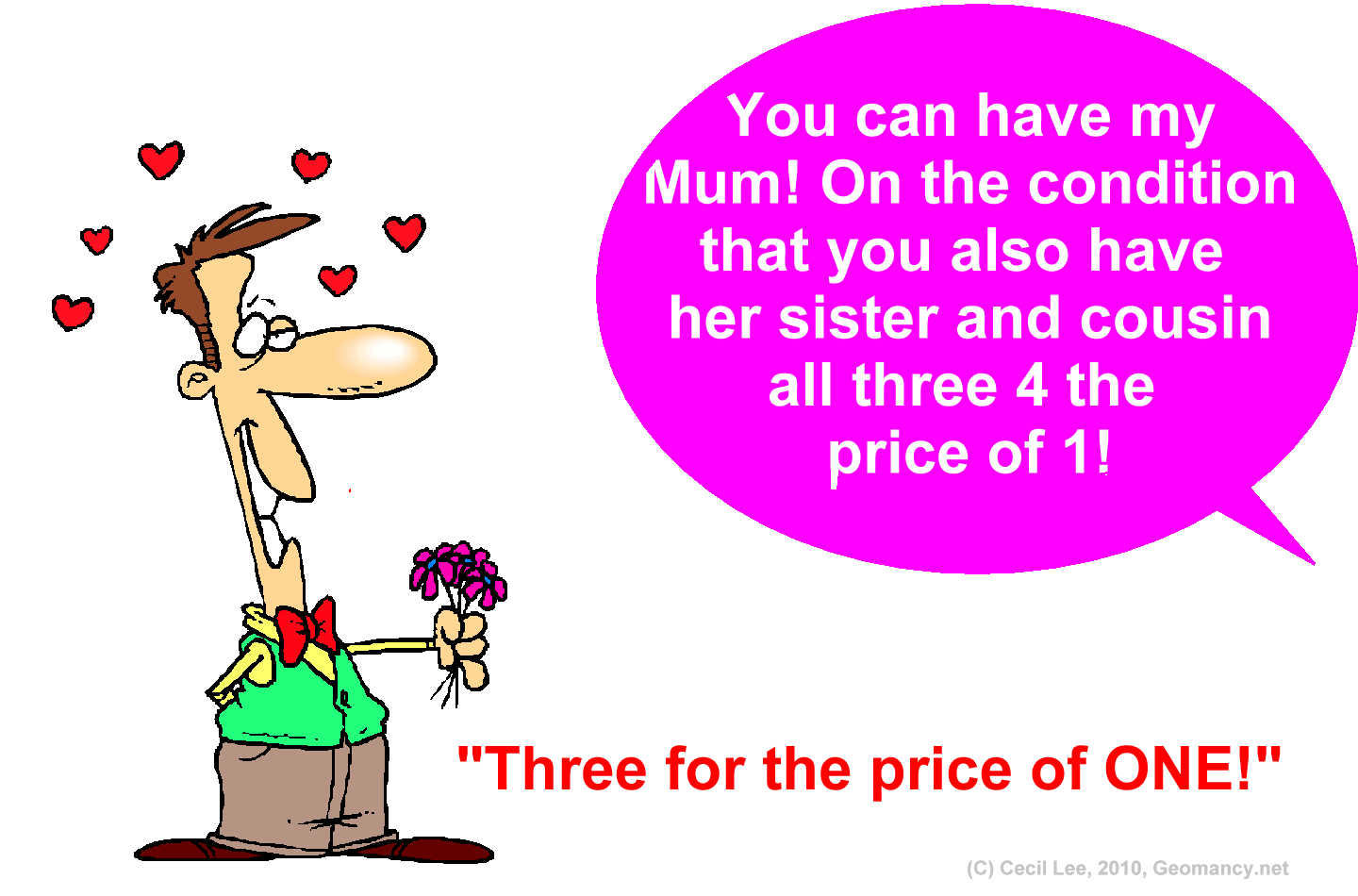
Strike while the iron's hot! Heard of this? Some of us day-dream and only at the last resort try to woo a girl! Others; simply meet the girl, joke with her, invite her out.. and.... Are you another Jack Neo or Tiger woods?
-
These are some of the considerations:- 1. One of the simplest methods is what information is required of or for the calculation of one's Gua (Kua) number and what information is required for the Flying star calculation. 2. In general, what are the inputs required for Gua (Kua) calculation:- 2.1. For Gua calculation: Male or Female and an individuals DATE of birth DD/MM/YYYY. With these inputs, one can work out one's Gua number as well as an individual's Eight Mansions (Eight Directions). 3. For the Flying Star Feng Shui: You need the following inputs: When is the house built / Temporary Occupation Licence obtained and what is the facing direction of the home. Wee L. wrote: Need your confirmation on my understanding, my gua number is 6, does this relates to the numbers on the flyingstar chart at all? What the gua number for? 4. In simplistic terms:- 4.1 Flying Star Feng Shui is about charting the "birth-chart" of a home. Go figure out what the Gua number is. It cannot be for the birth-chart of the home right?
-
It's a pity! The professor became too frustrated when he was sacked by the school for teaching young ones... the art of Feng Shui! Why? Many of the parents dont' believe in Feng Shui! And thought that he teaches bad thing to their children! Look at the professor, now... He has collapsed!