


Cecil Lee
Staff
-
Joined
-
Last visited
Everything posted by Cecil Lee
-
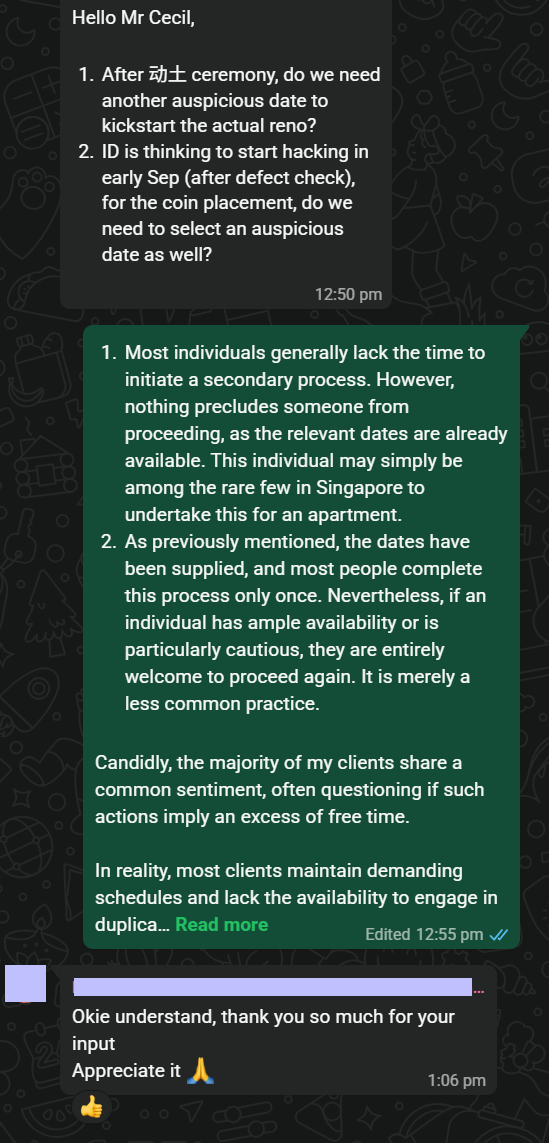
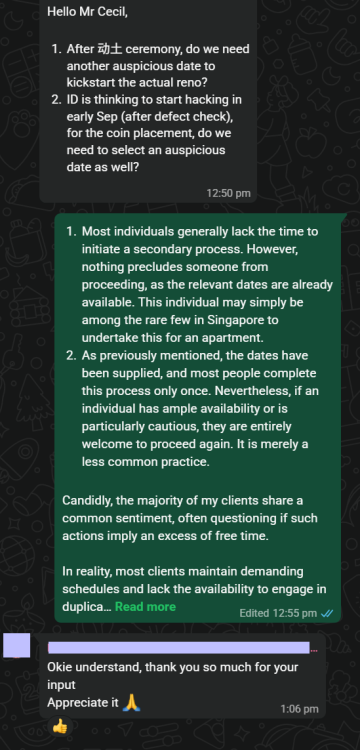
Hello Mr Cecil, 1. After 动土 ceremony, do we need another auspicious date to kickstart the actual reno? 2. ID is thinking to start hacking in early Sep (after defect check), for the coin placement, do we need to select an auspicious date as well? 1. Most individuals generally lack the time to initiate a secondary process. However, nothing precludes someone from proceeding, as the relevant dates are already available. This individual may simply be among the rare few in Singapore to undertake this for an apartment. 2. As previously mentioned, the dates have been supplied, and most people complete this process only once. Nevertheless, if an individual has ample availability or is particularly cautious, they are entirely welcome to proceed again. It is merely a less common practice. Candidly, the majority of my clients share a common sentiment, often questioning if such actions imply an excess of free time. In reality, most clients maintain demanding schedules and lack the availability to engage in duplicate procedures; otherwise, they would inform me. Nevertheless, there are always a rare few who choose to proceed differently. Extra "ECA" is your personal CALL. This is Optional.
-
Hi, Mr Cecil May I just check if a nursing home in the northwest direction is okay? I came across geomancy.net Hi [hidden], Since Feng Shui is so specific about exactly where the nursing home sits compared to your place, it's a bit tough to know for sure if there will be any major or minor impacts just yet.
-
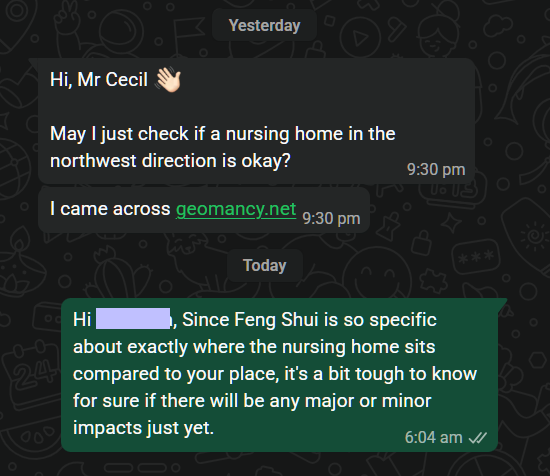
Ad
-
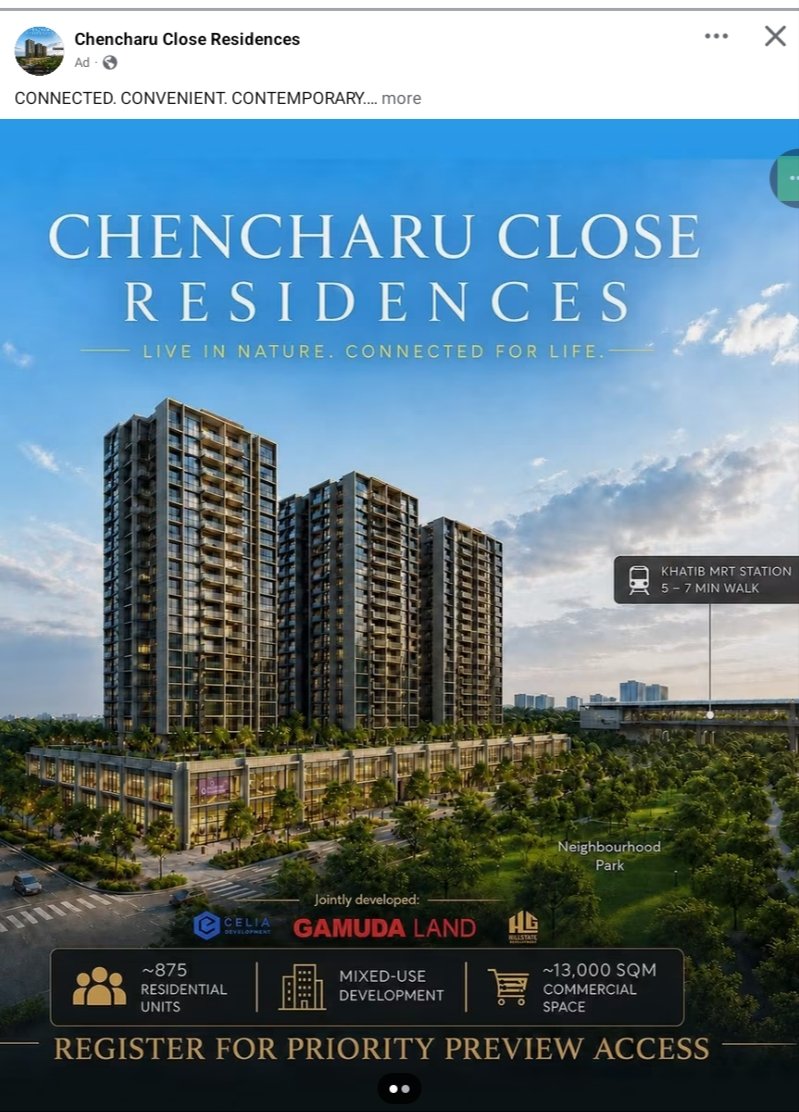
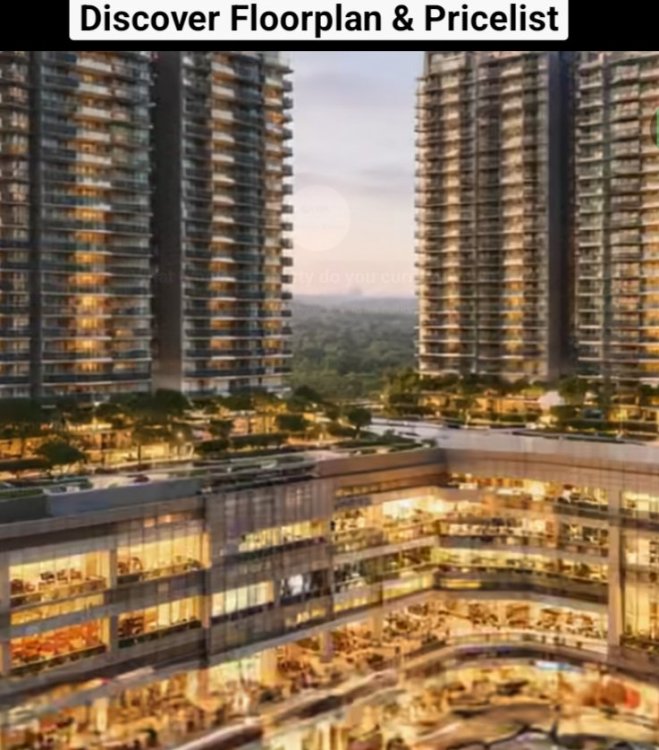
AD
-
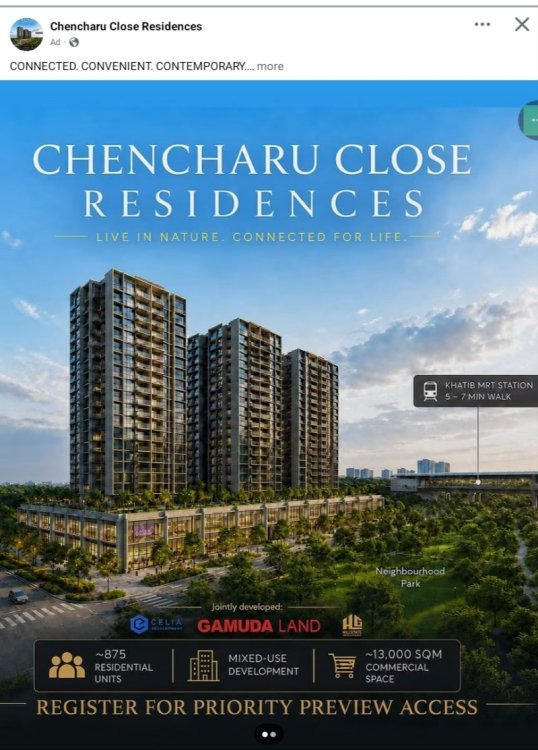
Credit:
-
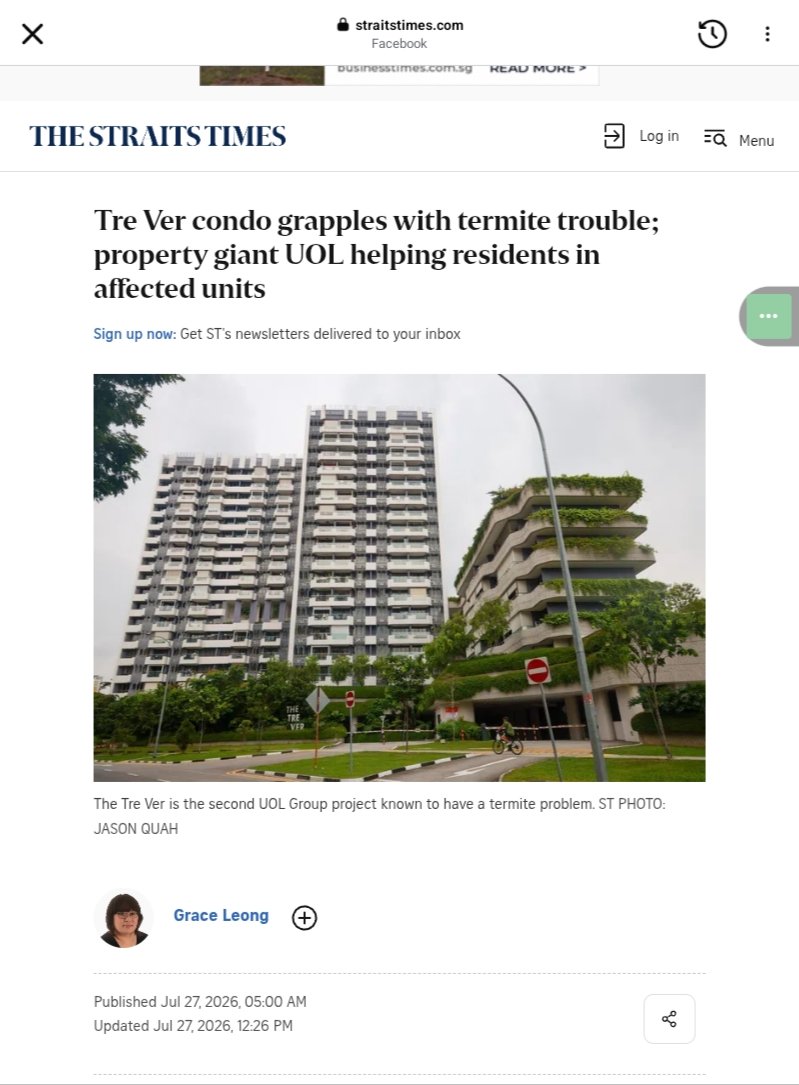
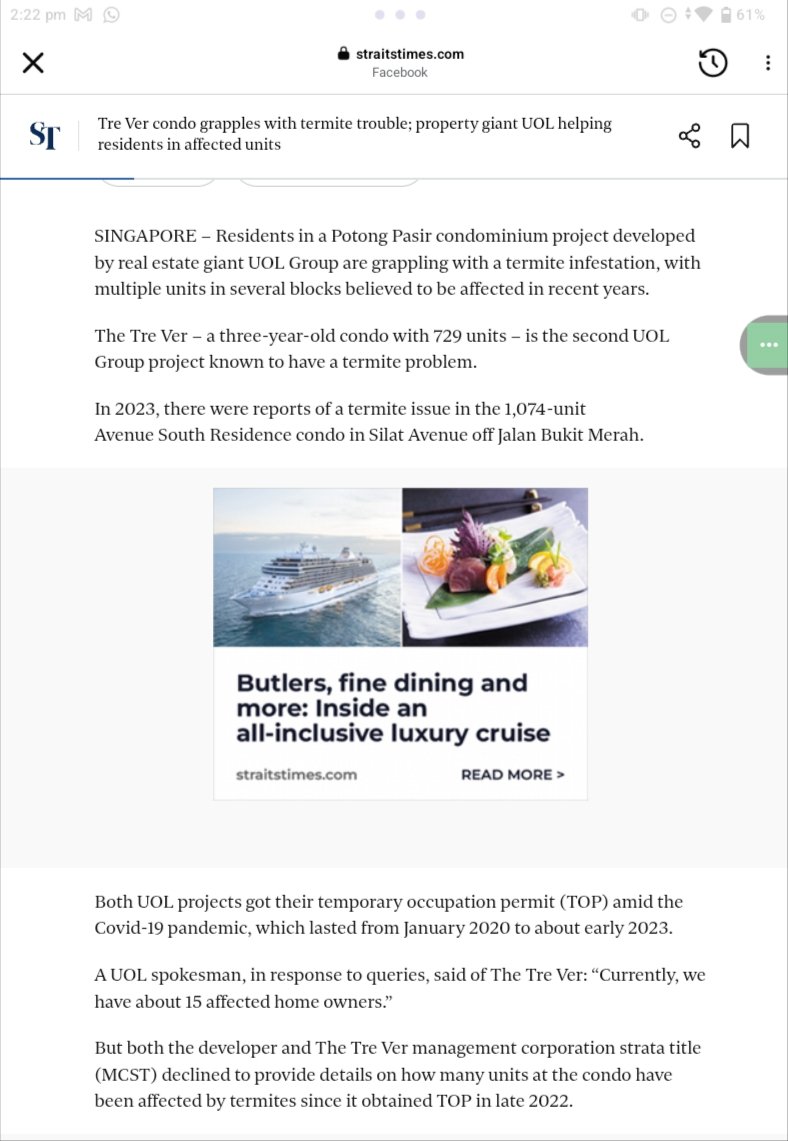
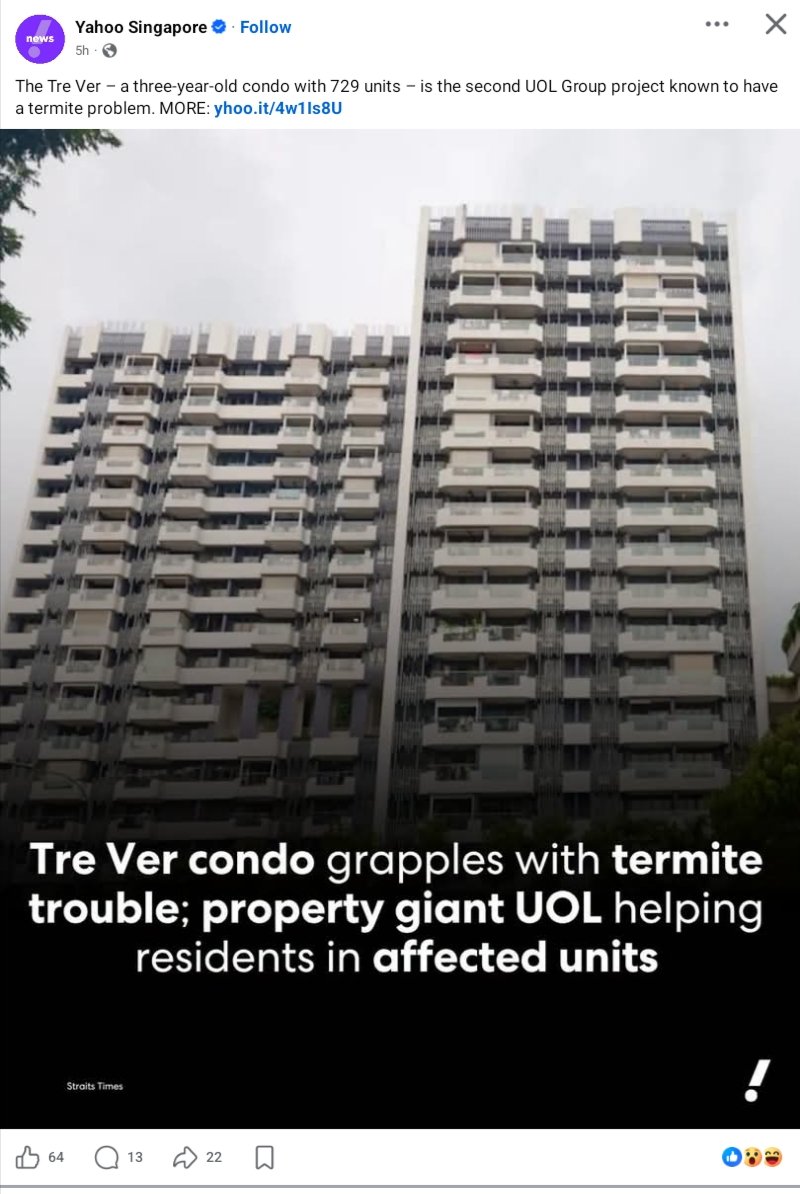
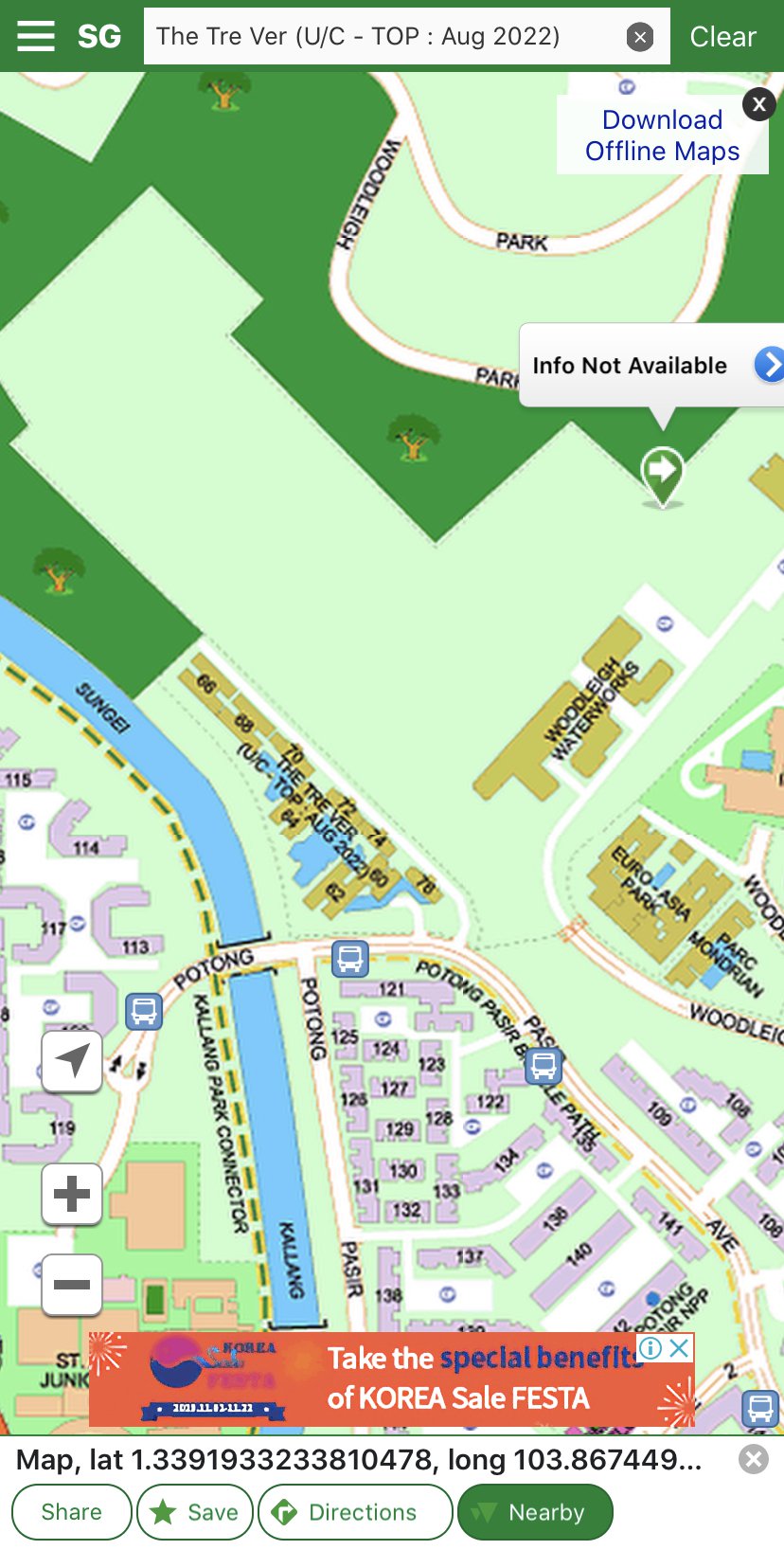
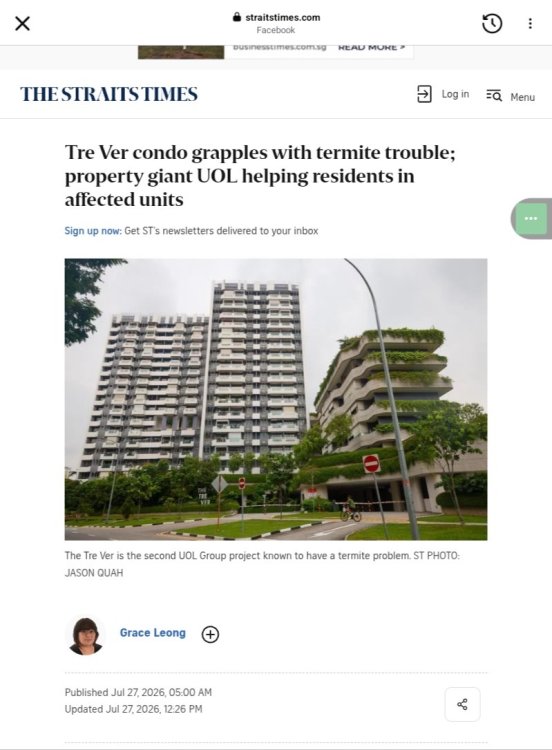
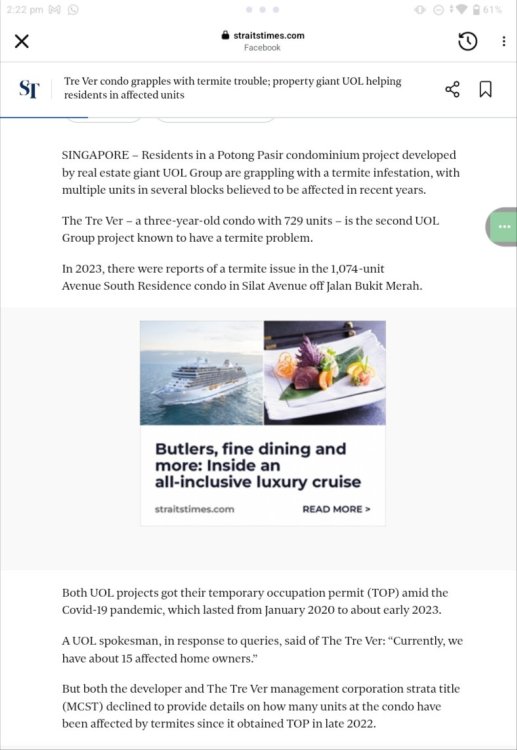
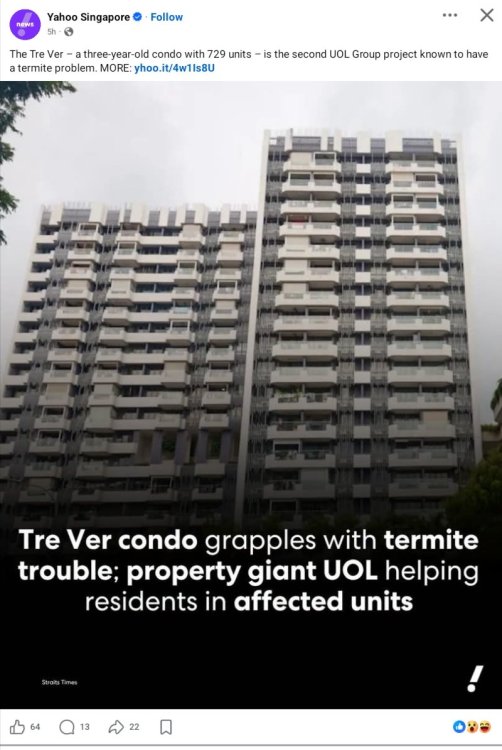
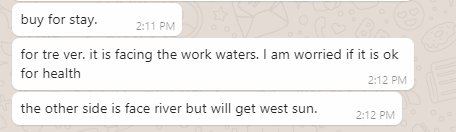
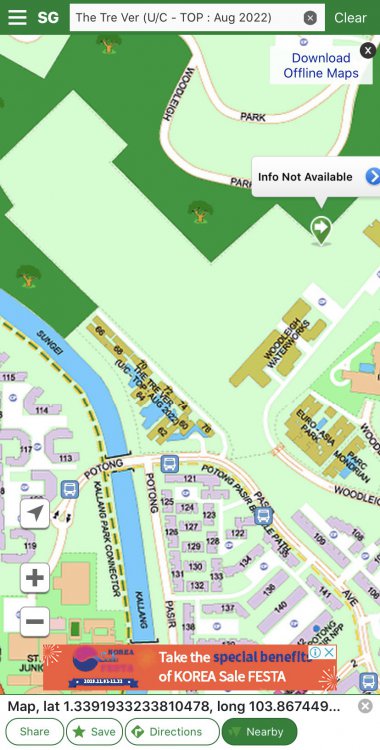
Beside a canal ...more prone to termites..... Source & Credit: Avenue South Residence condo in Silat is another.
-
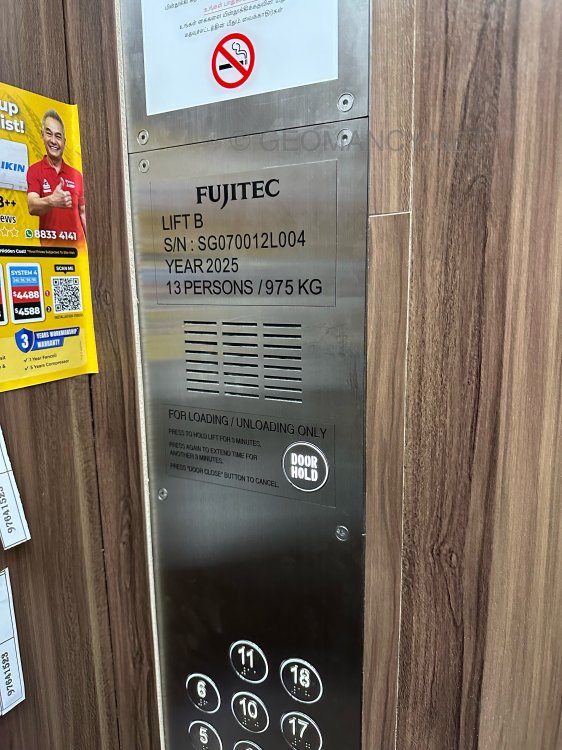
On 27th July 2026
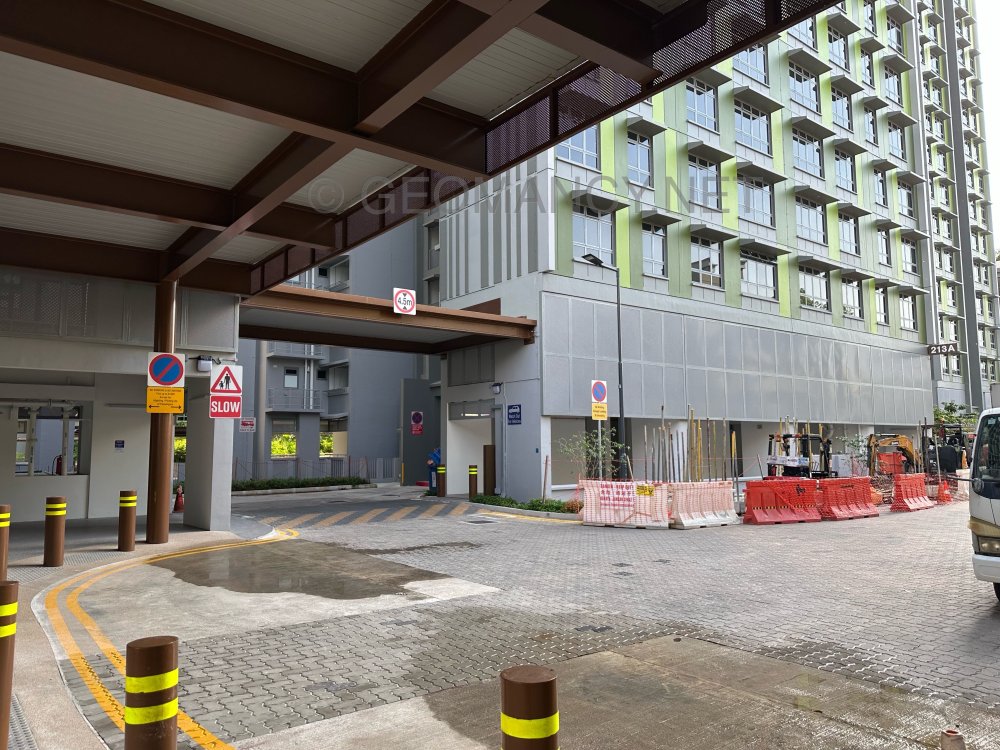
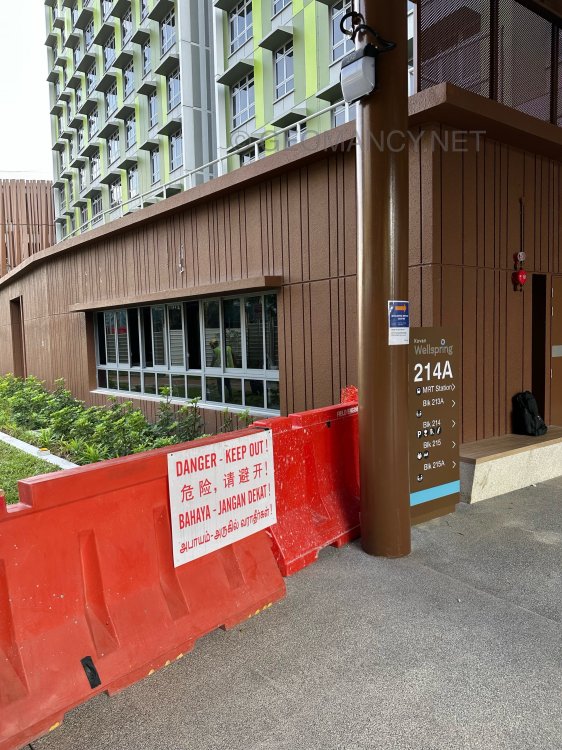
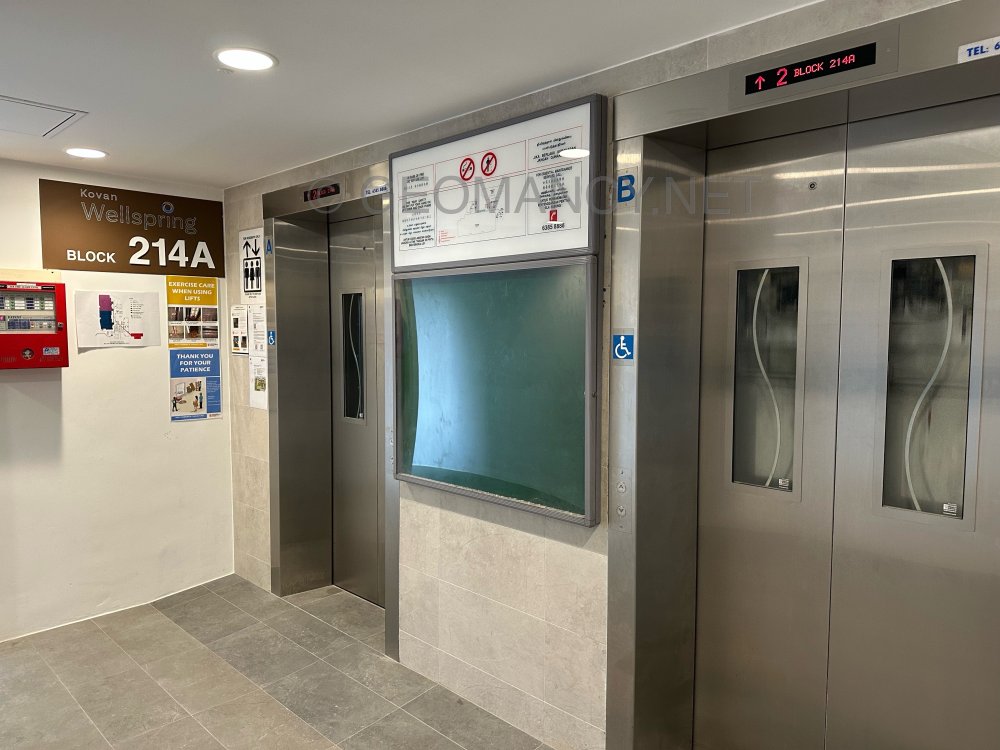
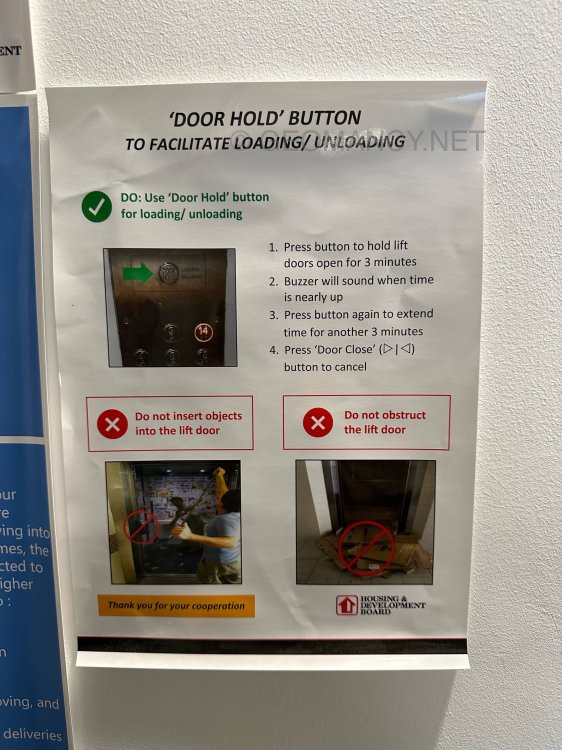
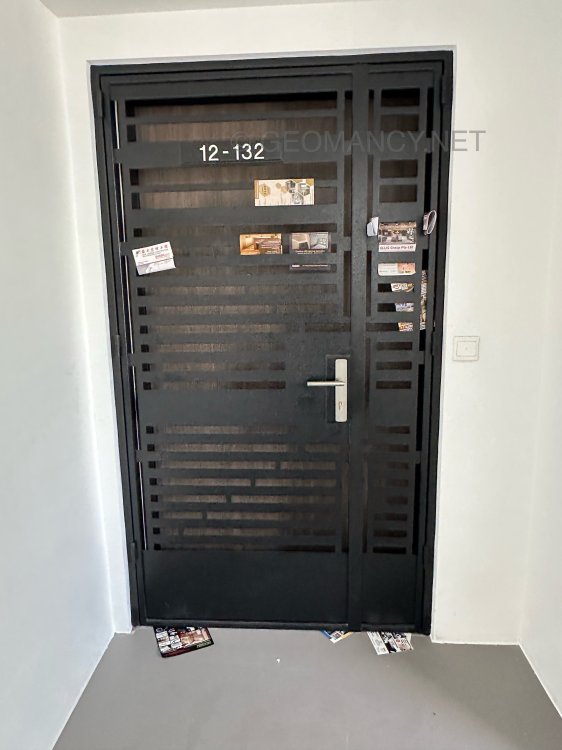
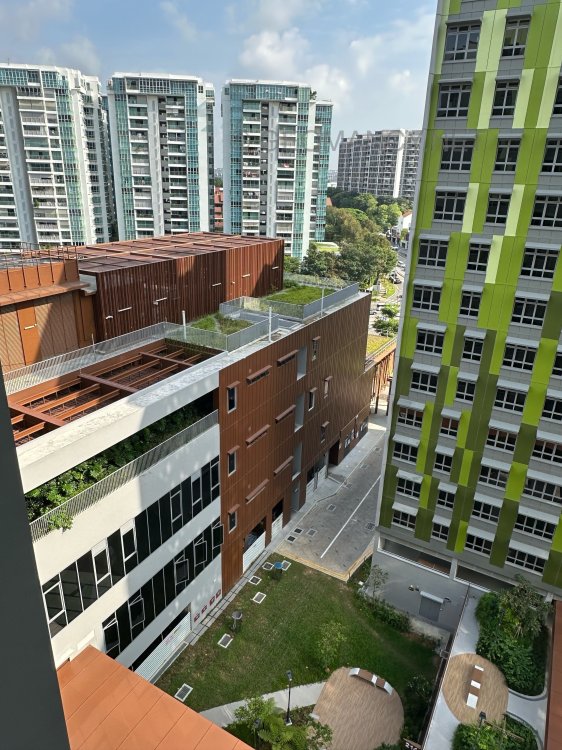
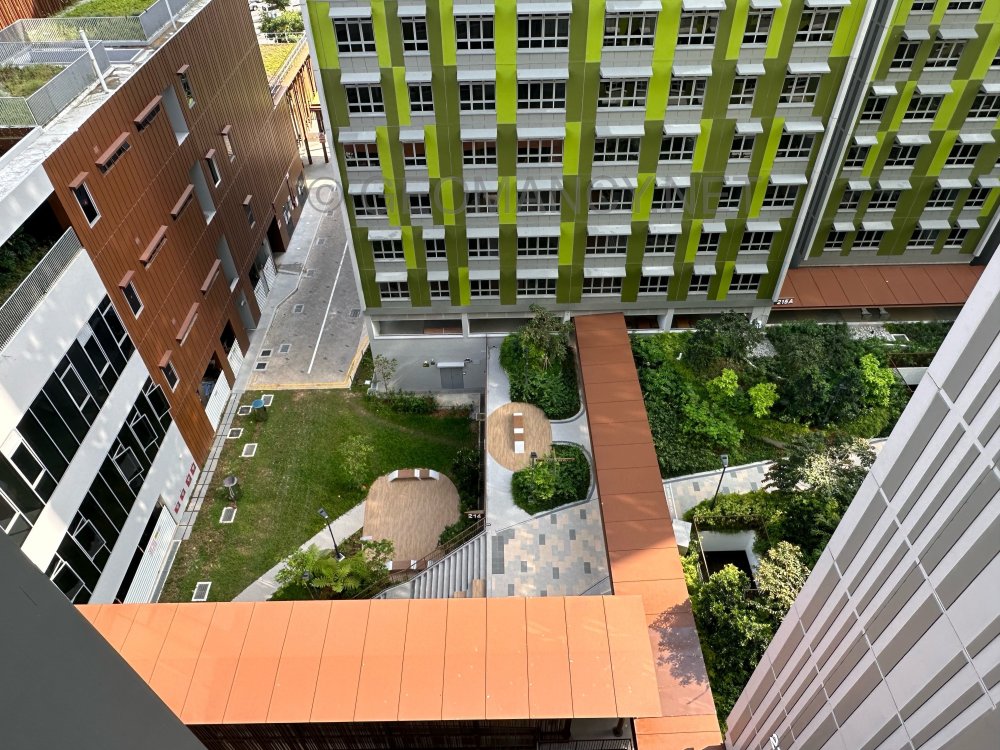
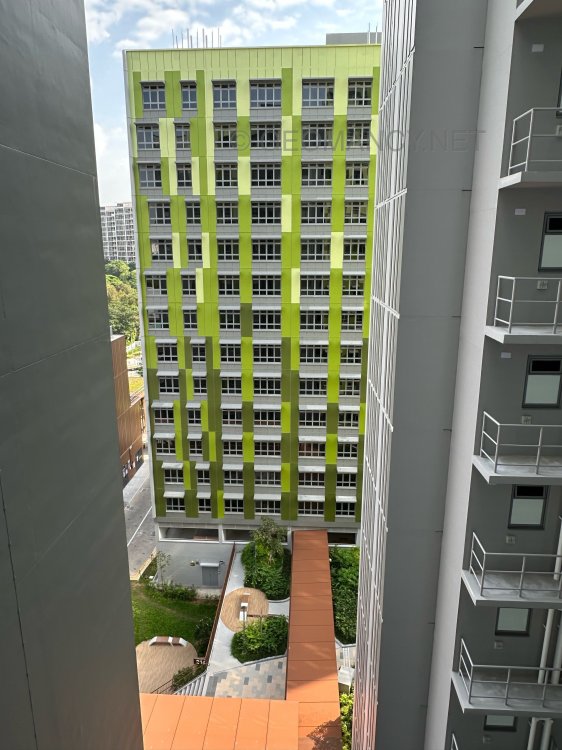
-
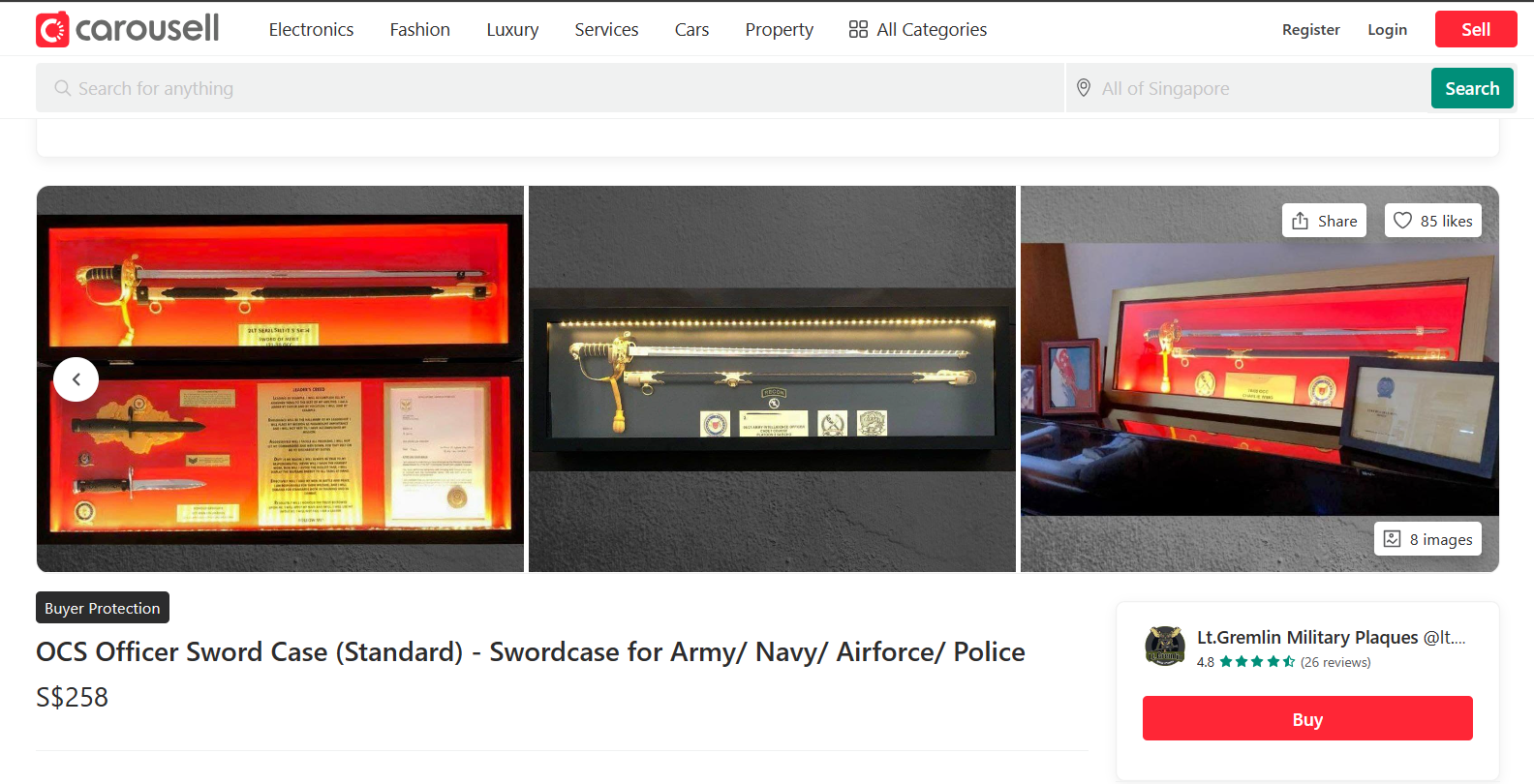
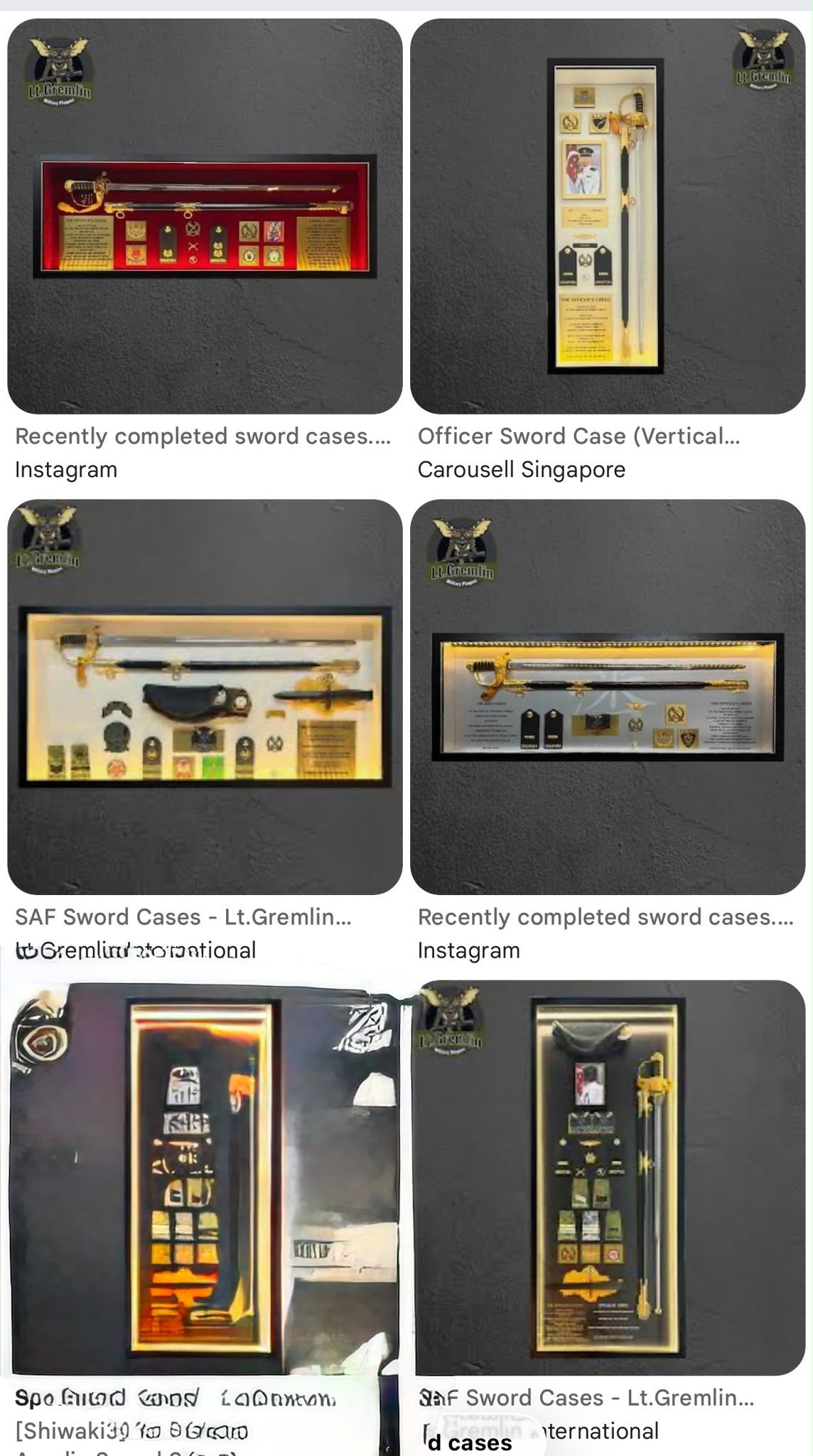
Sample of swords displayed horizontally or vertically
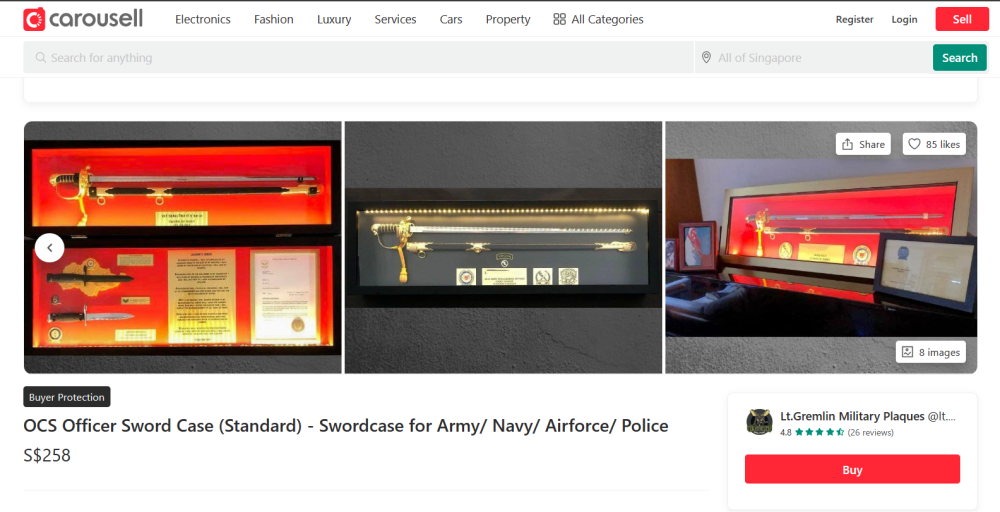
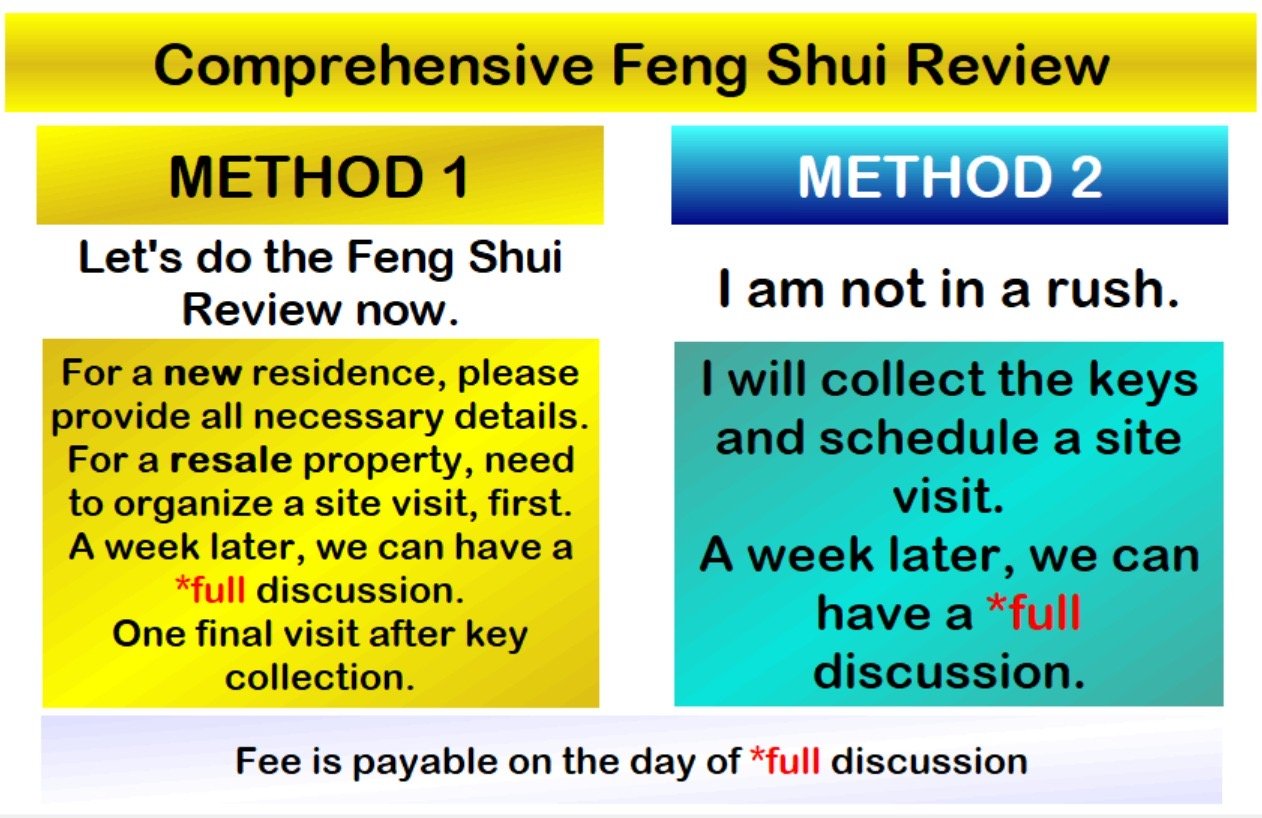
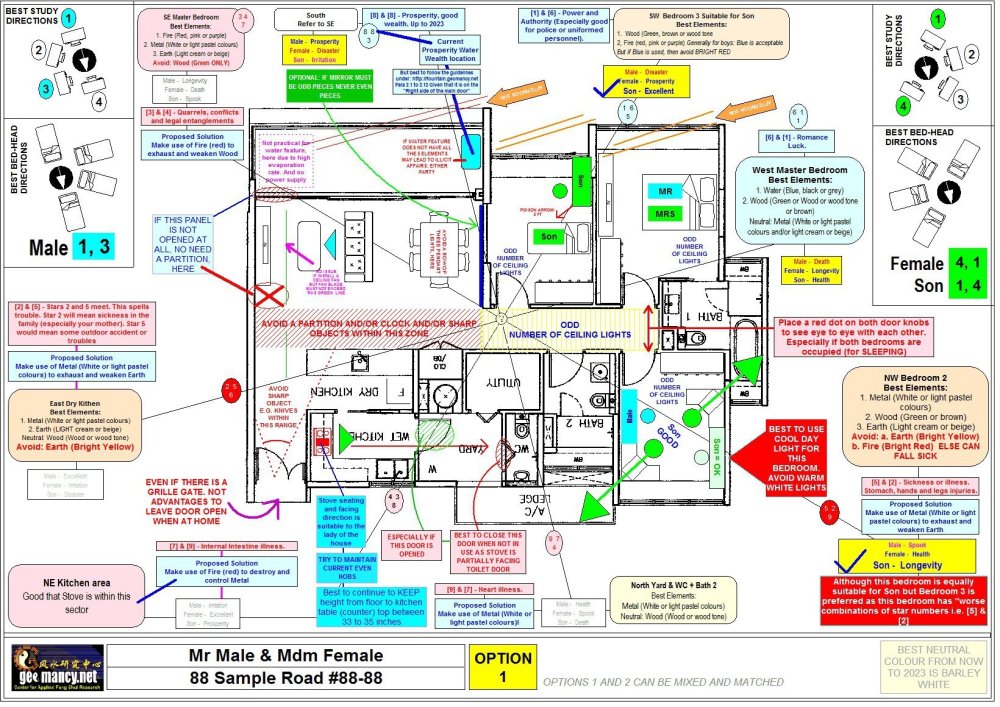
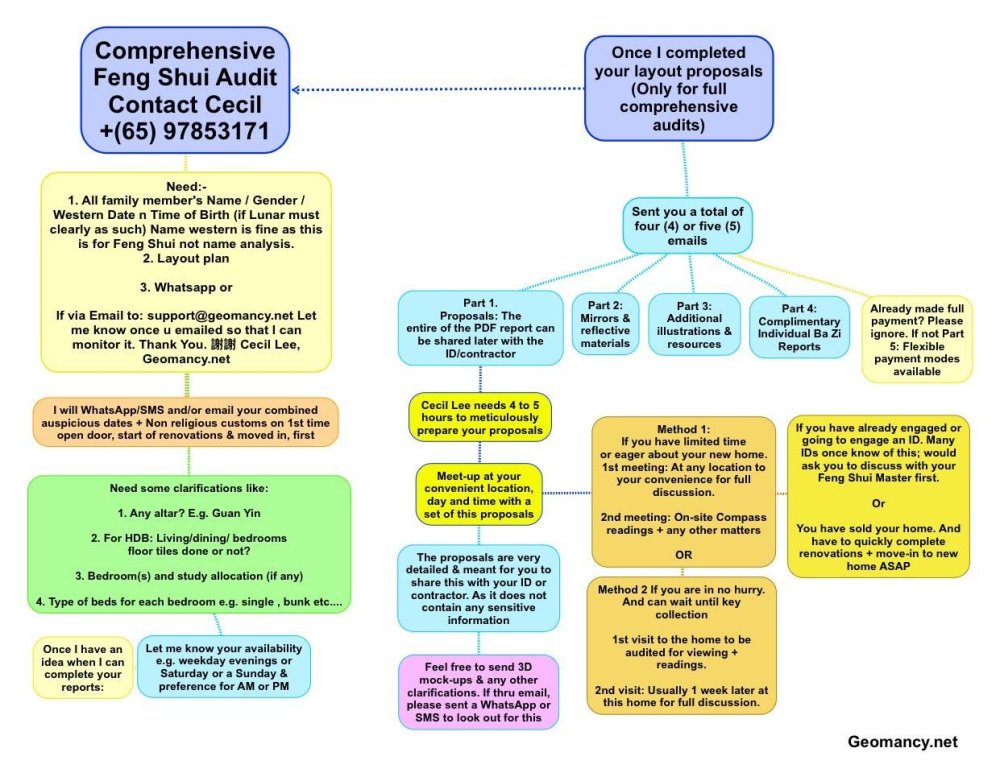
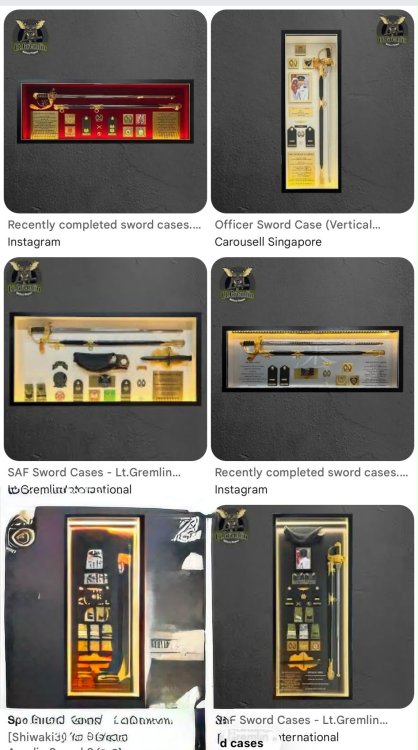 Client selected Method 1. Next meet up is at the new condo unit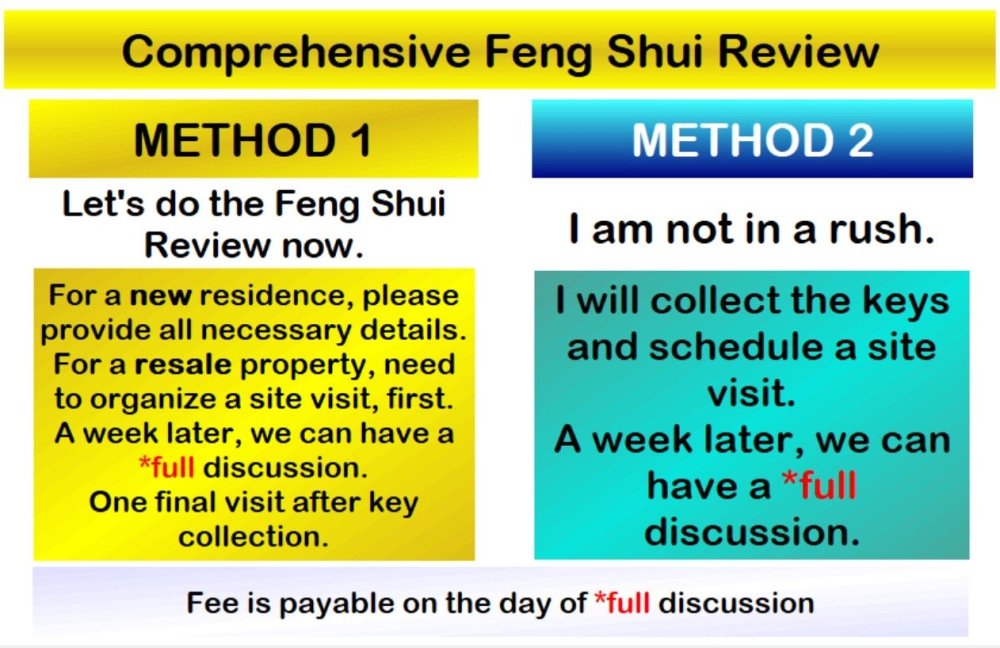
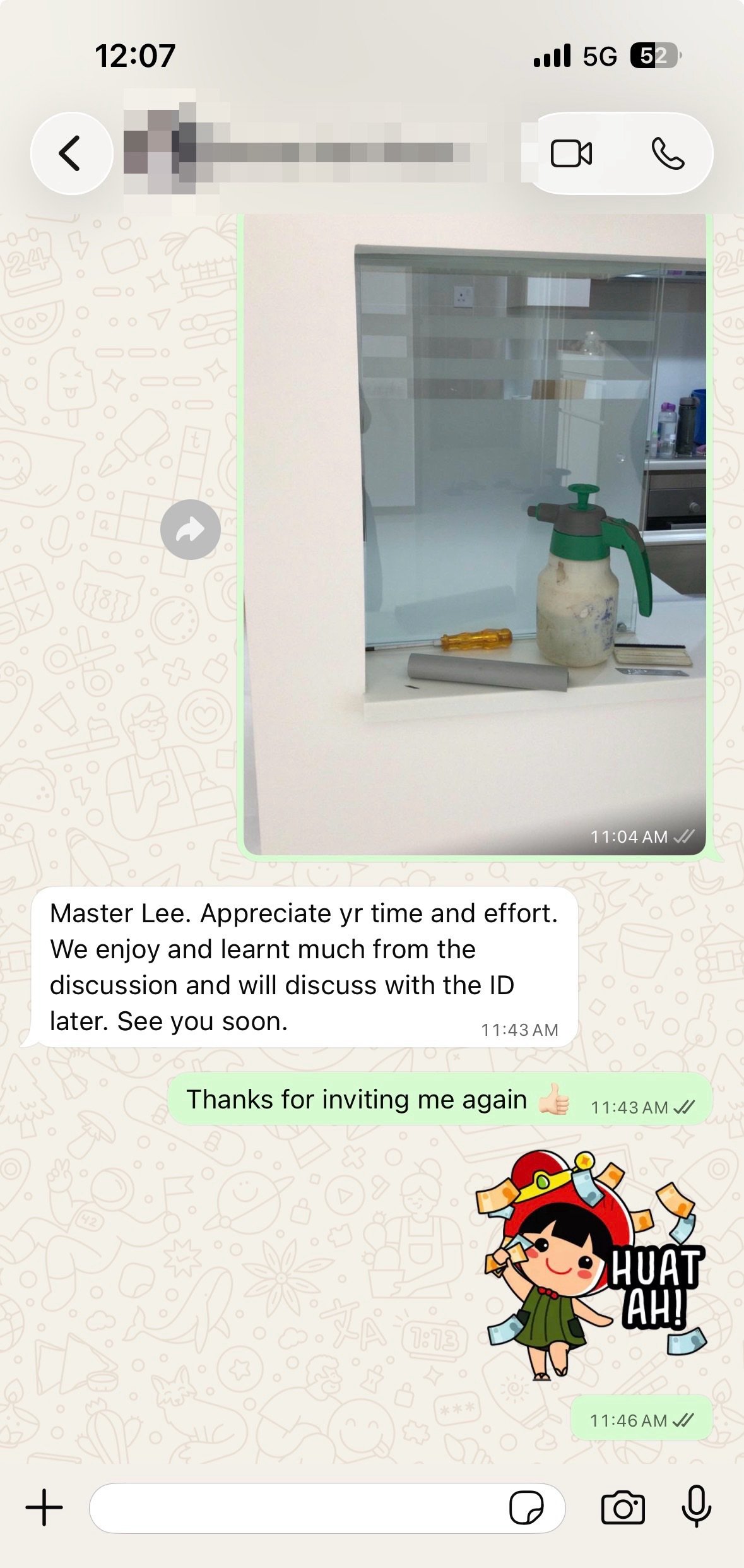
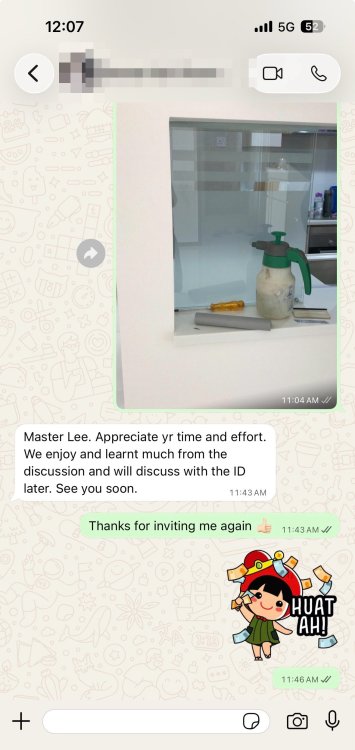
 Master Lee. Appreciate yr time and effort. We enjoy and learnt much from the discussion and will discuss with the ID later. See you soon.
 On 27th July 2026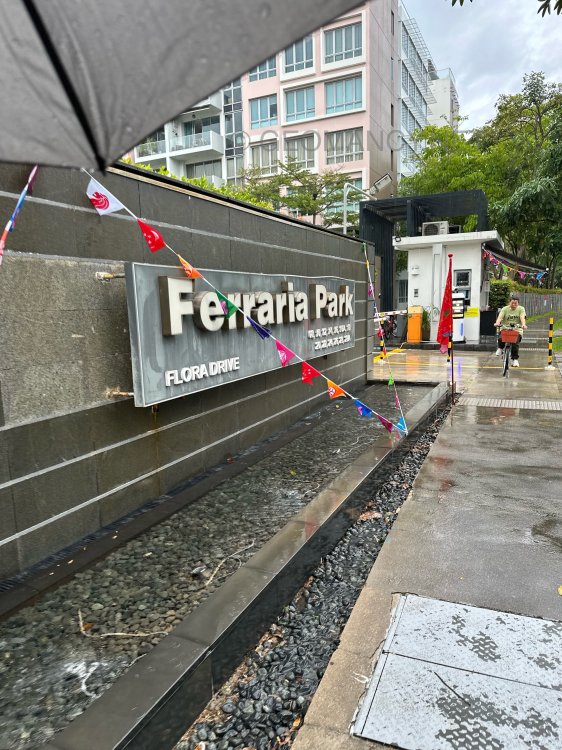
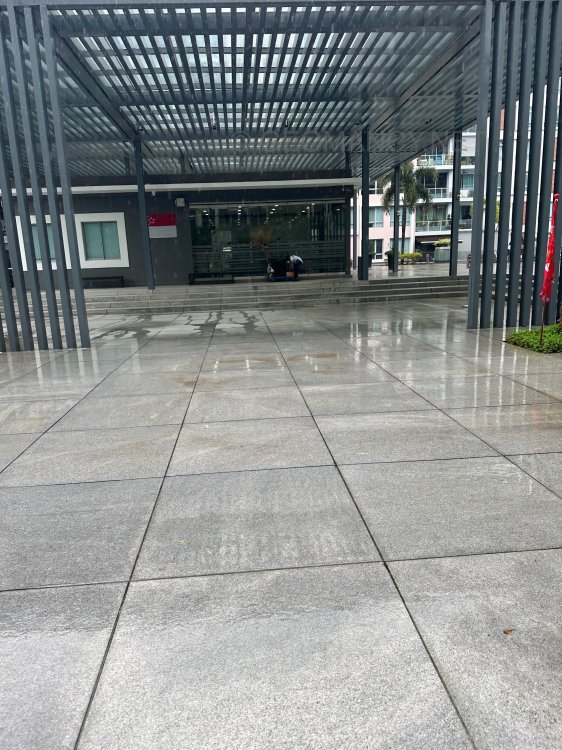
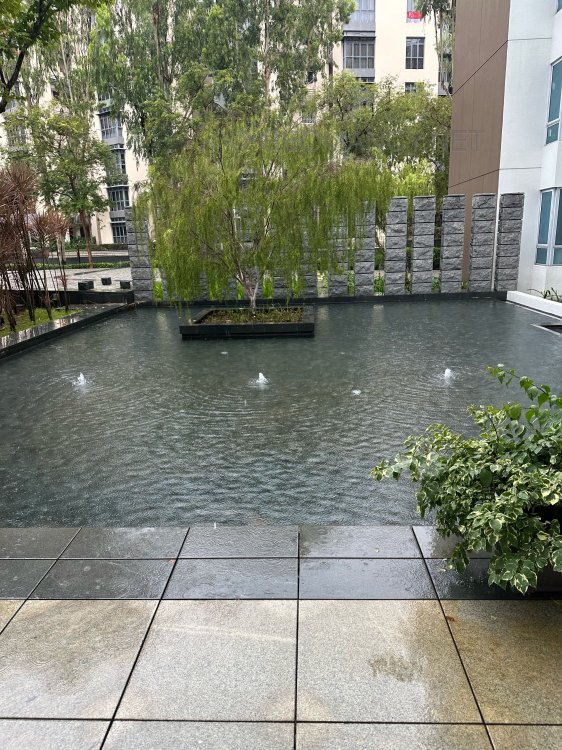
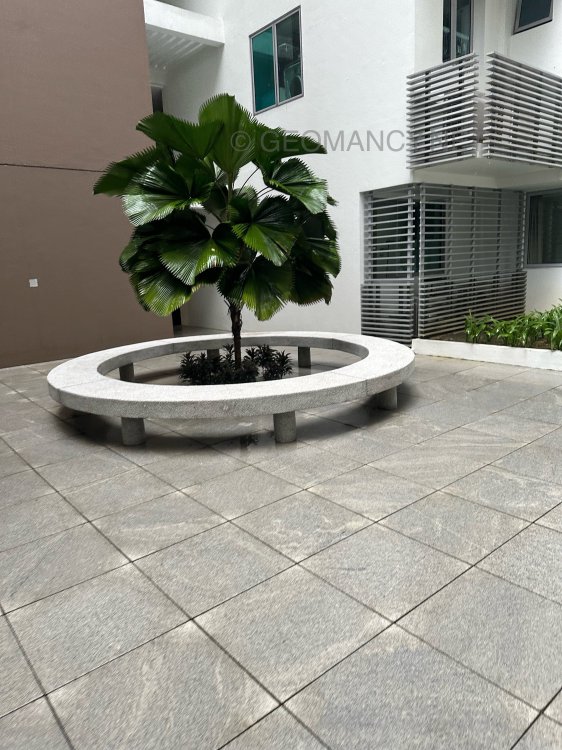
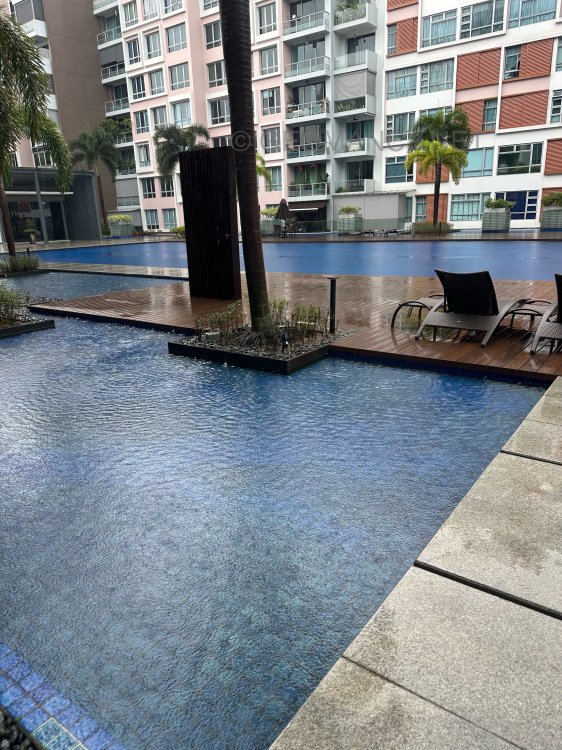
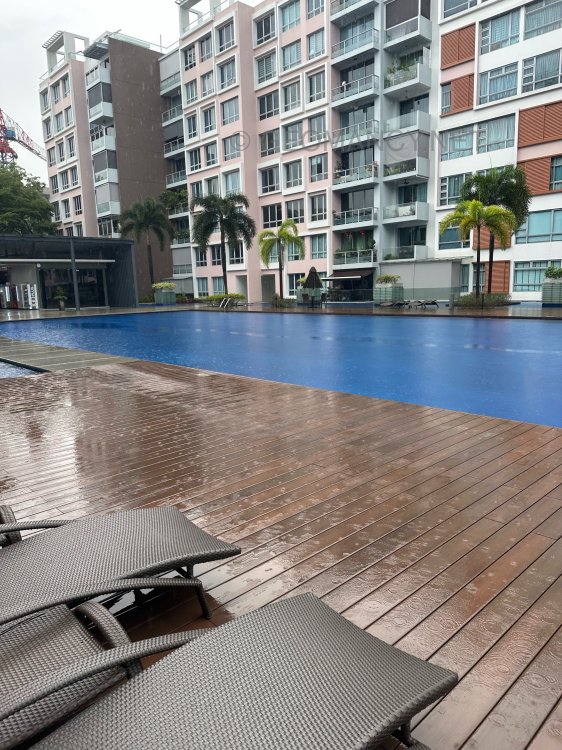
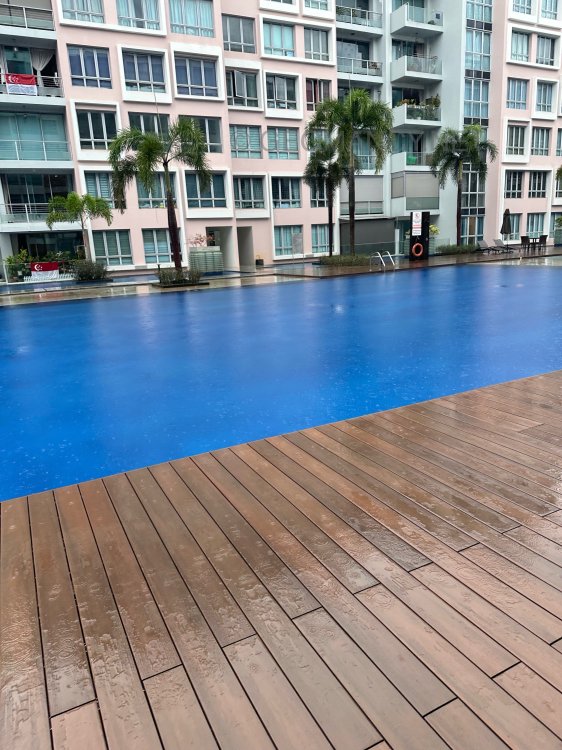
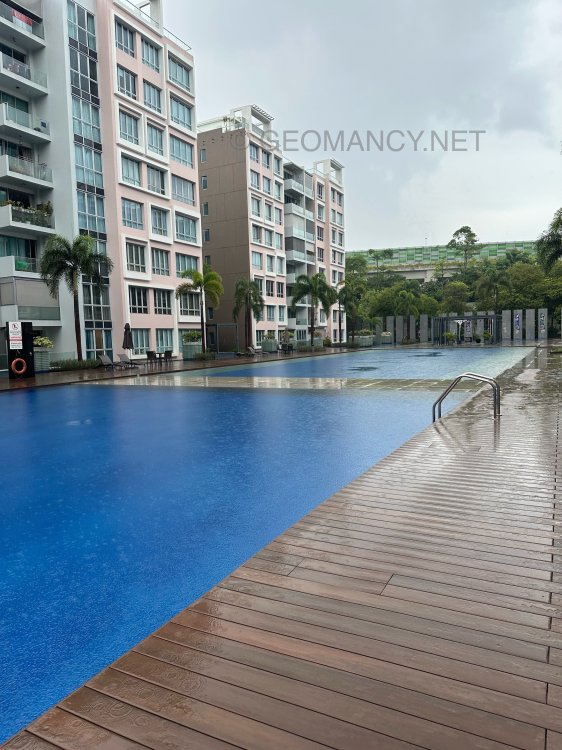
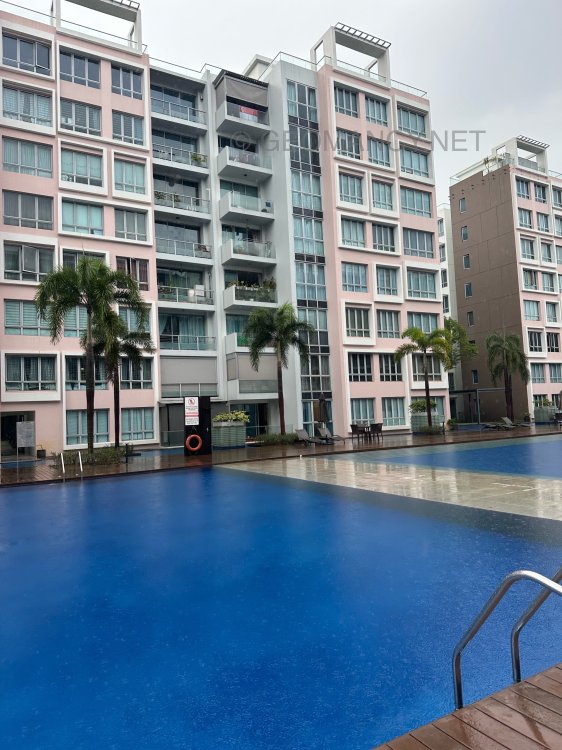
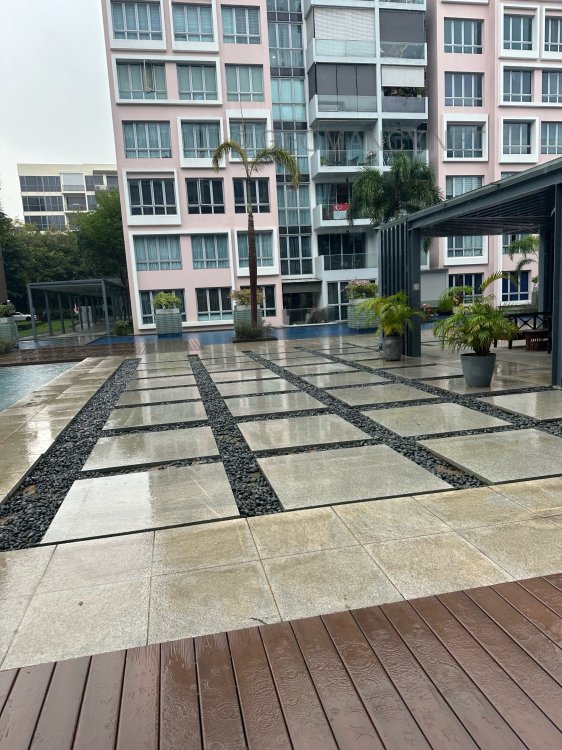
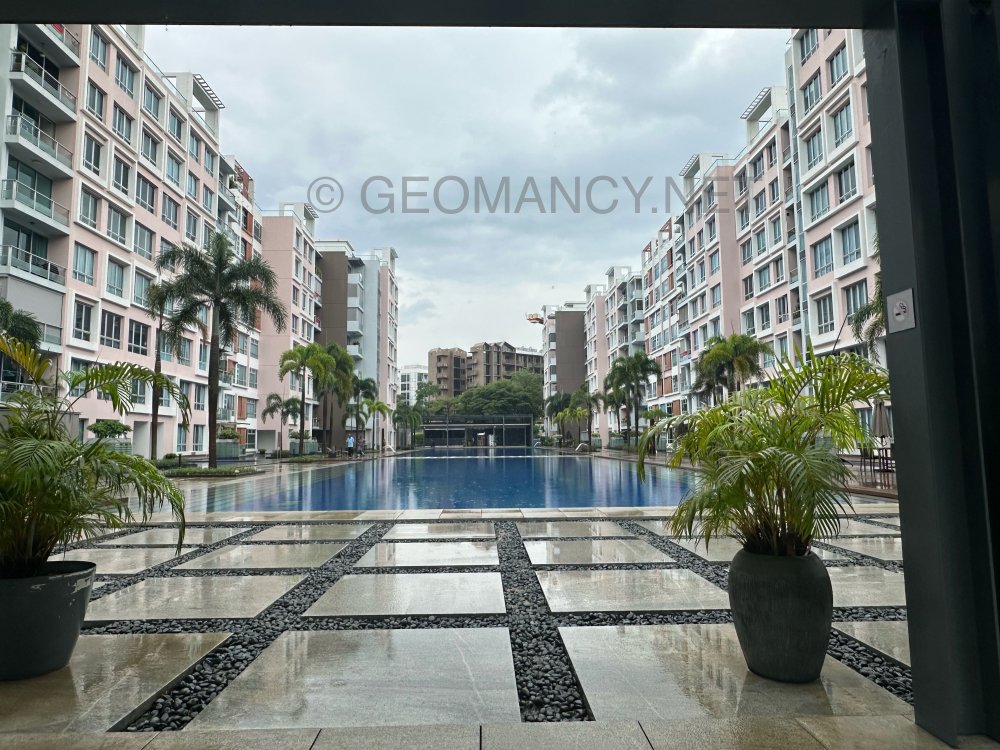
 On 26th July 2026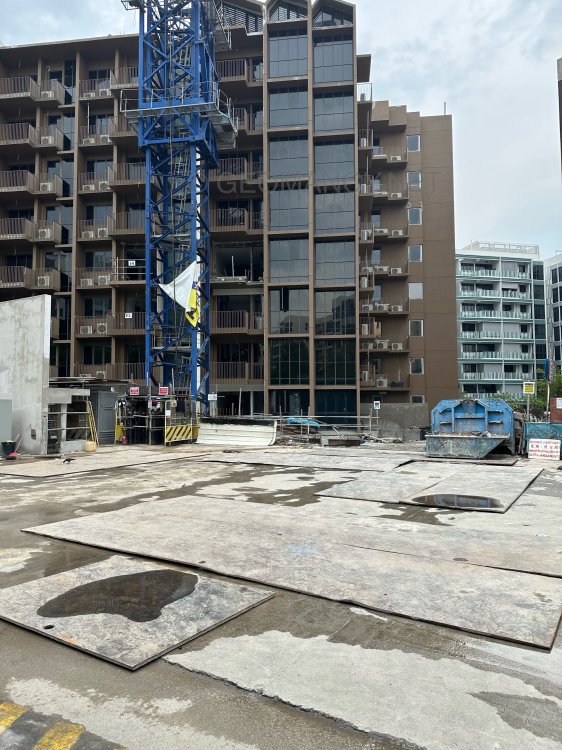
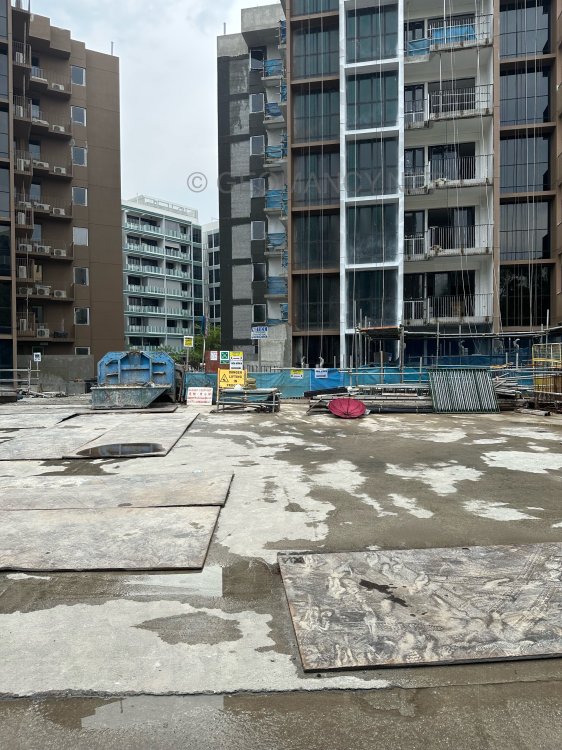
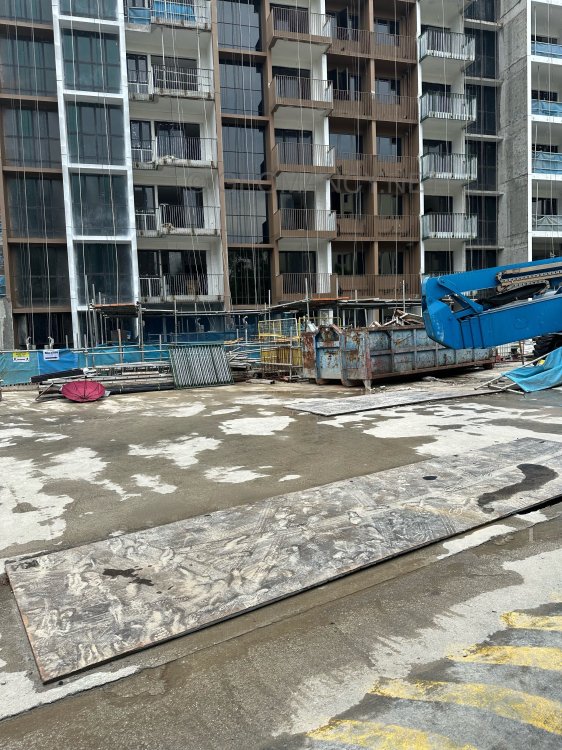
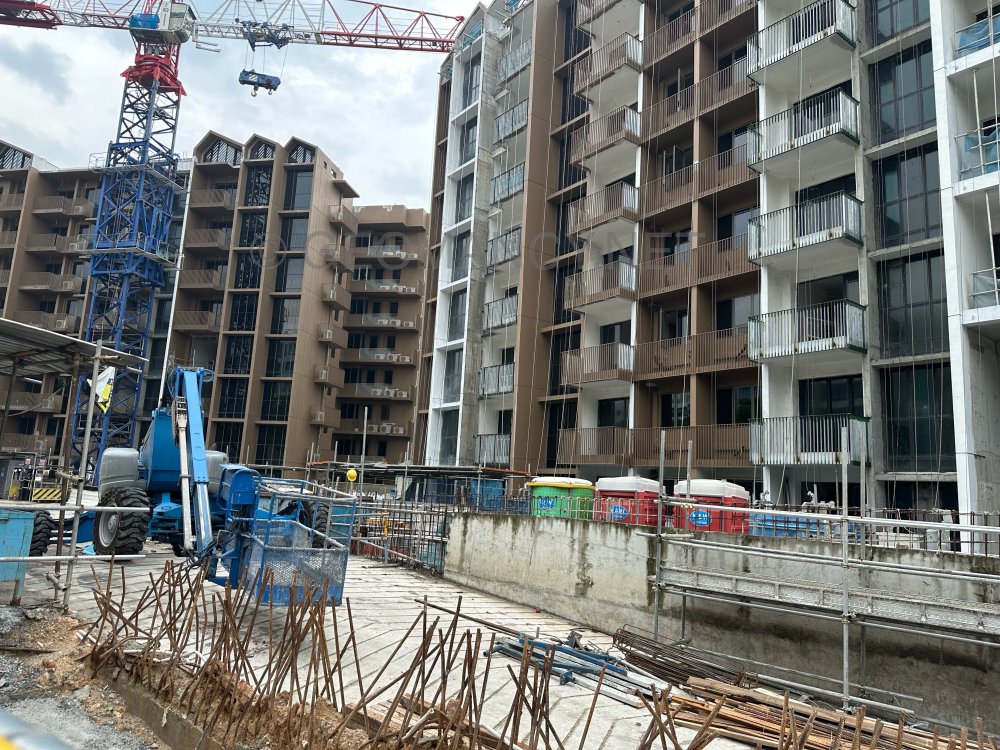
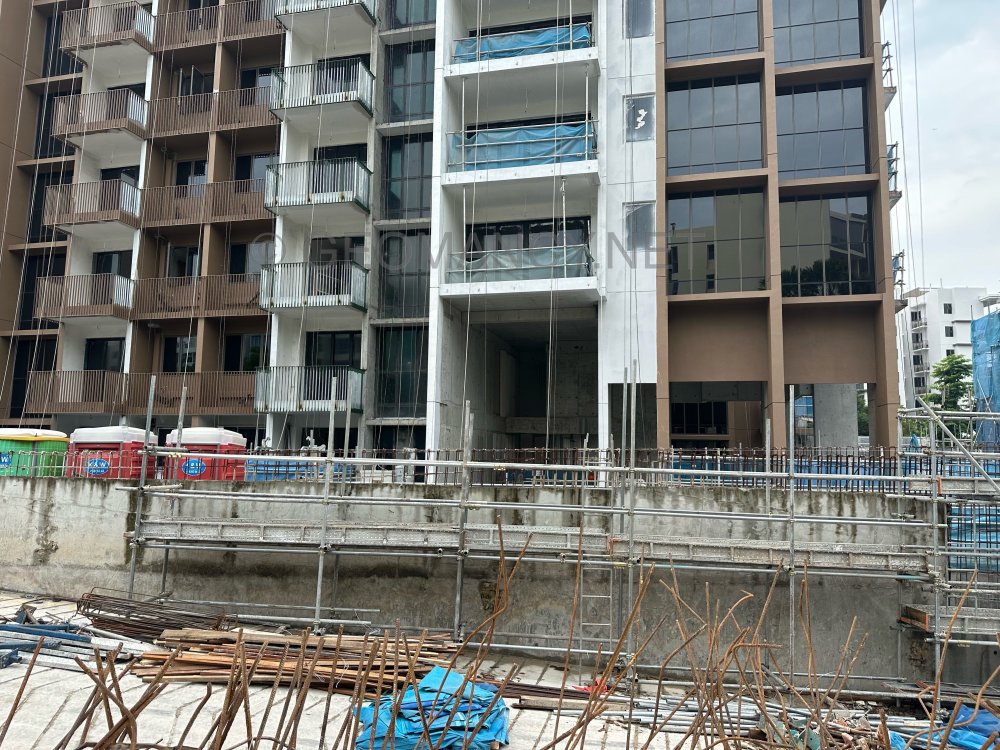
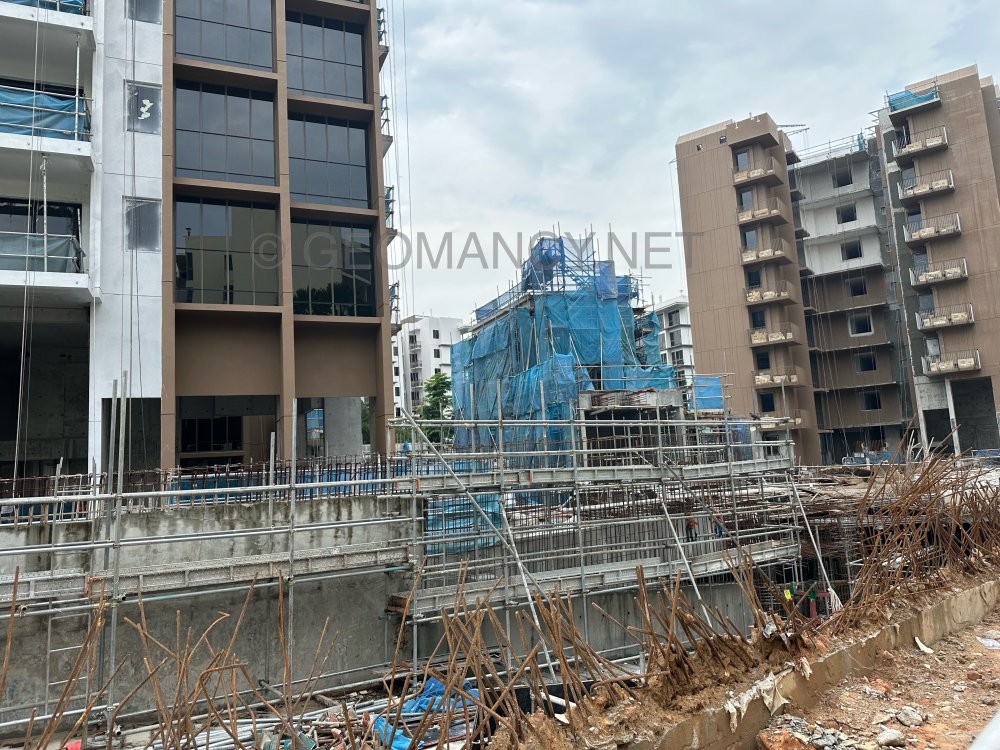
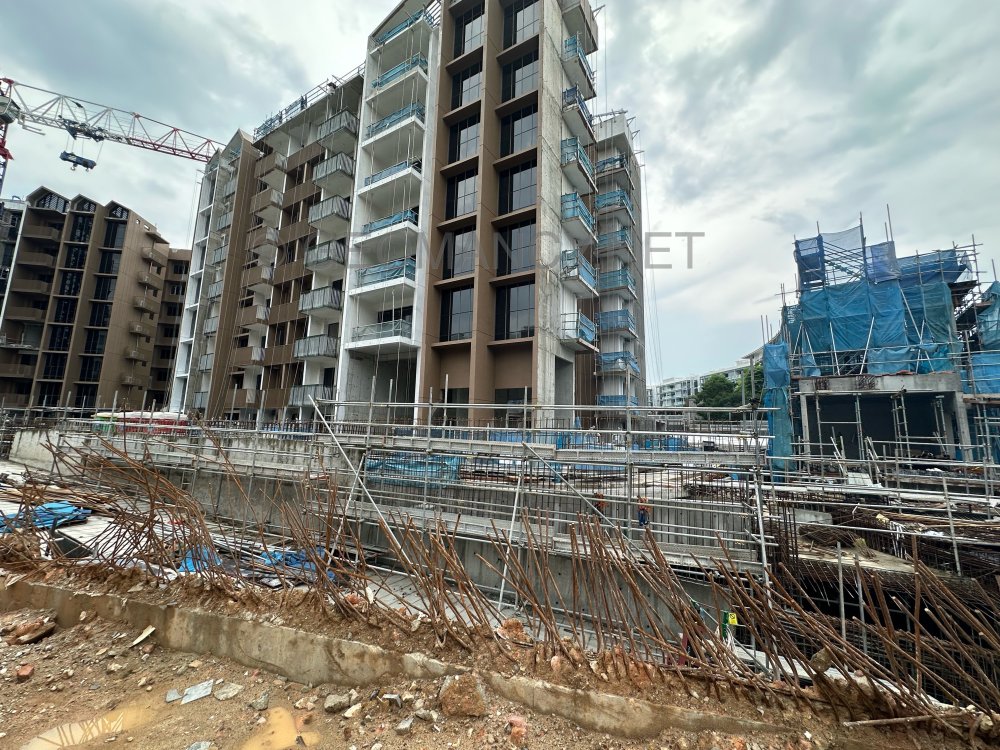
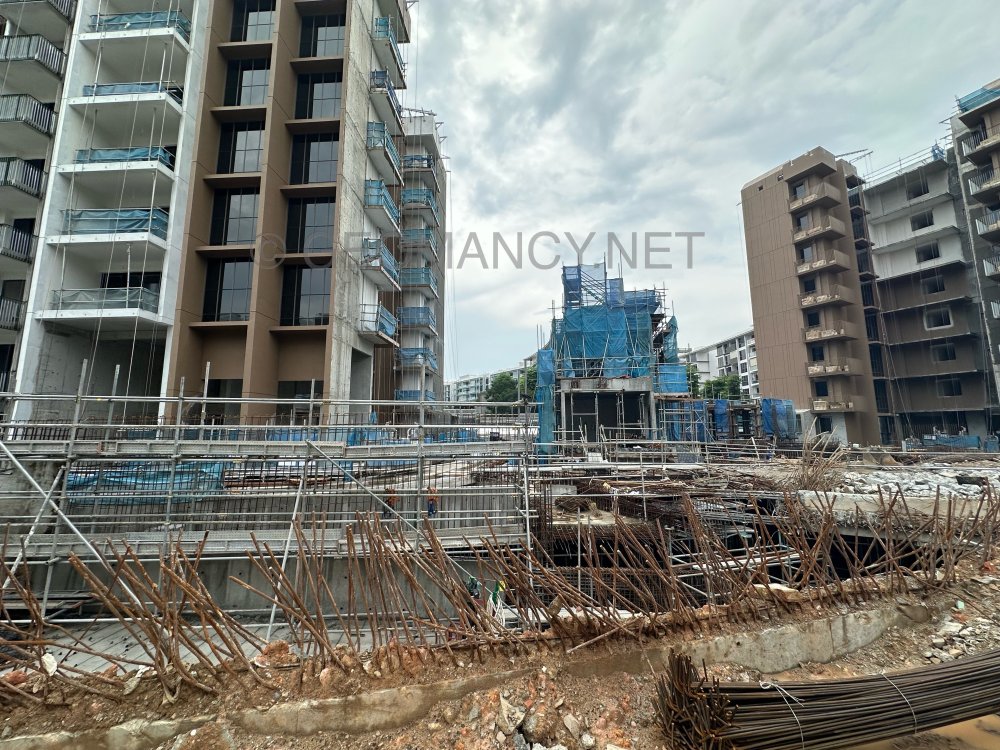
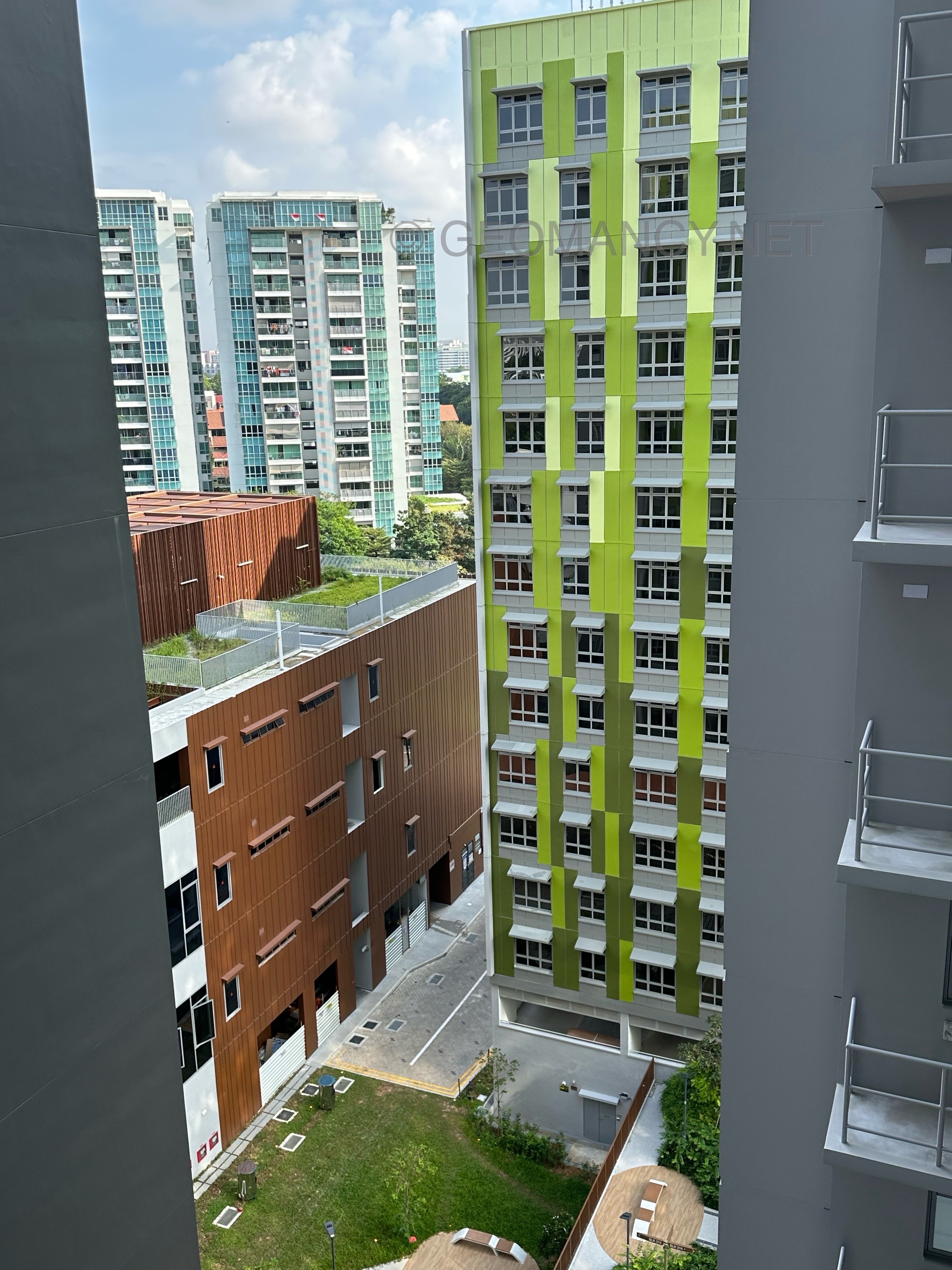
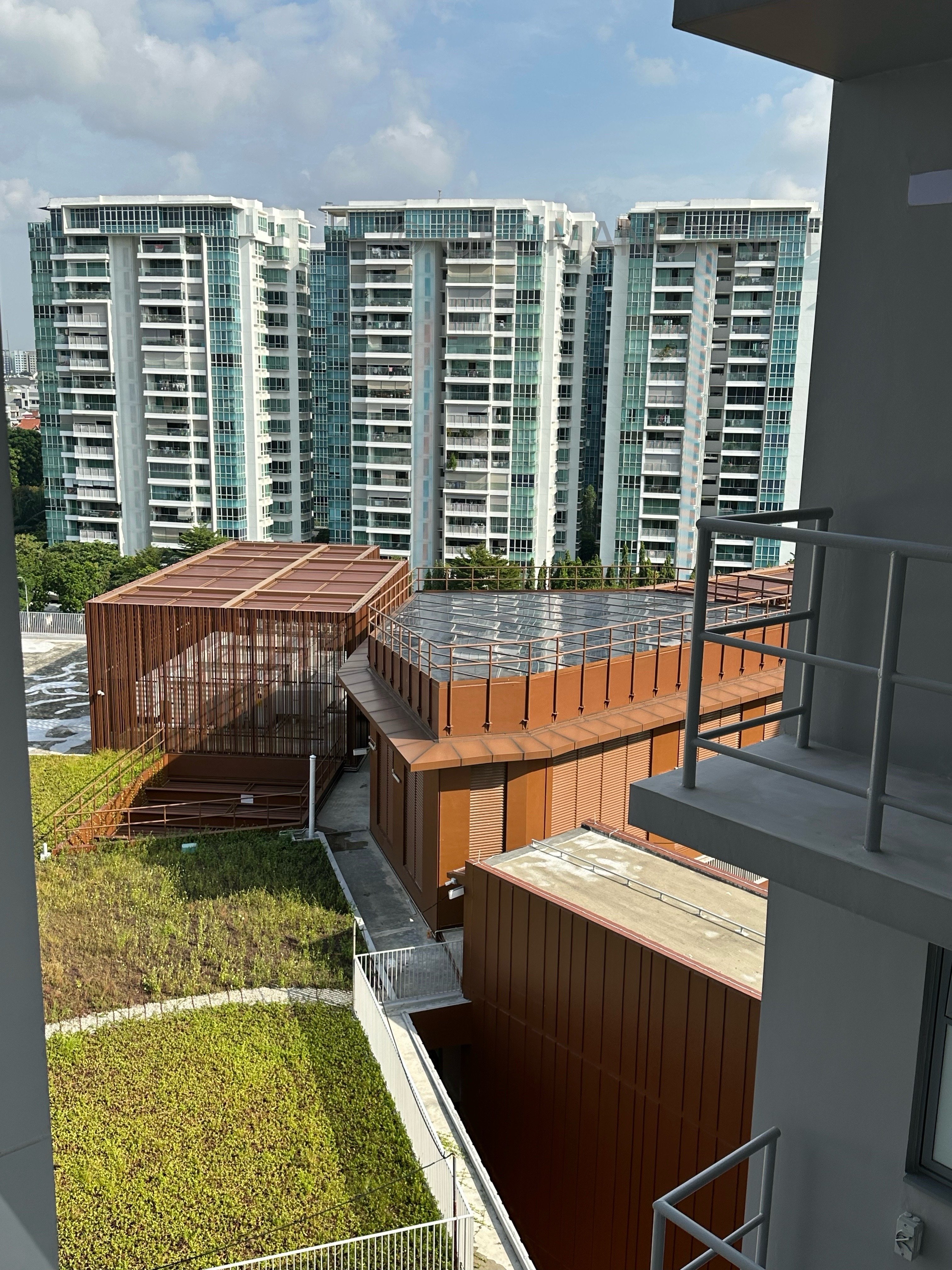
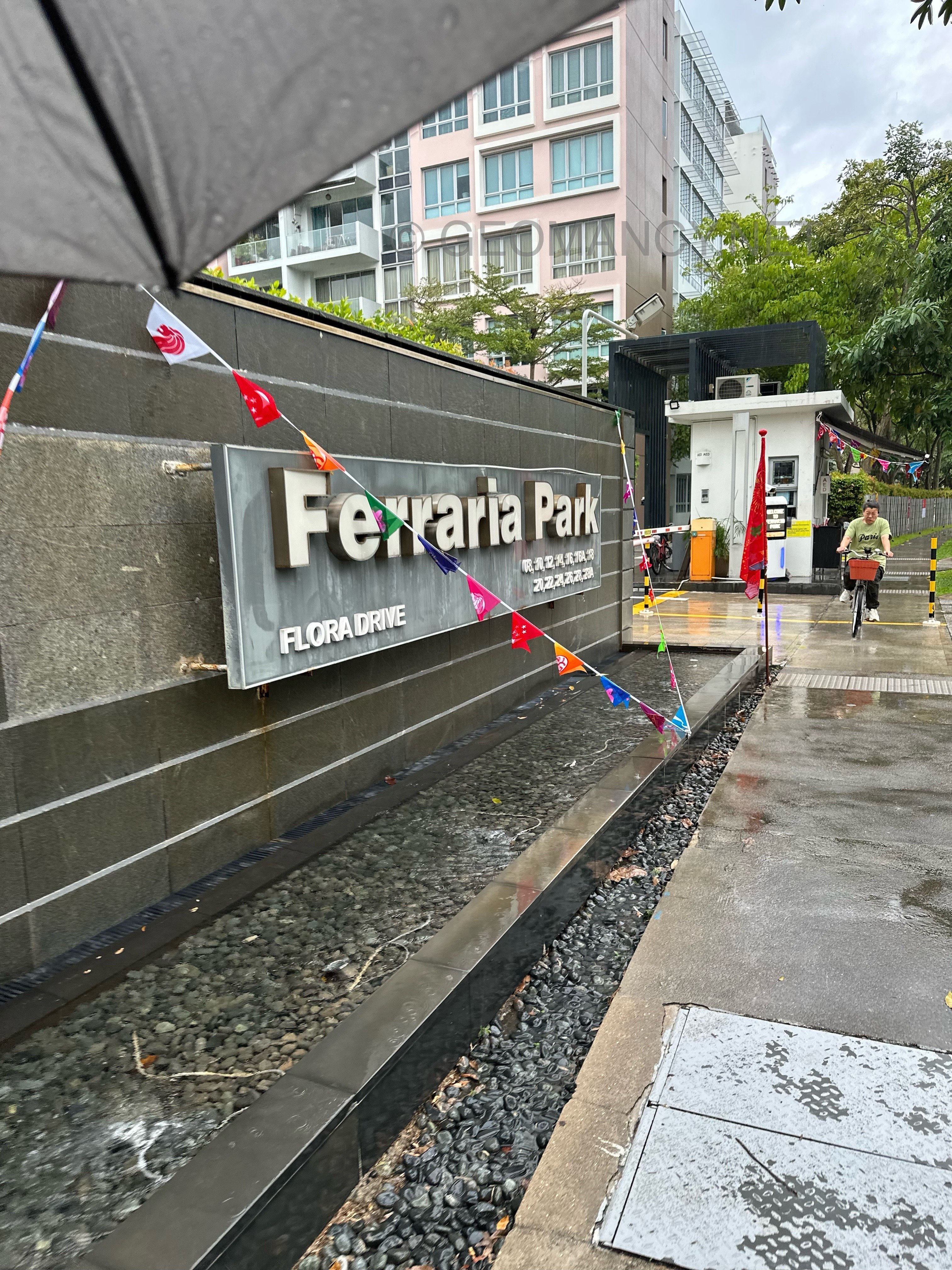
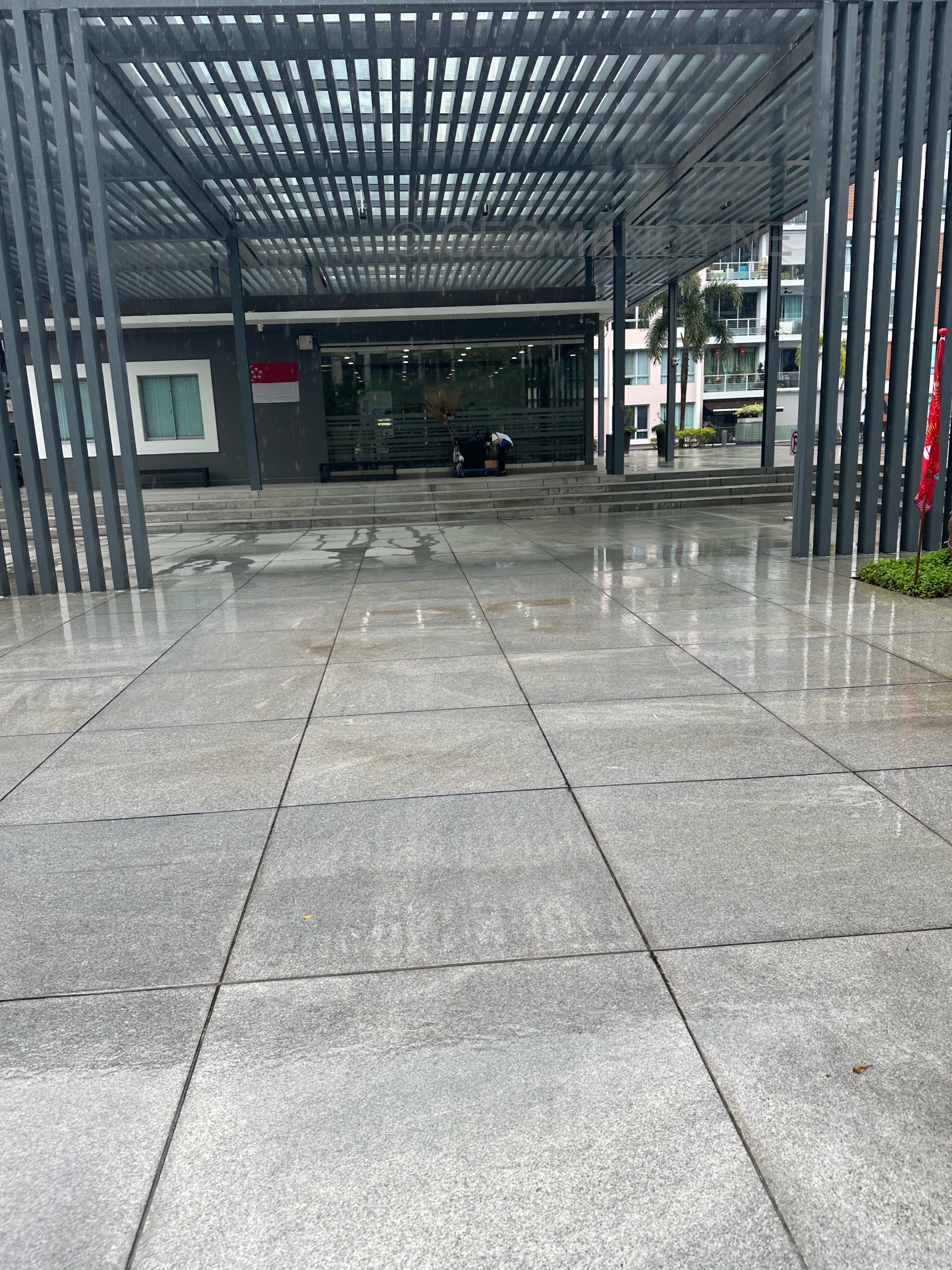
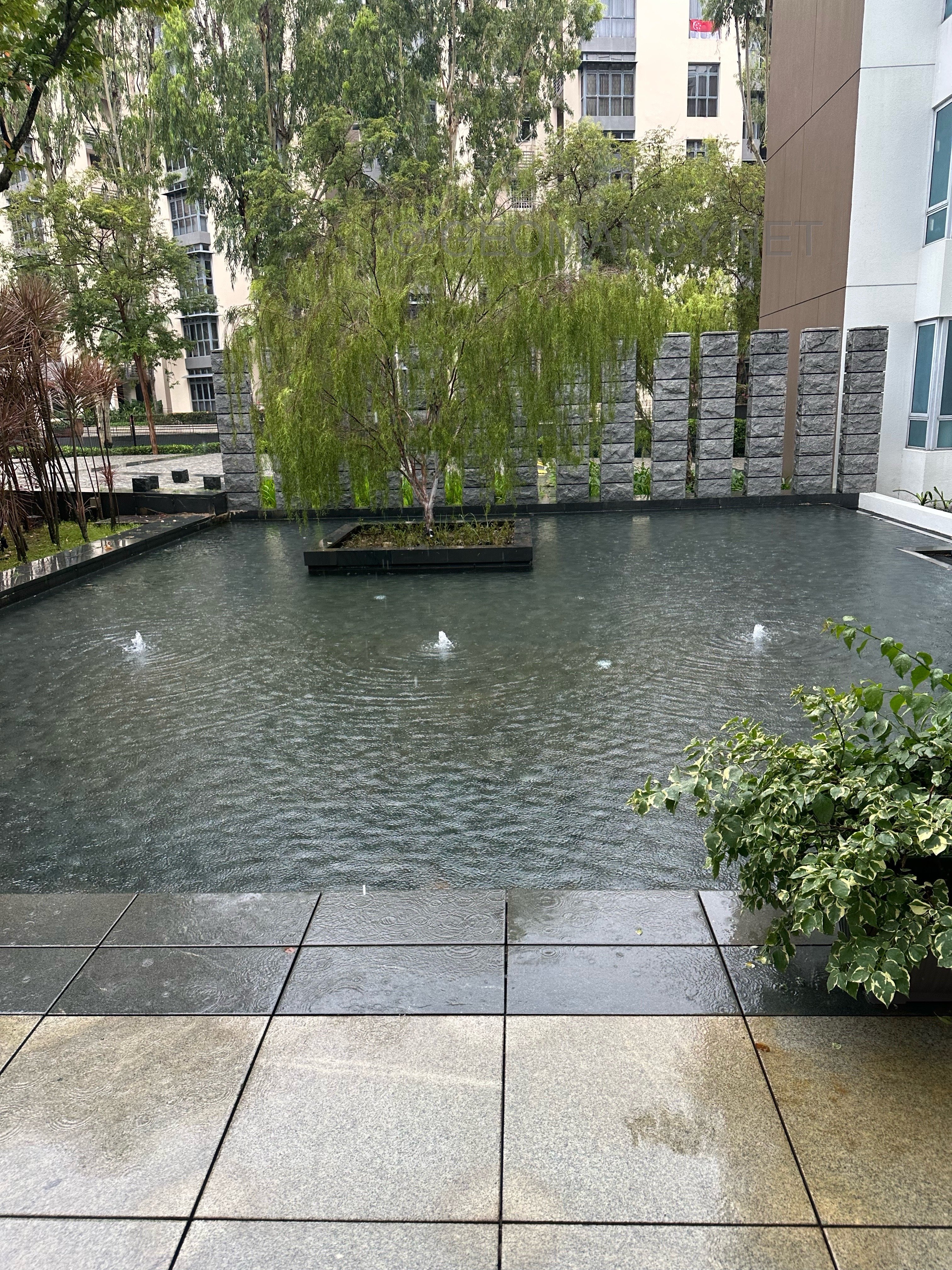
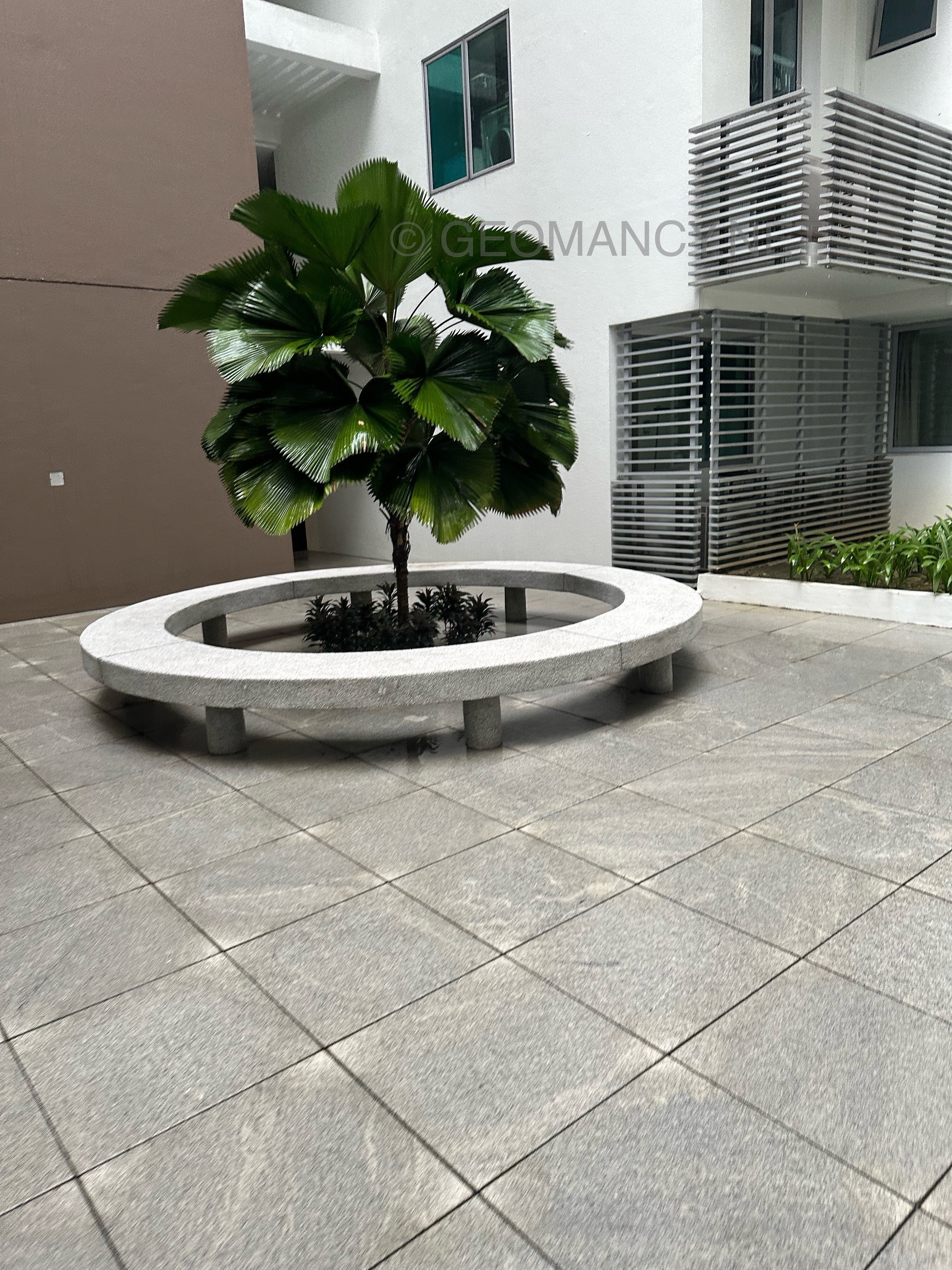
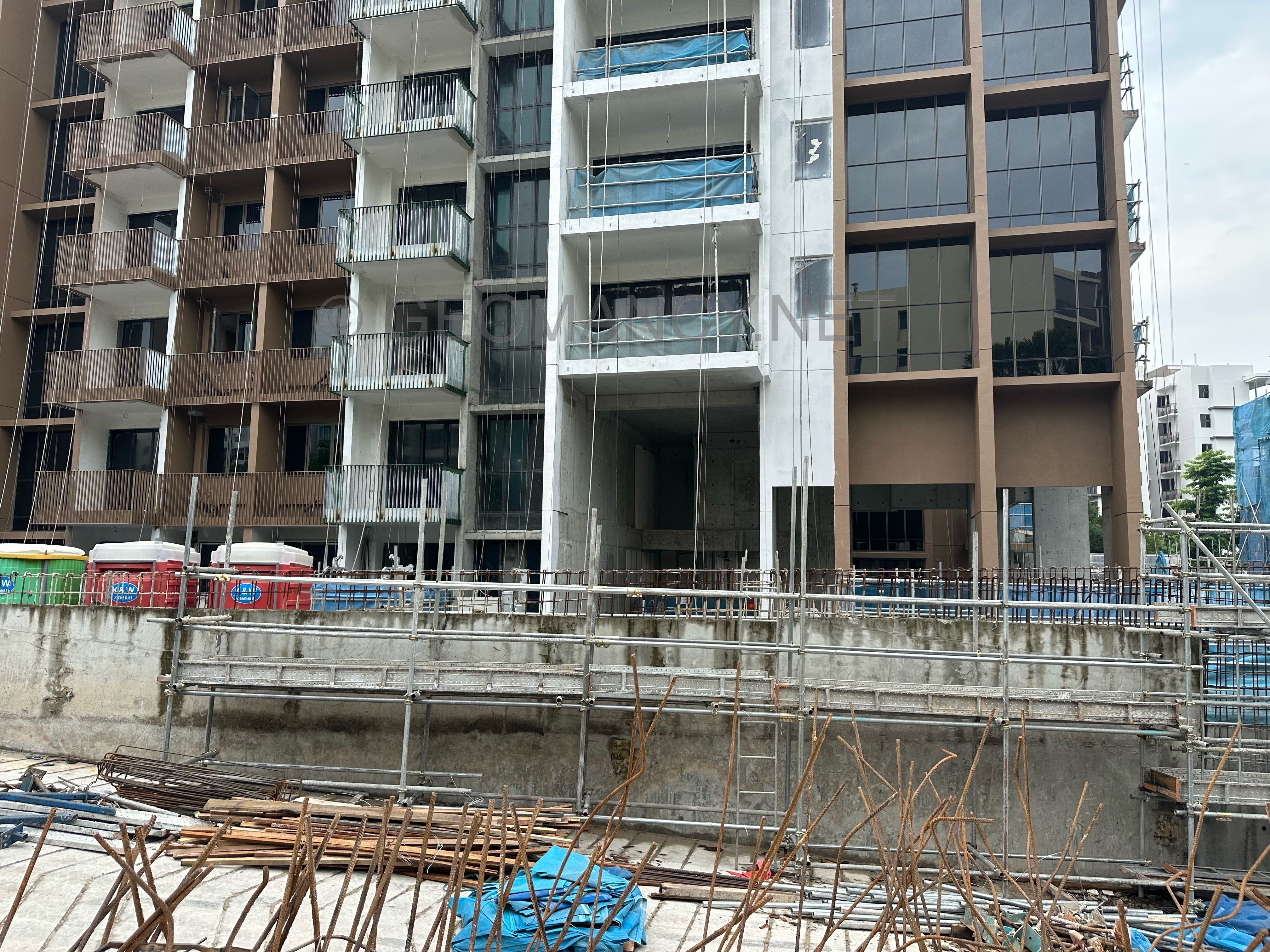
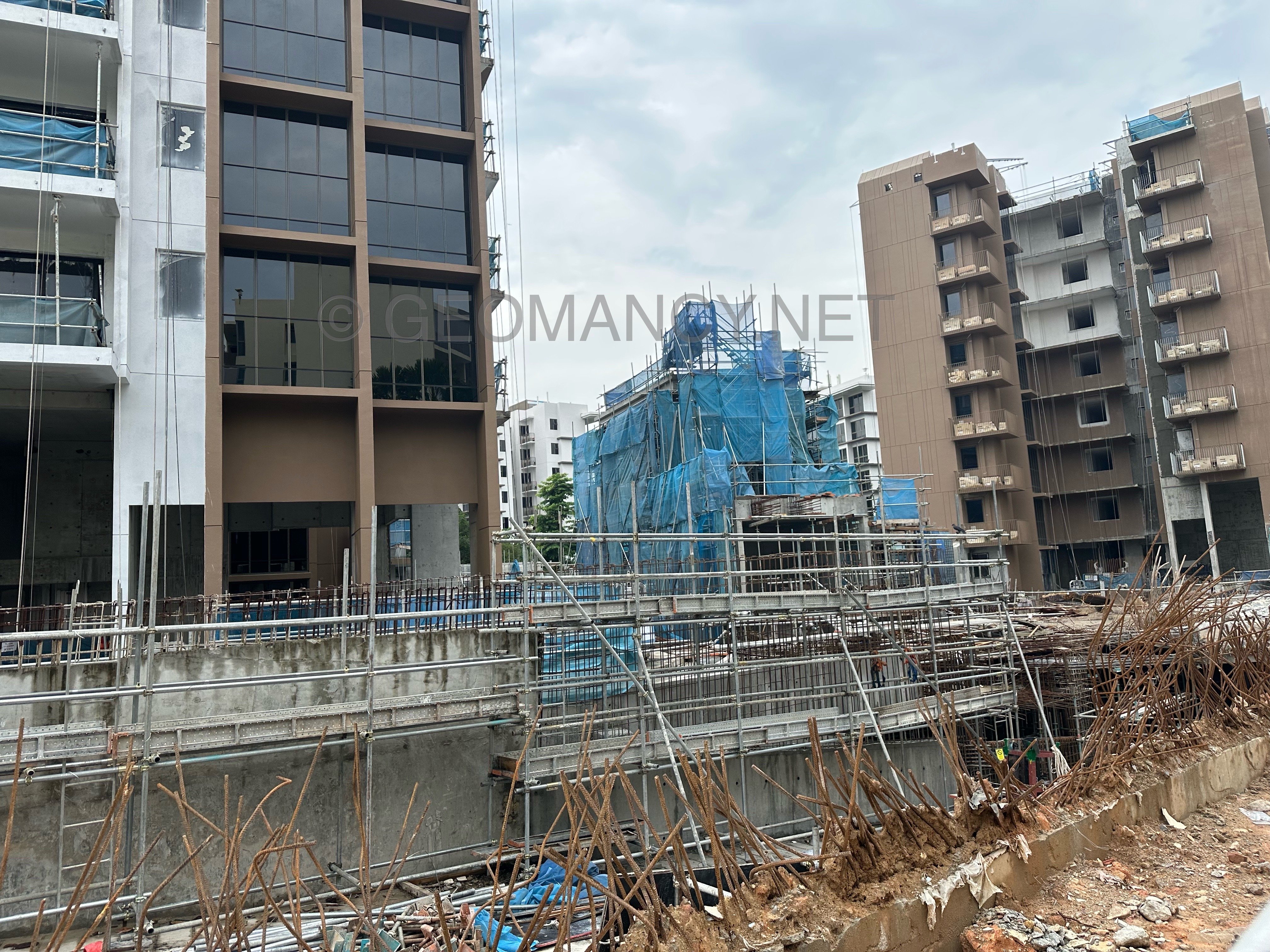
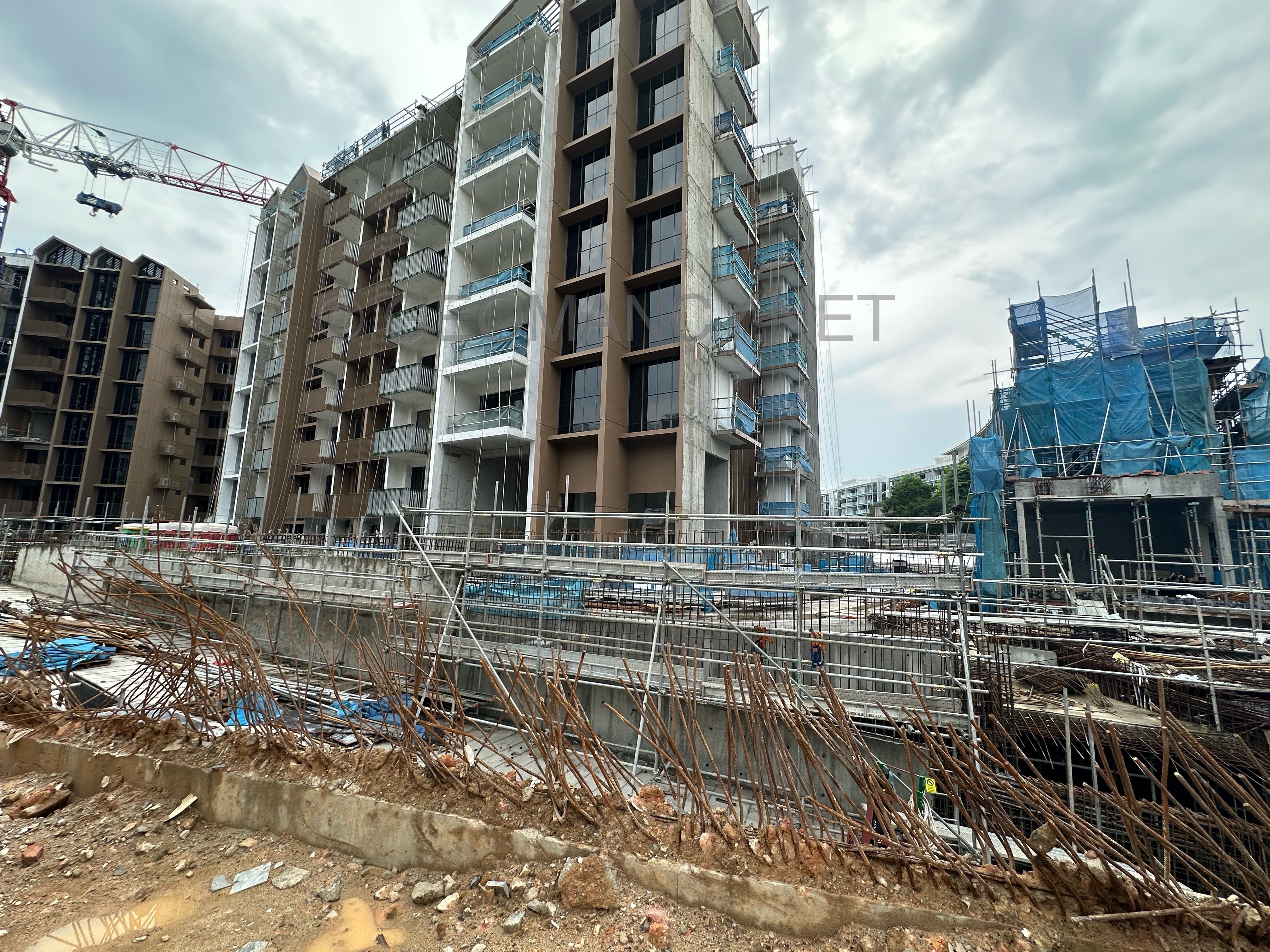
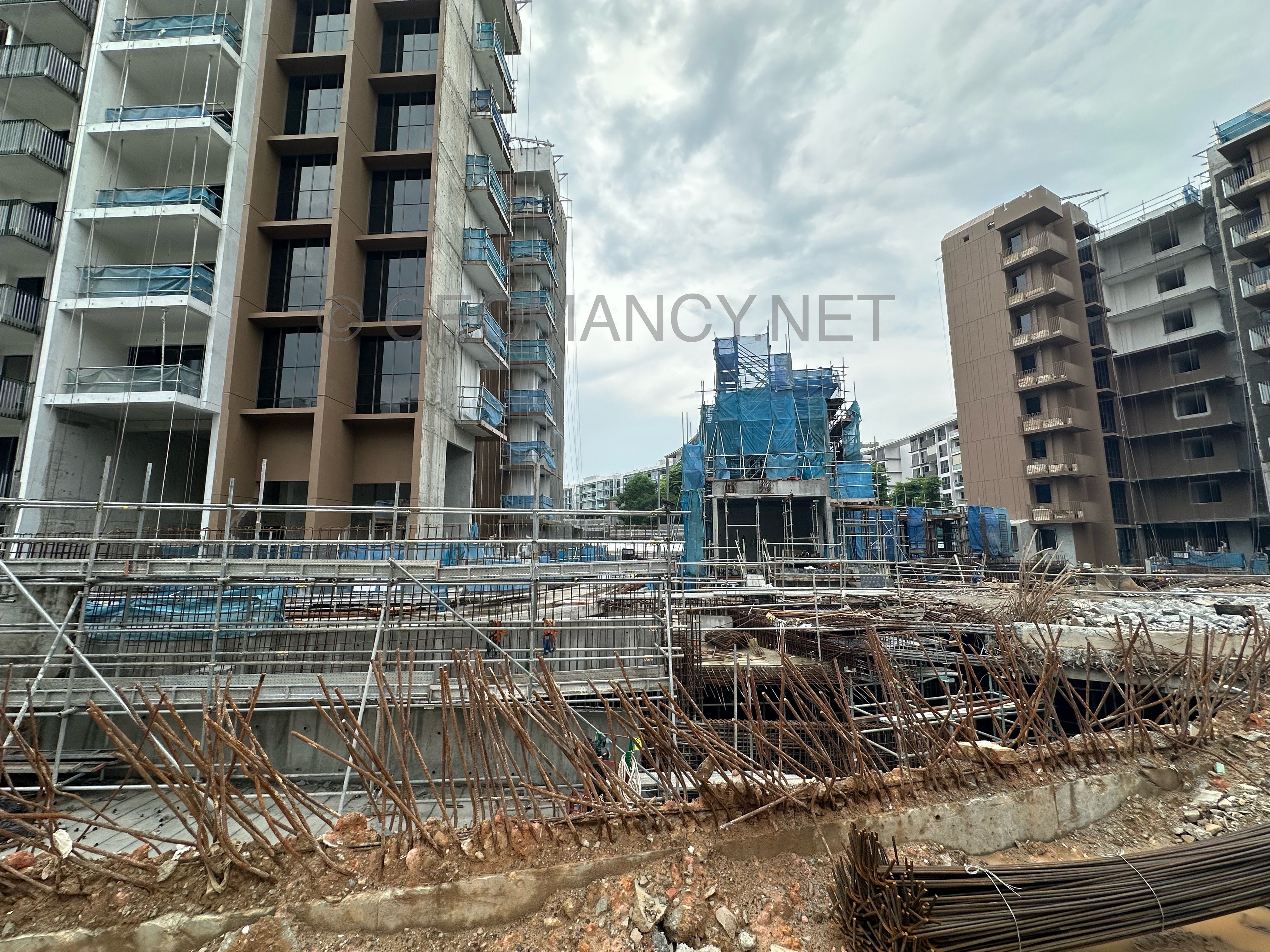
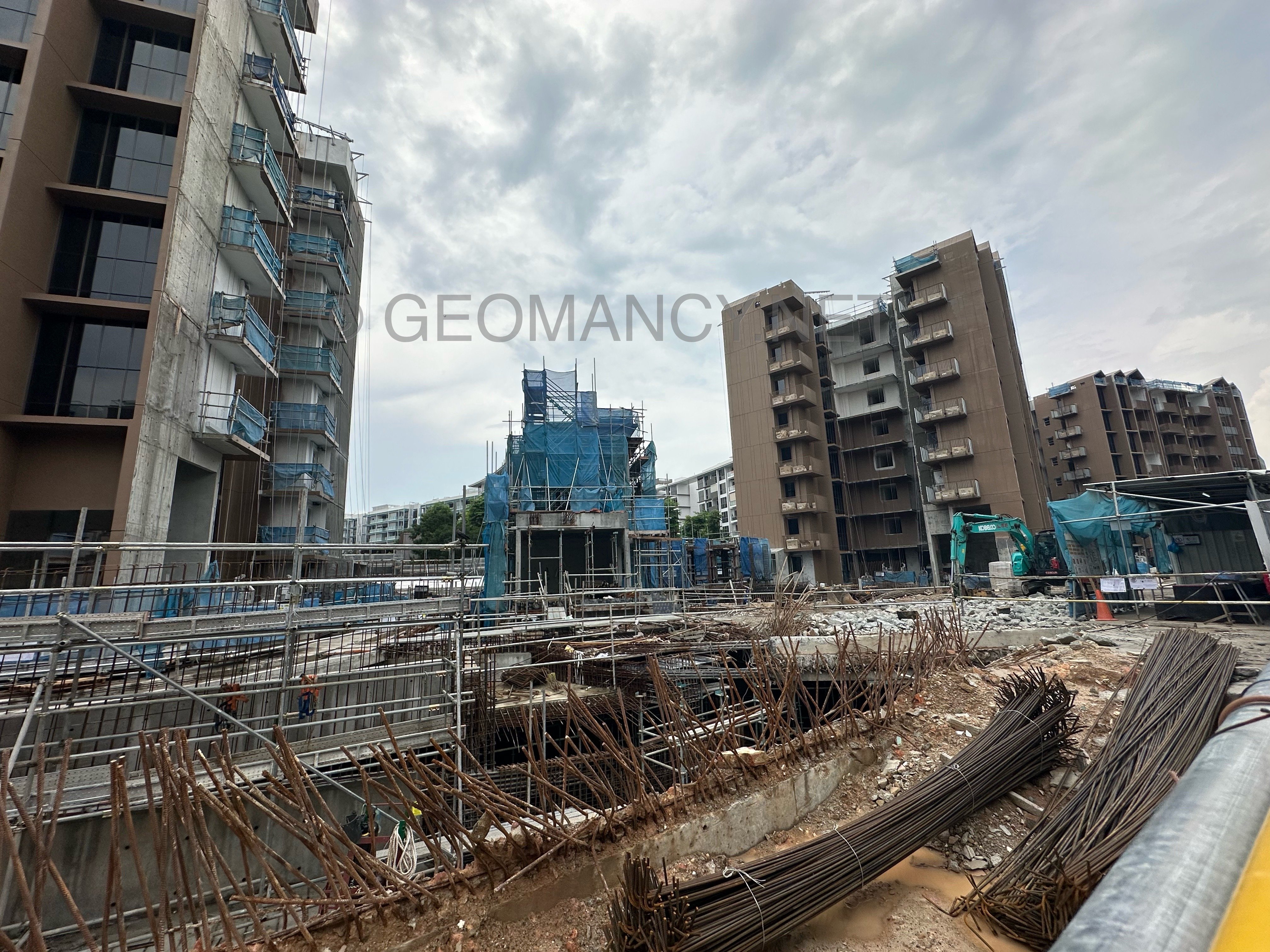
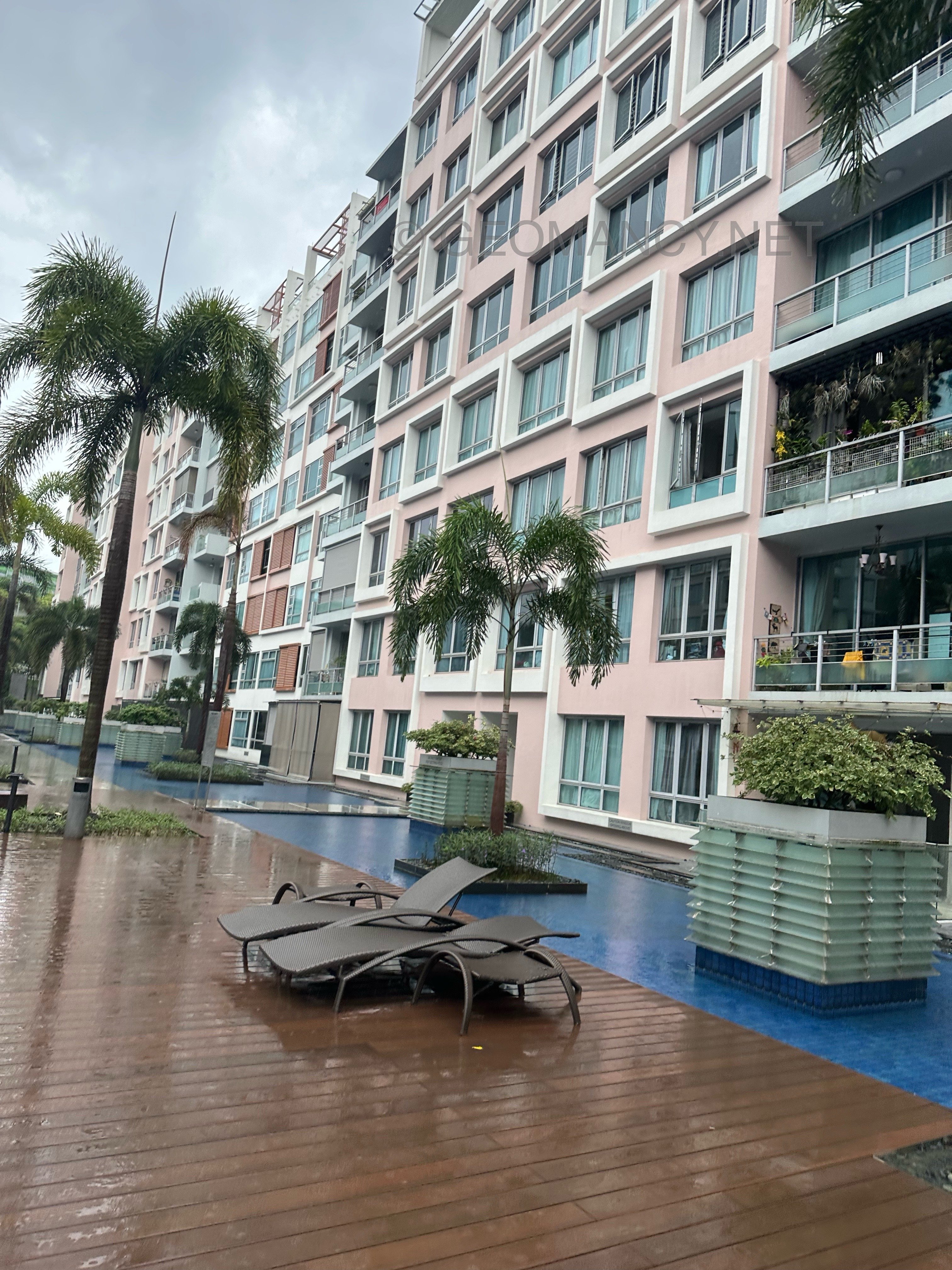
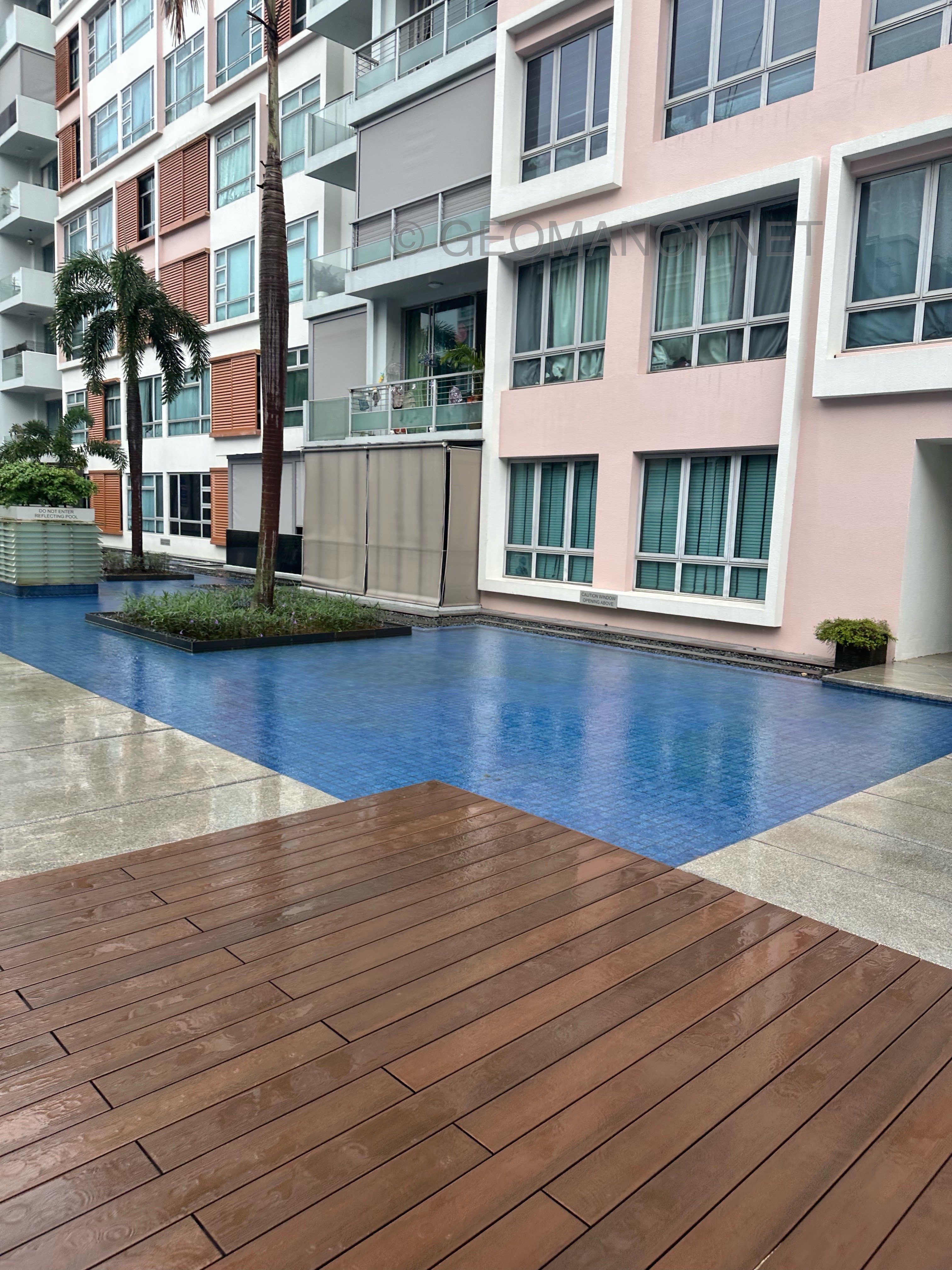
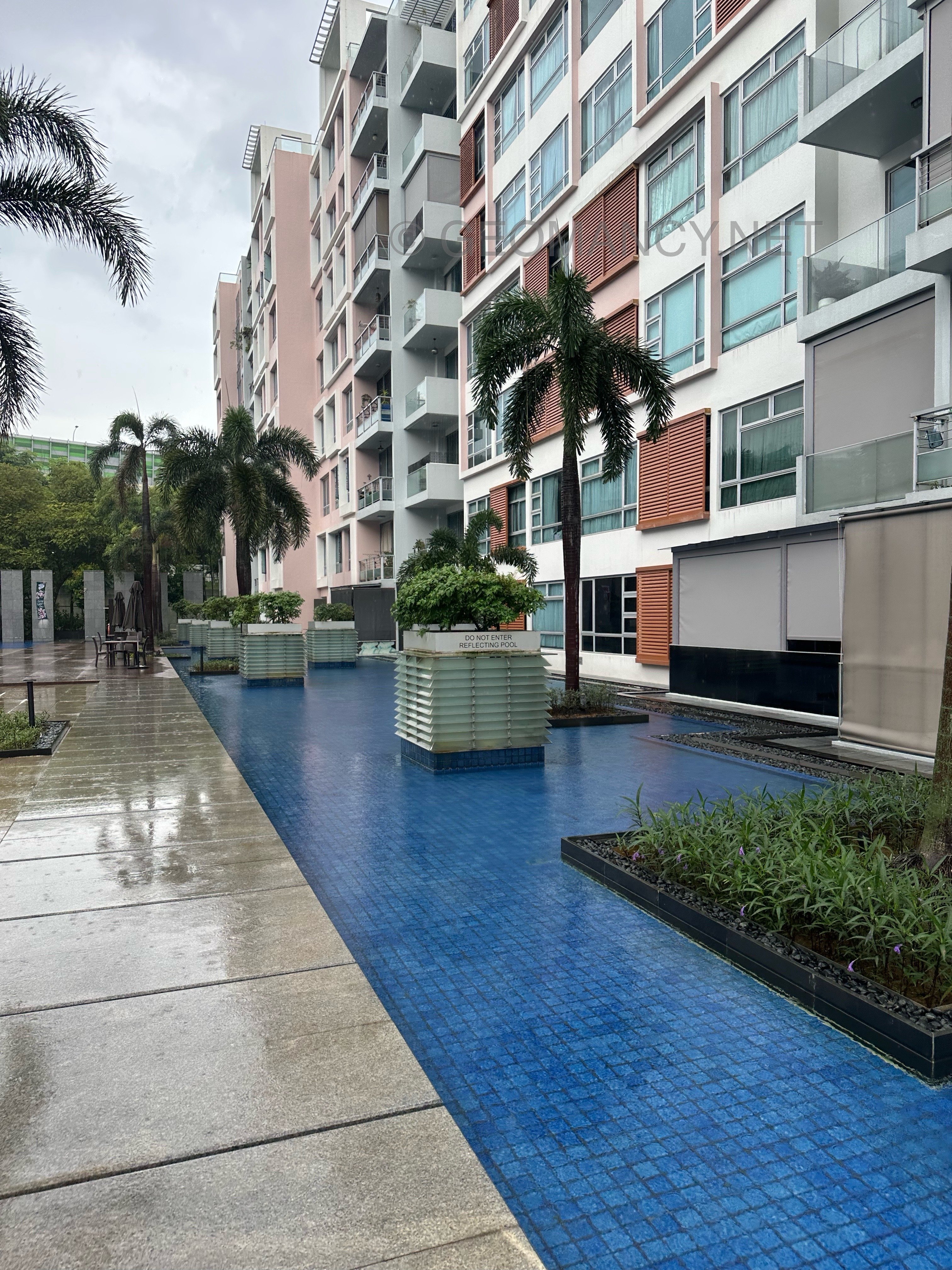
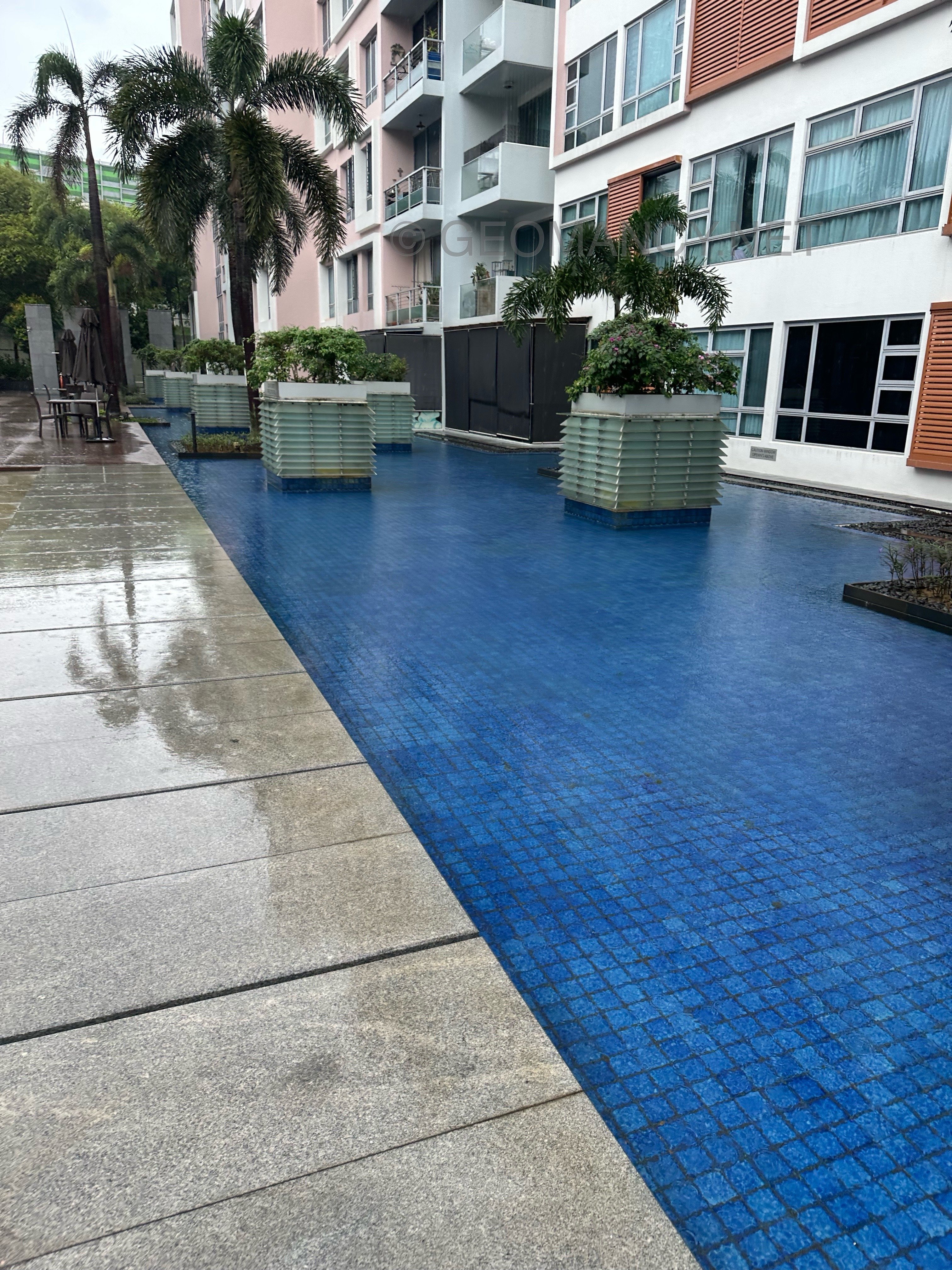
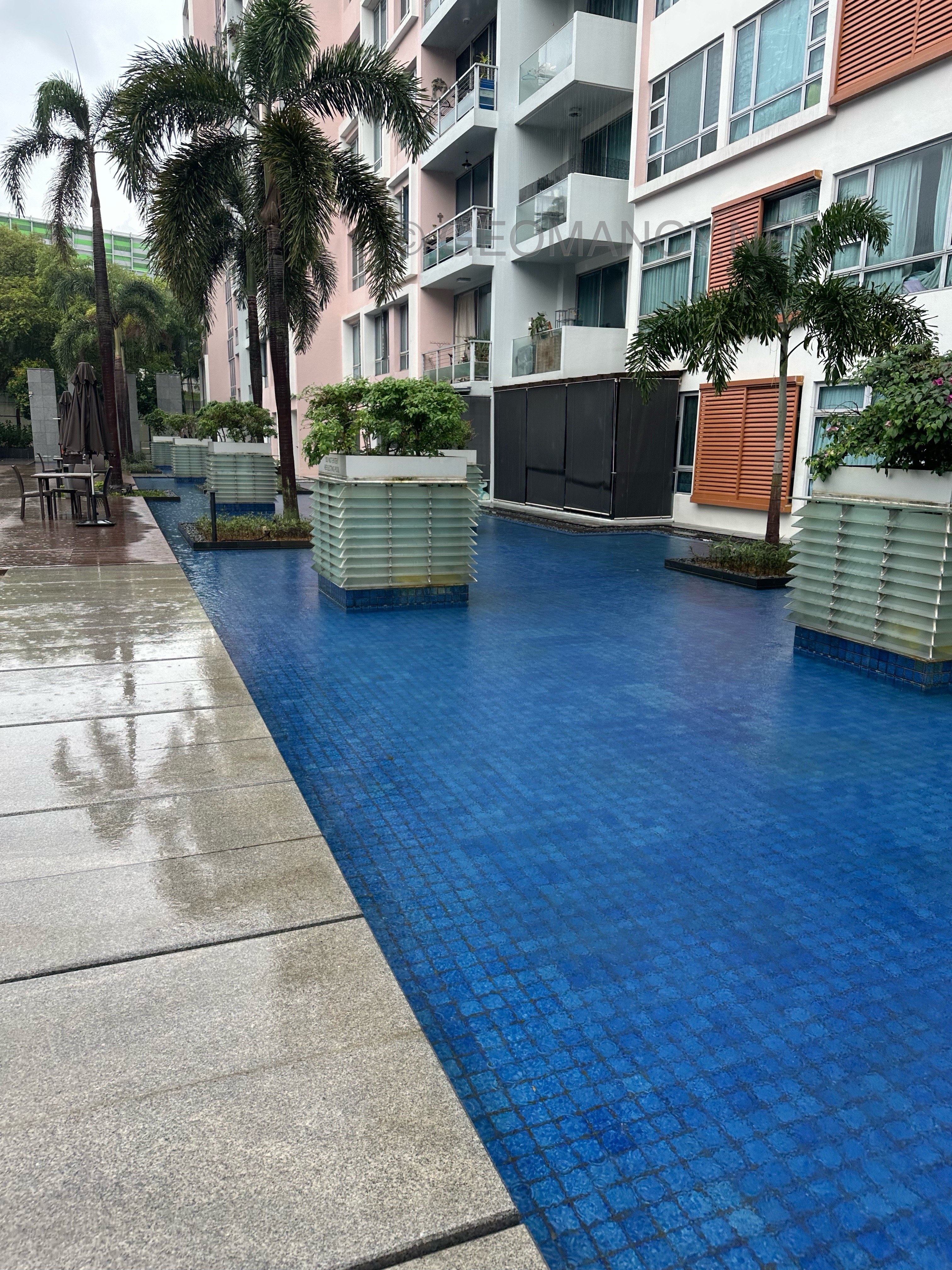
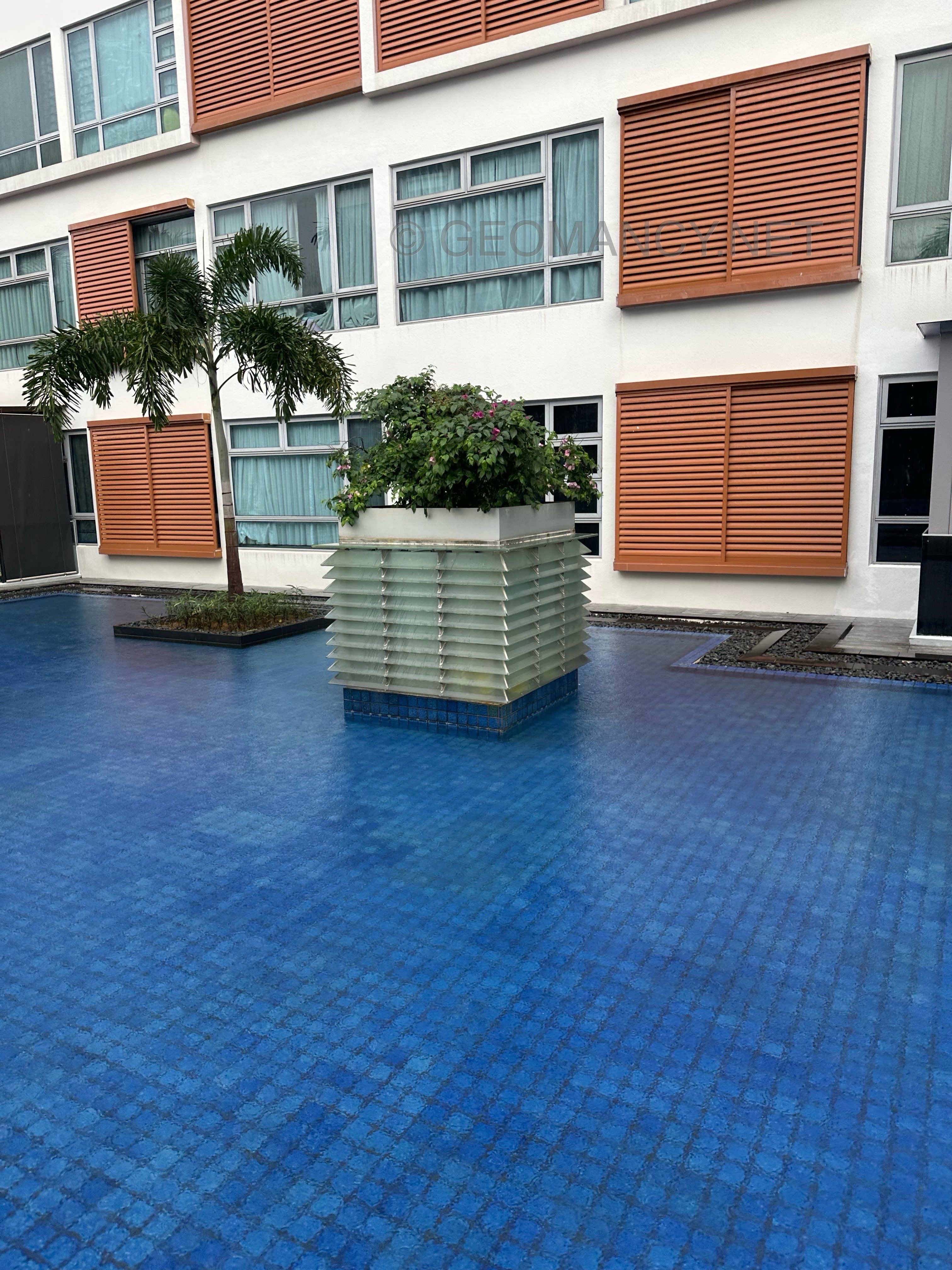
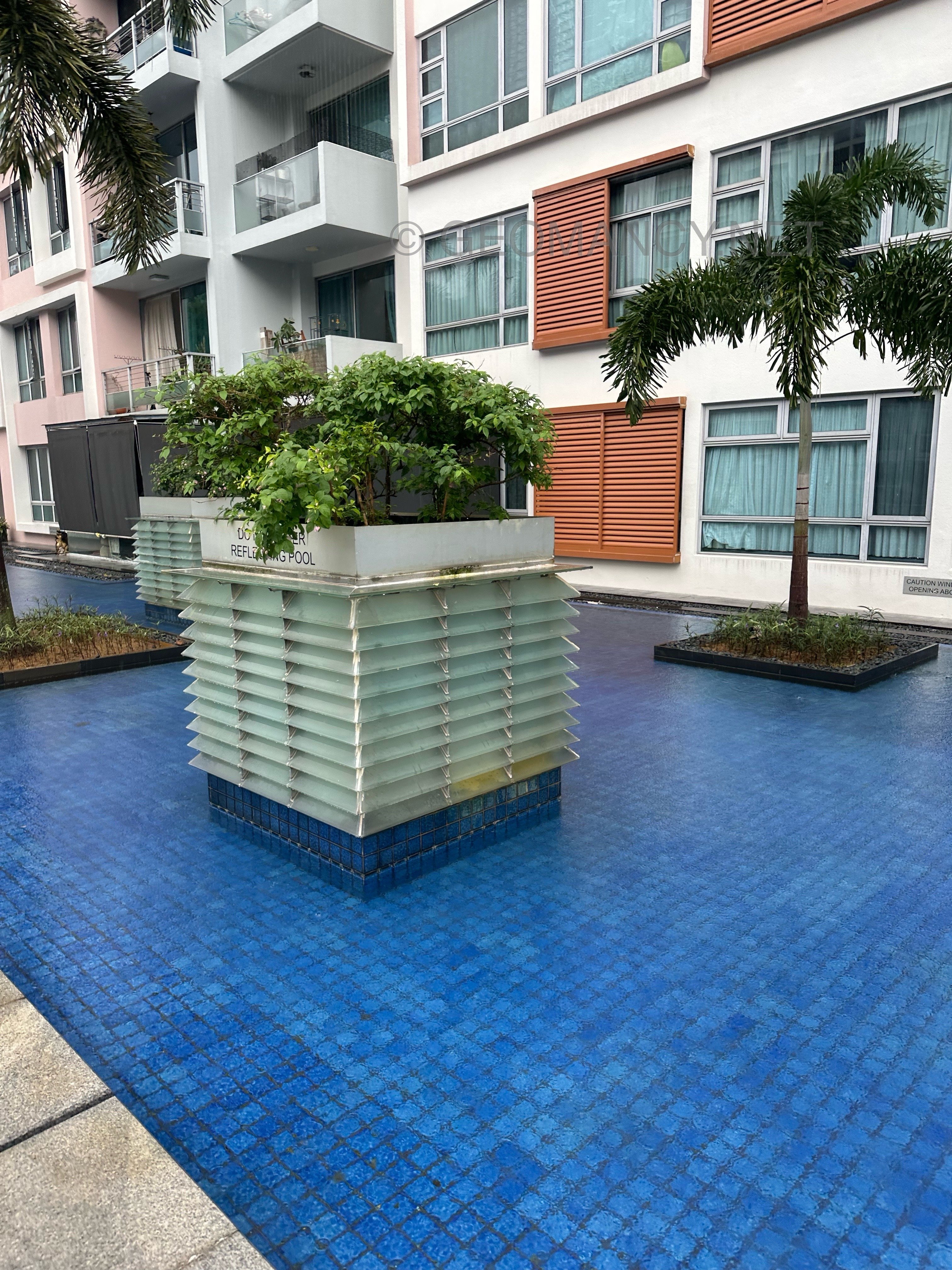
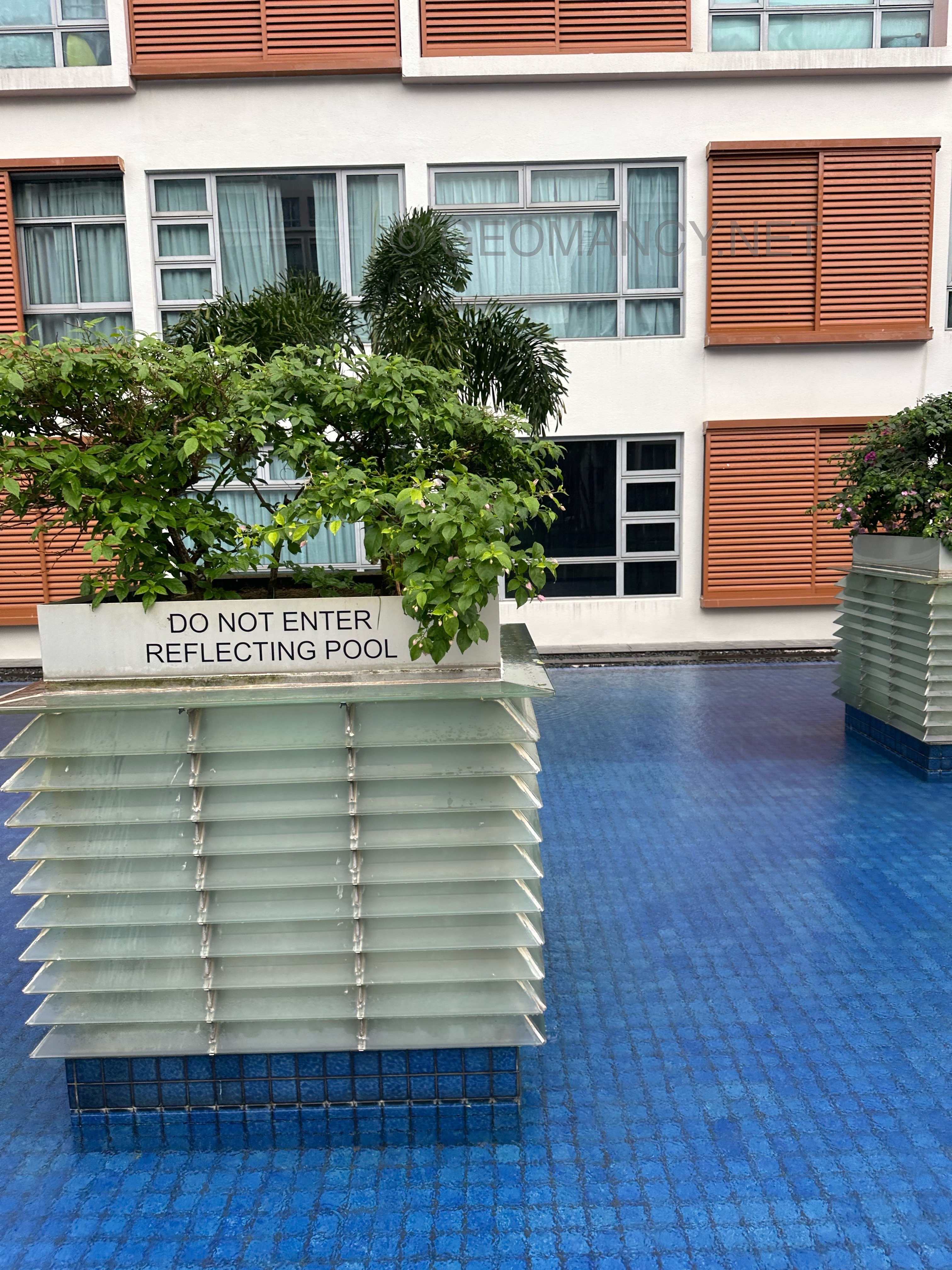
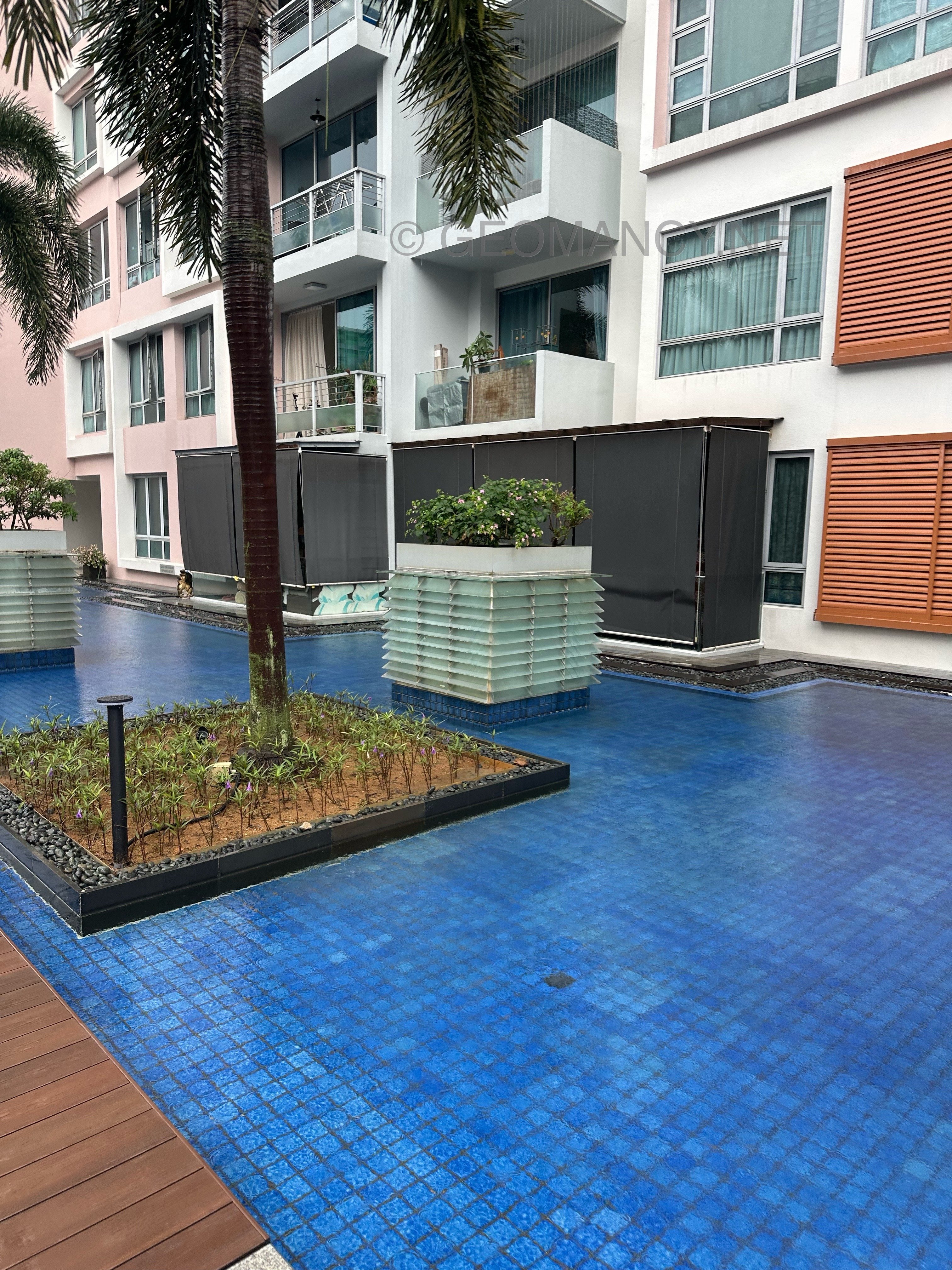
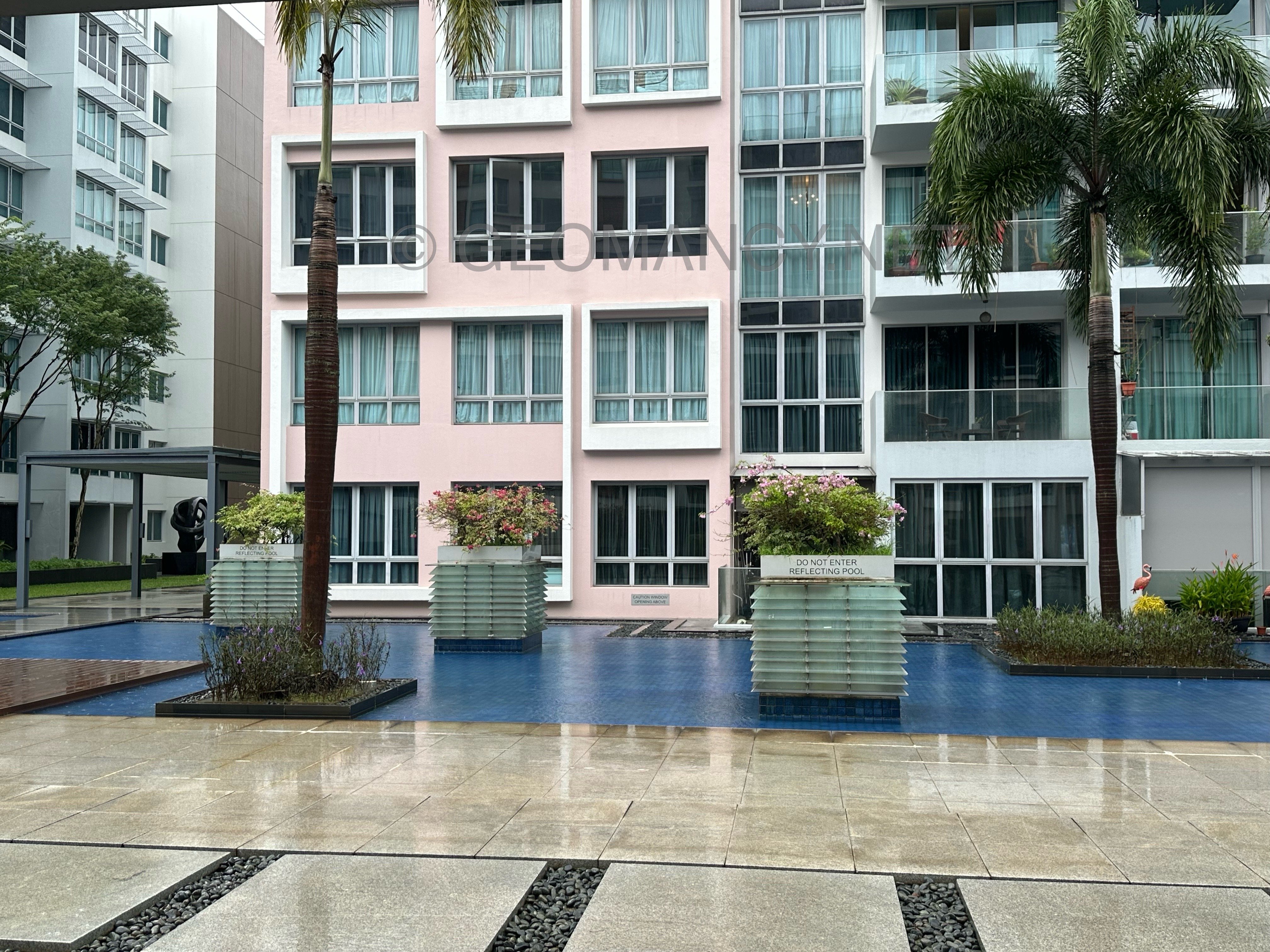
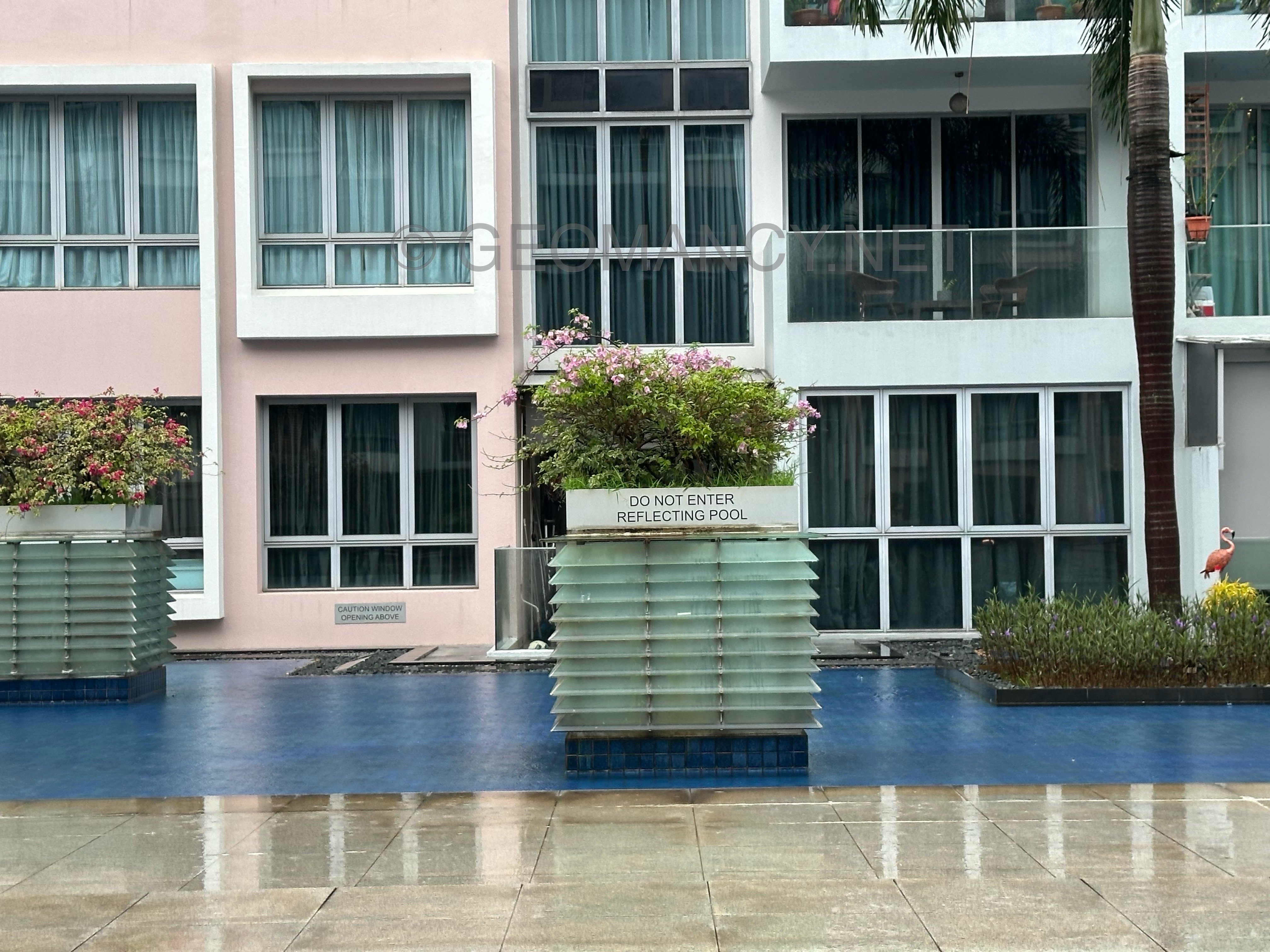
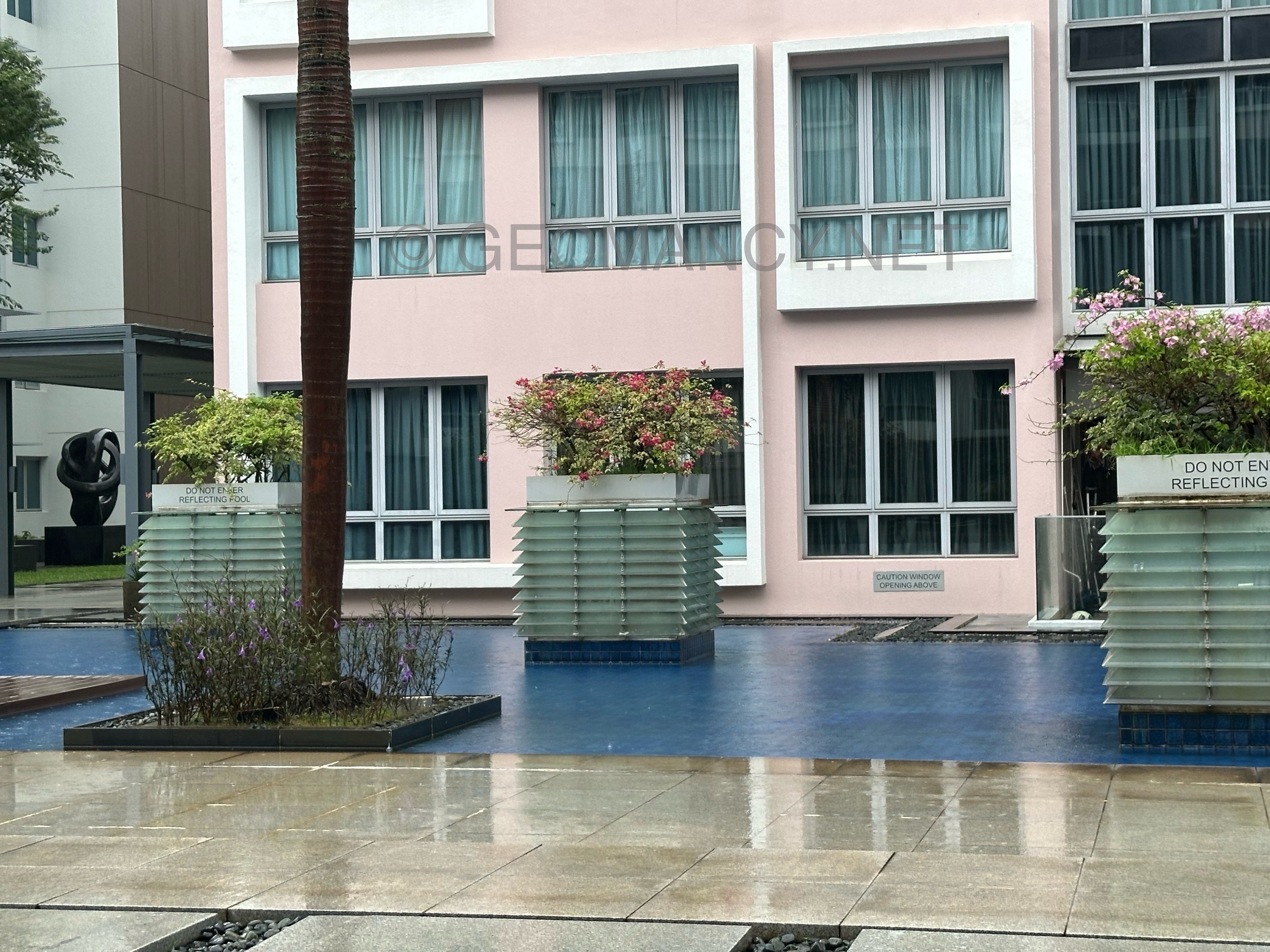
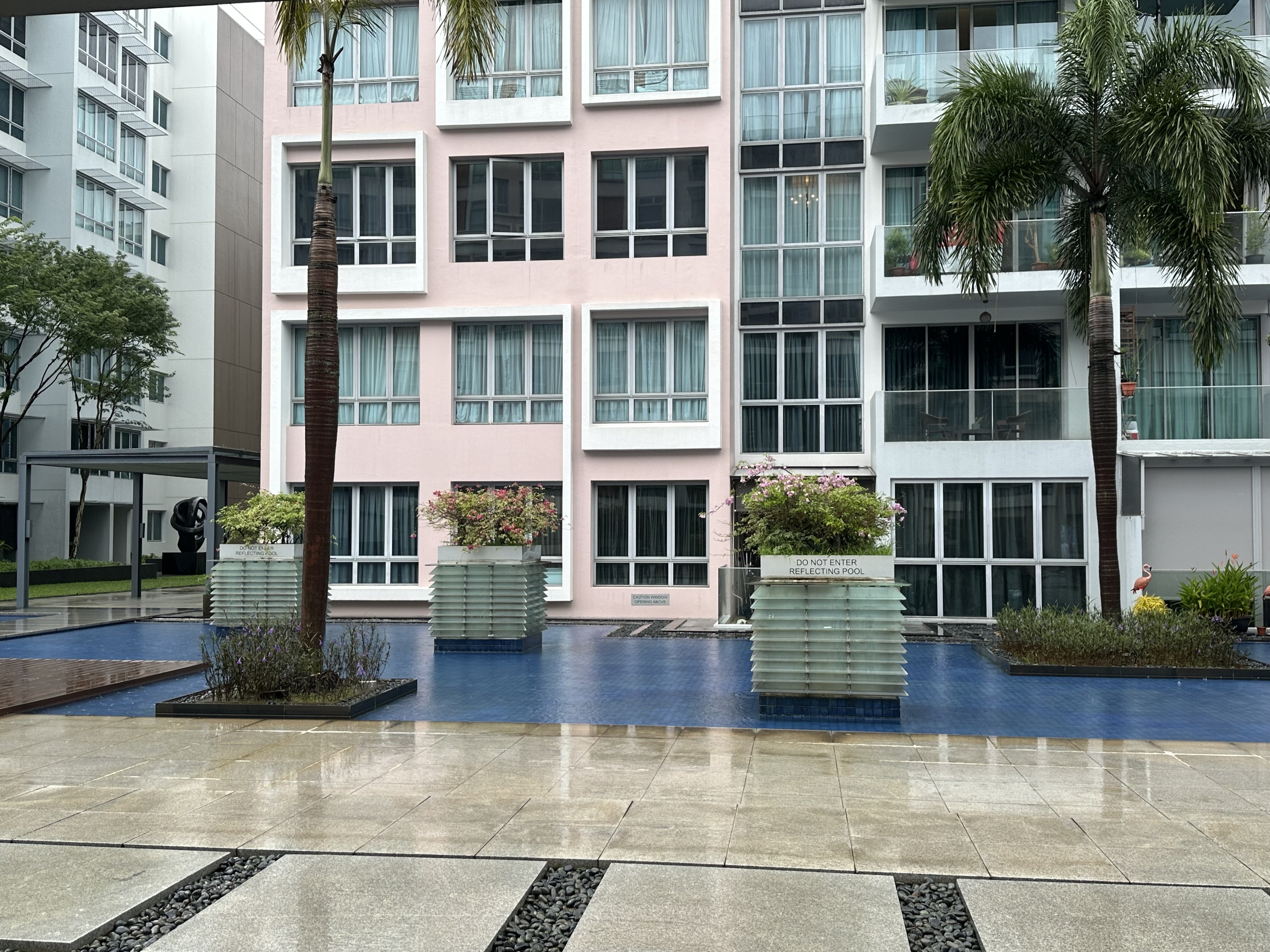
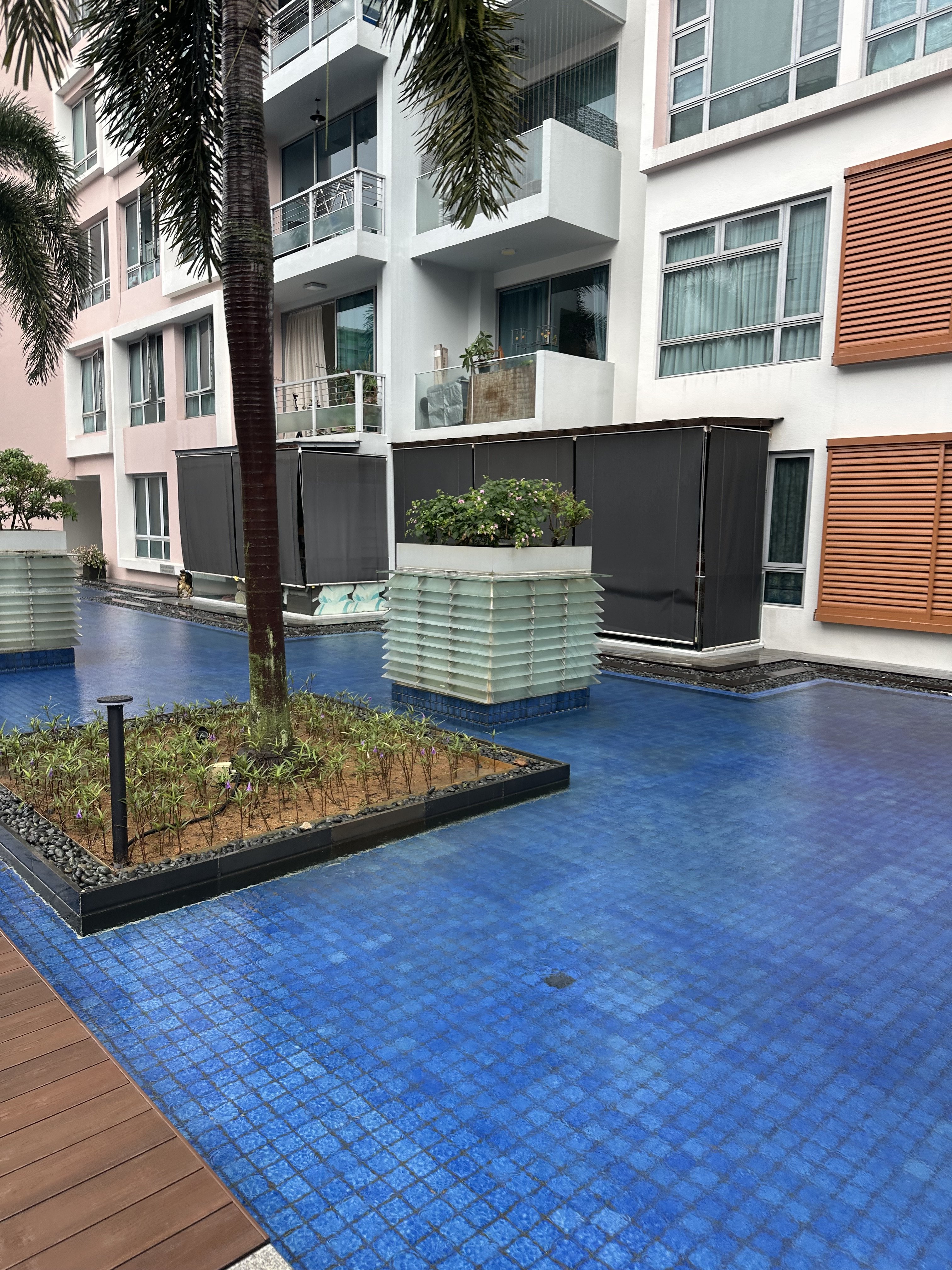
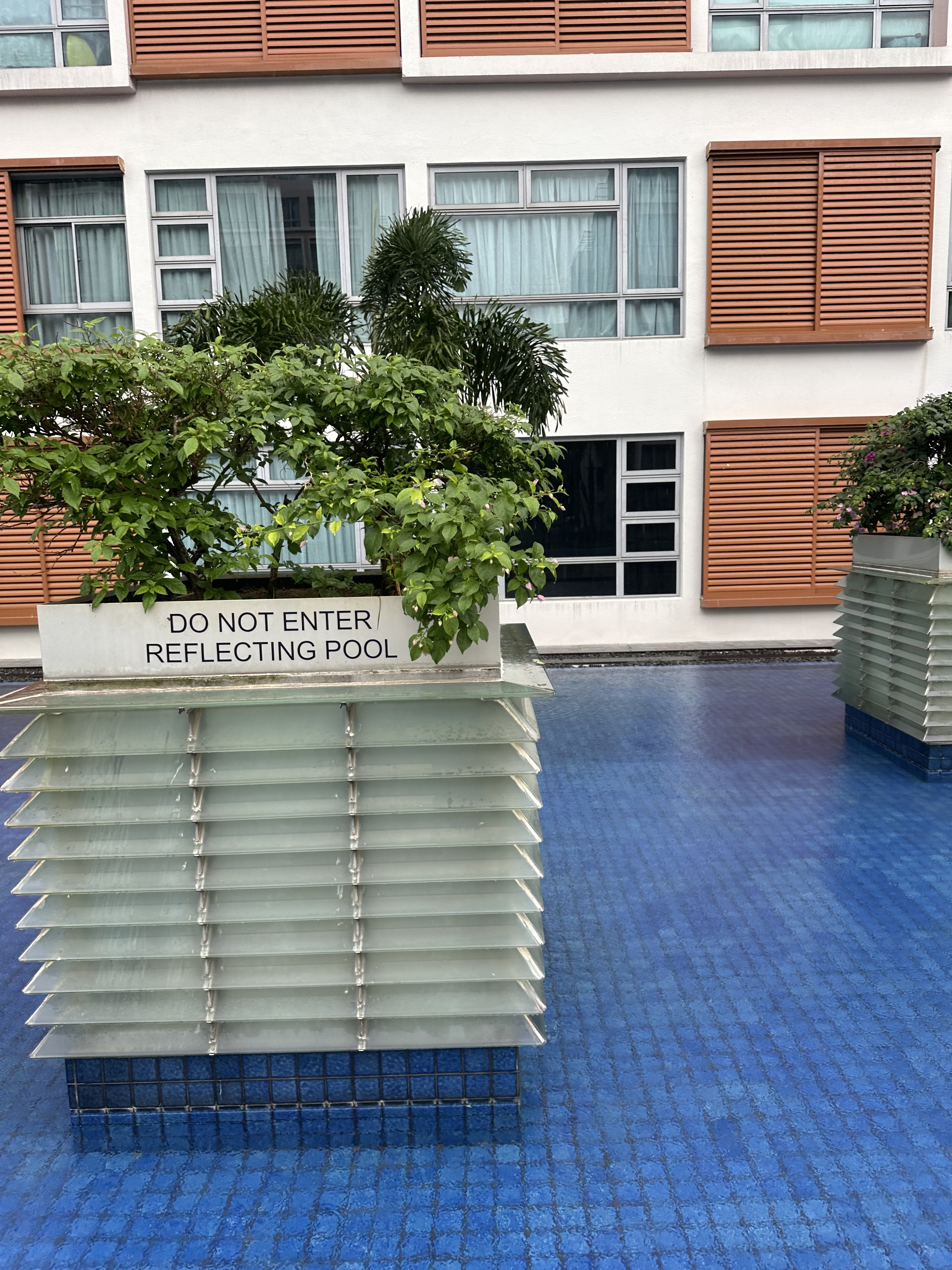
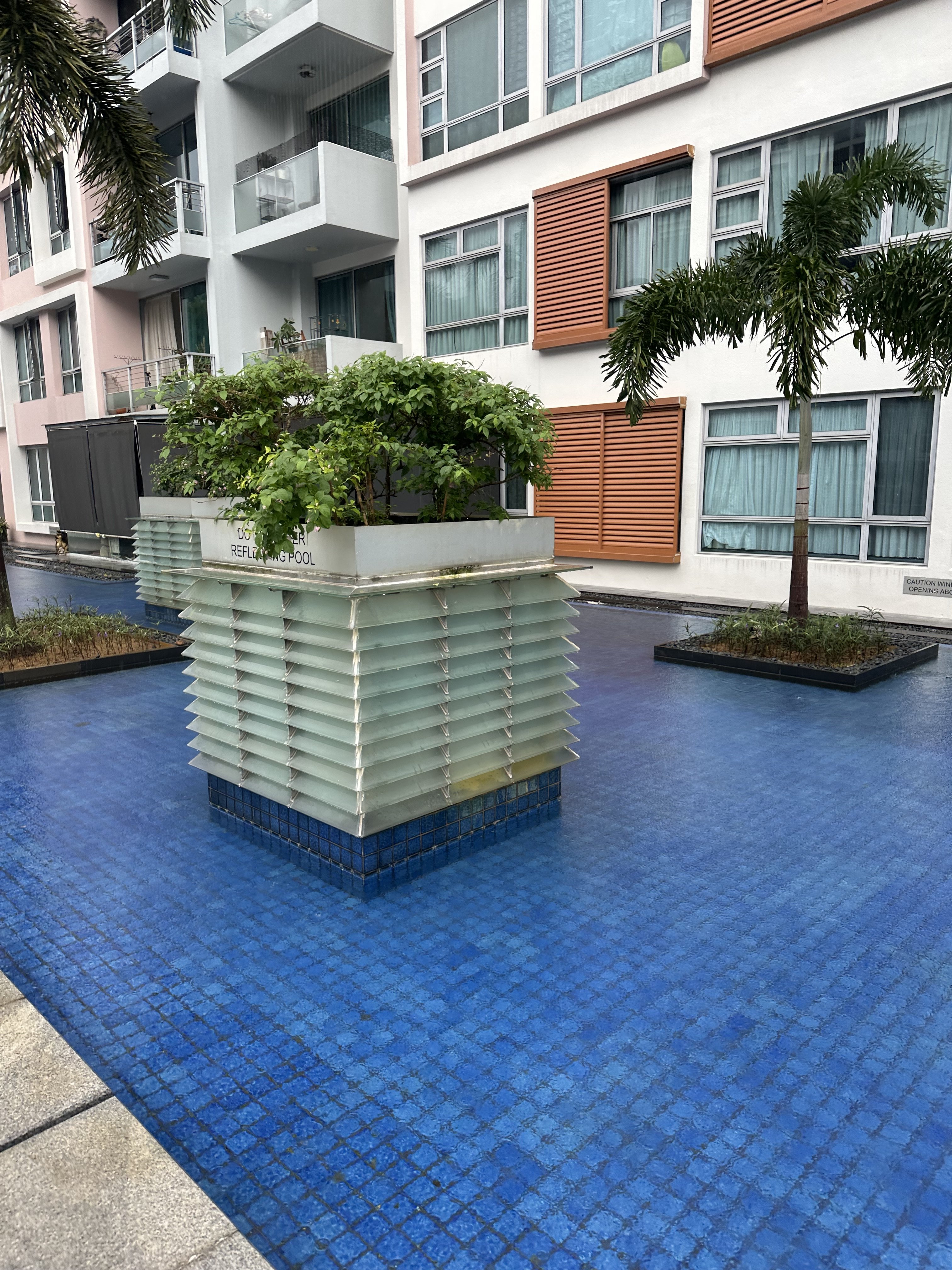
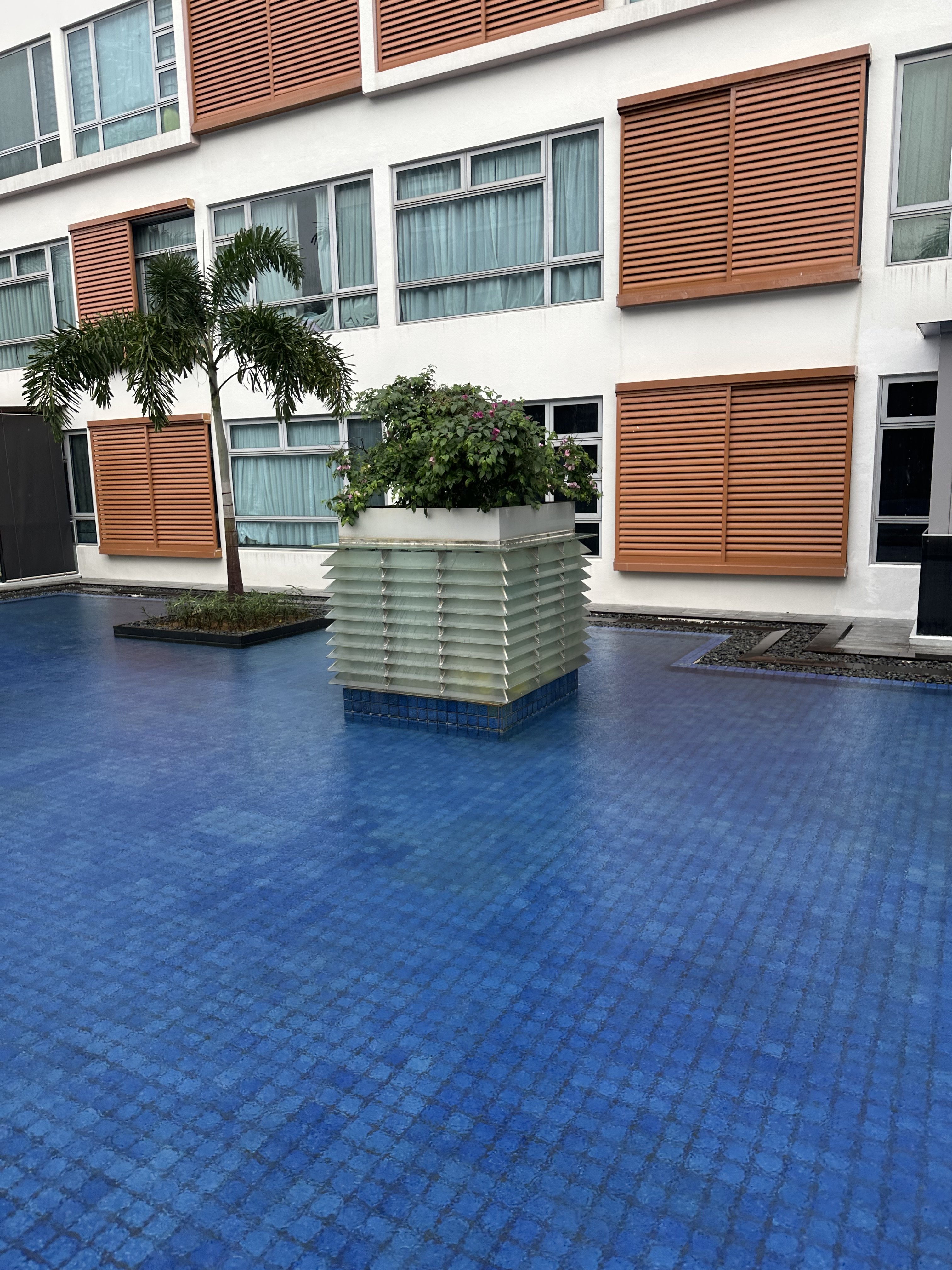
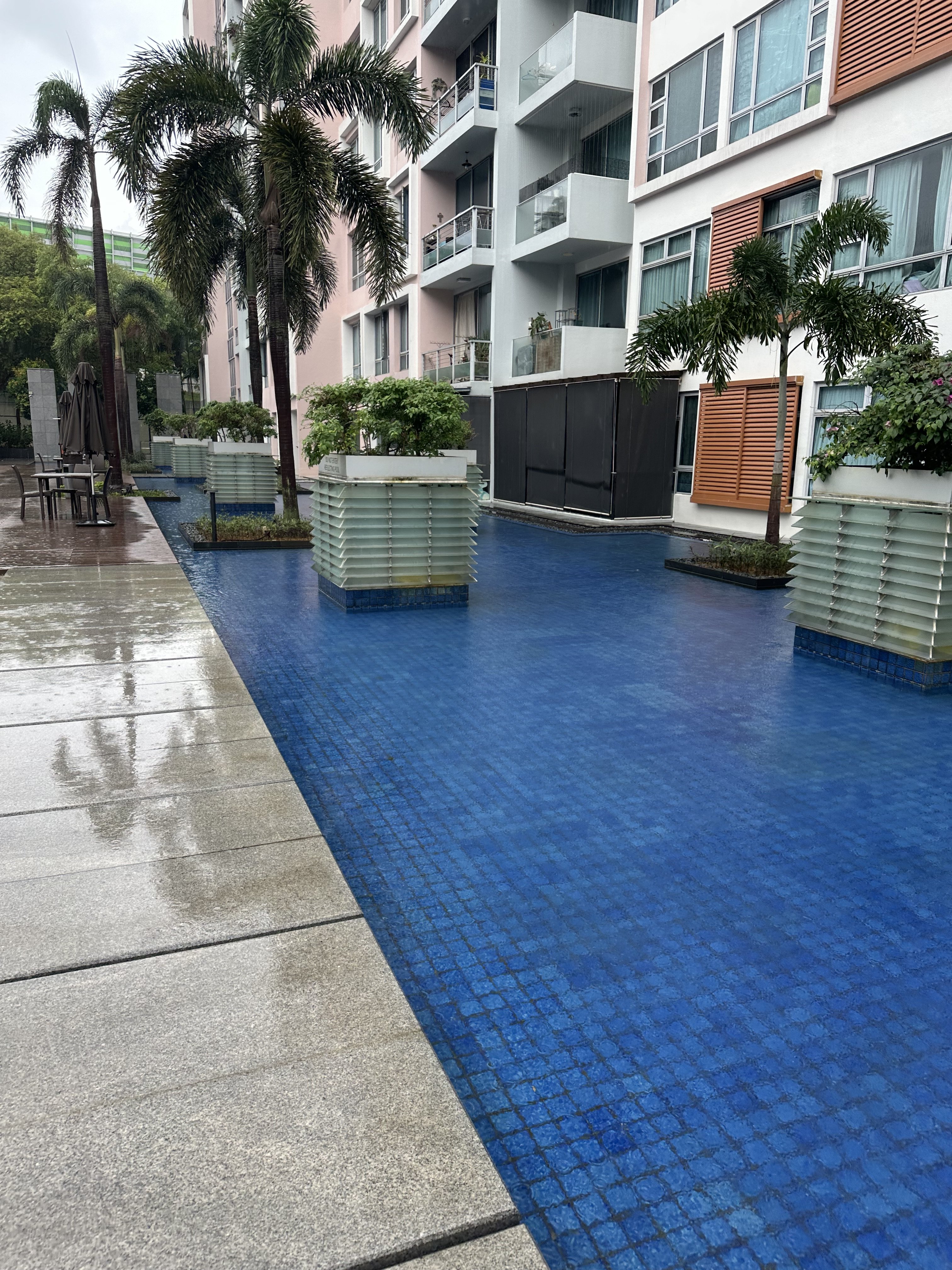
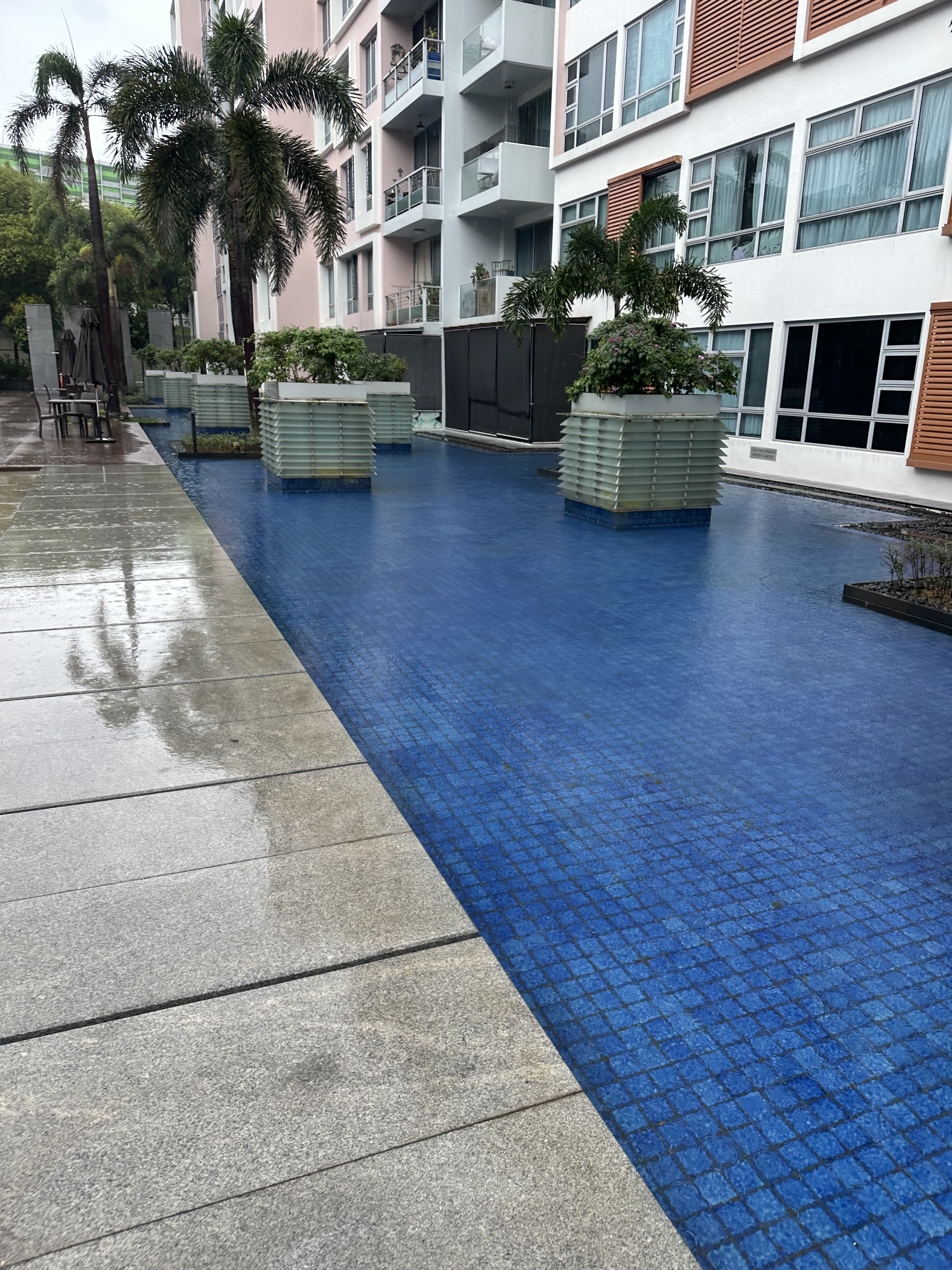
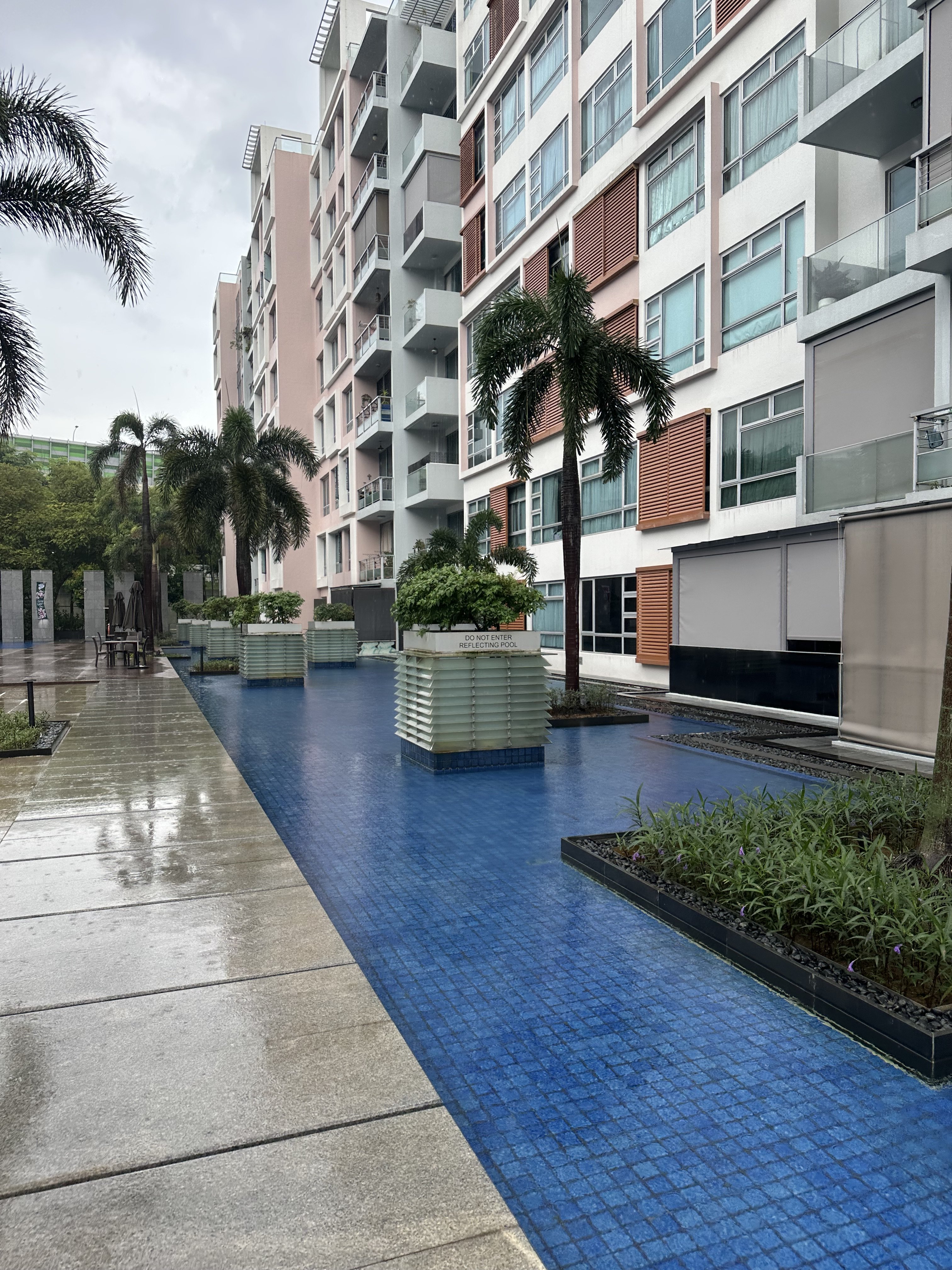
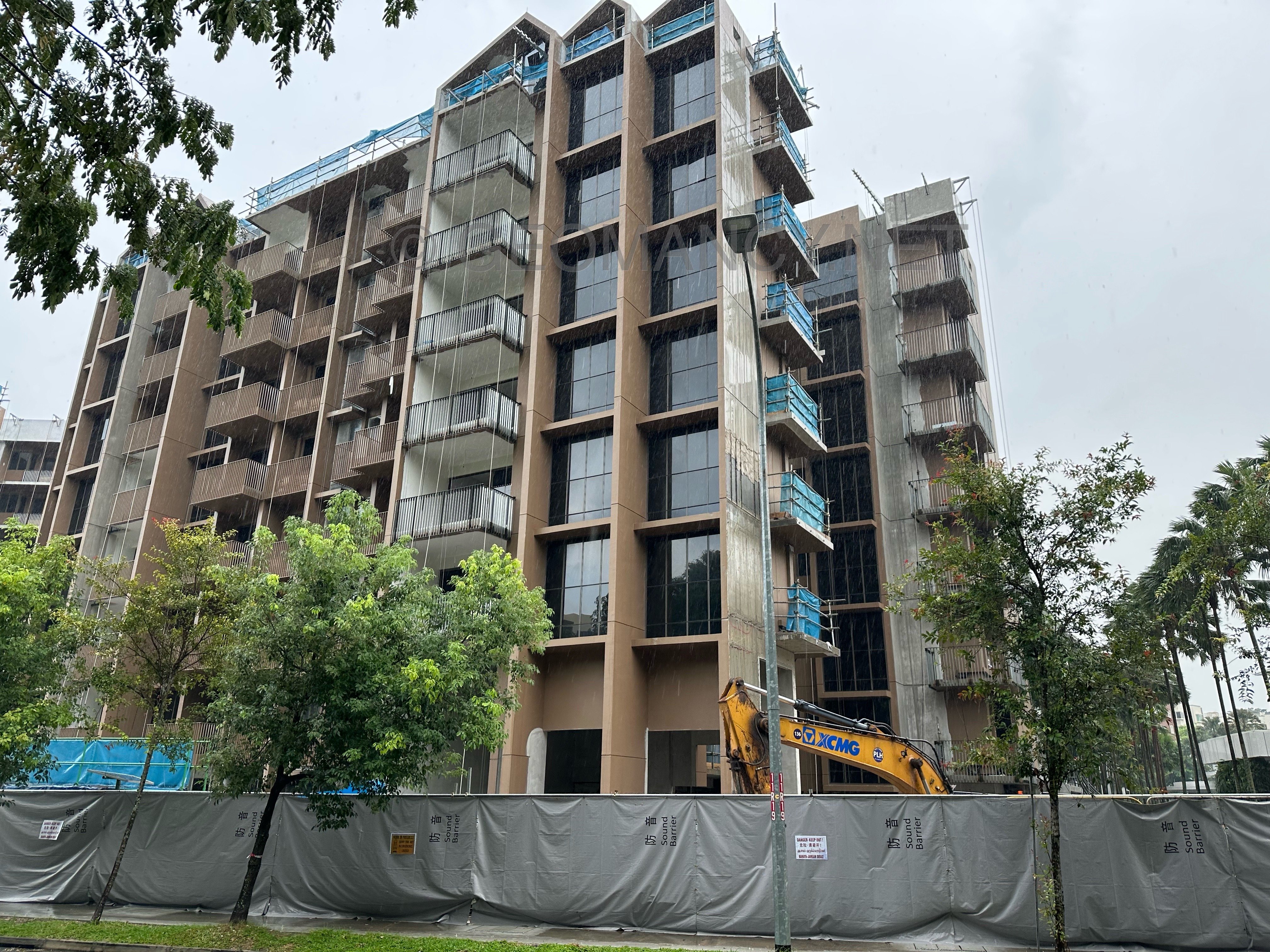
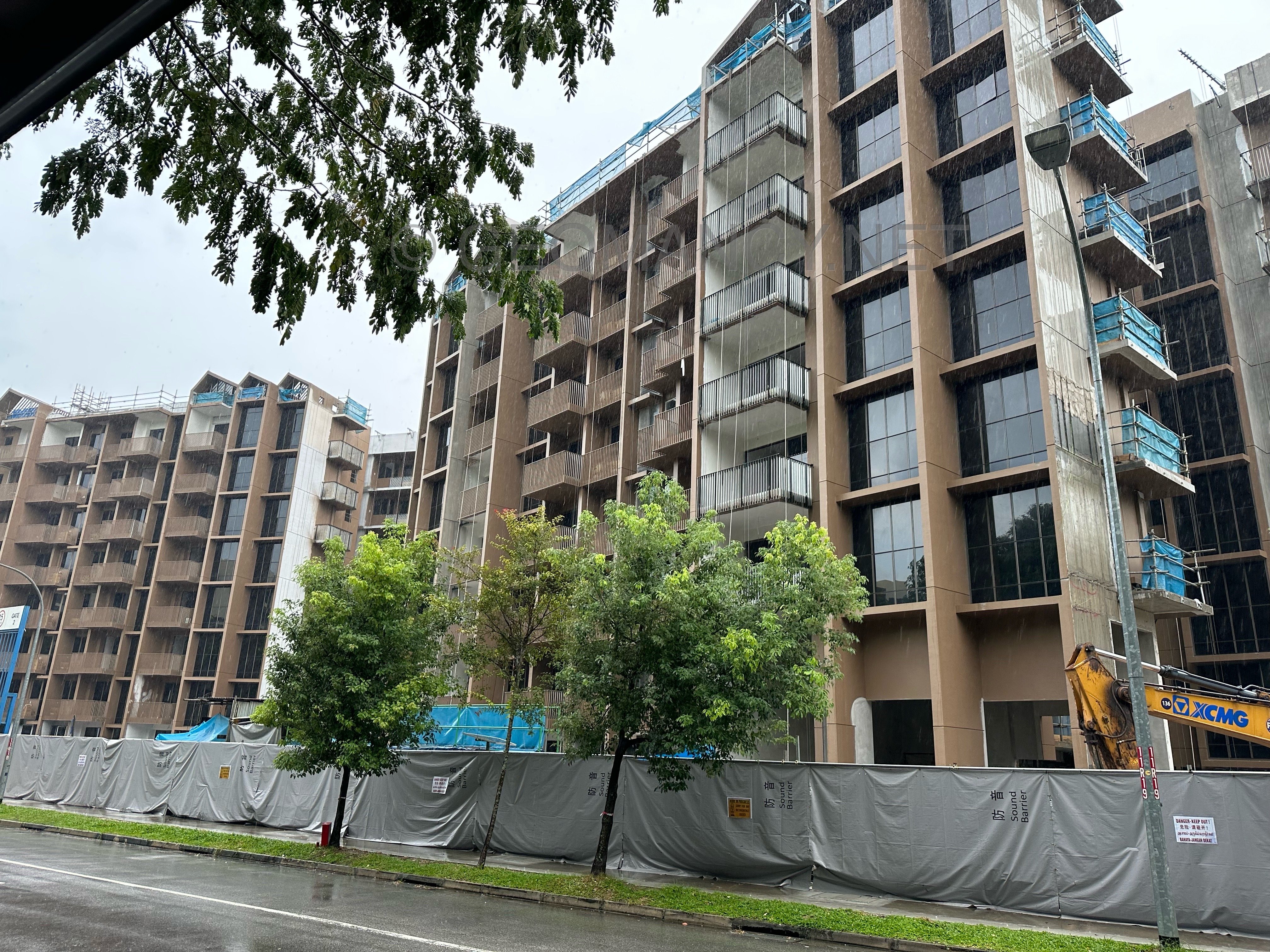
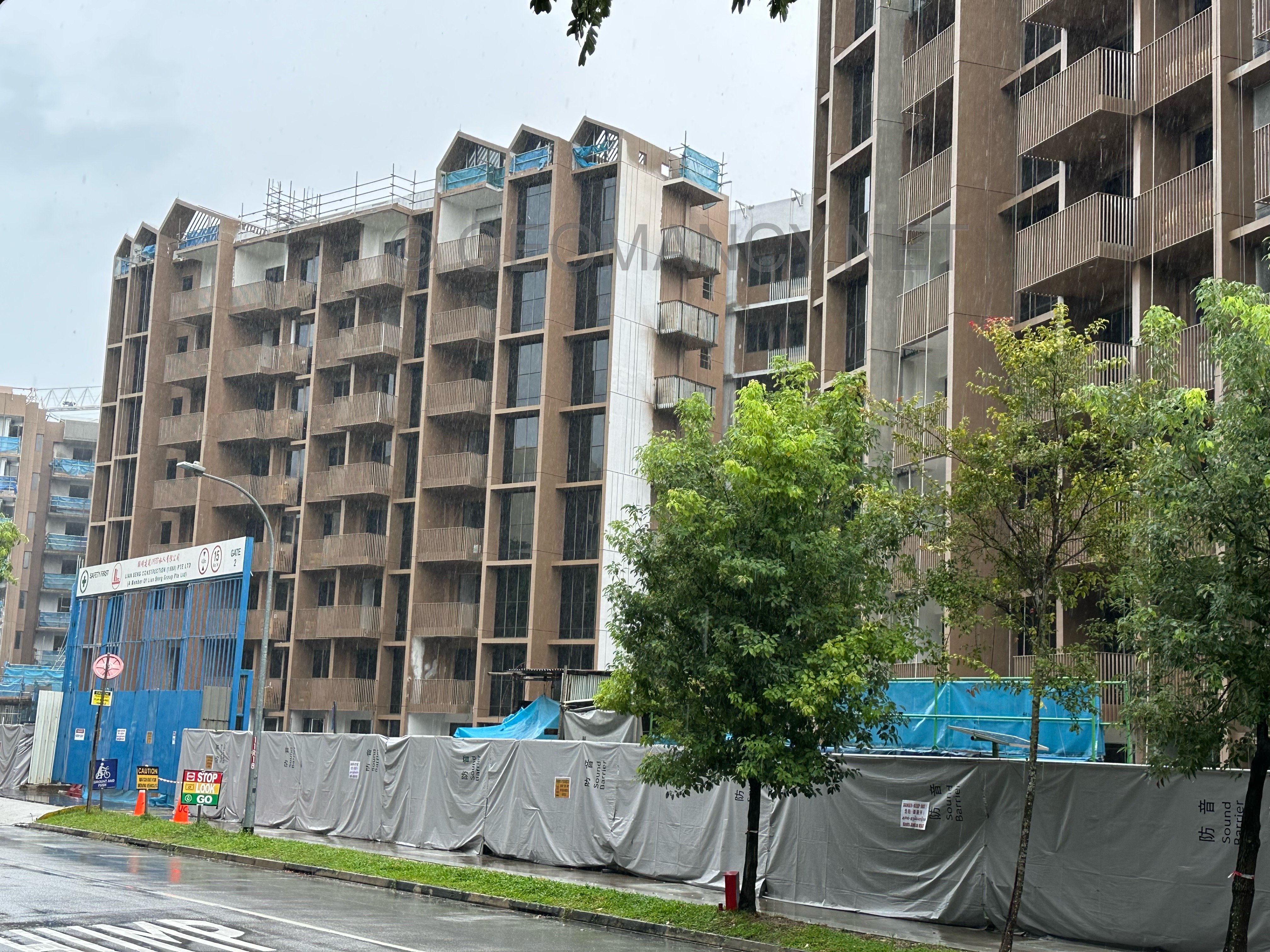
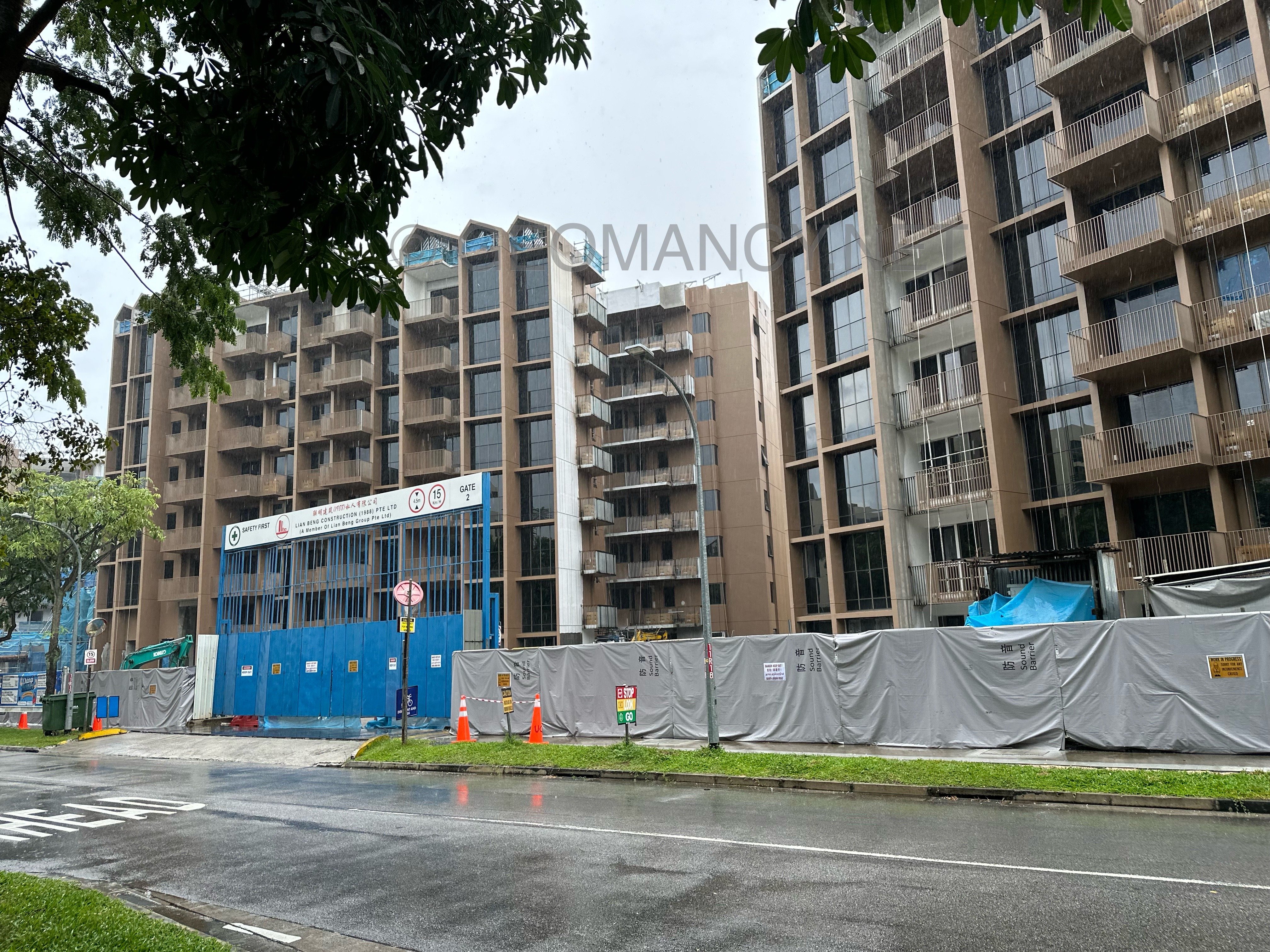
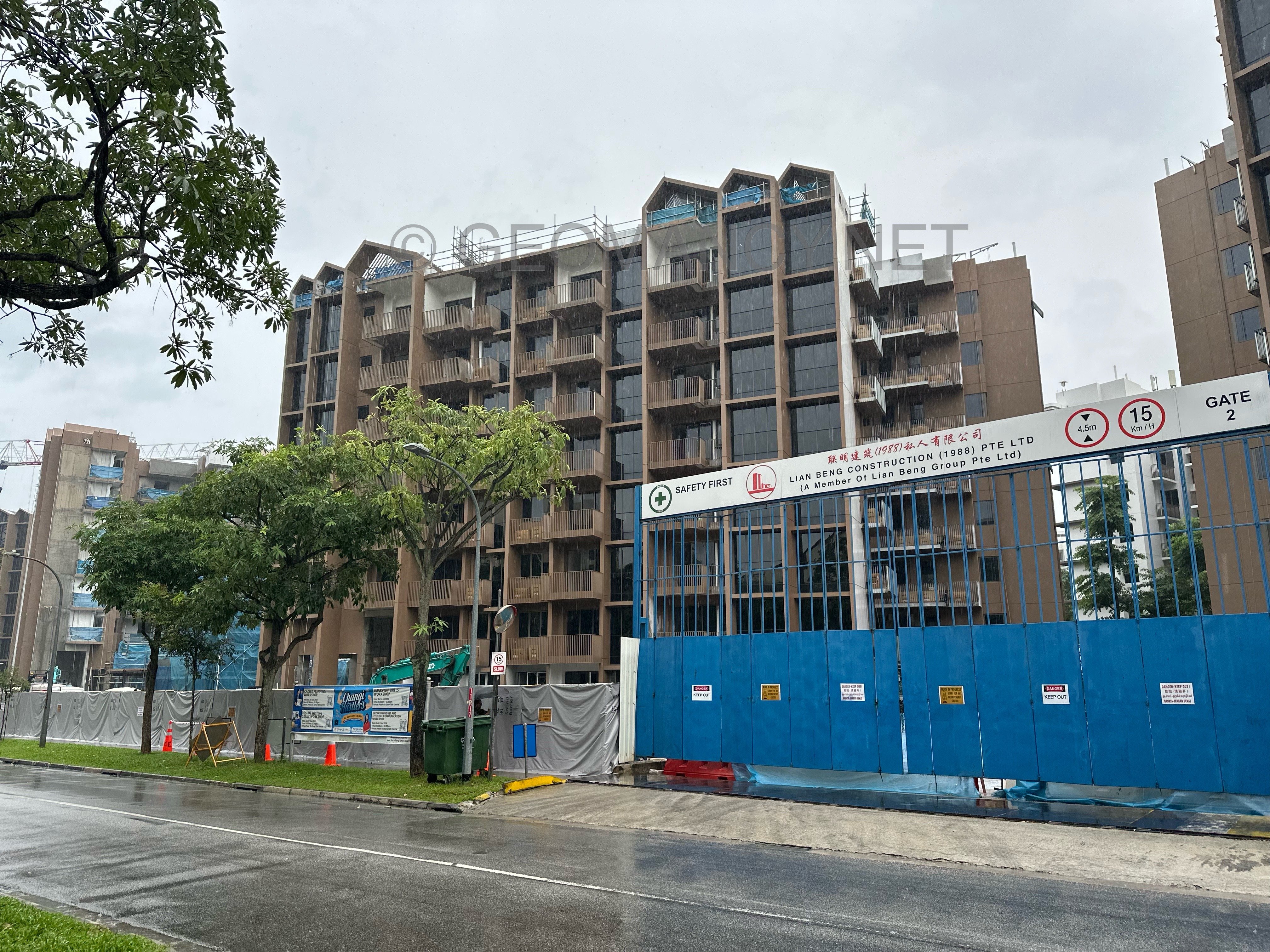
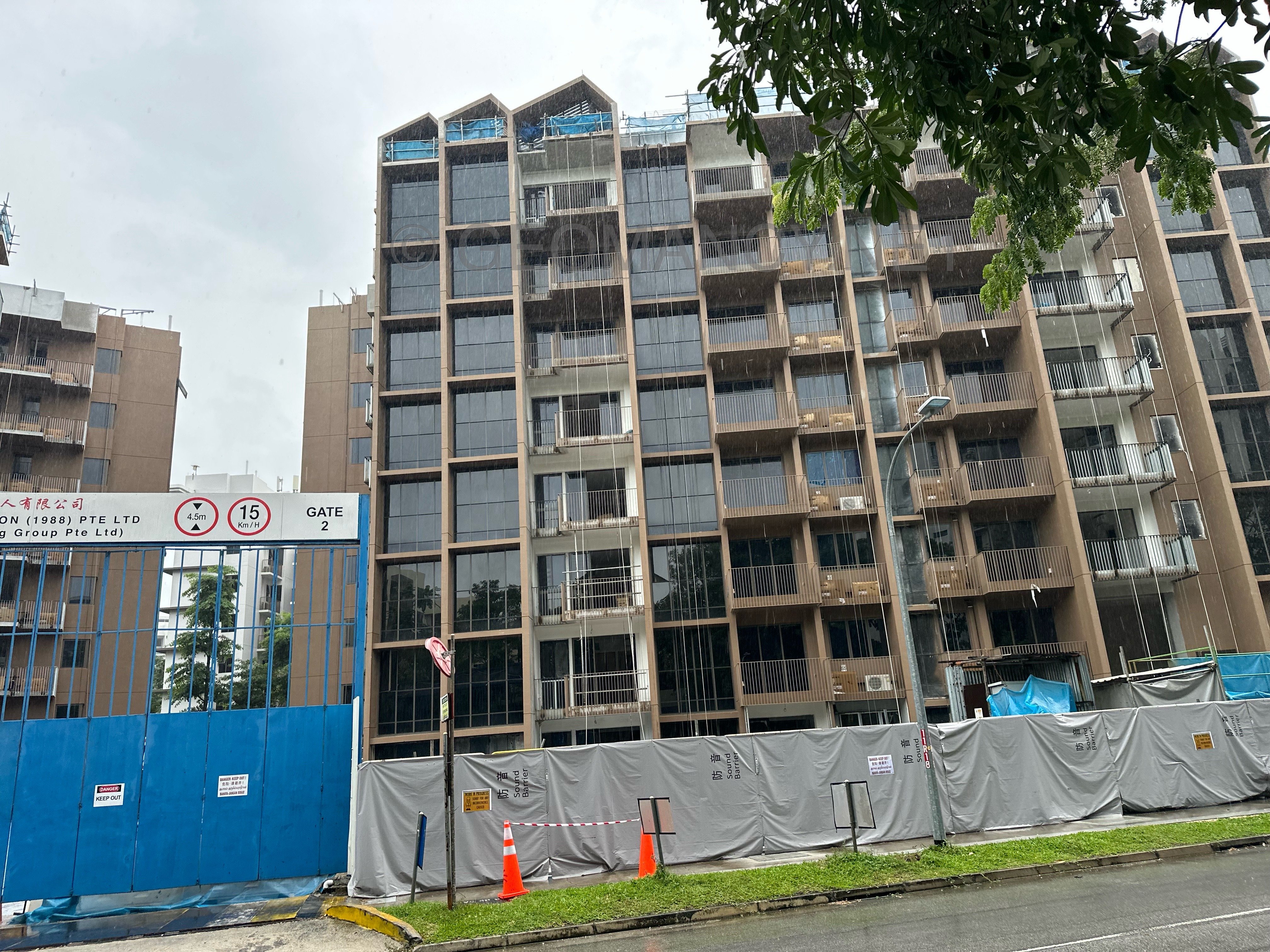
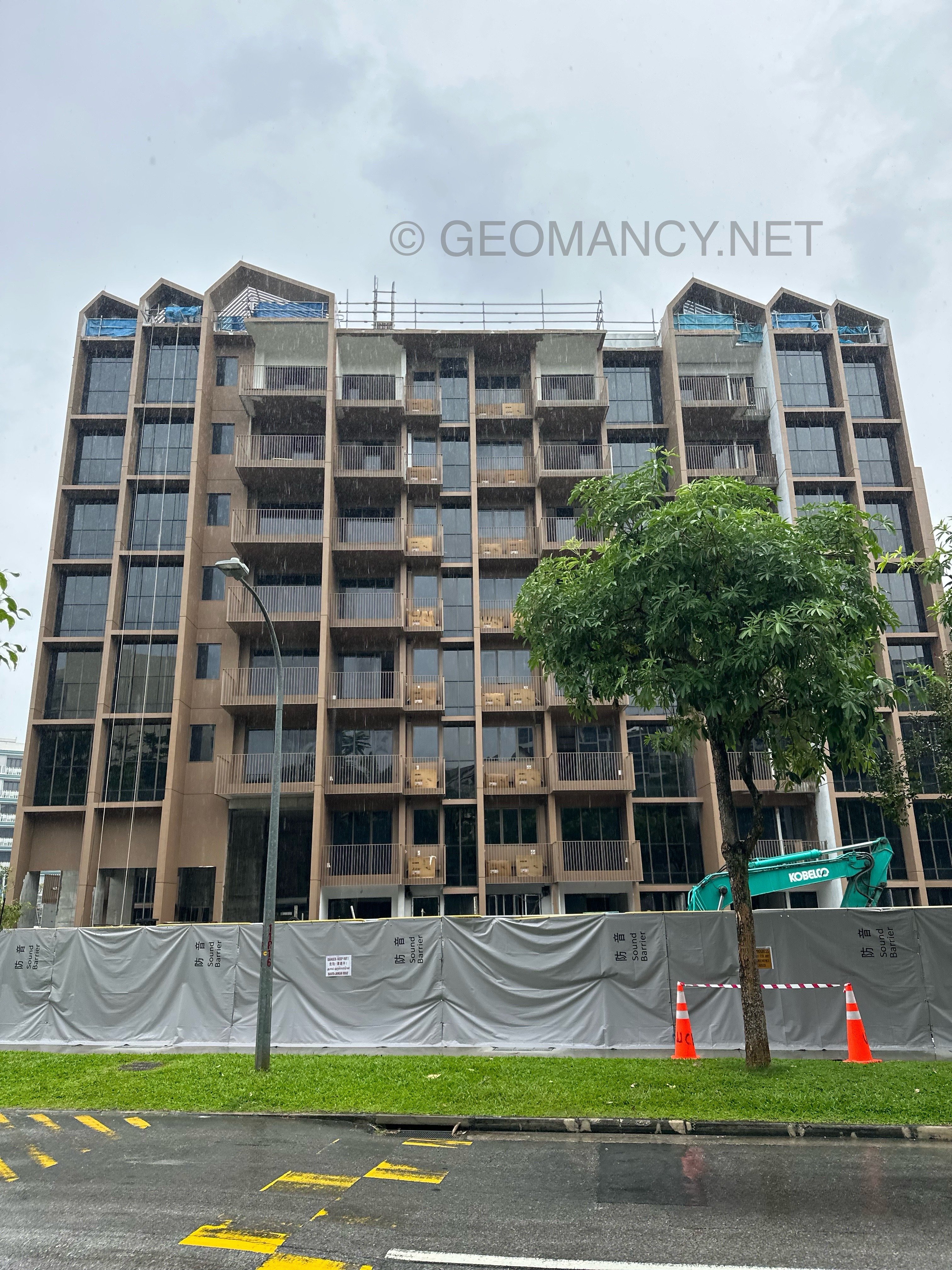
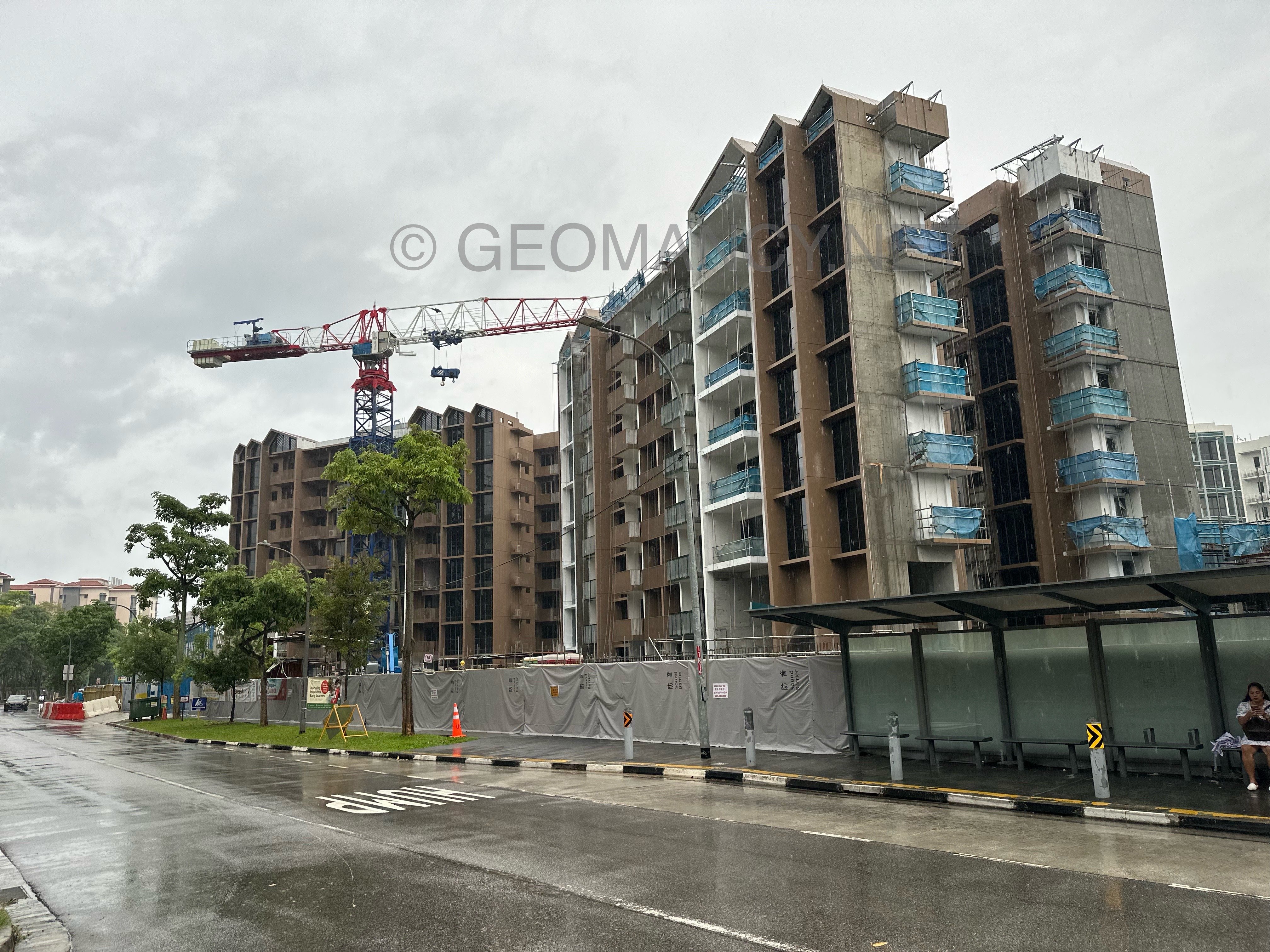
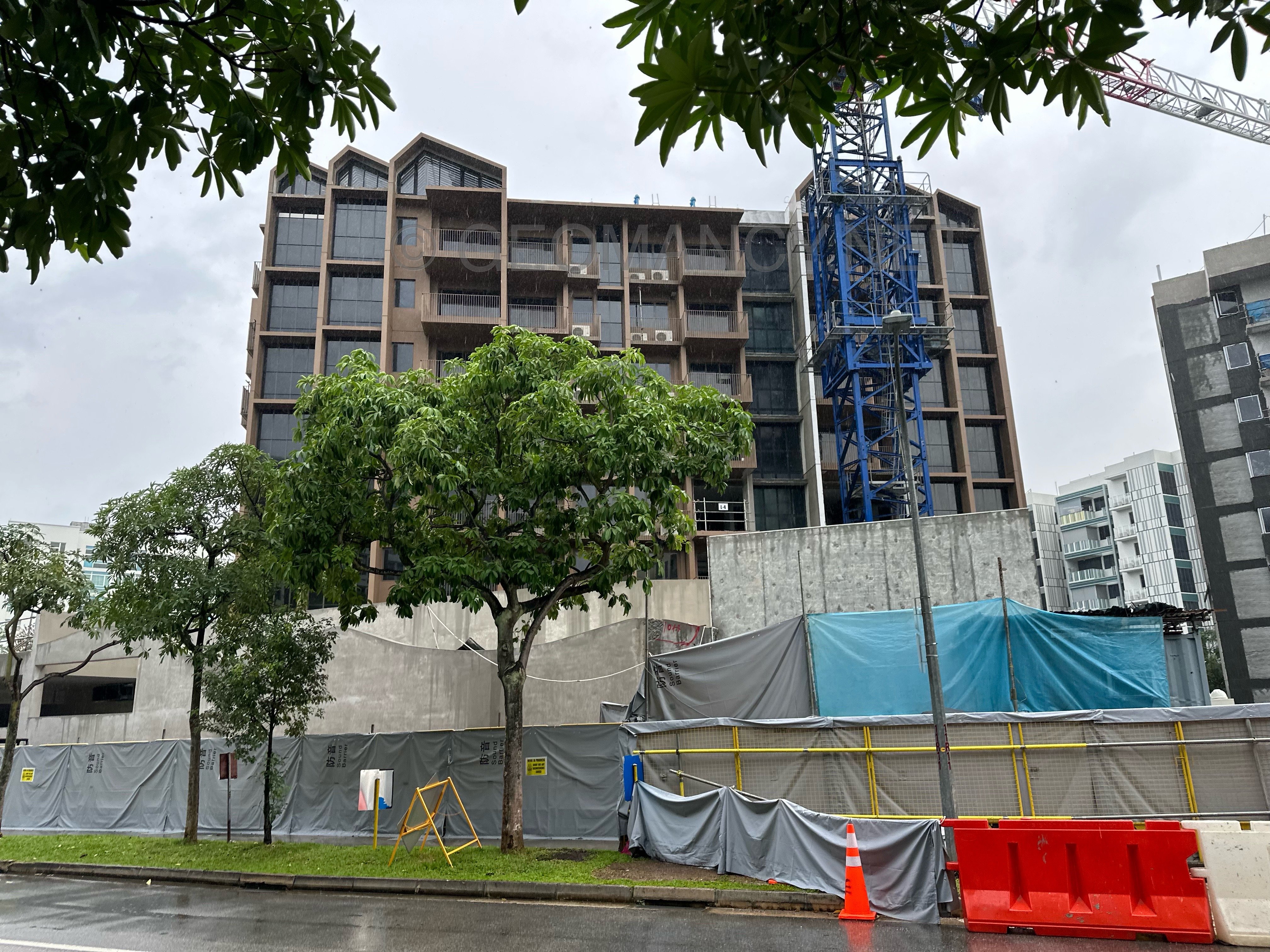
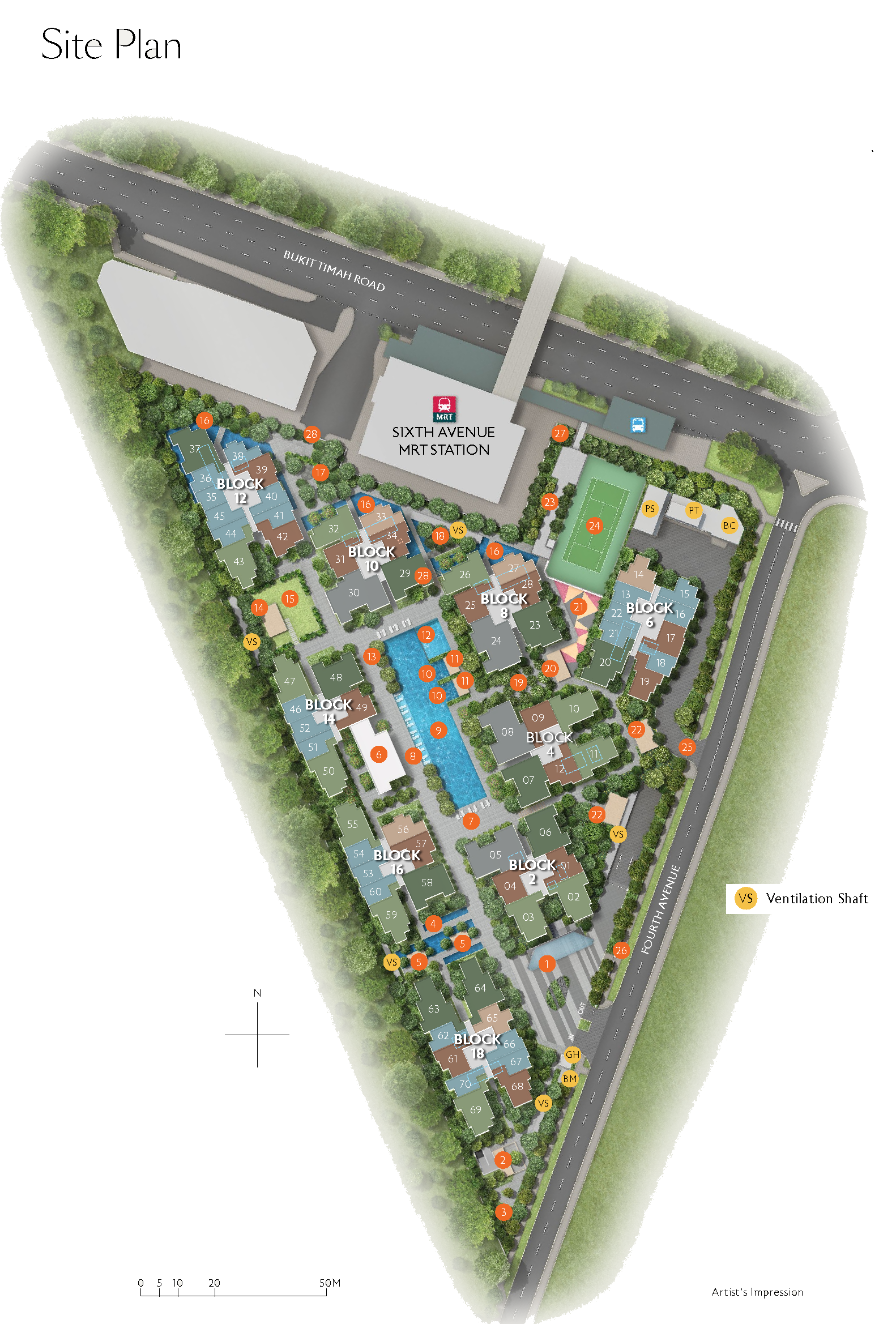
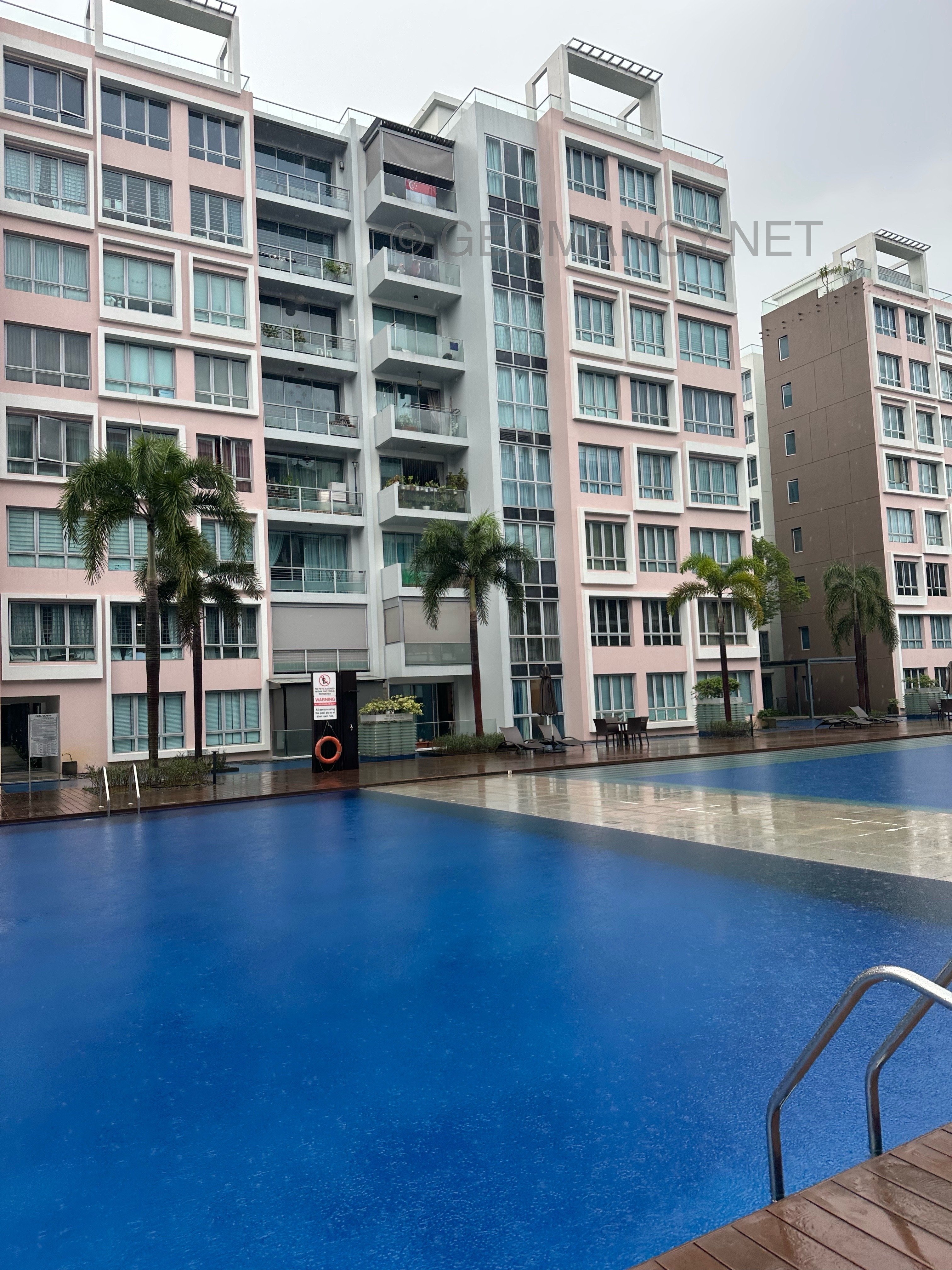
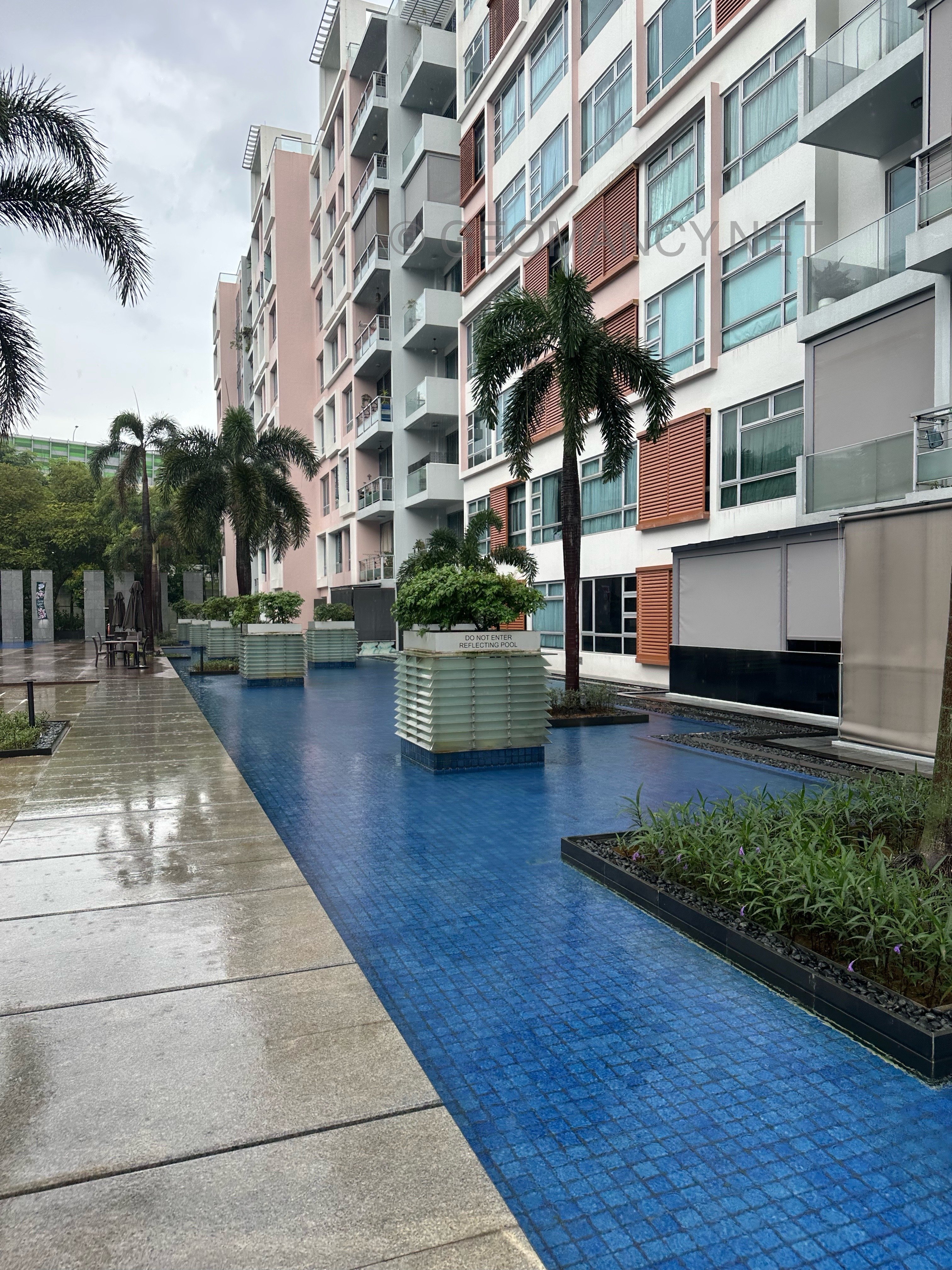
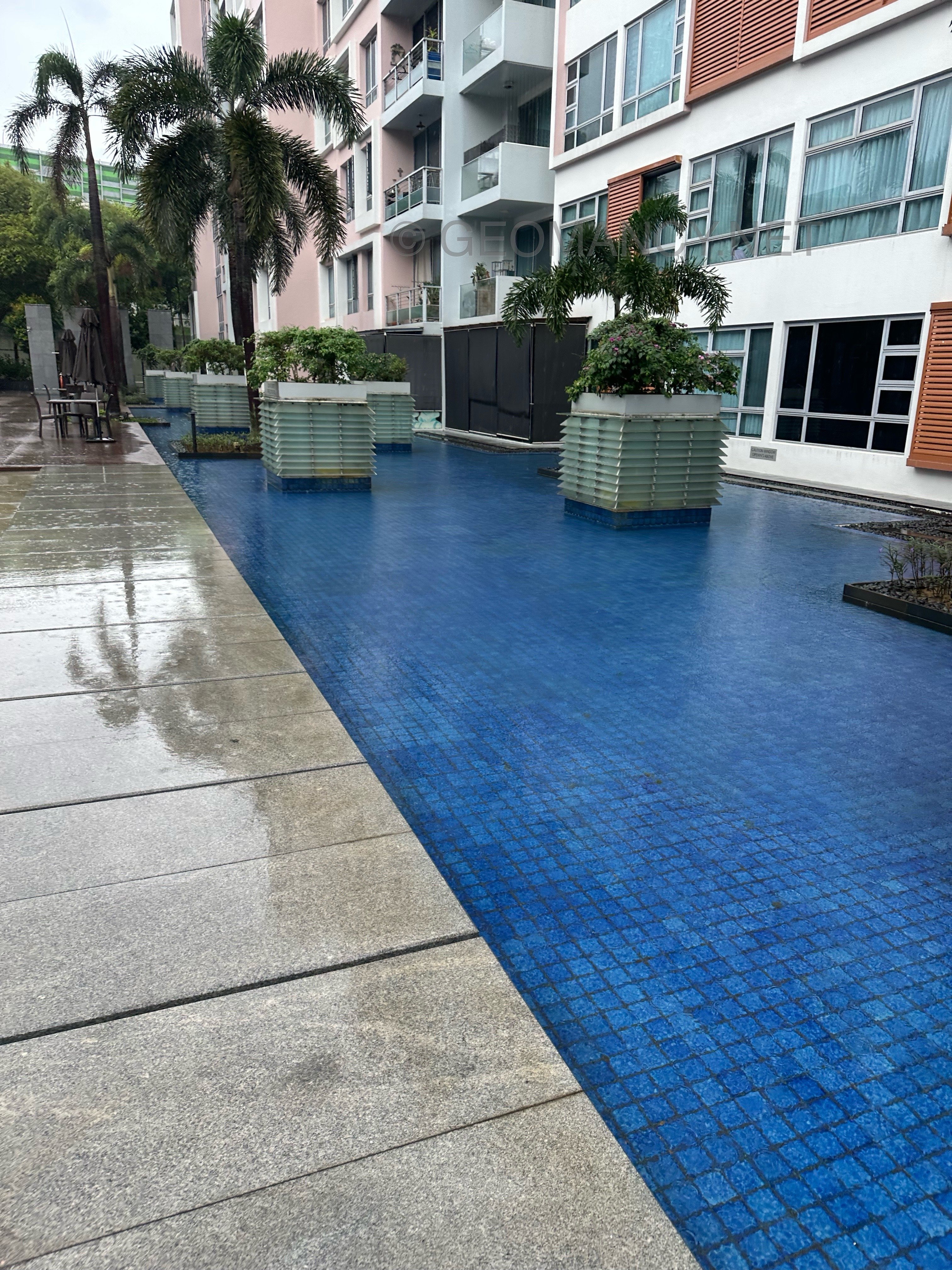
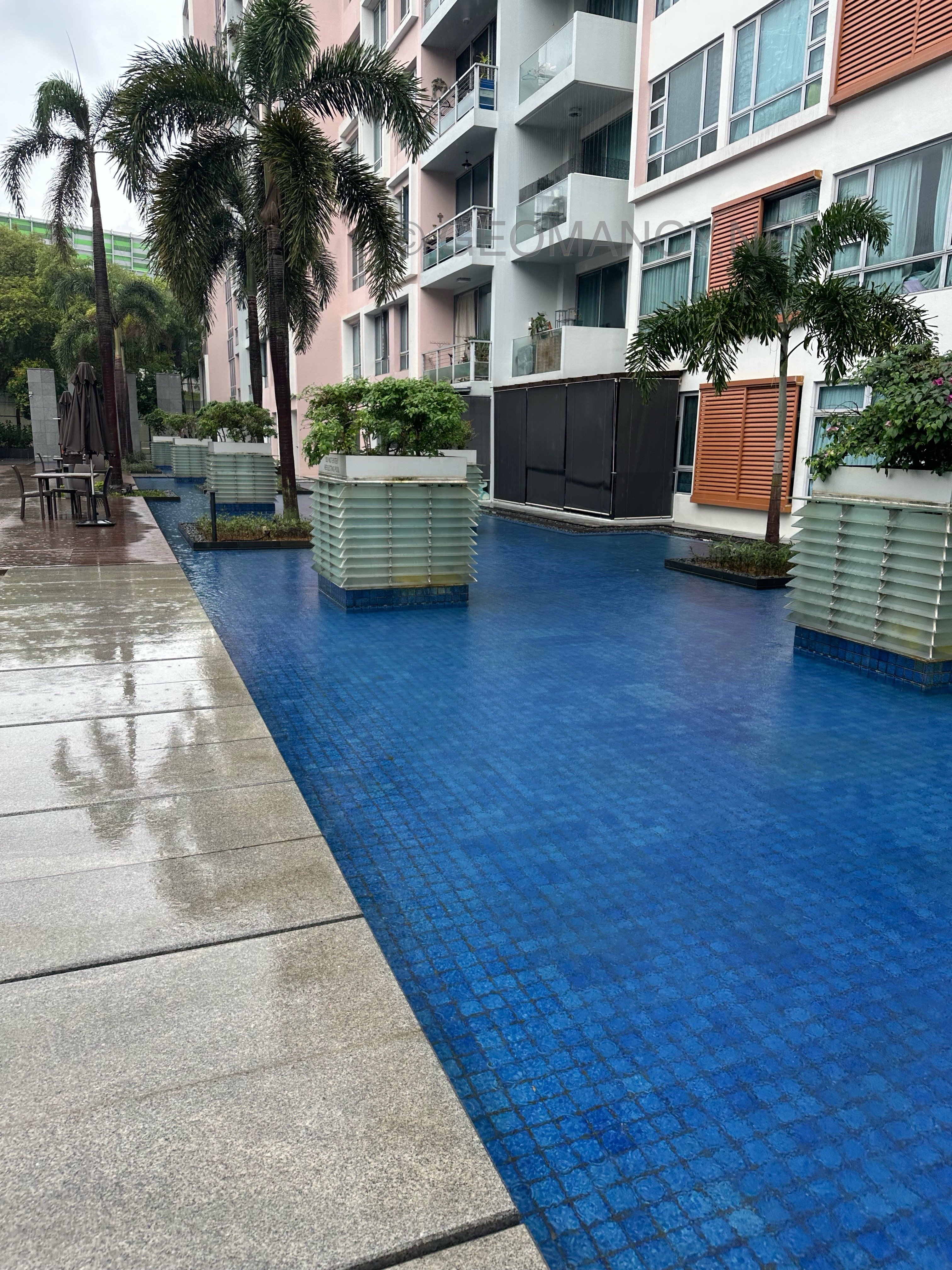
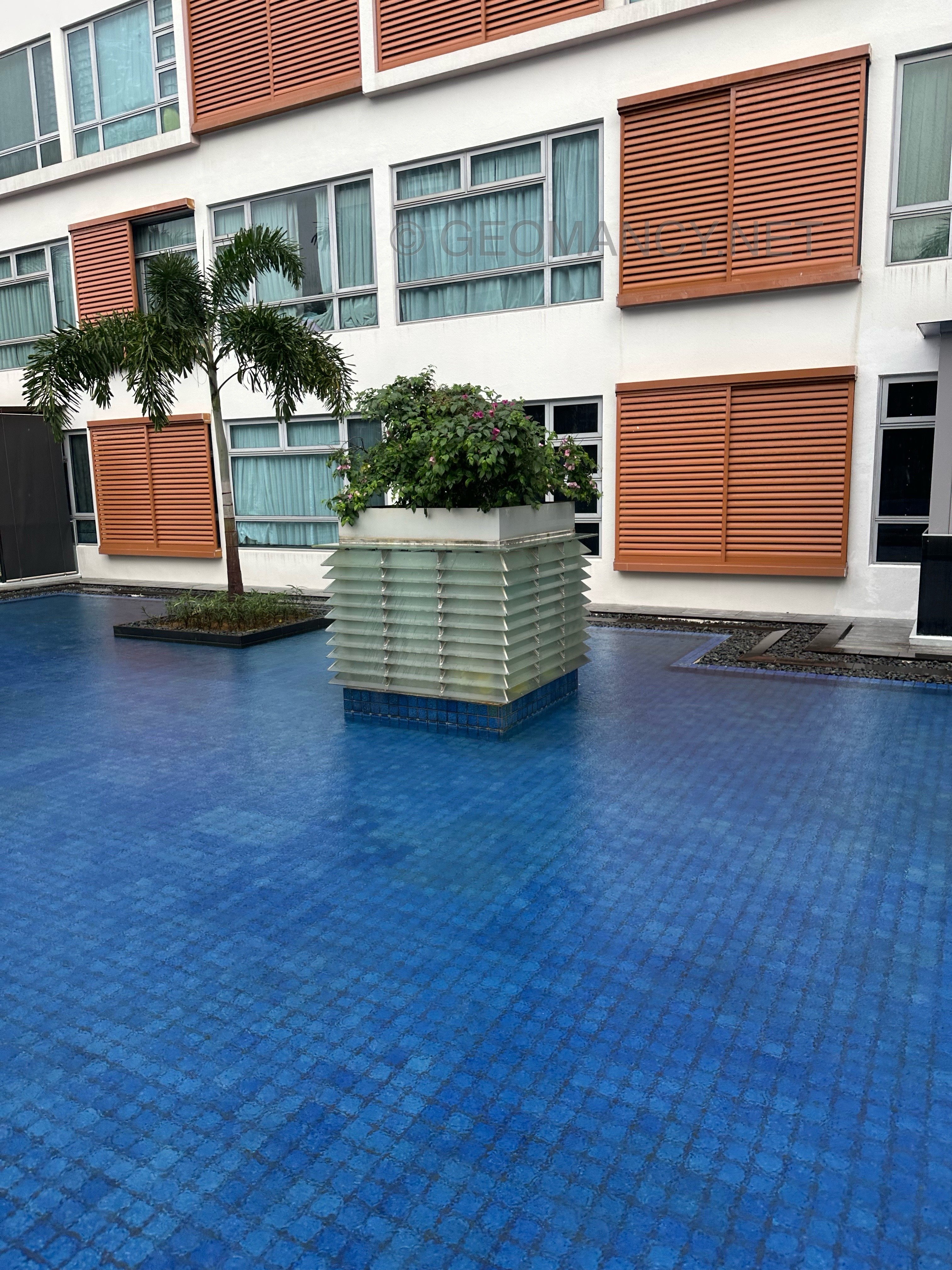
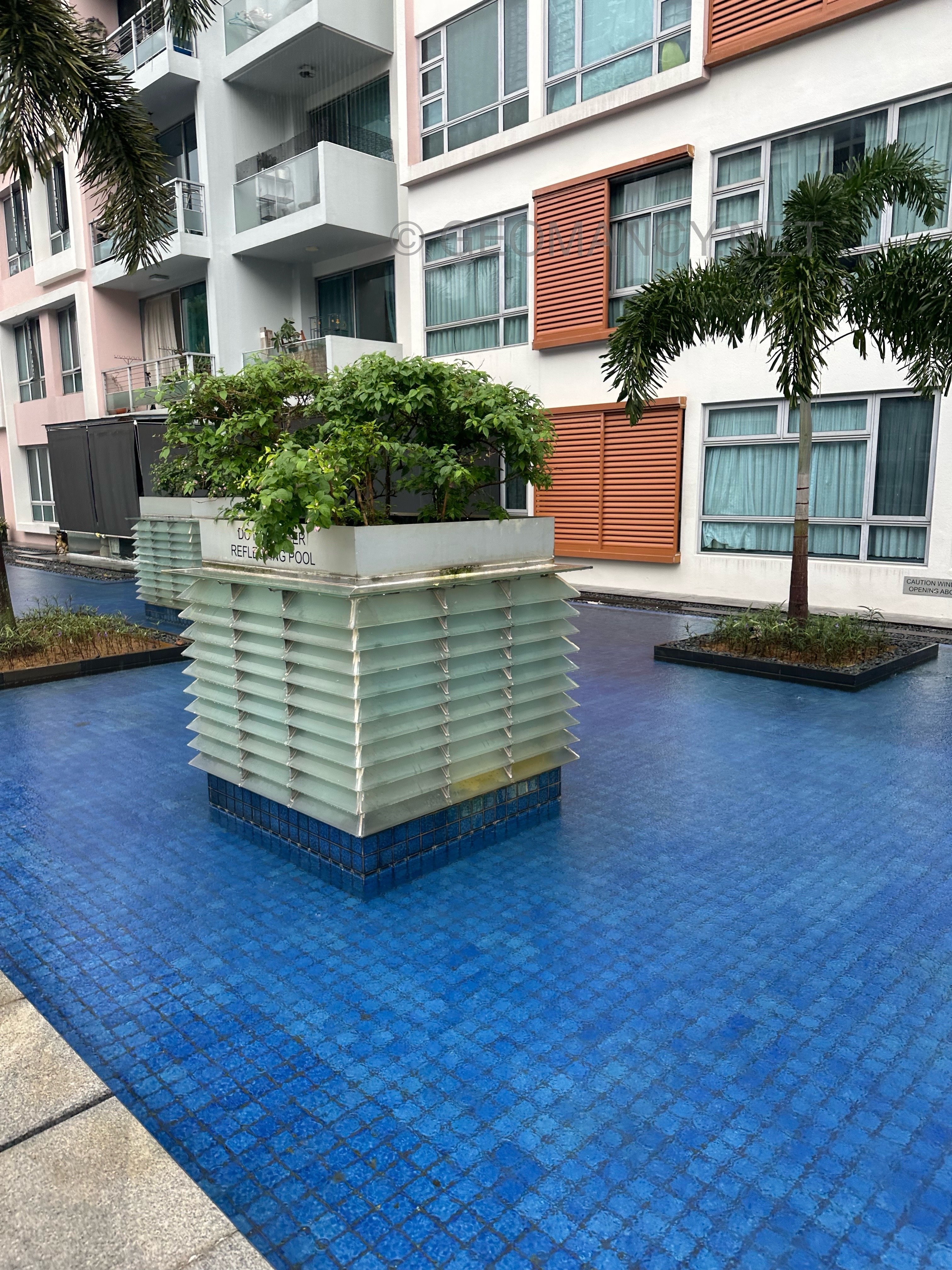
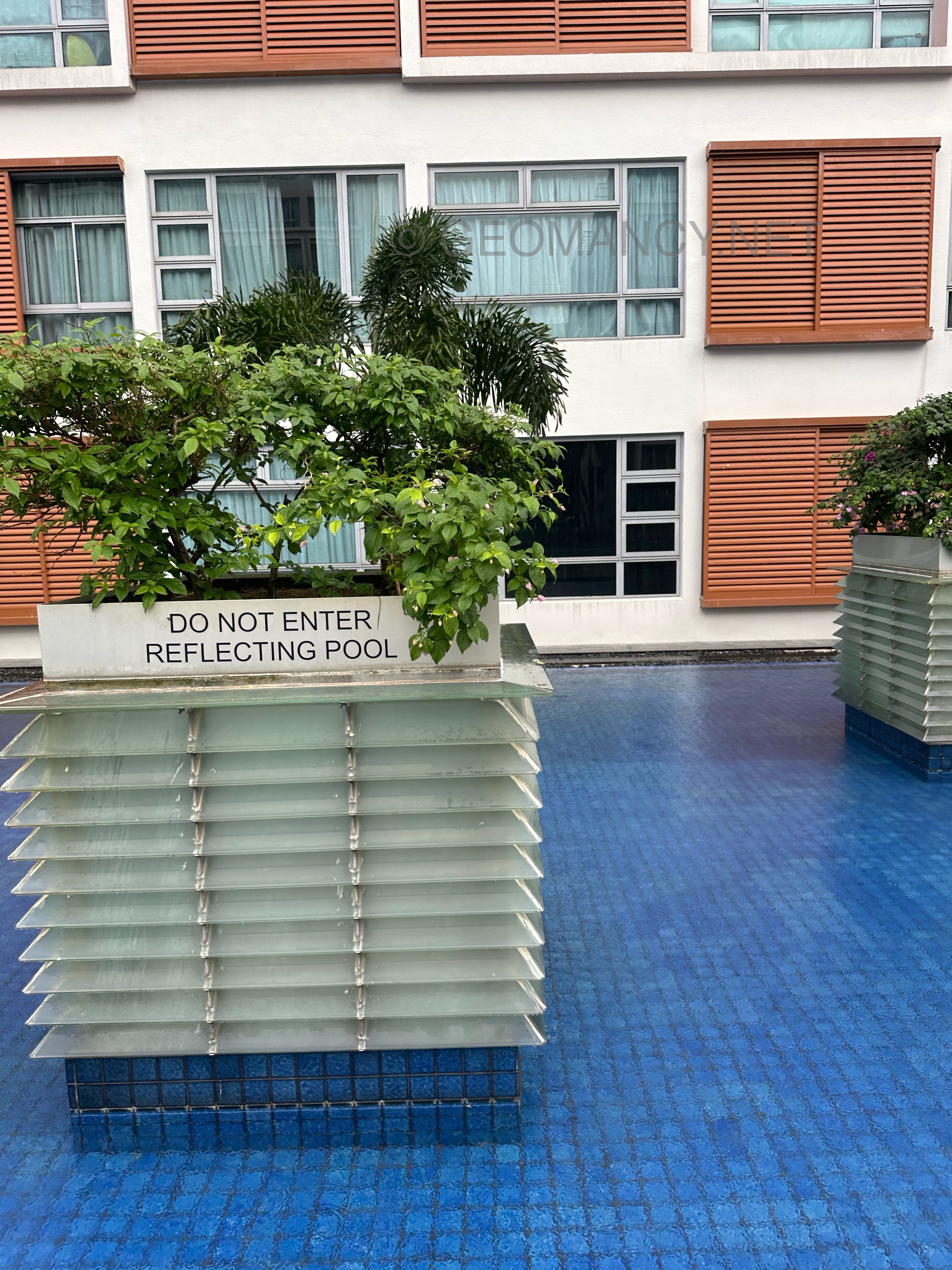
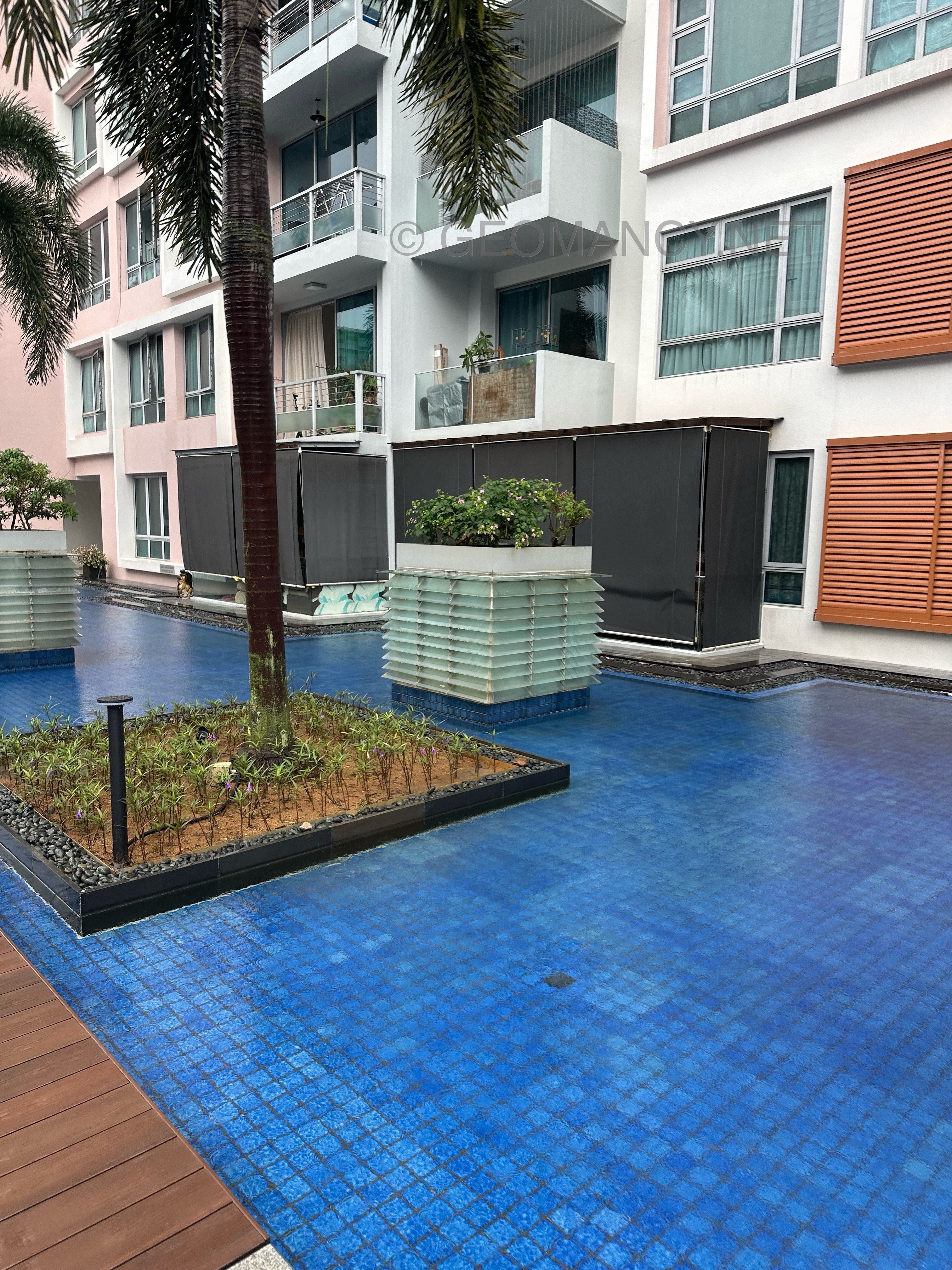
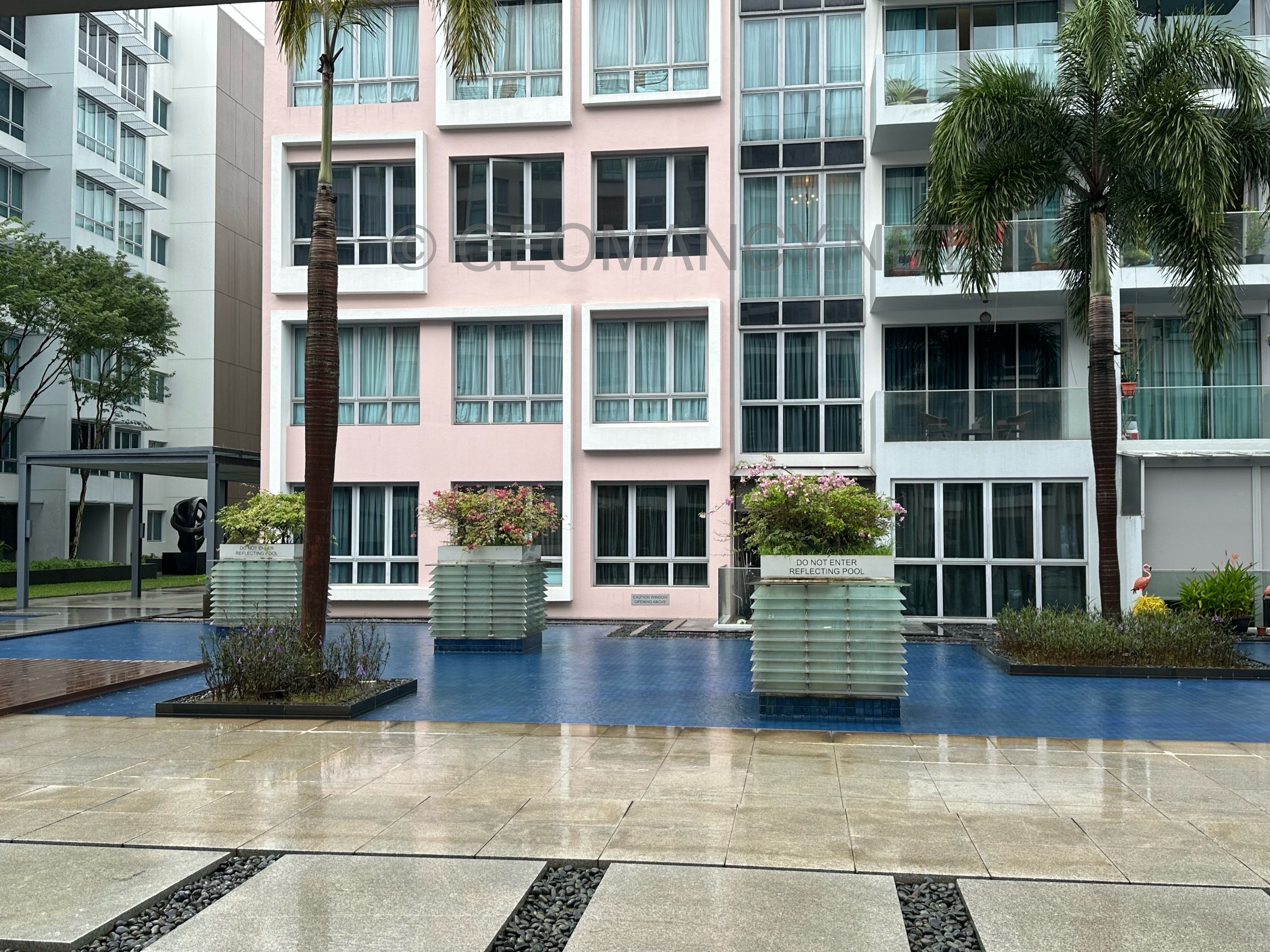
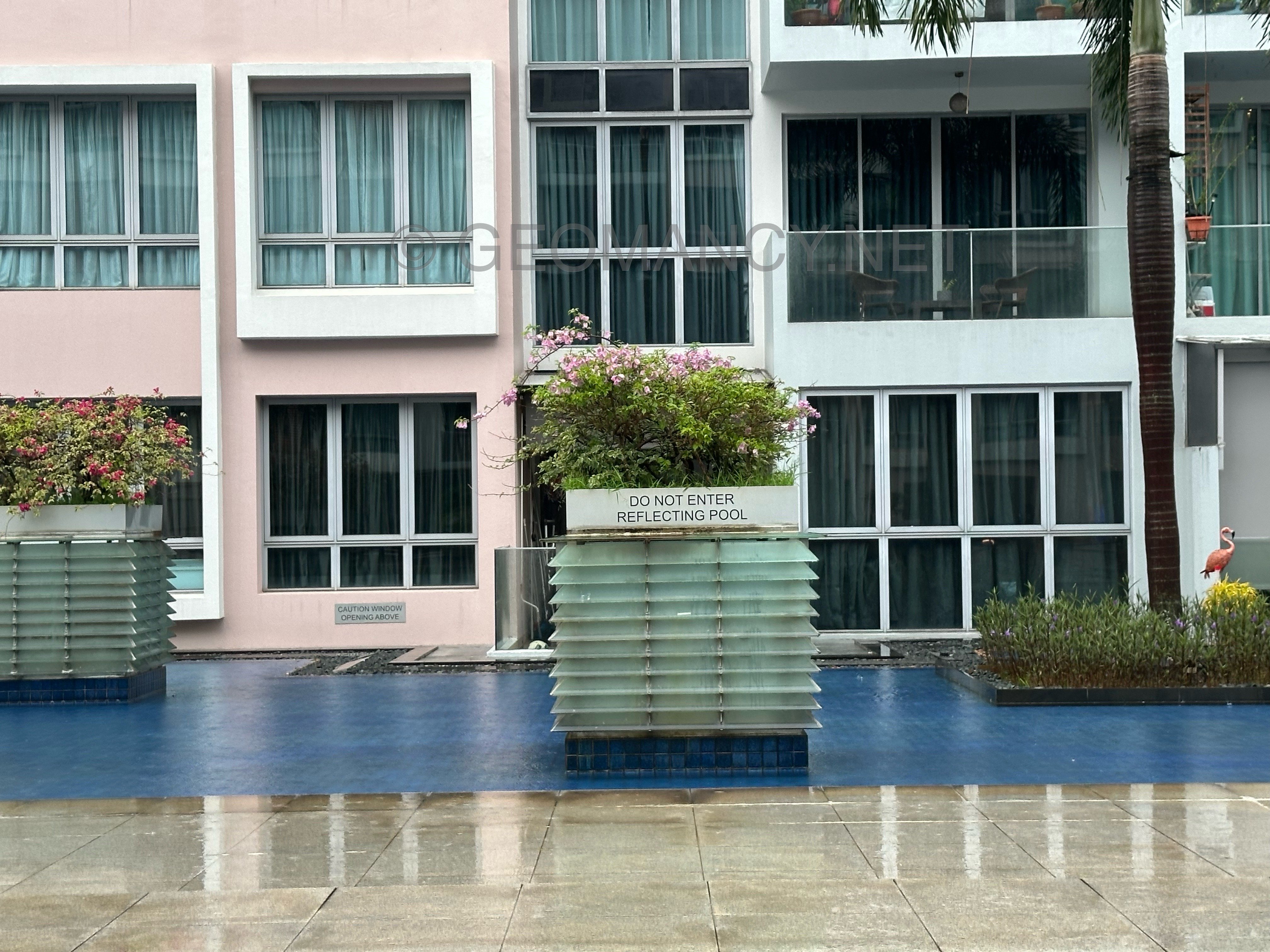
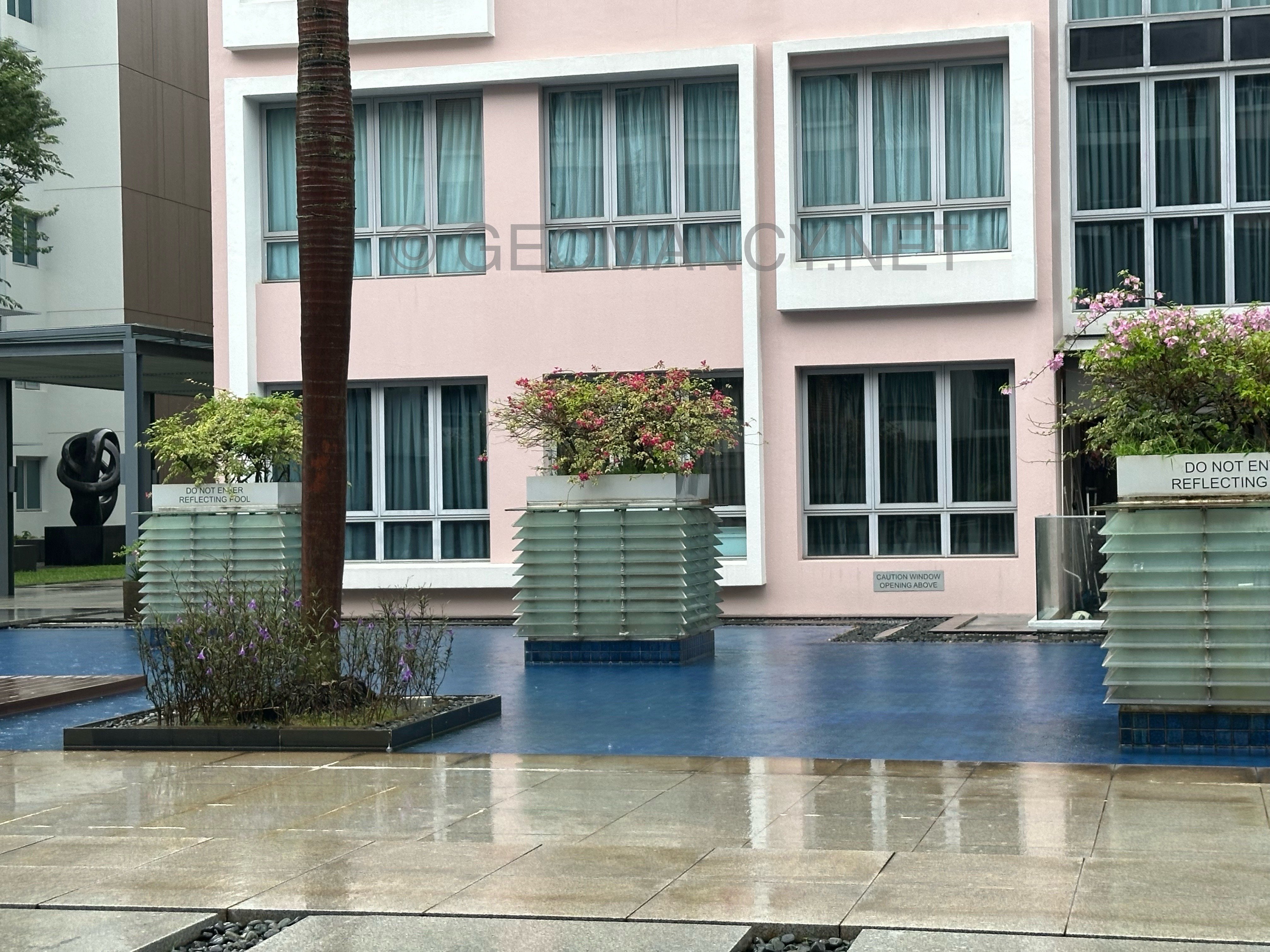
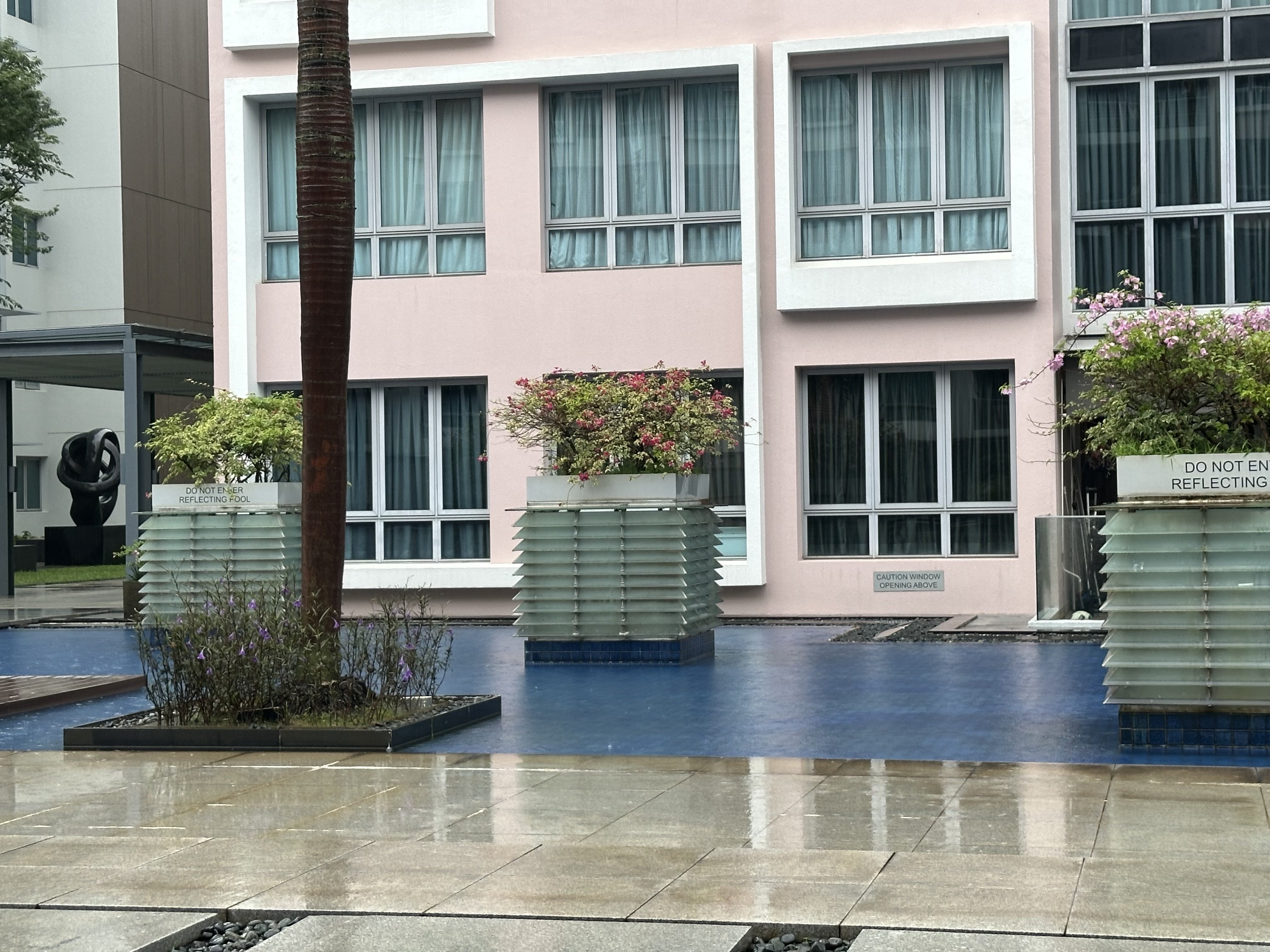
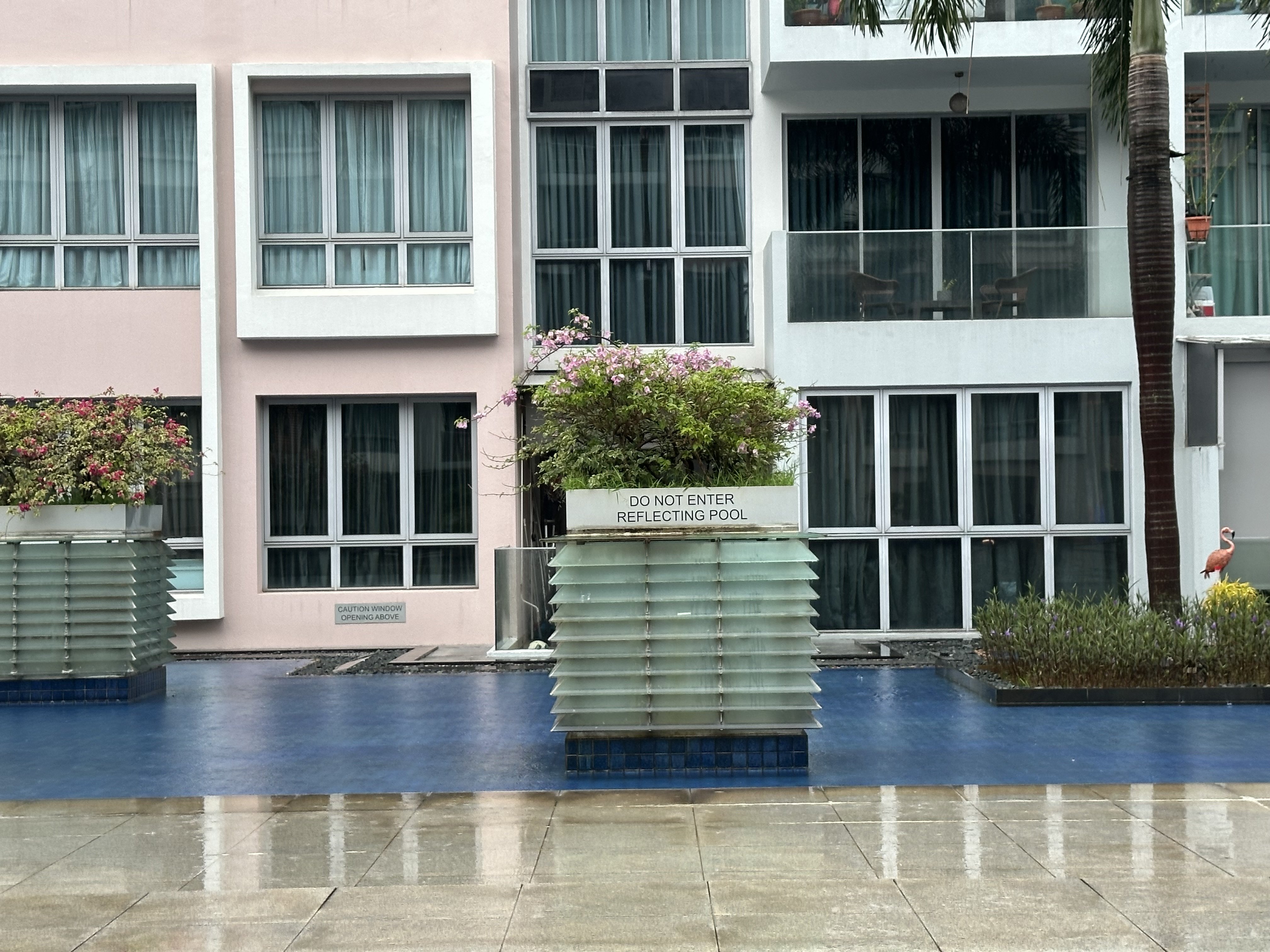
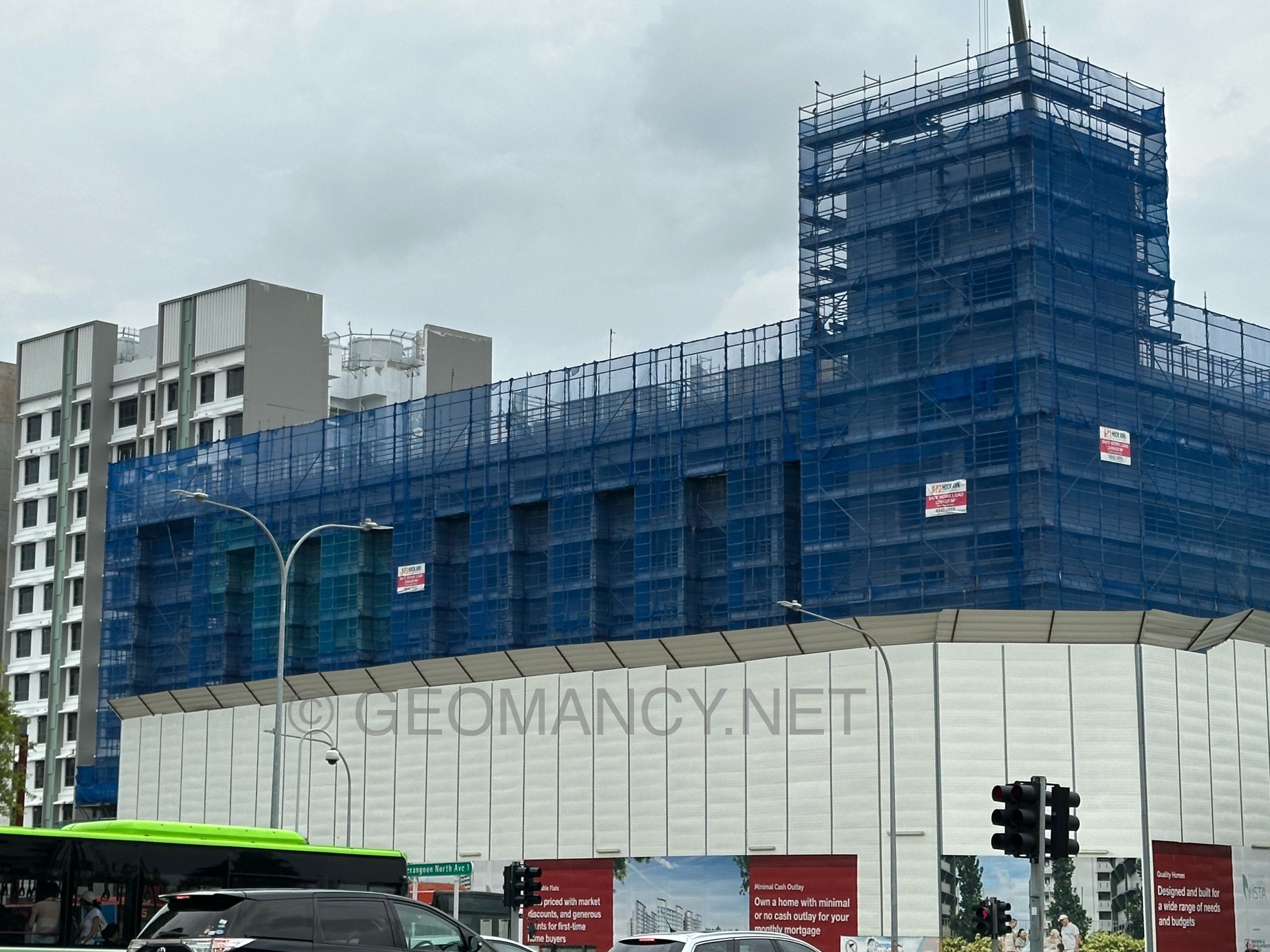
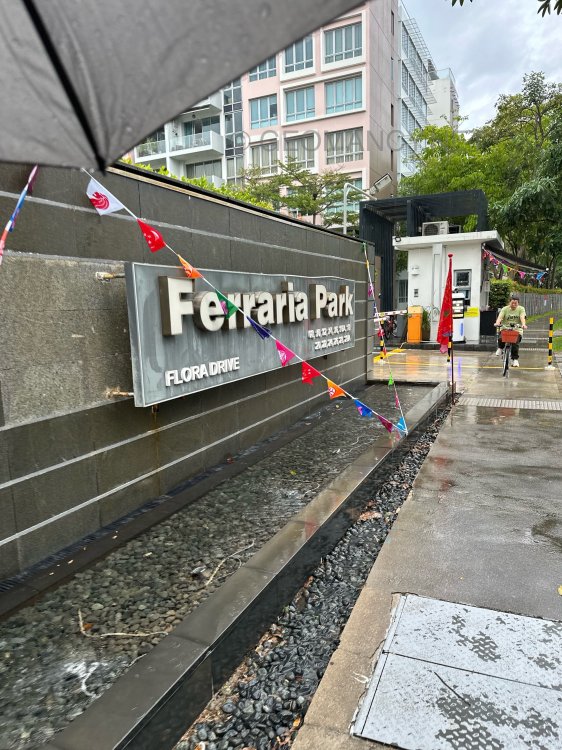
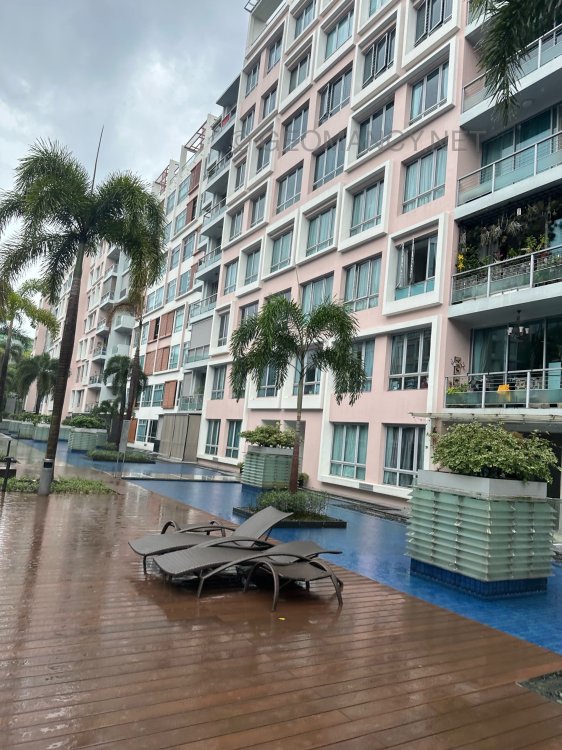
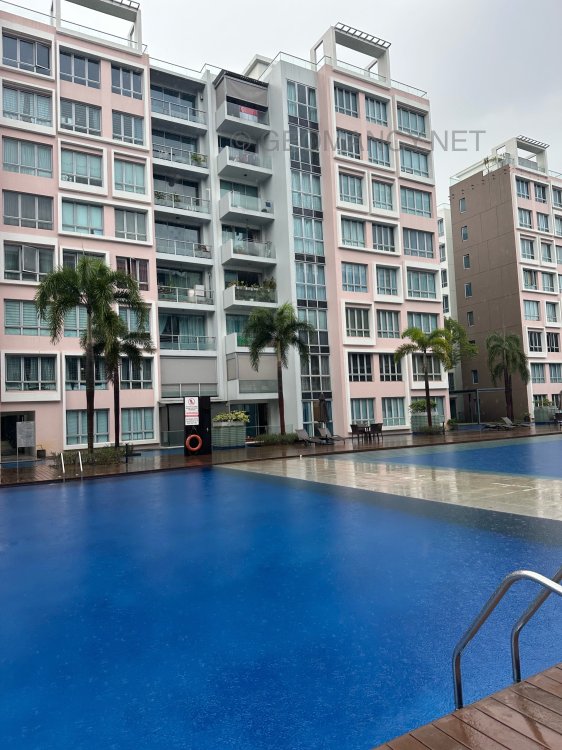
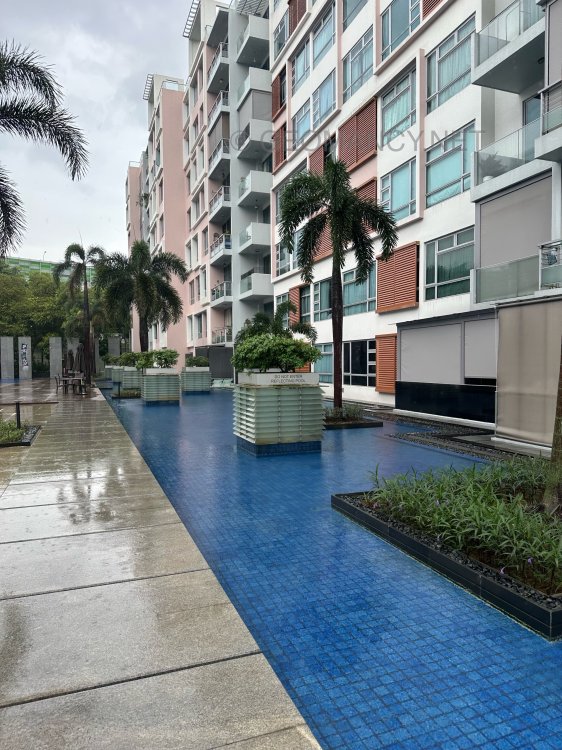
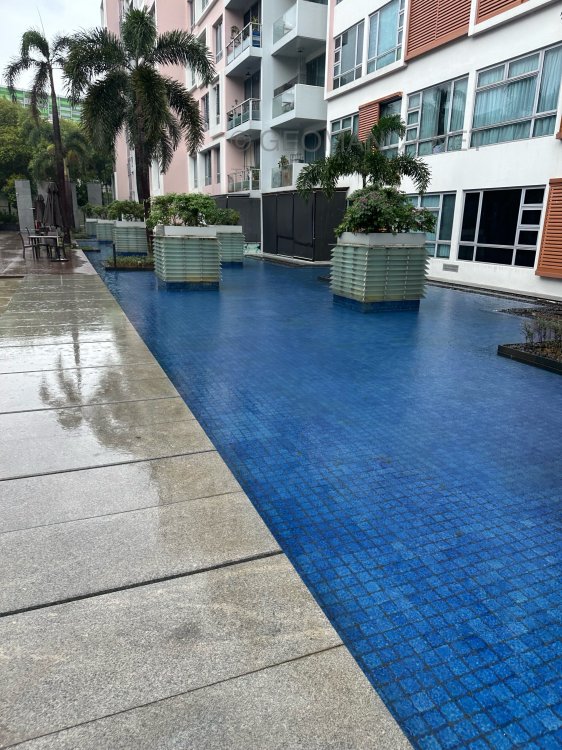
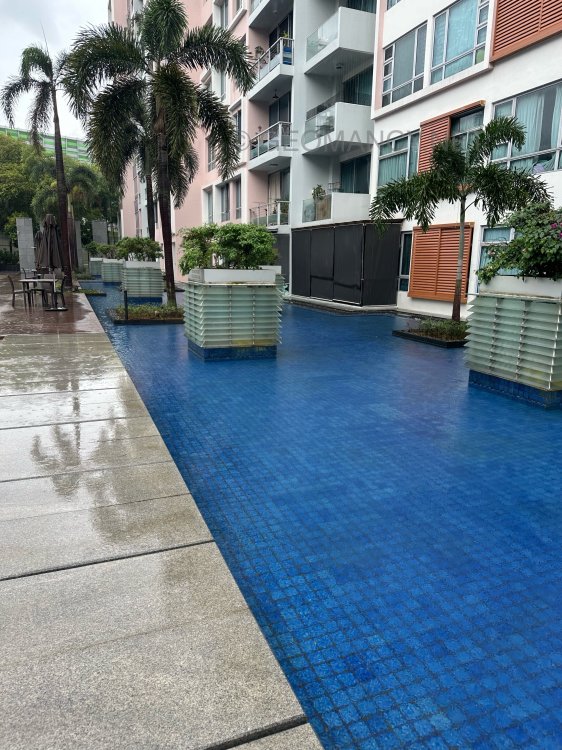
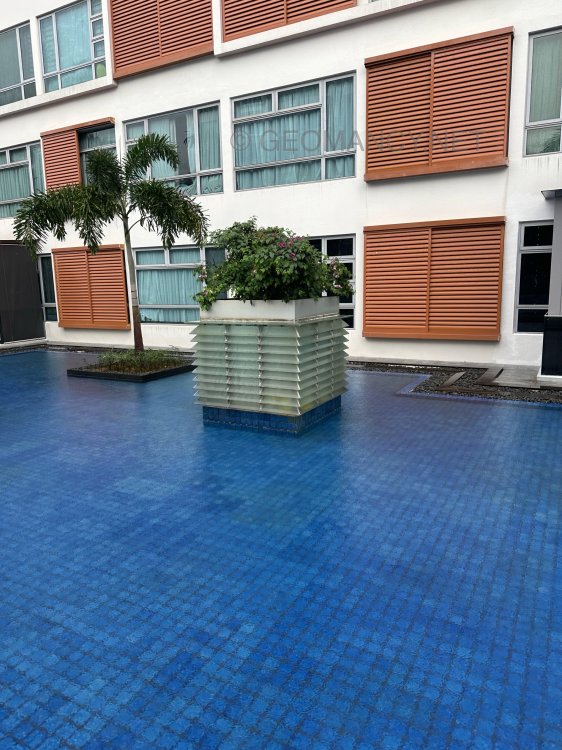
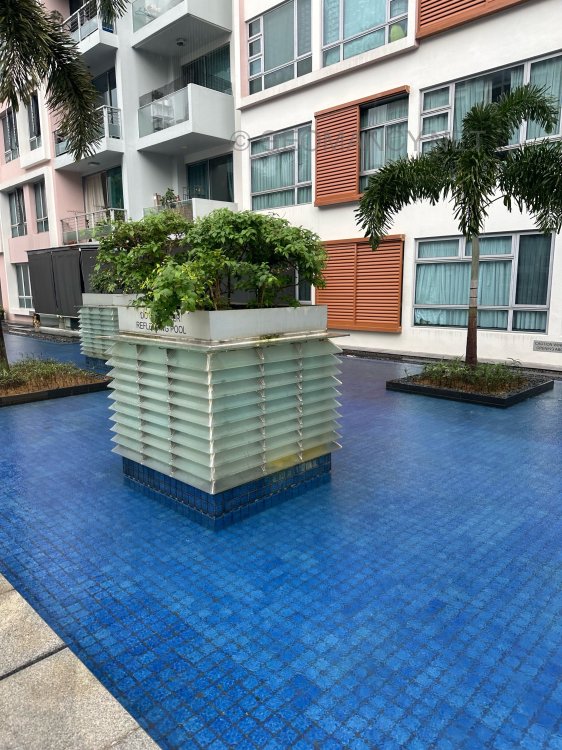
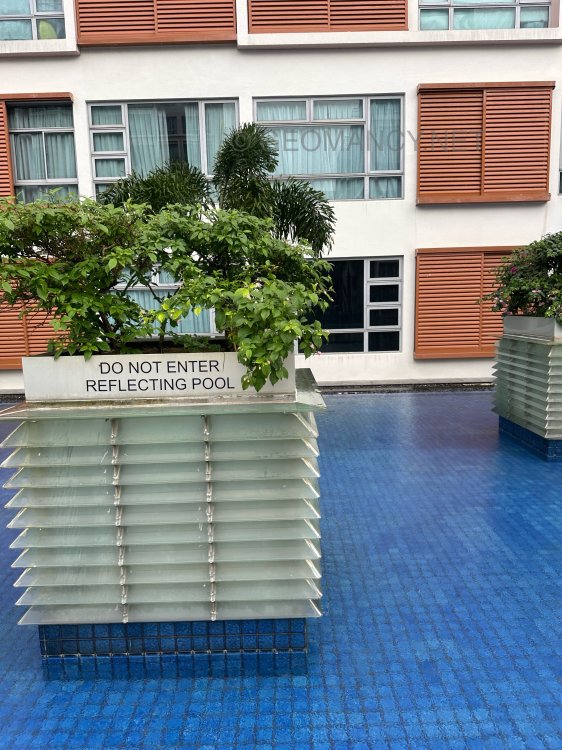
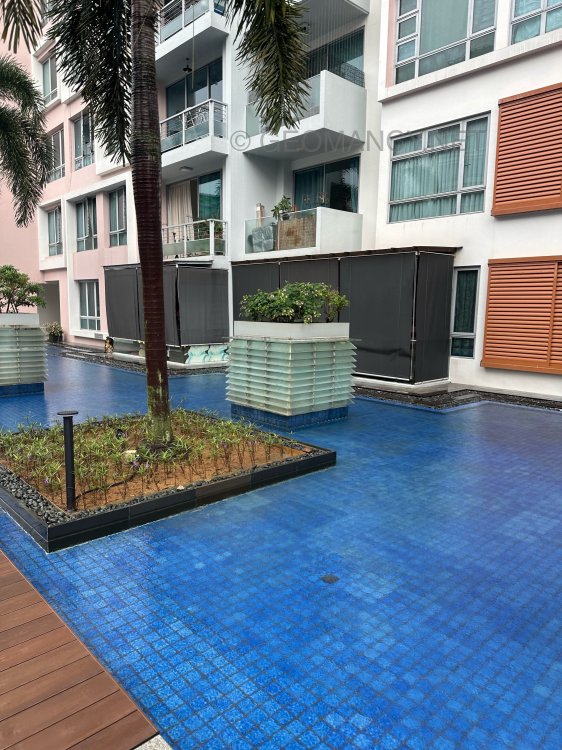
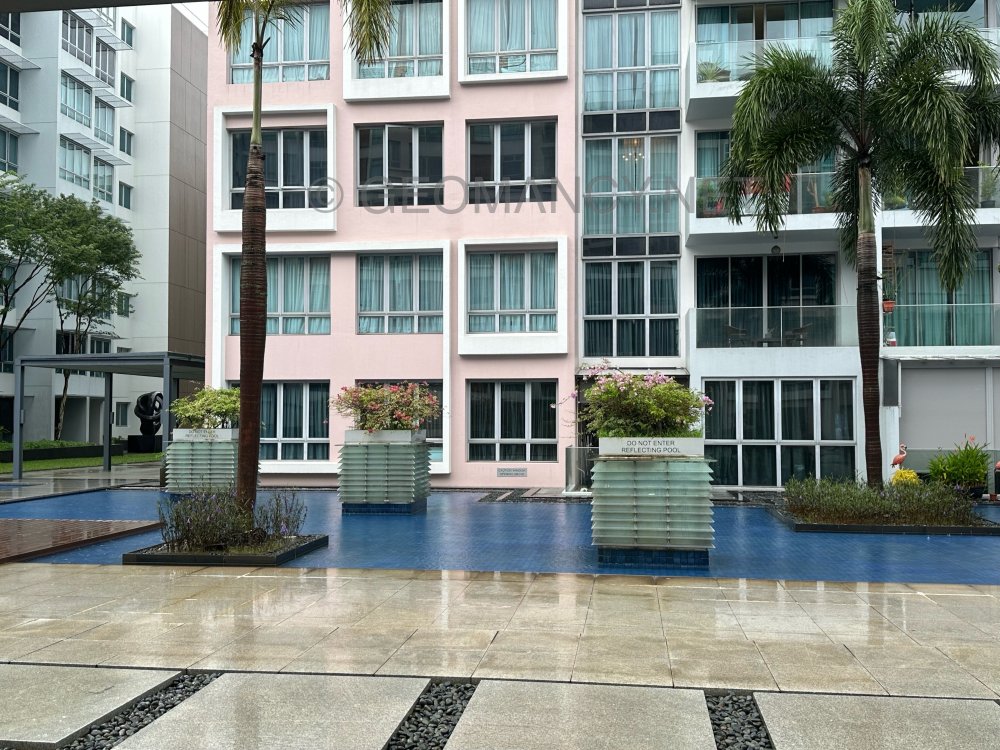
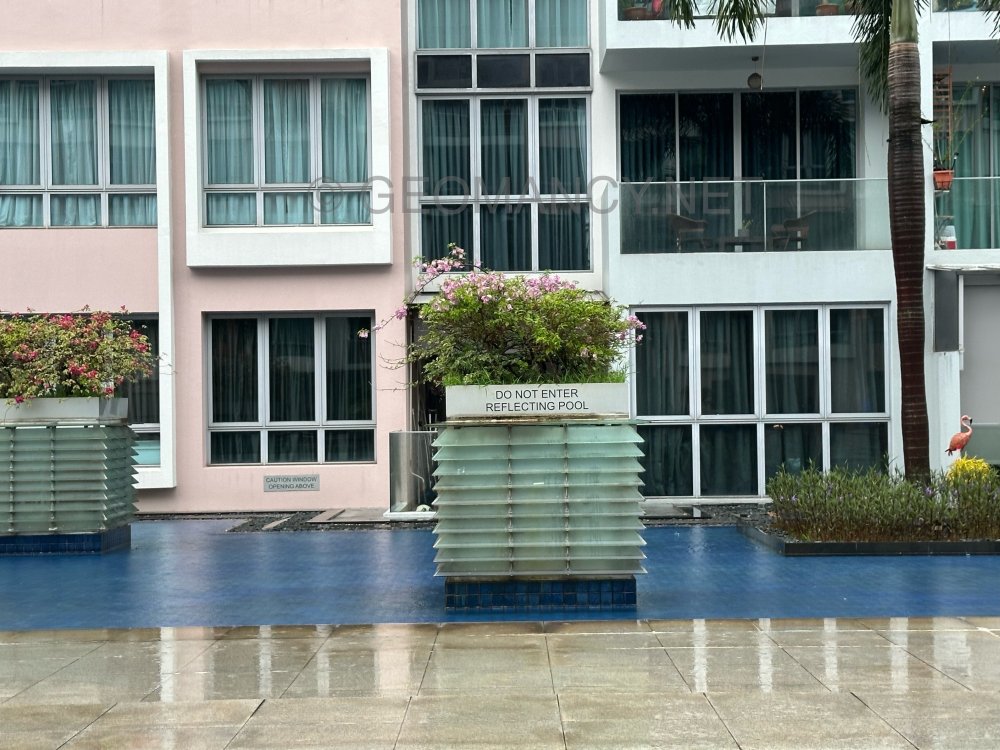
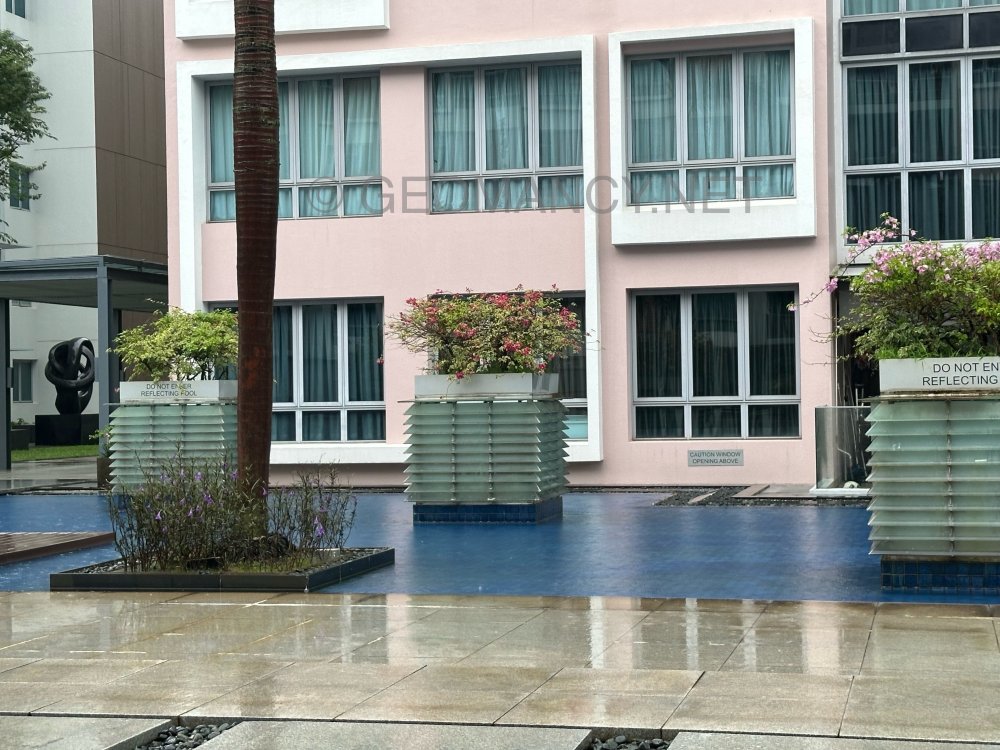
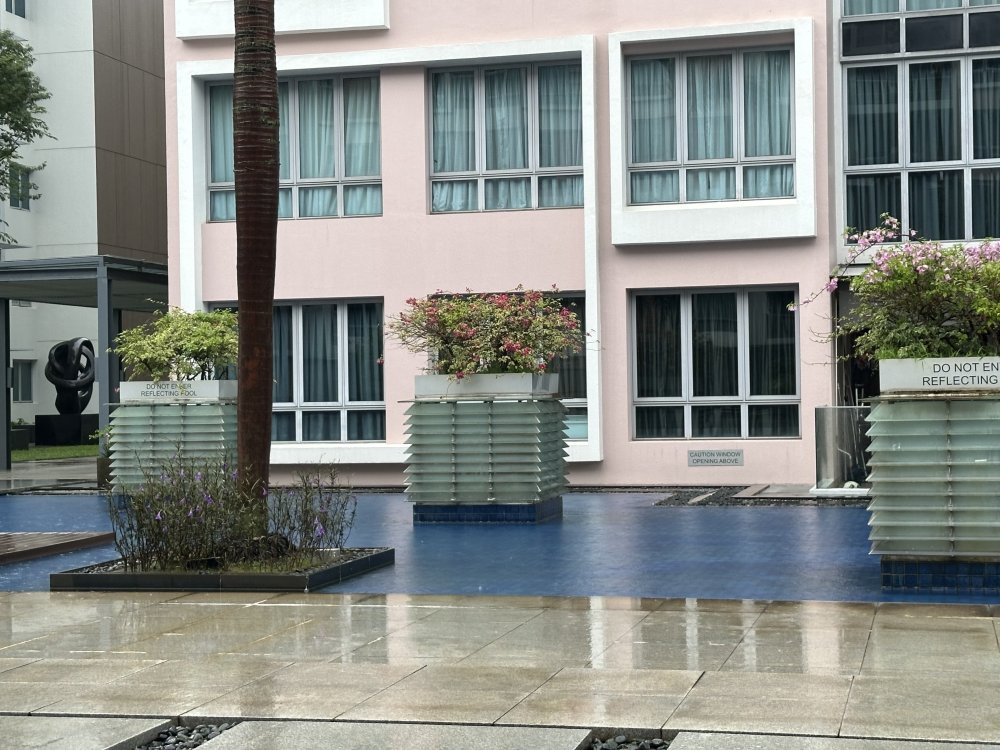
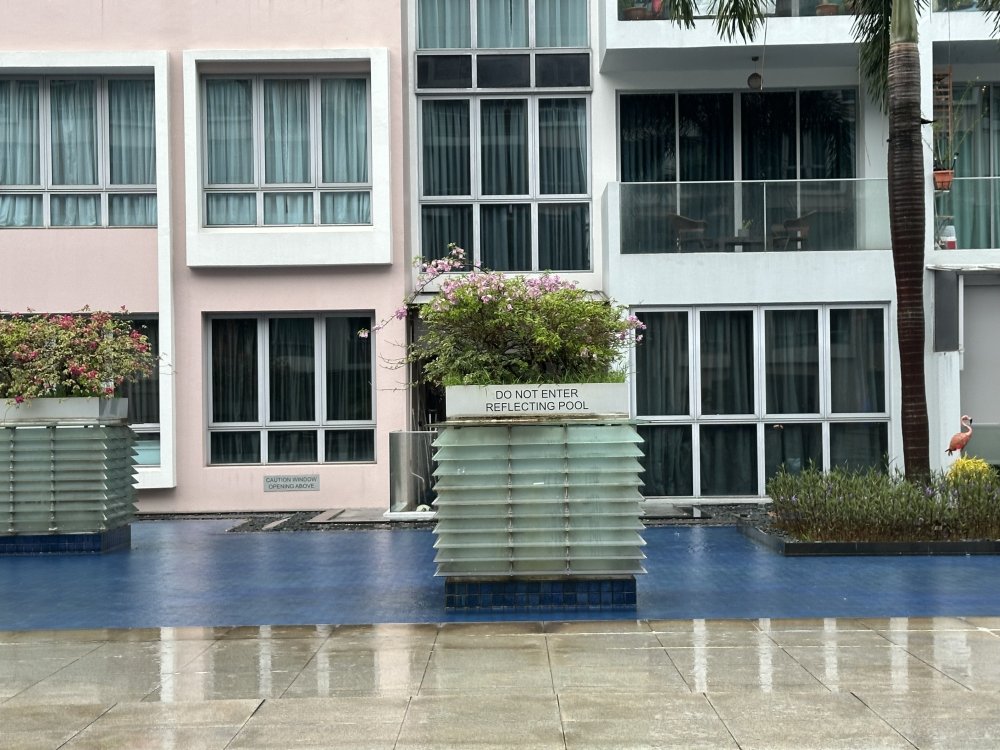
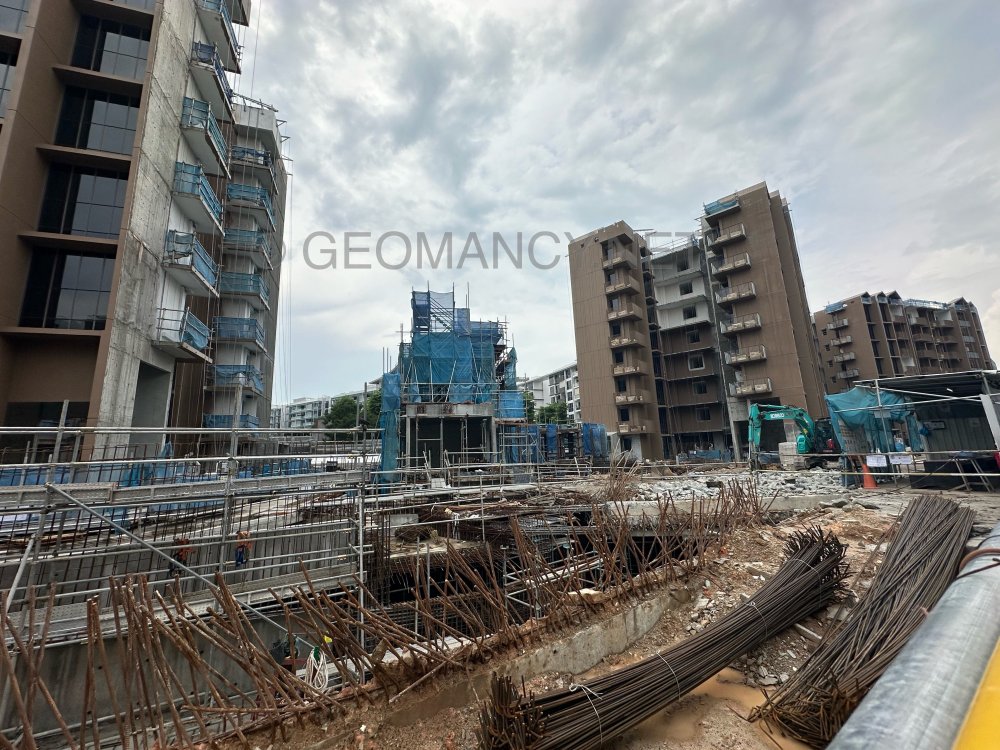 Ferraria Park's basement car park air vents are disguised as a tall, square chimney stack structure with a plant pot on top. Partly blocks the view from ground floor apartments.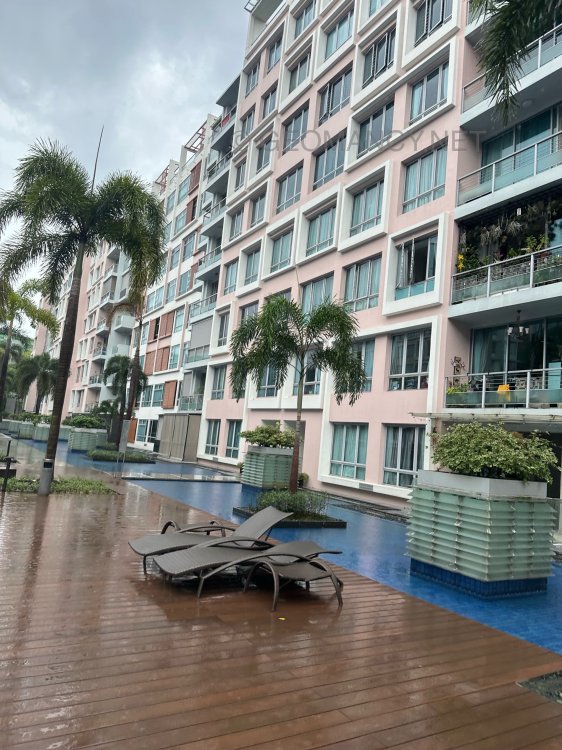
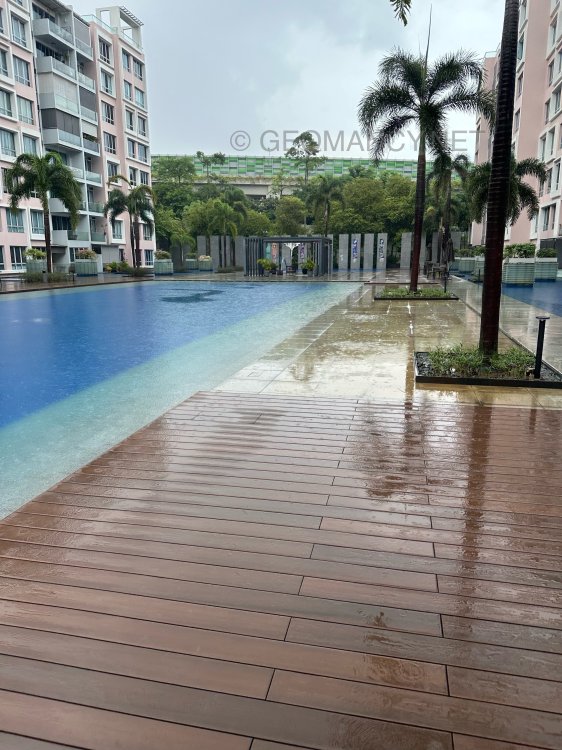
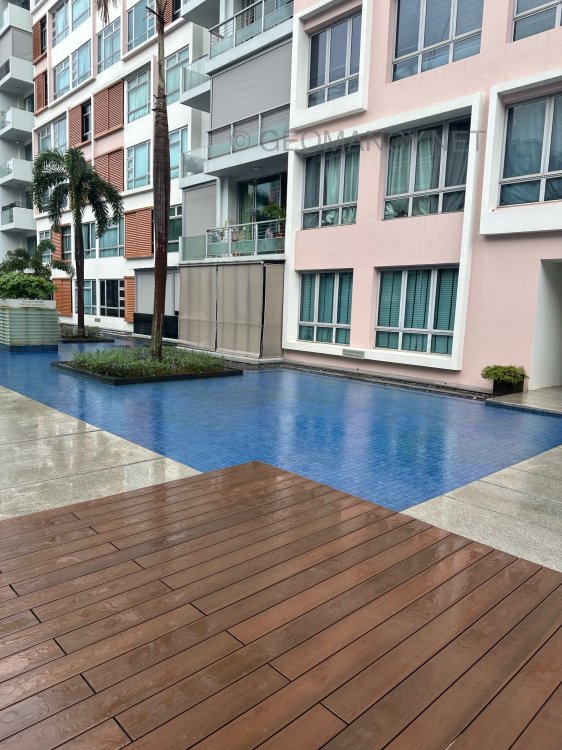
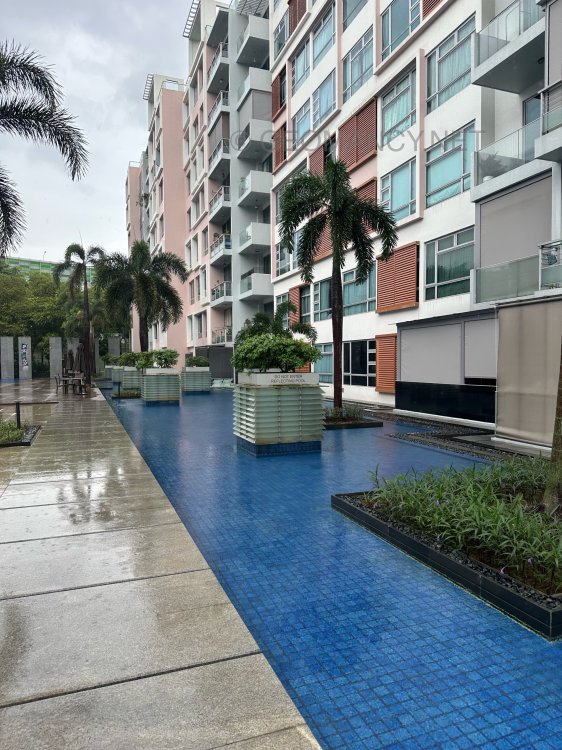
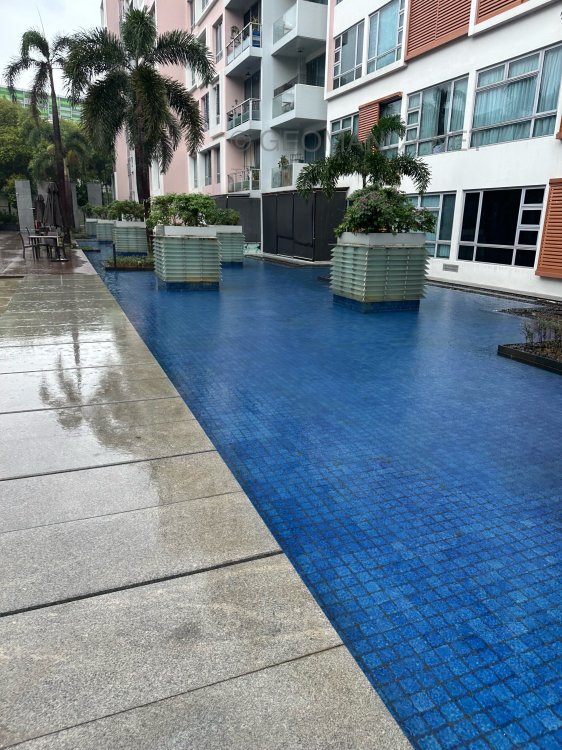
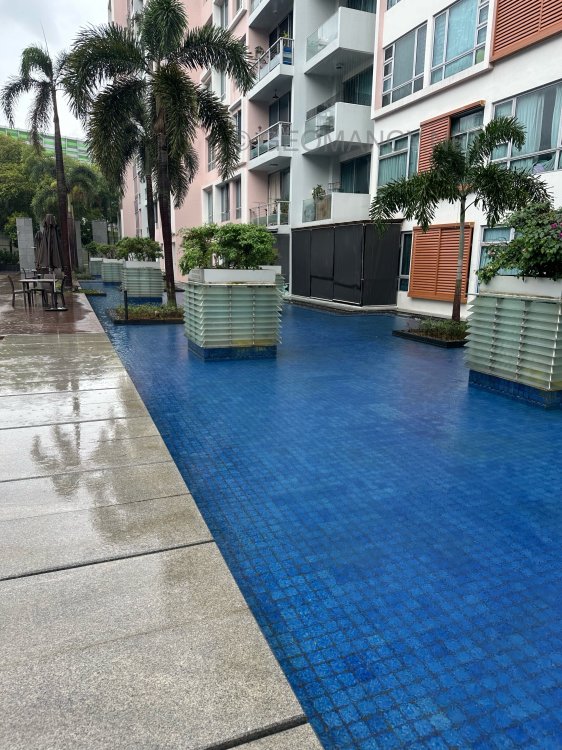
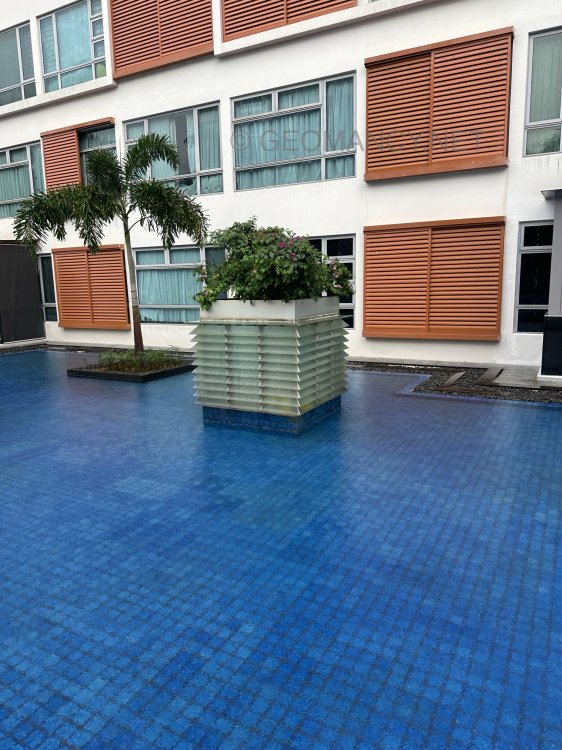
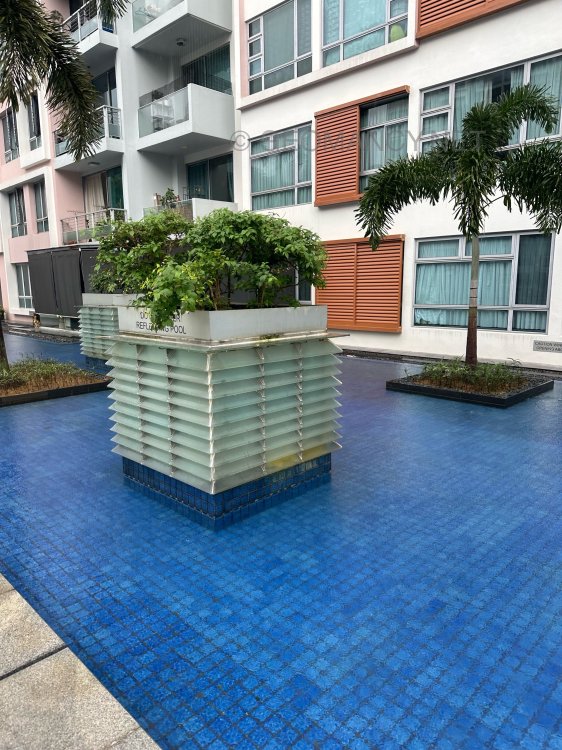
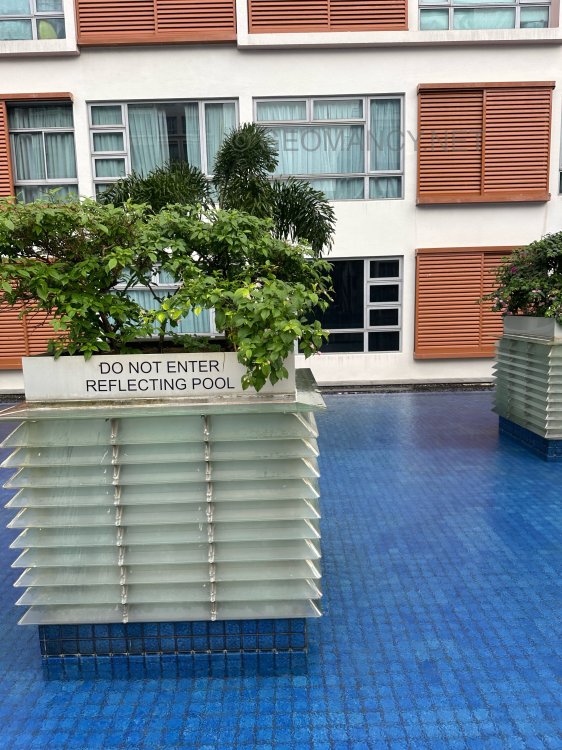
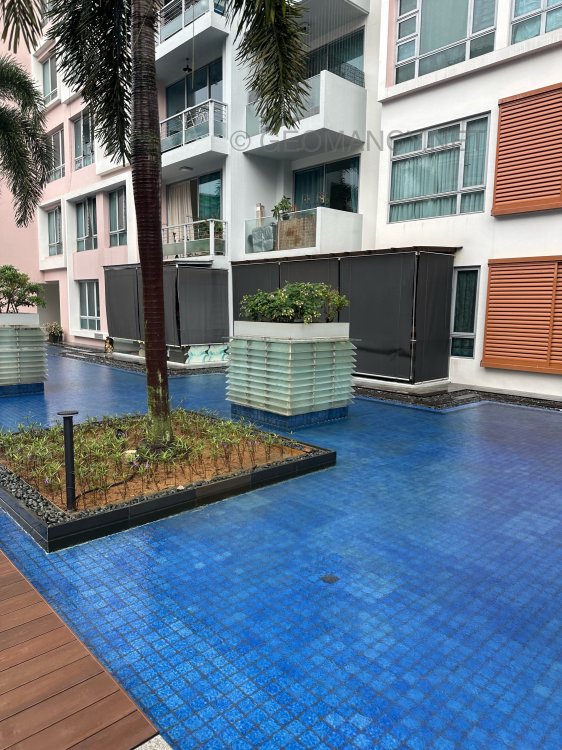
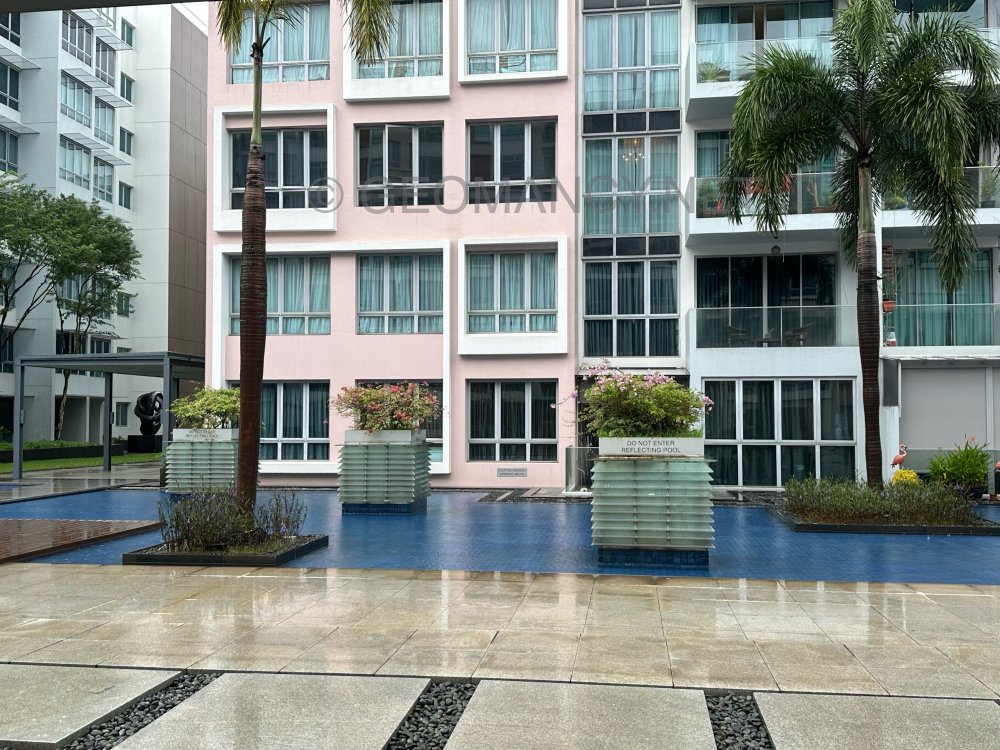
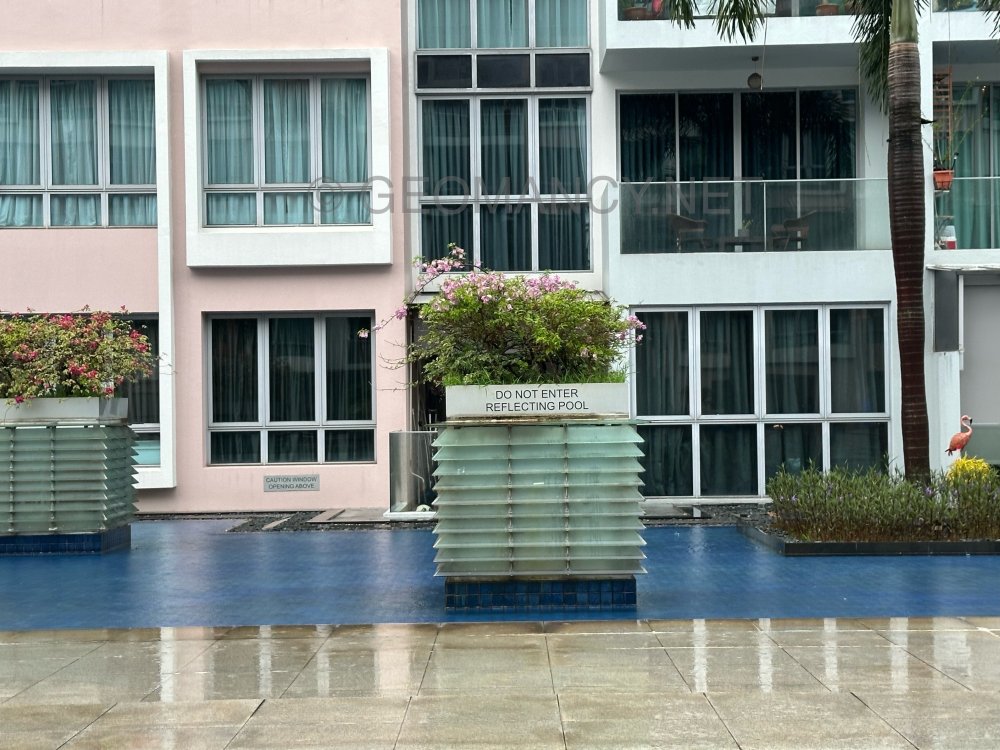
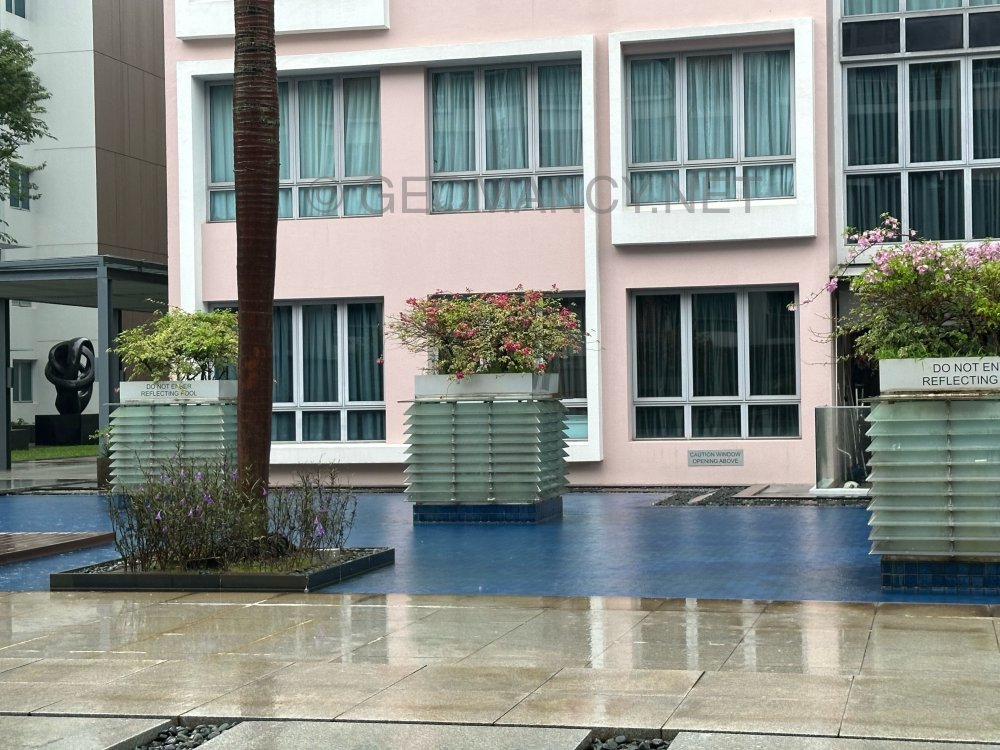
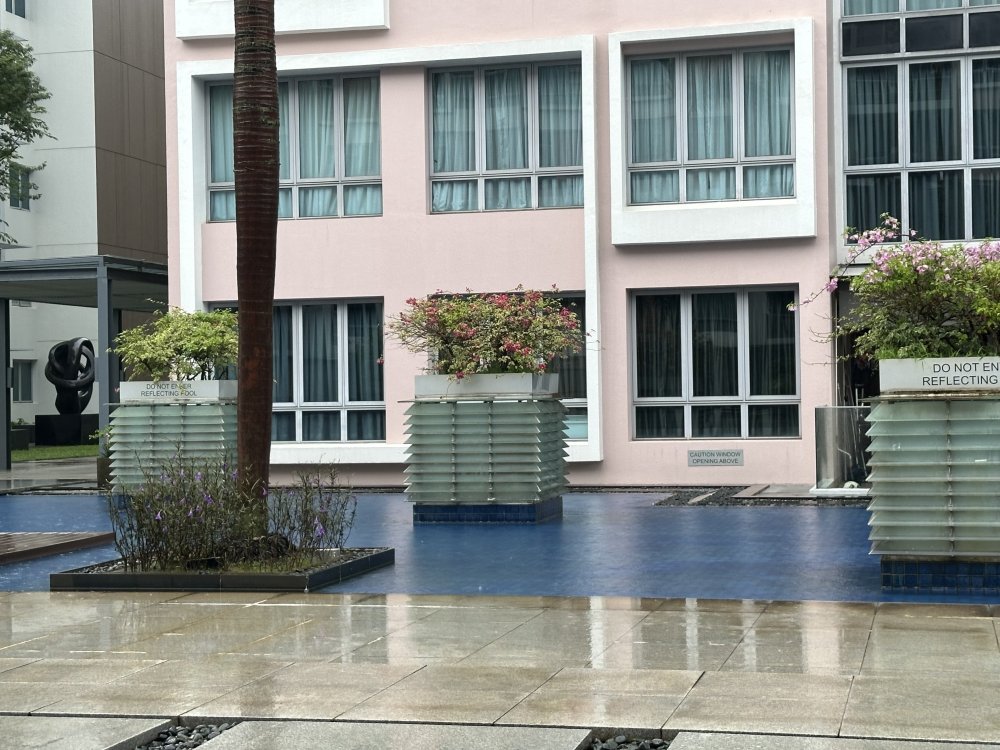
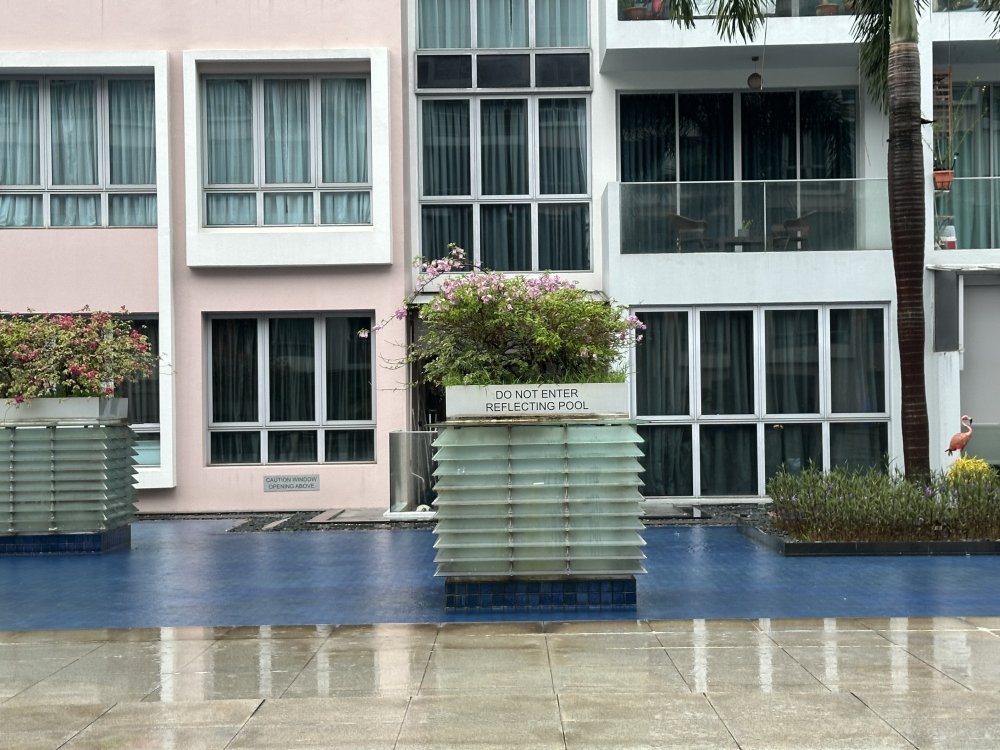
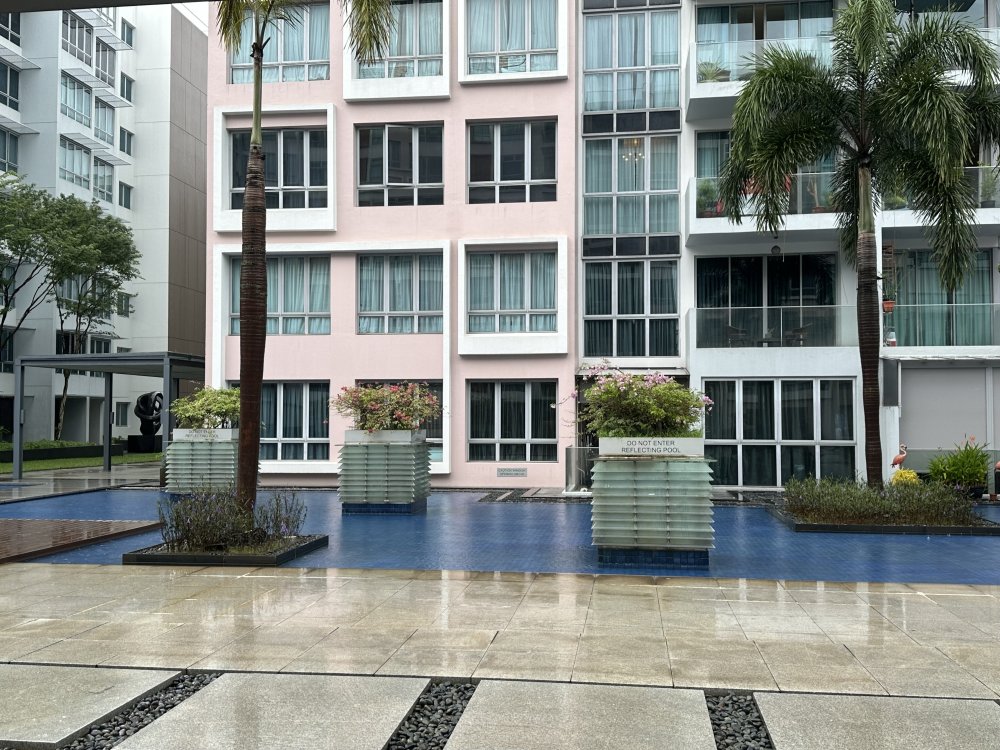
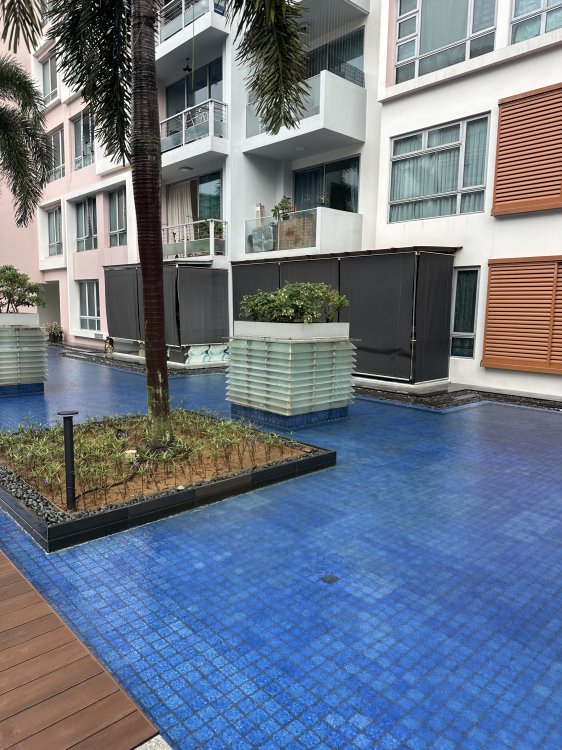
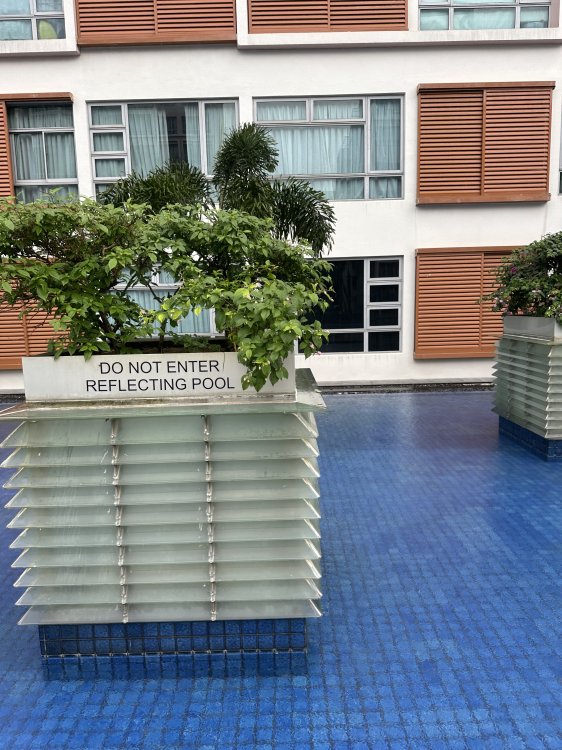
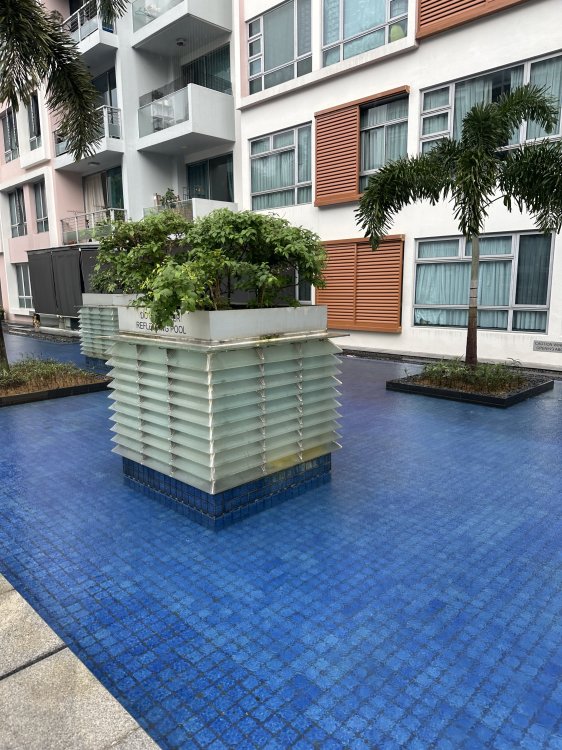
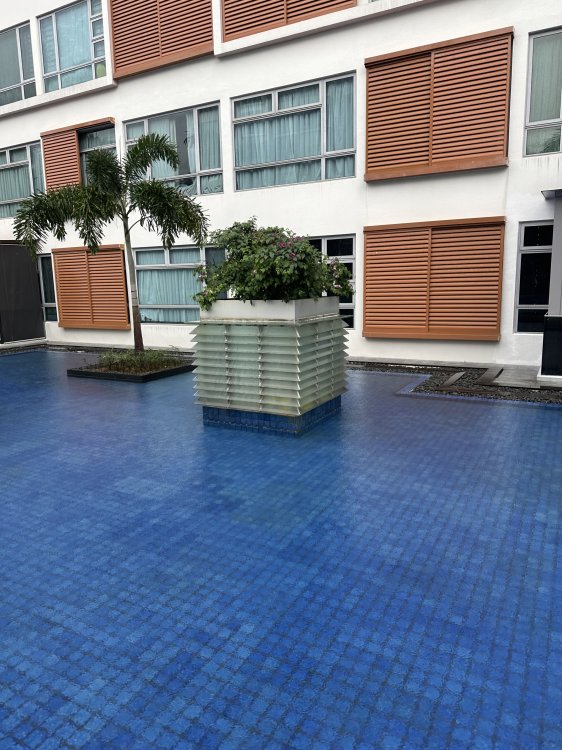
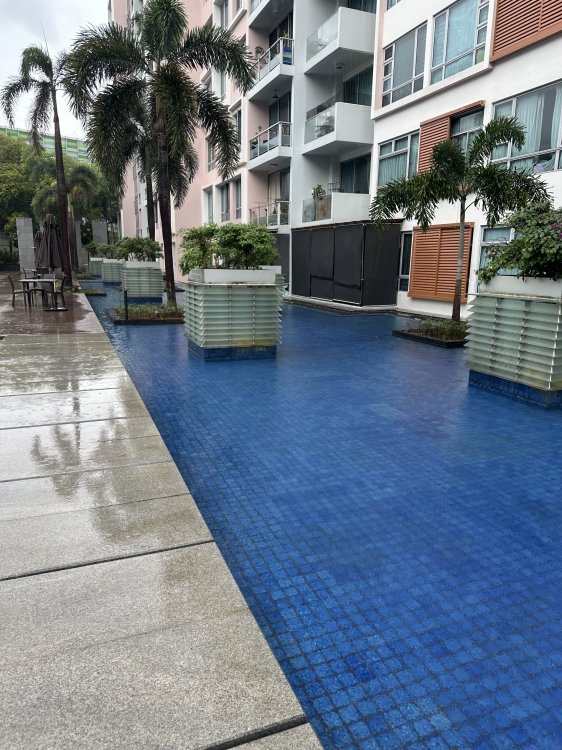
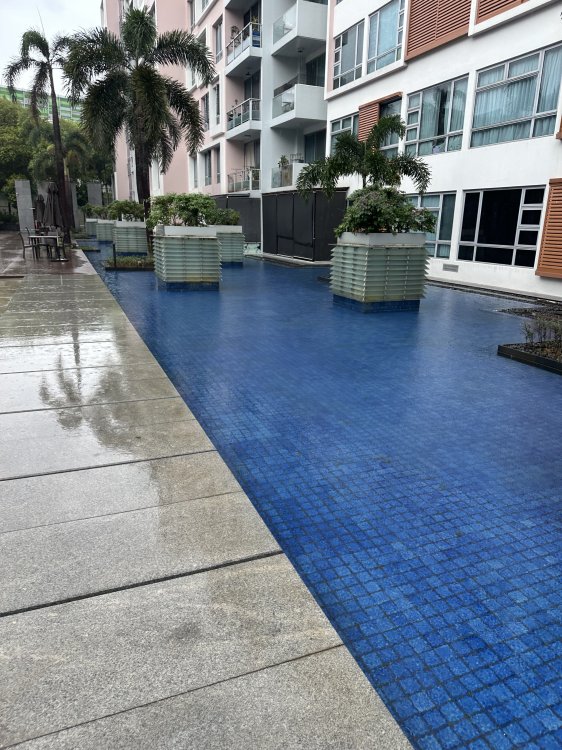
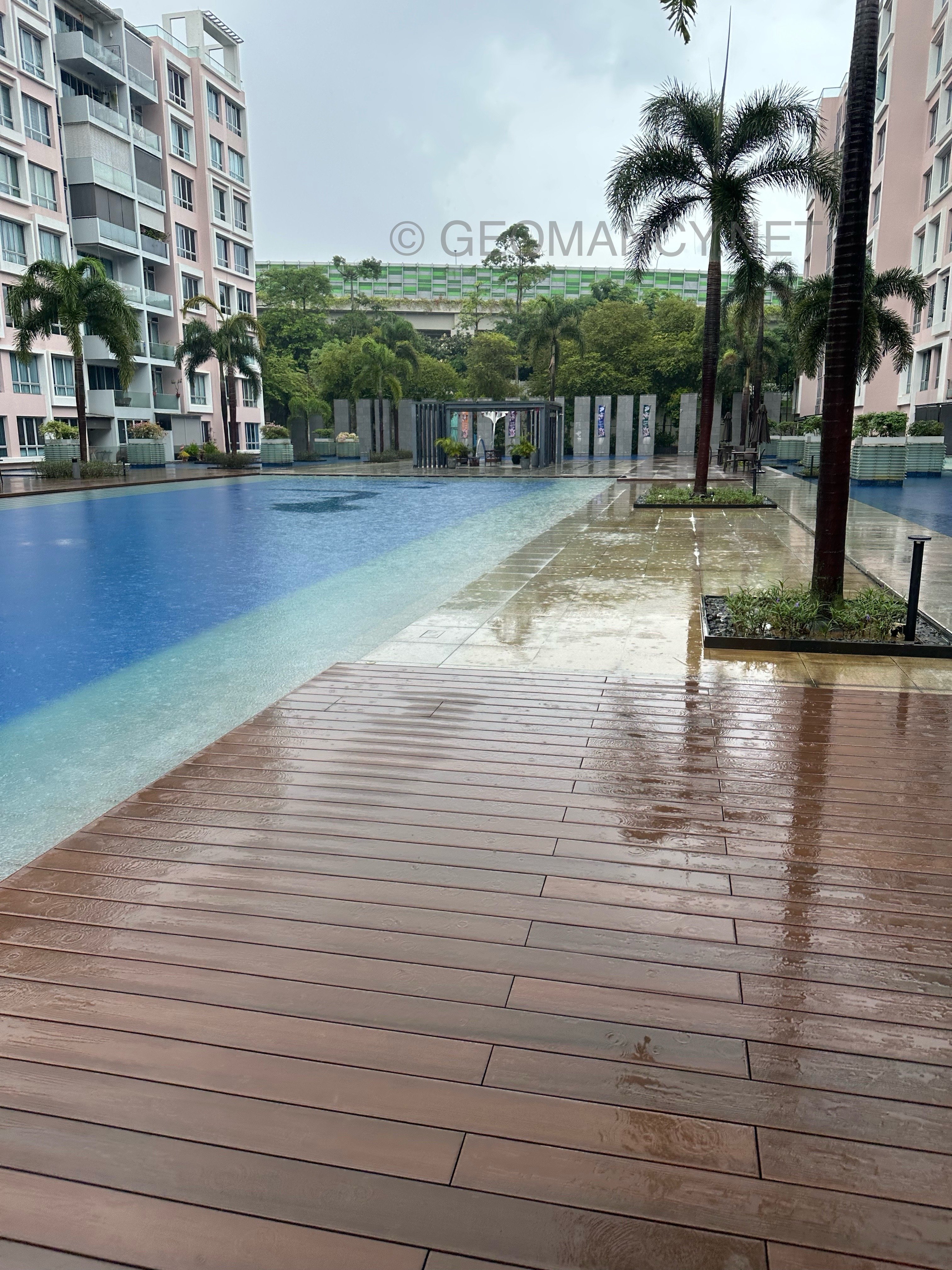
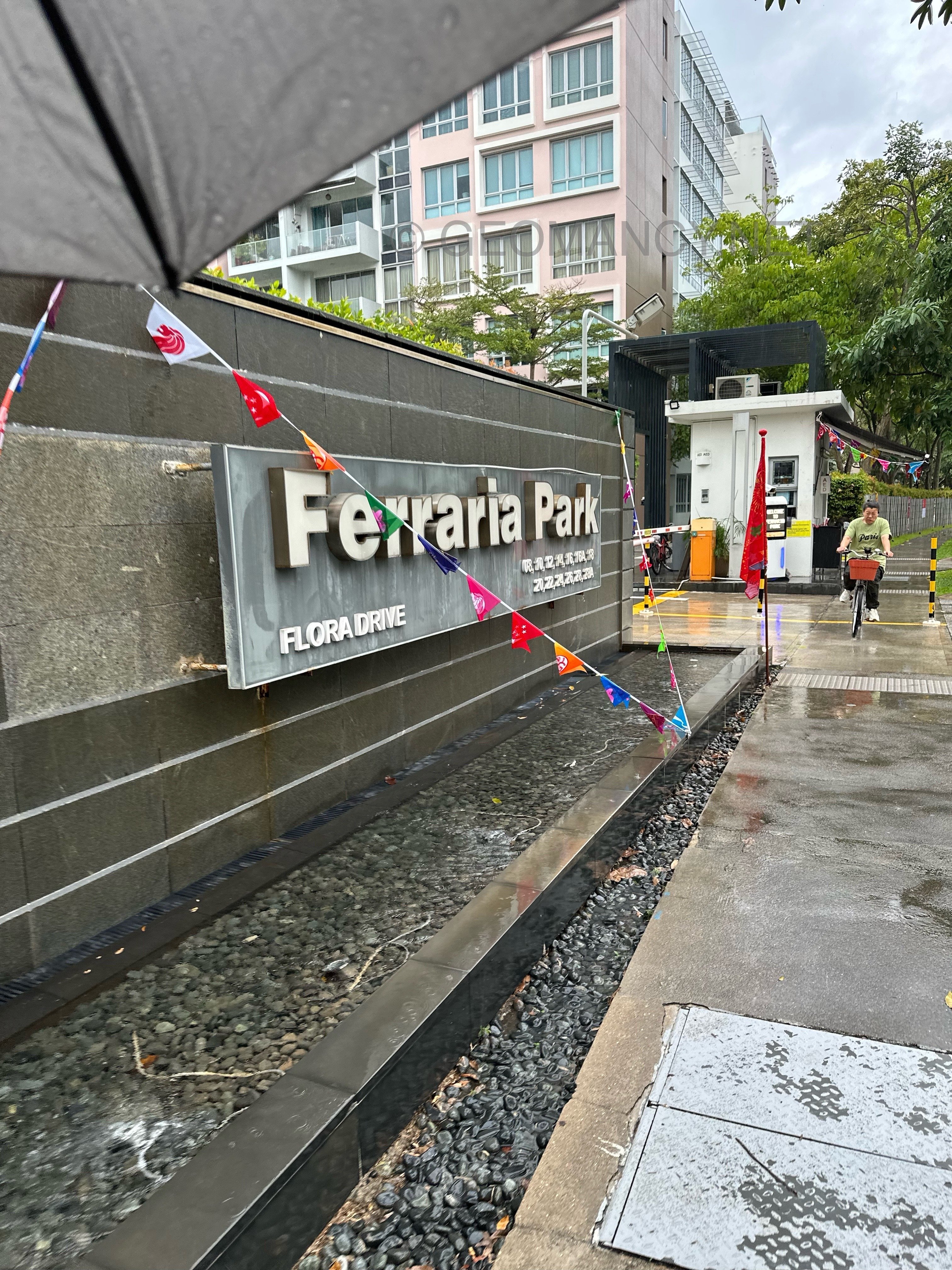
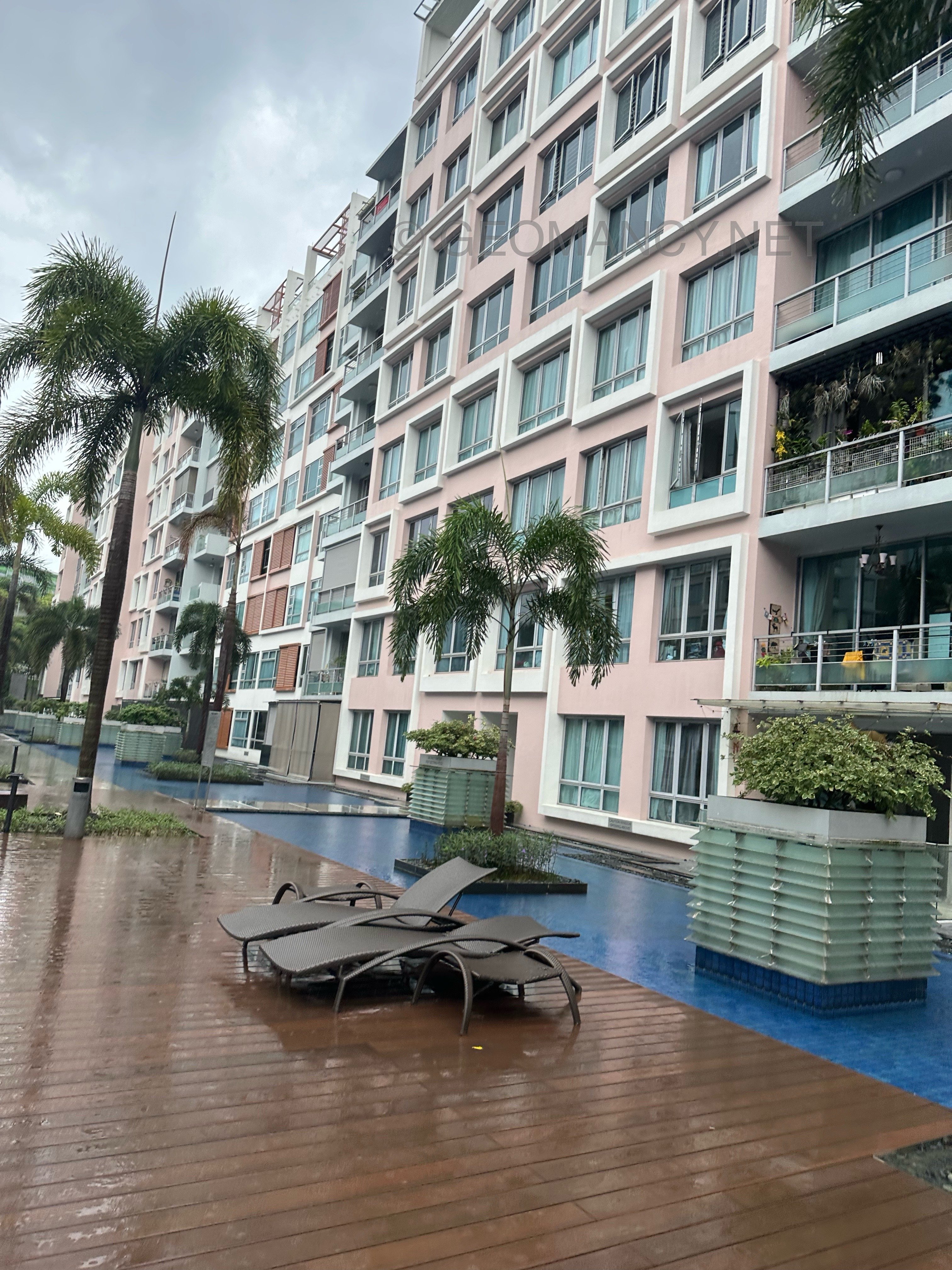
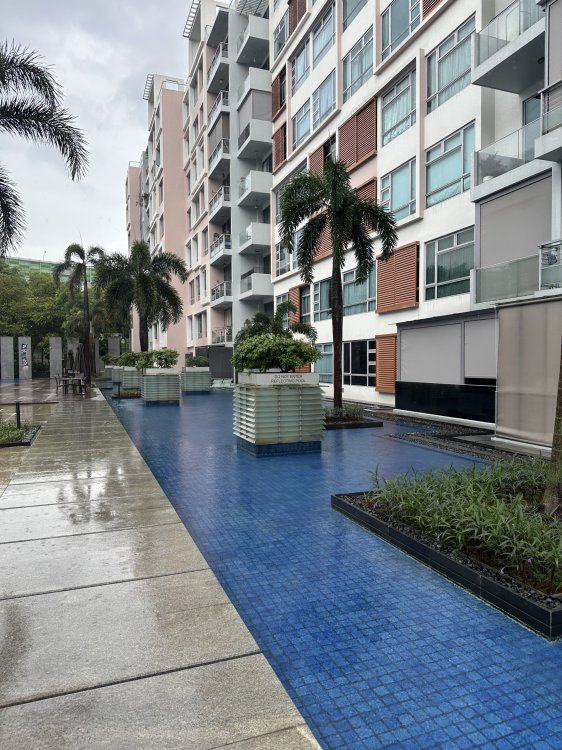 On a lovely Sunday morning on 26th July 2026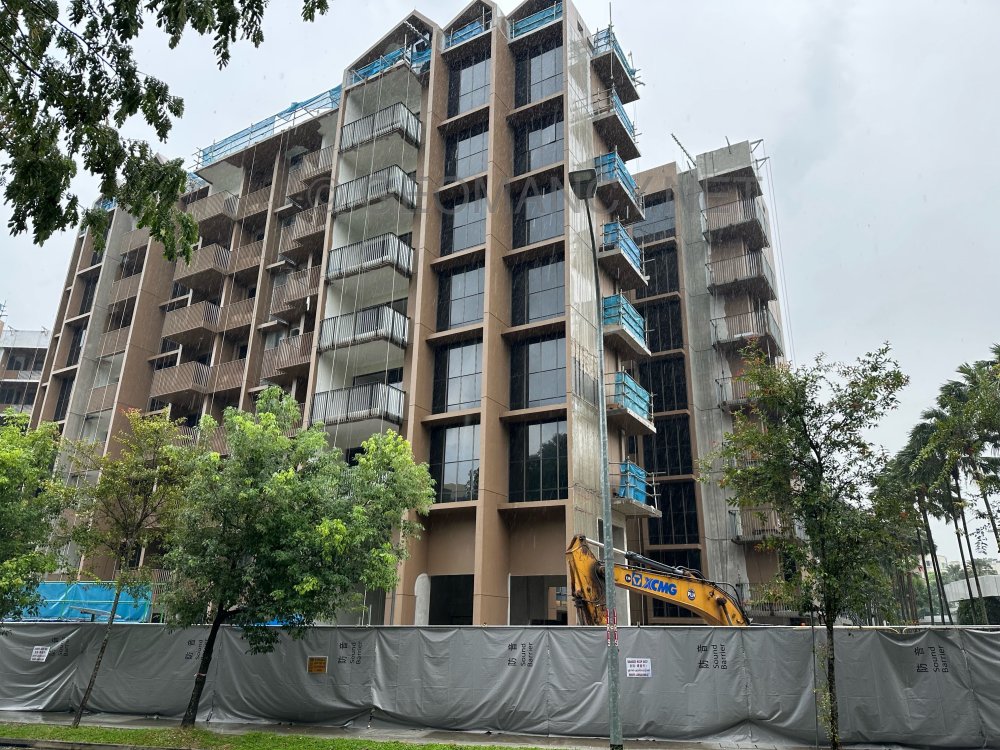
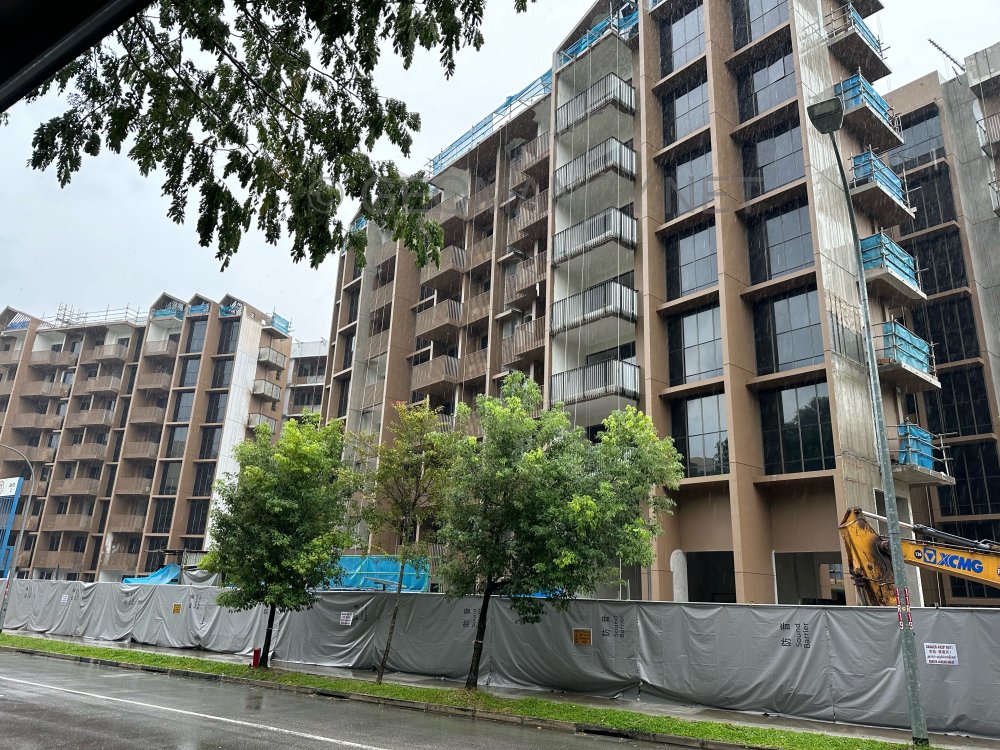
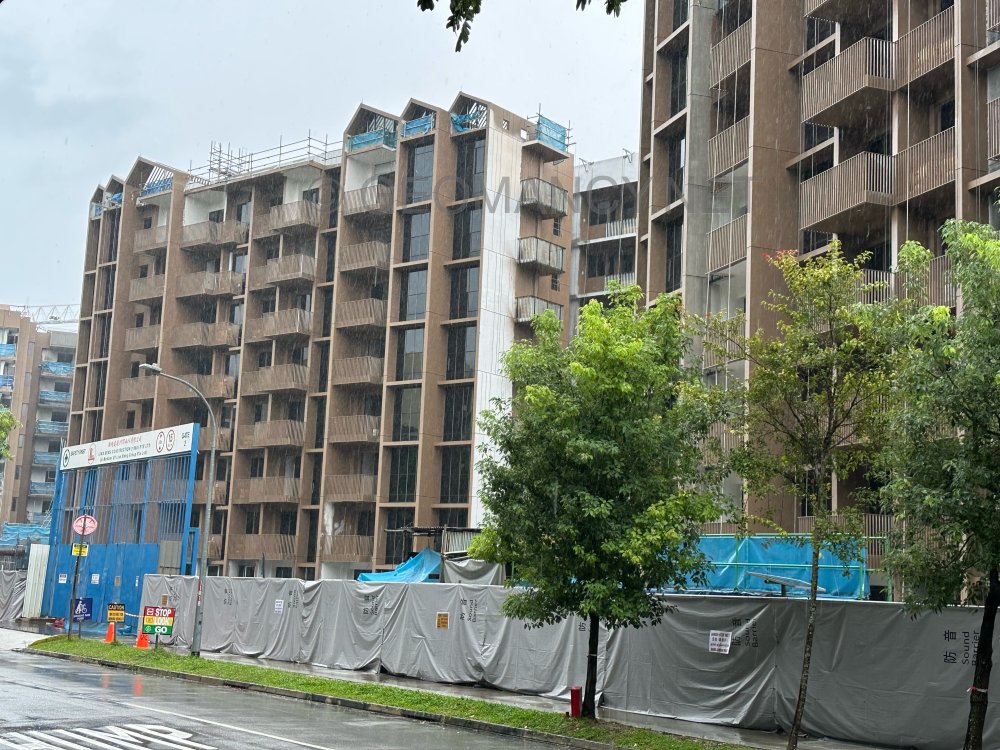
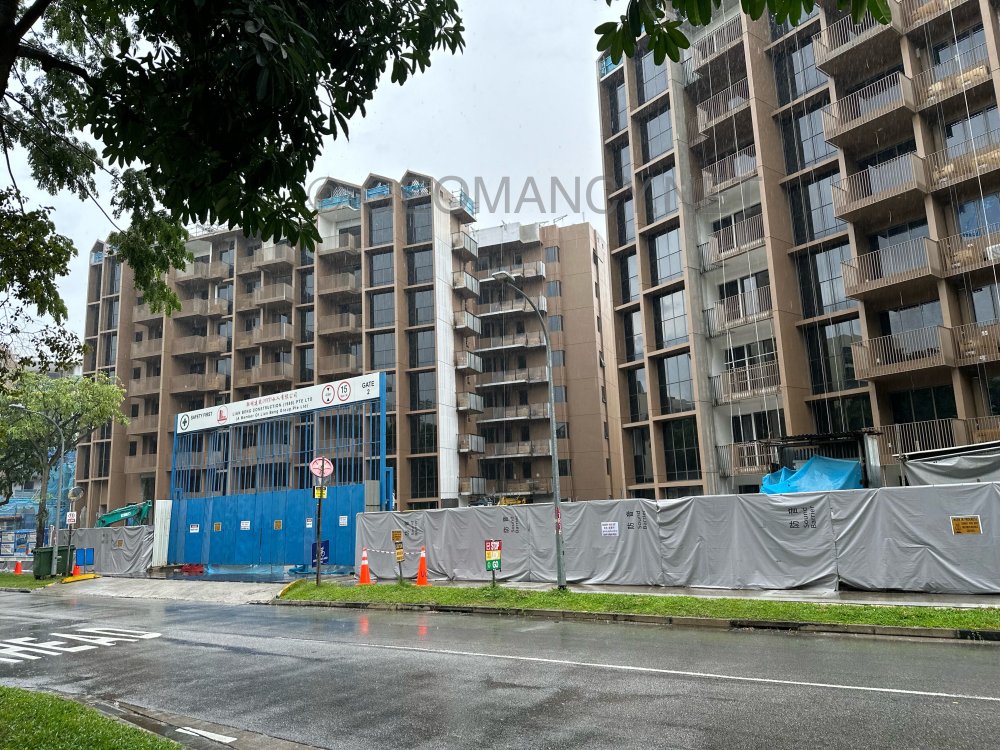
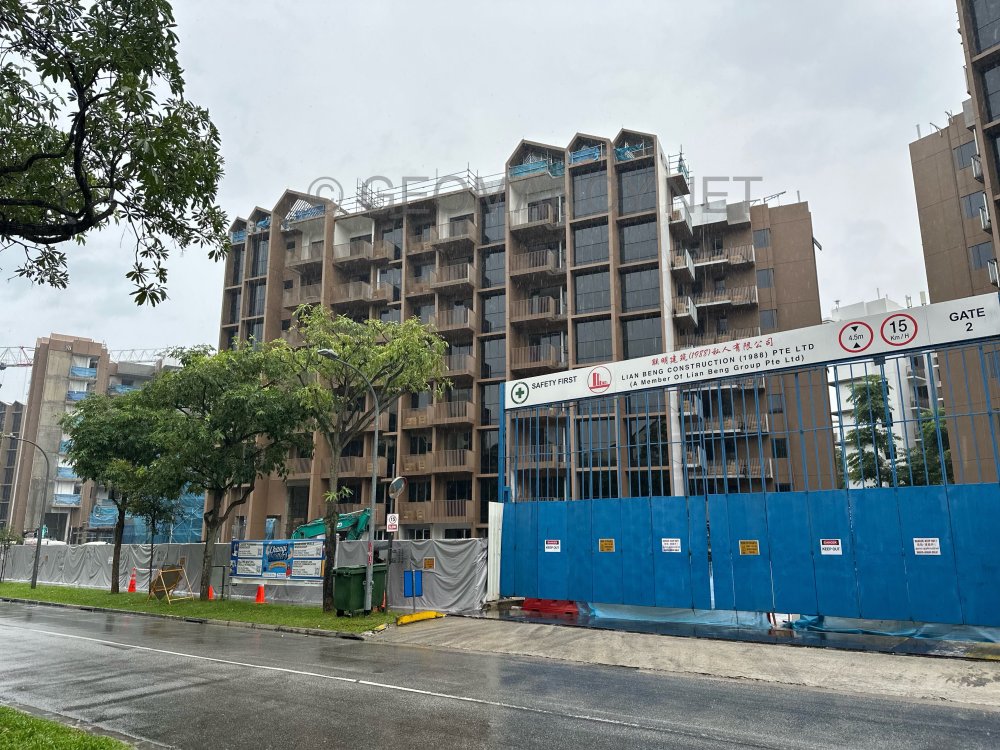
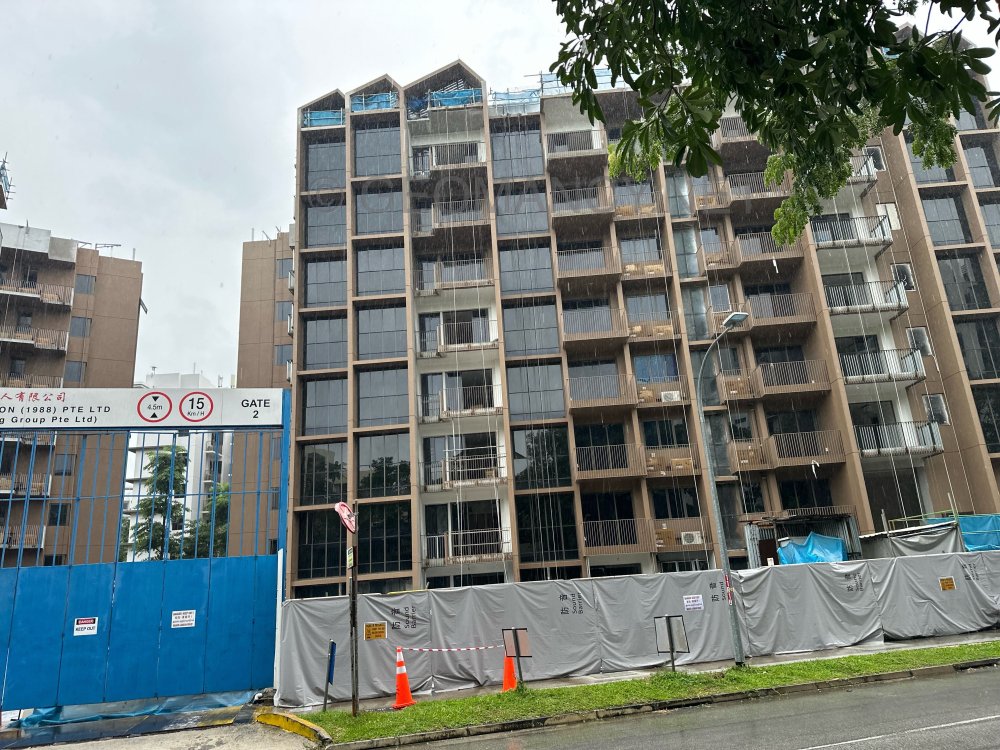
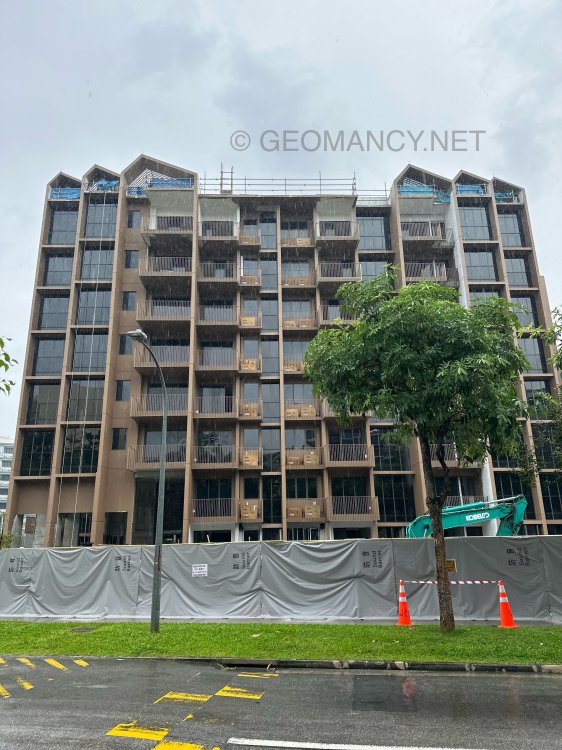
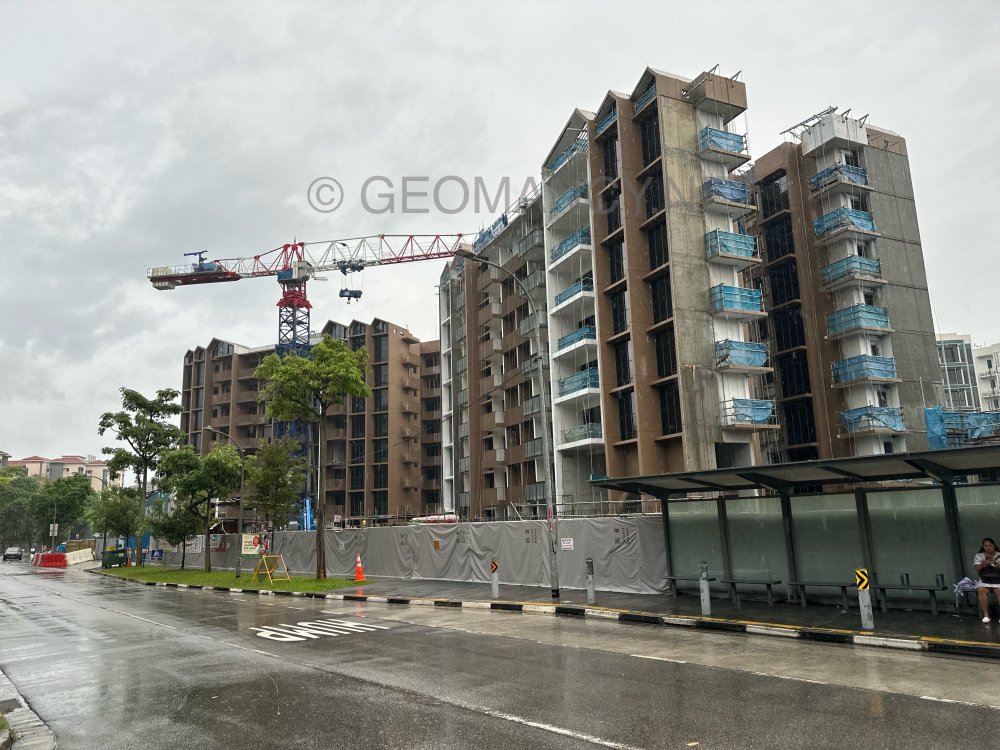
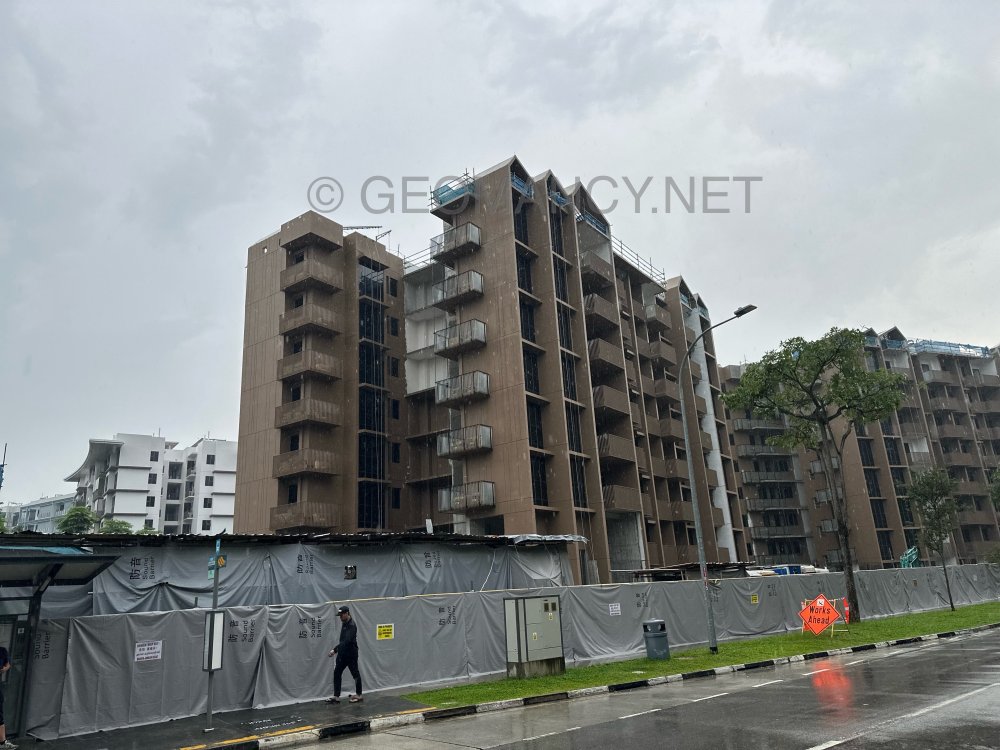
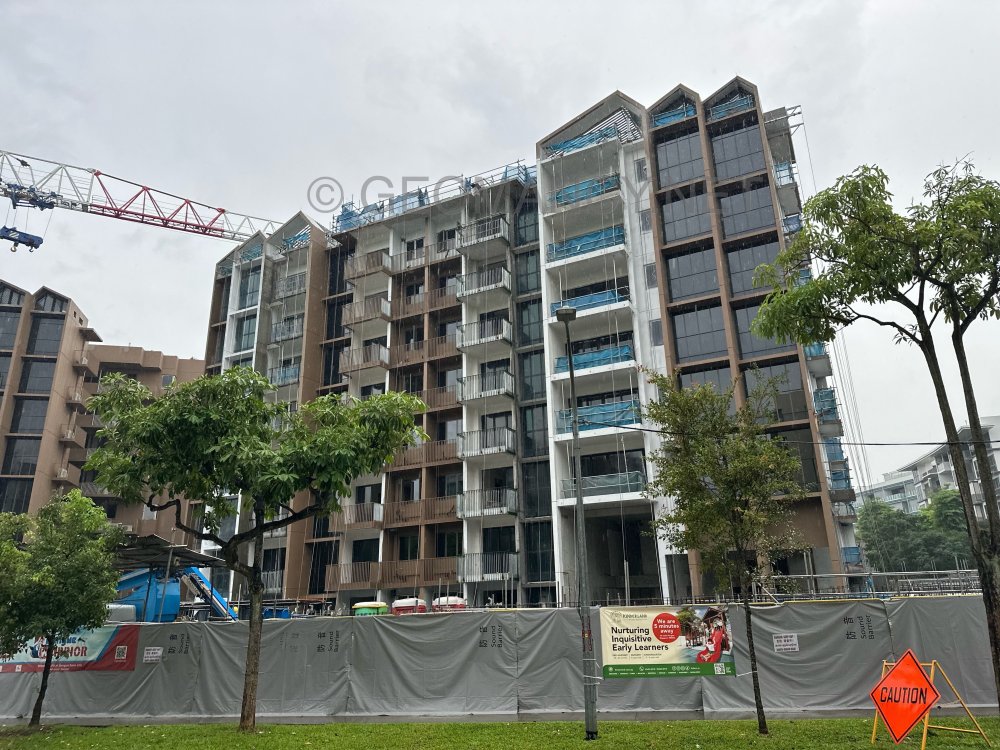
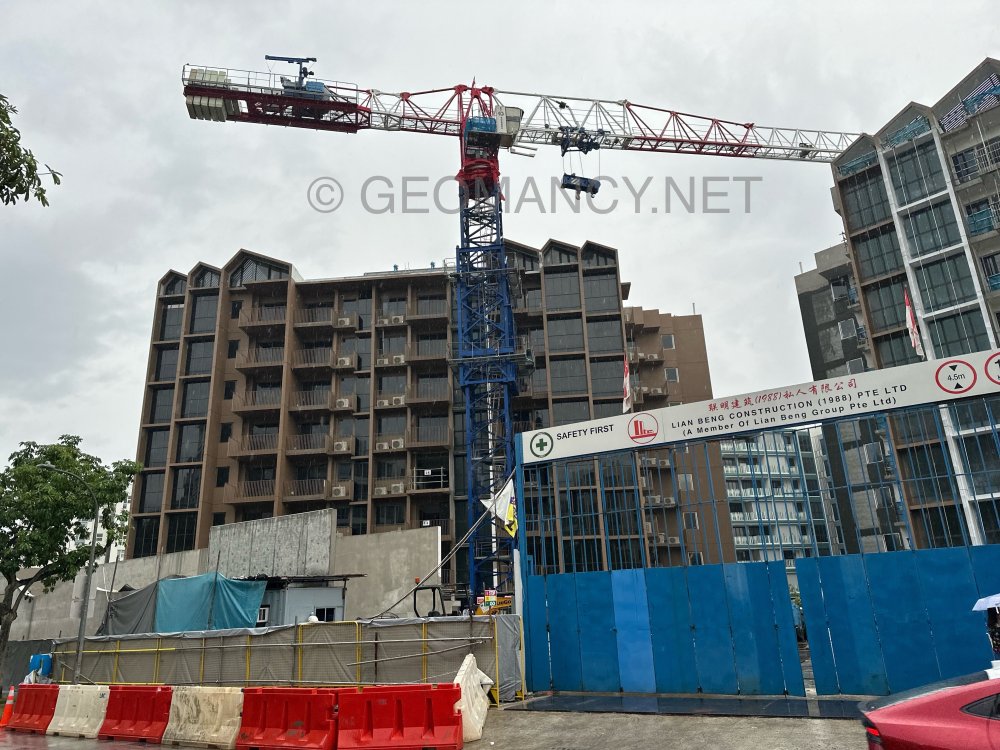
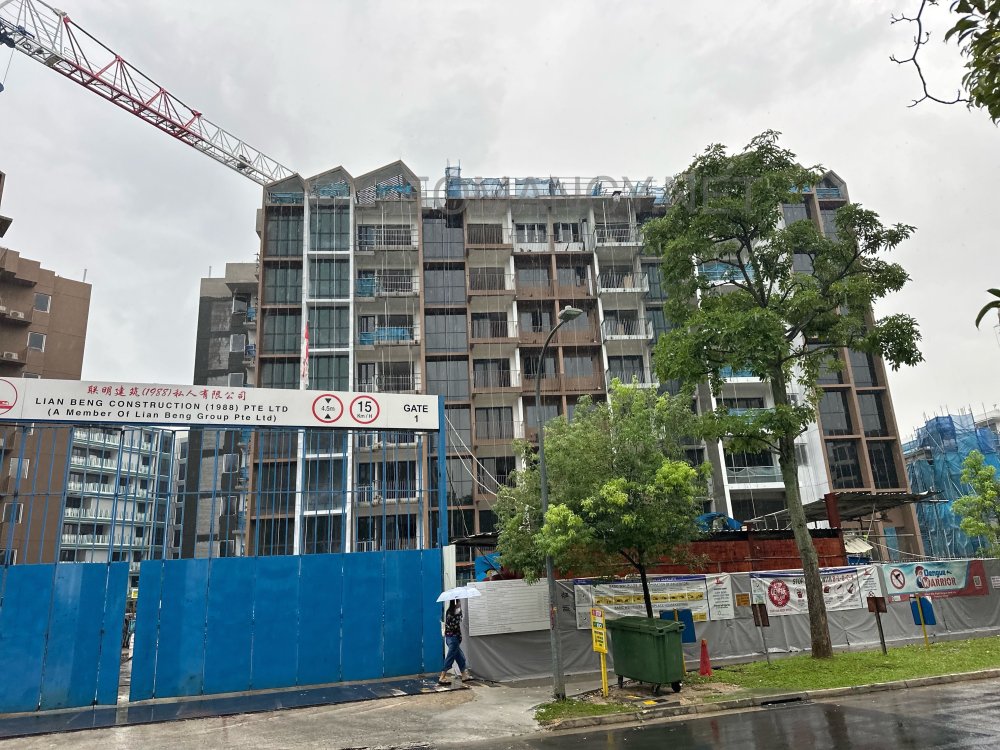
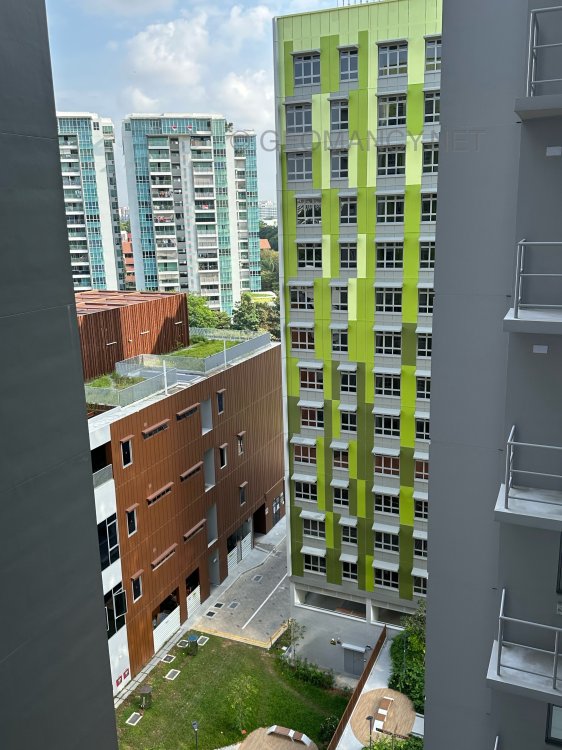
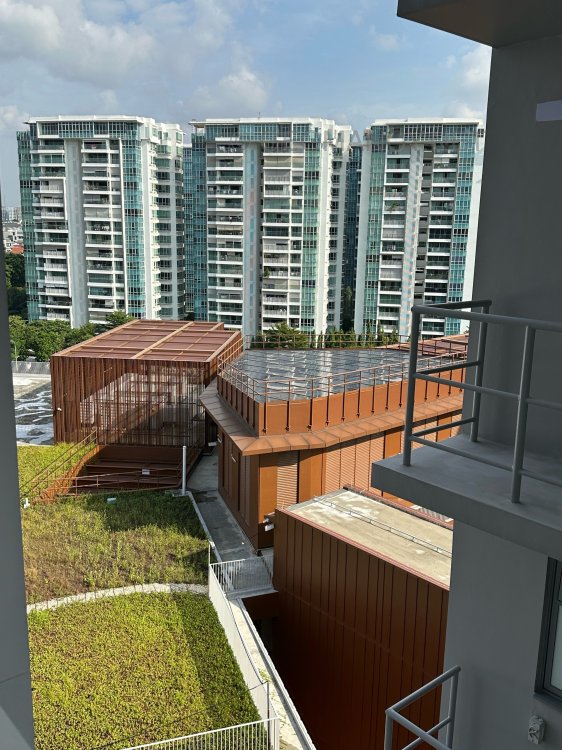
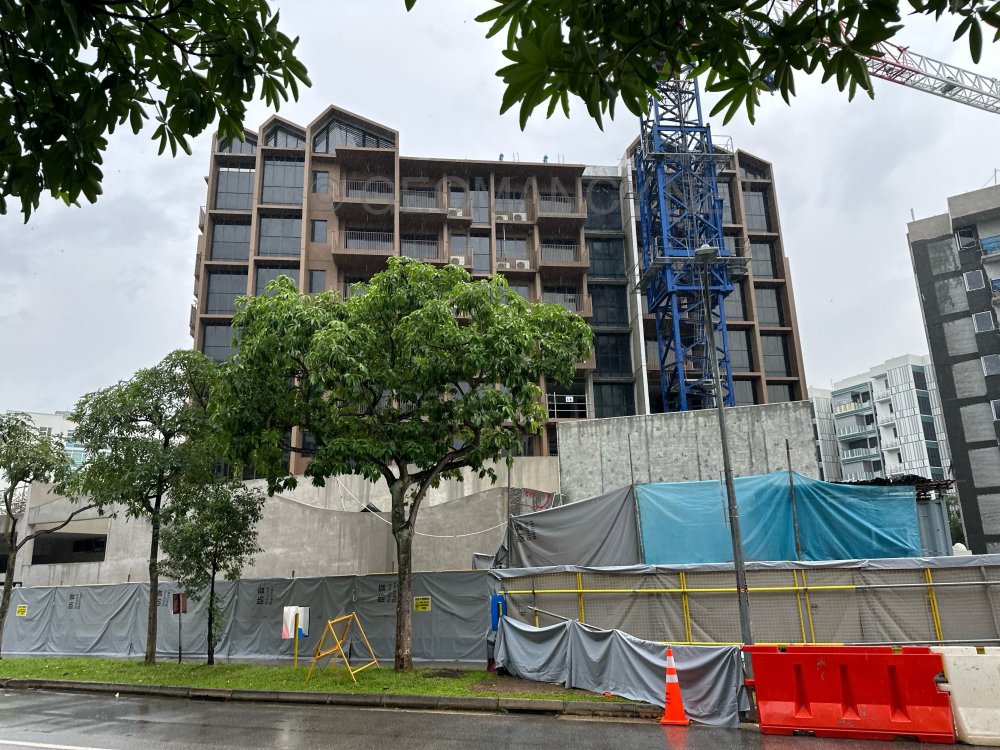 Unique design of Ferraia Park condo Ventilation shafts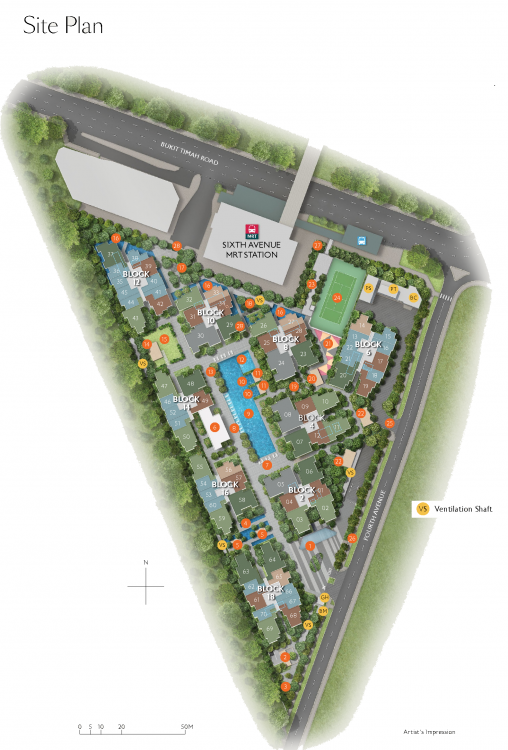
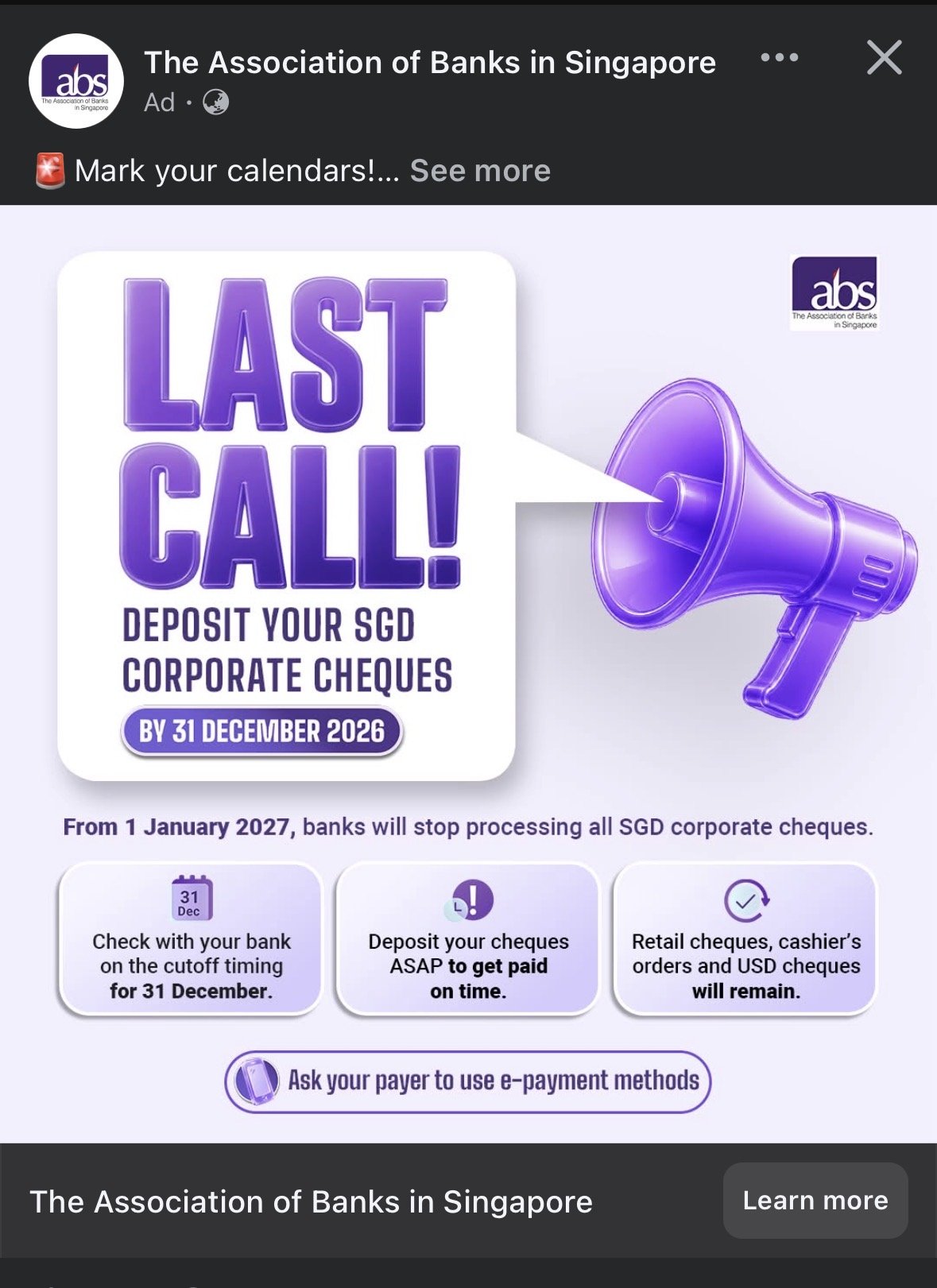
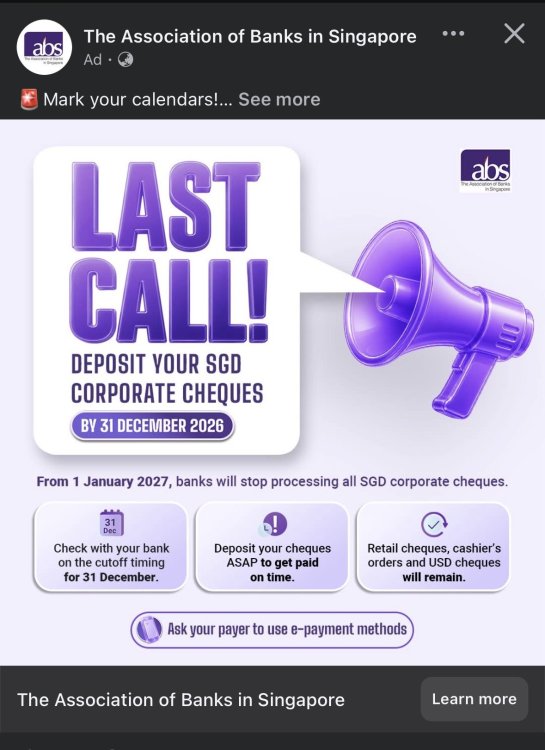
 DISCONTINUATION OF SGD CORPORATE CHEQUES In line with the transition to e-payments for cheque users, the following changes will apply to SGD corporate cheque services: • As of 1 January 2026: All banks have stopped the issuance of new SGD corporate cheque books, bulk cheque services and cheque self-printing services • From 1 January 2027: All banks will stop processing SGD corporate cheques Retail cheques, USD cheques and cashier’s orders remain available. For more information, please refer to the Frequently Asked Questions (FAQs) here. AVAILABLE E-PAYMENT METHODS Individuals and companies may tap on two new e-payment solutions – Electronic Deferred Payment (EDP) and EDP+ – introduced from 28 July 2025 to make deferred payments in place of cheques. EDP and EDP+ complement existing e-payment methods like PayNow, FAST, GIRO and MEPS+, and can be used to make or receive payments. 🚨Mark your calendars! Deposit your SGD corporate cheques early ahead of the 31 Dec 2026 deadline. Check with your respective banks on the early cut-off timings. If you are still receiving any SGD corporate cheques, ask your payer to start using e-payment methods instead. Make the switch to e-payments now: www.abs.org.sg/e-payments #SmartPaymentsMadeSimpler #SmarterBetterFaster #PaymentSolutions #DigitalTransformation #DigitalPayments Credit:
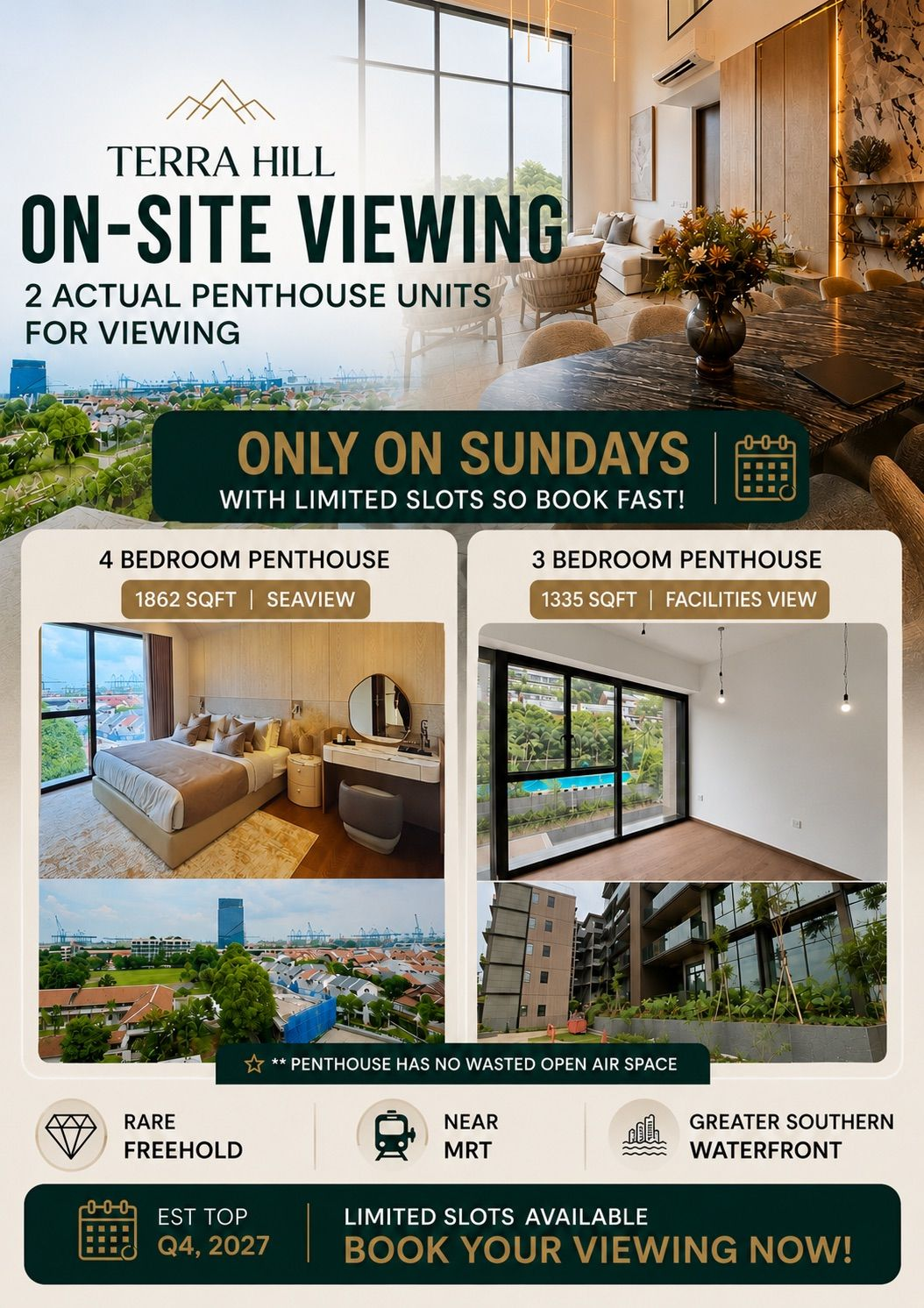
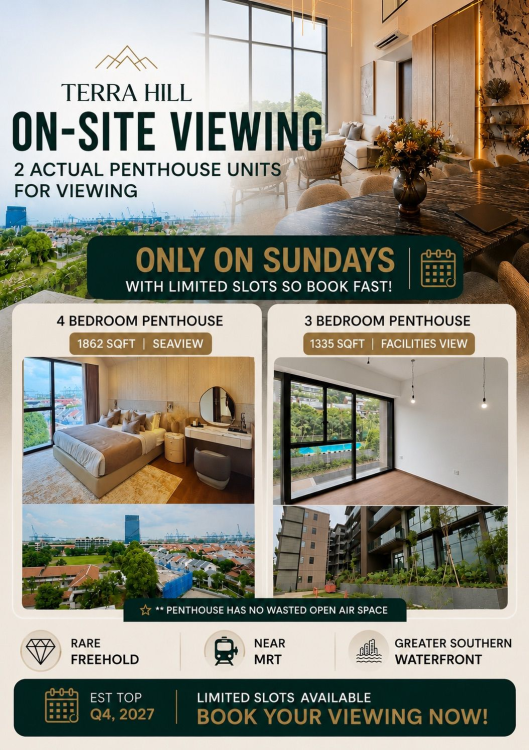
 An Agent sent this AD Terra Hill - Never This Good Promo Discount! $480K DISC FOR SELECTED 4 BEDDER MORE THAN $1 MIL DISC FOR SELECTED 5 BEDDER! Plus, 🏡 Exclusive Penthouse Viewing (Actual Unit) – A rare opportunity to step into 2 actual completed penthouse units and experience the quality, layout and views for yourself. ✨ Why Terra Hill? * Rare Freehold development in District 5 * Minutes to the upcoming Greater Southern Waterfront transformation * Short walk to Pasir Panjang MRT * Efficient penthouse layouts with no wasted open-air terrace space * Near to NUS, NUH and One North Business Park * High Ceiling of over 5.5m - a rare find in the new post-harmonised developments * Super Attractive $2,2xxPsf Onwards For Brand New Freehold !! * TOP Soon ! End 2027 📍 Available for viewing: * 4 Bedroom Penthouse – 1,862 sqft * 3 Bedroom Penthouse – 1,335 sqft ⏰ Limited viewing slots available.
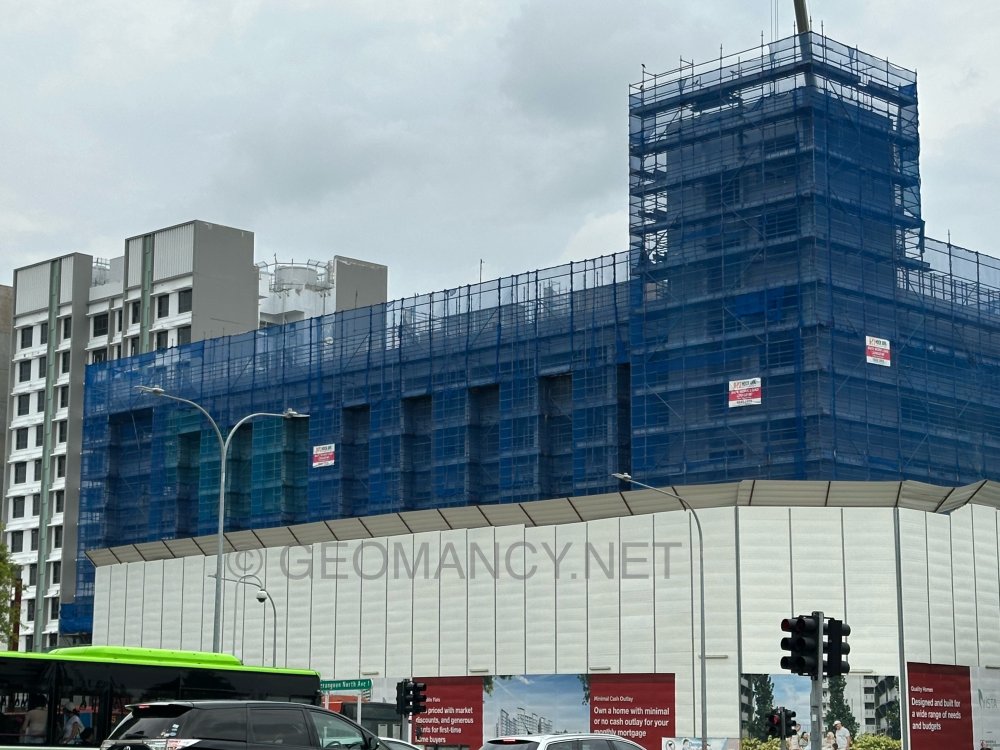
 On 25th July 2026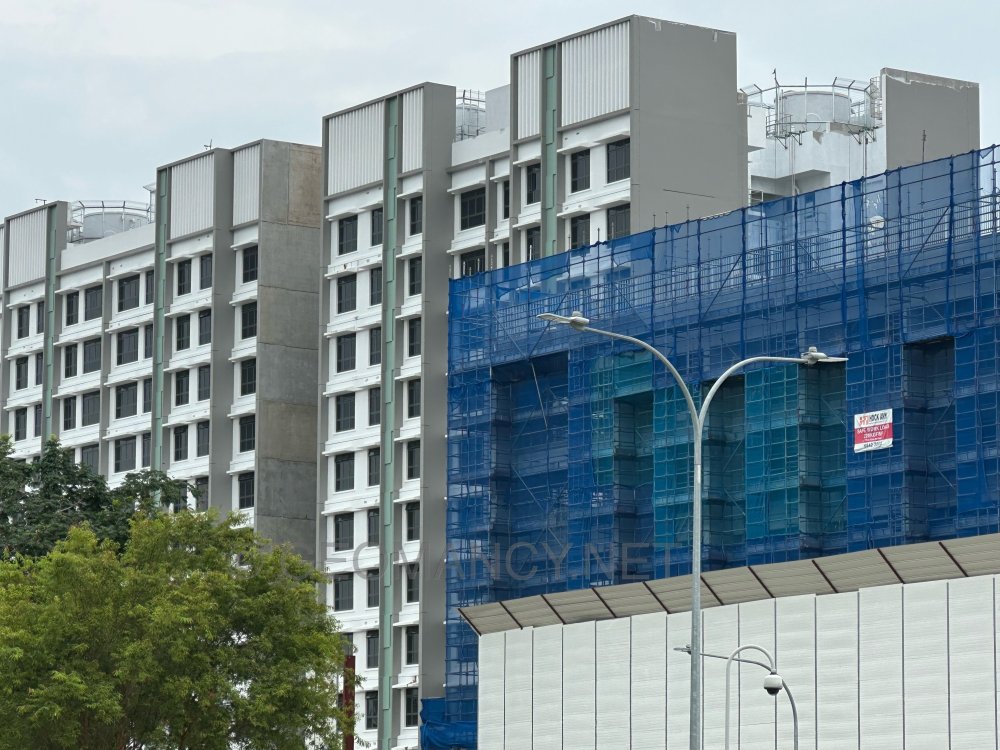
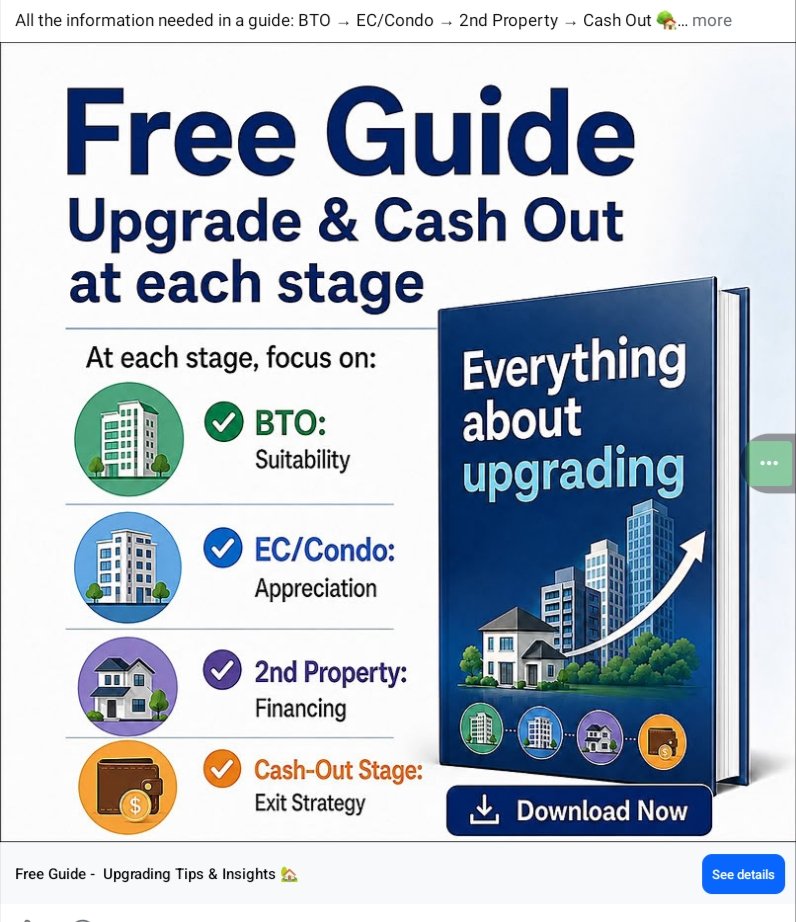
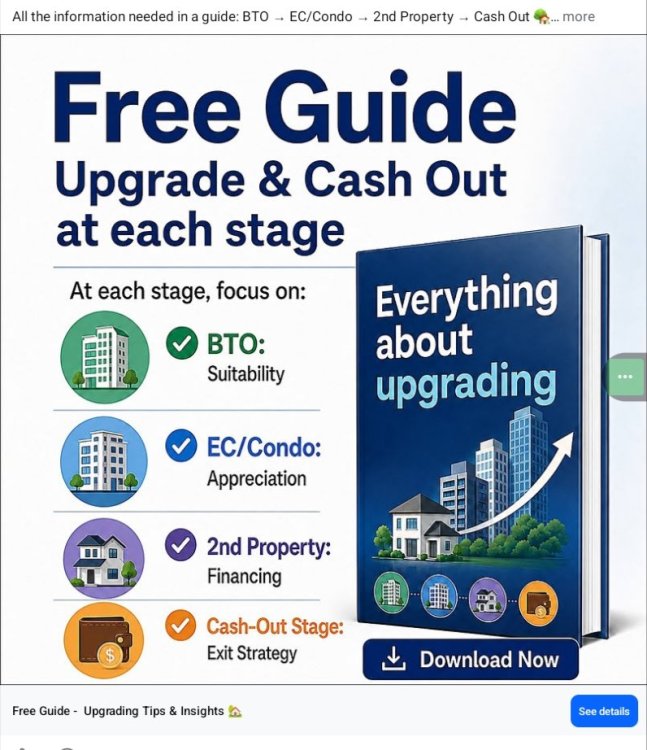
 The Power of FREE? 1. Persuasive elements (how it tries to convince) * The Power of "Free": The biggest text on the screen is "Free Guide." This lowers the risk for the user. People love getting valuable information without having to pay for it. * A Clear, Easy Roadmap: Property upgrading is stressful. This ad breaks the journey into four simple, color-coded steps (BTO ➔ EC/Condo ➔ 2nd Property ➔ Cash Out). It makes a complicated process feel organized and achievable. * Appealing to Wealth Building: Phrases like "Upgrade," "Cash Out," and "Appreciation" directly target a person's desire to grow their wealth and climb the property ladder (a very popular goal in Singapore). * Making it Look Real: The ad uses a 3D image of a thick book. Even though it is a digital download, making it look like a physical book increases its perceived value. It feels like a substantial resource, not just a short article. 2. Critical issues / what’s missing * Who is behind this? Just like the first ad we looked at, this one is completely anonymous. There is no agent name, no real estate agency logo, and no license number. This lack of transparency can make people suspicious about who is collecting their data. * The Hidden Cost (Data): While the guide is "free" financially, users know they will likely have to trade their contact information (email or phone number) to get it. If the next page demands too much personal information, many people will abandon the process. * Oversimplified Reality: The graphic makes property upgrading look incredibly easy and straightforward. Experienced buyers know that taxes (like ABSD) and loan limits make this journey very complex. Making it look too simple might cause some users to doubt its credibility. 3. Does it encourage a click? (Would you click on this ad?) * Yes, it is highly clickable. The ad is clean, easy to read, and offers immediate value. If someone is currently living in a BTO or Condo and wondering what to do next, this ad speaks directly to their situation. * Clear Next Step: The ad has a clear visual flow. Your eyes go from the big headline to the steps, to the book, and finally to the "Download Now" button. * Slight Button Confusion: The image itself has a "Download Now" button, but the actual Facebook button at the bottom says "See details." This is a minor mismatch, but the overall intent to click is very strong. 4. Overall take This is an excellent, textbook example of a "Lead Magnet" ad. It sells education rather than a direct sales pitch, which makes people much more willing to click. It perfectly targets the "Singaporean Dream" of upgrading properties and making money from real estate. However, its true success depends on what happens after the click. If the user gets exactly what was promised (a helpful, downloadable PDF), it will build trust. If it is a bait-and-switch that forces them to book a phone call to get the information, it will annoy the user and ruin that trust.
 Squarish or Narrow Layout Better? Is a squarish or narrow layout better for an office unit What key factors should I consider Does this also apply to homes - Feng Shui for Business - FengShui.Geomancy.Net
 AD
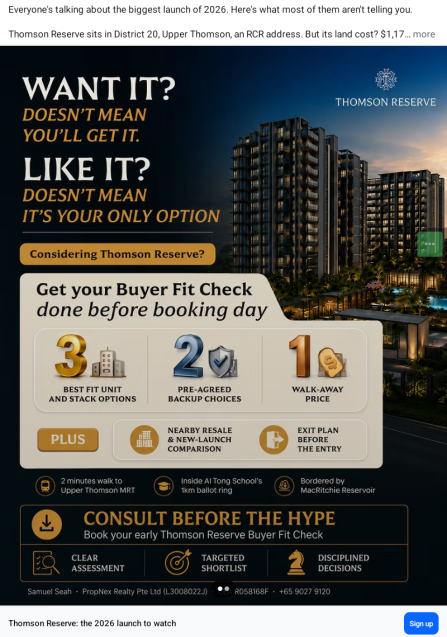
AD Would you click on this ad? Based on the criteria established, here is an evaluation of the provided real estate advertisement for "Thomson Reserve." 1. Persuasive Elements (How it tries to convince) This ad employs a sophisticated blend of psychological triggers, moving away from simple hype and instead positioning the agent as a strategic advisor: * Contrarian Hook & Scarcity: The opening caption ("Here's what most of them aren't telling you") and the bold headline ("WANT IT? DOESN'T MEAN YOU'LL GET IT.") are highly effective. In a hot property market (like Singapore), new launches are often oversubscribed. By acknowledging that buyers might not secure a unit, the ad builds immediate credibility and taps into the Fear of Missing Out (FOMO), preparing buyers for a competitive scenario. * Appealing to Logic and Discipline: While most real estate ads sell the "dream" (pool views, luxury), this ad sells strategy. Phrases like "Walk-away price," "Pre-agreed backup choices," and "Exit plan before the entry" appeal to the rational, financially prudent buyer. It positions the agent as a risk manager, not just a salesperson. * Structured Value Proposition: The "Buyer Fit Check" is presented as a clear, proprietary process. The "3-2-1" visual framework (3 Stack Options, 2 Backup Choices, 1 Walk-away Price) makes a complex consultation feel organized, tangible, and easy to understand. * Highlighting Key Selling Points (KSPs): At the bottom, the ad smartly uses icons to highlight the most critical location factors for Singaporean buyers: Transport (2 min to MRT), Education (Ai Tong School 1km ring), and Lifestyle/Nature (MacRitchie Reservoir). * Establishing Trust/Authority: Unlike the previous anonymous ad, this clearly identifies the agent (Sam Seah), his agency (PropNex Realty), and provides his CEA license numbers at the bottom. This transparency is crucial for high-ticket items. 2. Critical Issues / What’s Missing While strategically sound, the ad's execution has a few flaws: * Information Overload (Clutter): The image is incredibly dense. There are multiple fonts, font sizes, colors (gold, white, black, beige), boxes, and icons. A user scrolling quickly on a mobile phone might find it too busy to digest at a glance. * High-Friction Offer: The core offer is essentially a sales pitch dressed up as a "Buyer Fit Check." Asking someone scrolling Facebook to commit to a consultation ("Consult before the hype") is a very high-friction request compared to offering a free download. * Truncated Context: The introductory text at the top is cut off ("...more"). If the user doesn't click to expand the text, they miss the context regarding land cost and pricing, relying solely on the busy image to make sense of the offer. 3. Does it encourage a click? * Targeting Efficiency: This ad will not get a high volume of random clicks, and that is likely intentional. It is highly specific. It will only encourage clicks from people who already know about or are actively considering the "Thomson Reserve" launch. * Call to Action (CTA) Disconnect: The graphic pushes the user to "CONSULT" and "Book" an assessment. However, the Facebook button provided is "Sign up." A button like "Book Now" or "Learn More" would have been a better semantic match for the action requested in the image. * Quality over Quantity: Because the CTA requires a high level of intent (booking a consultation to discuss backup choices and exit strategies), the number of clicks will be lower, but the quality (conversion readiness) of those leads should be very high. 4. Overall Take This is a strong, professionally positioned advertisement aimed at a mature, serious buyer demographic. It successfully flips the typical "hype-driven" real estate marketing on its head by selling preparation, discipline, and strategy. While the design is slightly cluttered and asks for a significant commitment right away, it is highly targeted. It acts as an effective filter: it will repel casual browsers but strongly attract buyers who are anxious about the complexities of a major new launch and are looking for professional guidance rather than just a brochure.
 New norm from 2026 onwards? Based on a detailed review of the provided advertisement, here is an analysis of its persuasive techniques, critical flaws, and overall effectiveness. 1. Persuasive Elements (Psychological Triggers) The ad relies heavily on established direct-response marketing tactics to capture attention and generate leads: * Agitating a Pain Point (Fear & FOMO): The prominent headline, “Every new launch now starts near $3,000 psf,” establishes a highly stressful environment for potential homebuyers. It creates a Fear of Missing Out (FOMO) and anxiety about being priced out of the market. * Borrowing Authority (Social Proof): The inclusion of a news article snippet (formatted to look like The Business Times) validates the advertiser's claim about rising prices. Even if users don't read the article, the visual presence of a financial newspaper lends credibility to the ad's premise. * The "Insider Secret" Appeal: The copy states, "My clients are still entering below the benchmark. I'm handing over the same method..." This appeals to the human desire for exclusive, insider knowledge that bypasses the struggles of the general public. * Risk Reversal: The ad goes out of its way to lower the barrier to entry. Phrases like "Free," "No cost, no obligation," and "Claim your free copy" are designed to make clicking feel completely risk-free to the consumer. * Structured Value Proposition: The "What You Get" section uses checkmarks to clearly outline the perceived benefits, moving from abstract concepts (a framework) to tangible time-savers (ruling out 95% of the market). 2. Critical Issues & Missing Information (Red Flags) Despite its persuasive design, the ad has several significant gaps and potentially misleading elements: * The "Bait and Switch" Format: The CTA button says "CLAIM YOUR FREE COPY," which strongly implies the user will receive a digital asset (like an eBook, PDF report, or video). However, the third bullet point reveals the true nature of the offer: "...walked through with you one-on-one." This indicates the ad is actually a lead-generation trap for a face-to-face or phone consultation with a real estate agent, not just a passive document download. * Lack of Identity and Transparency: The ad uses first-person language ("My clients," "I'm handing over"), yet the advertiser is completely anonymous. There is no real estate agency logo, no agent name, no photo, and no license number. In regulated real estate markets (like Singapore, which is indicated by the use of "S$" and "psf"), advertising guidelines usually require agents to display their licensing details. * Unsubstantiated and Extreme Claims: The claim to provide numbers that "rule out 95% of what's on the market" is an arbitrary, extreme statistic designed to sound impressive but is practically impossible to verify. 3. Assessment of the Call to Action (CTA) * Visual Design: The CTA is visually effective. The white button on the bright blue background creates high contrast, drawing the eye directly to it. The use of an arrow ->) subconsciously encourages forward momentum and clicking. * Copywriting: "CLAIM YOUR FREE COPY" uses strong action verbs ("Claim") and emphasizes value ("Free"). The surrounding text ("Free. No cost, no obligation.") serves as an effective safety net for hesitant clickers. * Effectiveness: As a pure click-generation tool, it is likely highly effective. It promises high value for zero financial risk. However, the quality of the leads might be poor, as users expecting a simple PDF download will likely abandon the process once they are asked for their phone number to schedule the "one-on-one" walkthrough. 4. Overall Assessment This is a textbook, aggressive lead-generation advertisement typical of the real estate industry. It is expertly designed to trigger anxiety about a difficult market and immediately offer a risk-free "secret" solution. However, the ad borders on deceptive. By hiding the identity of the agent/agency and framing a sales consultation as a "free copy" of a framework, it risks alienating users once they click through and realize they are entering a sales funnel rather than simply downloading information. While it will likely succeed in generating initial clicks, it may suffer from a low ultimate conversion rate due to this lack of transparency.