



Cecil Lee
Staff
-
Joined
-
Last visited
Everything posted by Cecil Lee
-
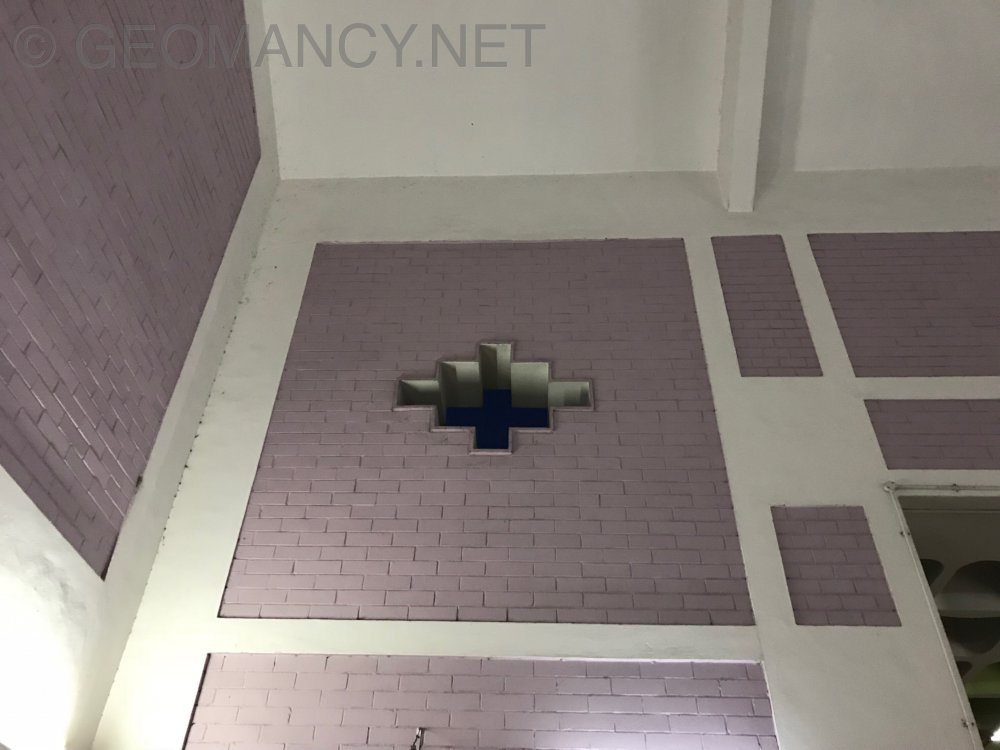
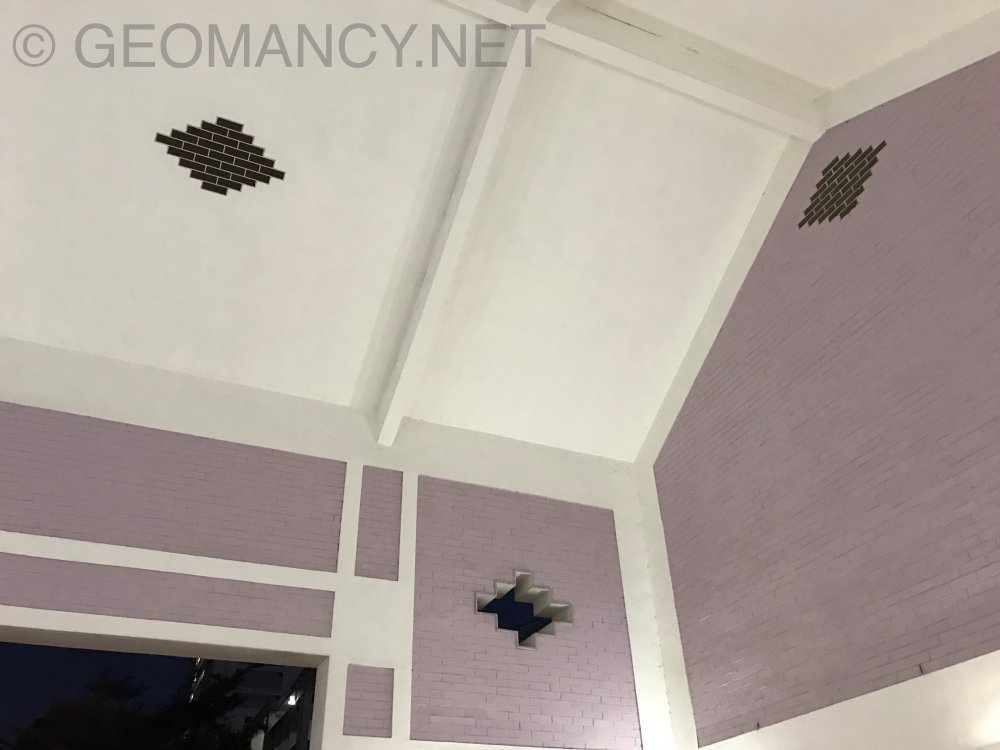
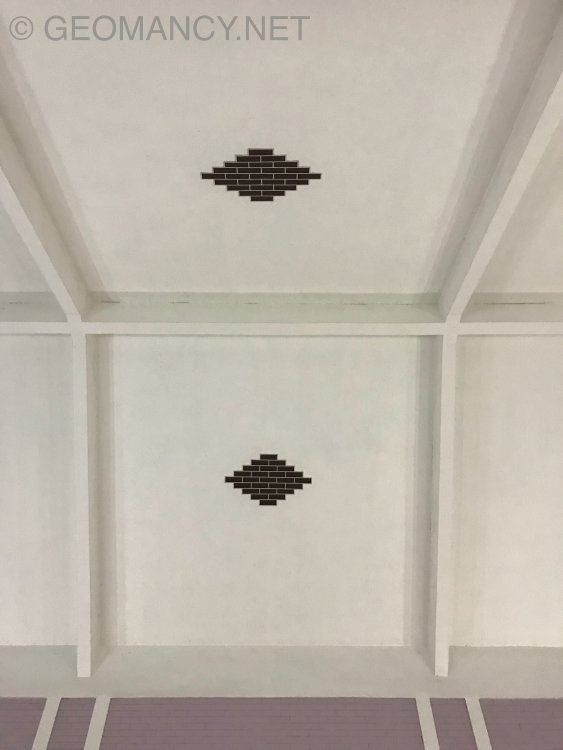
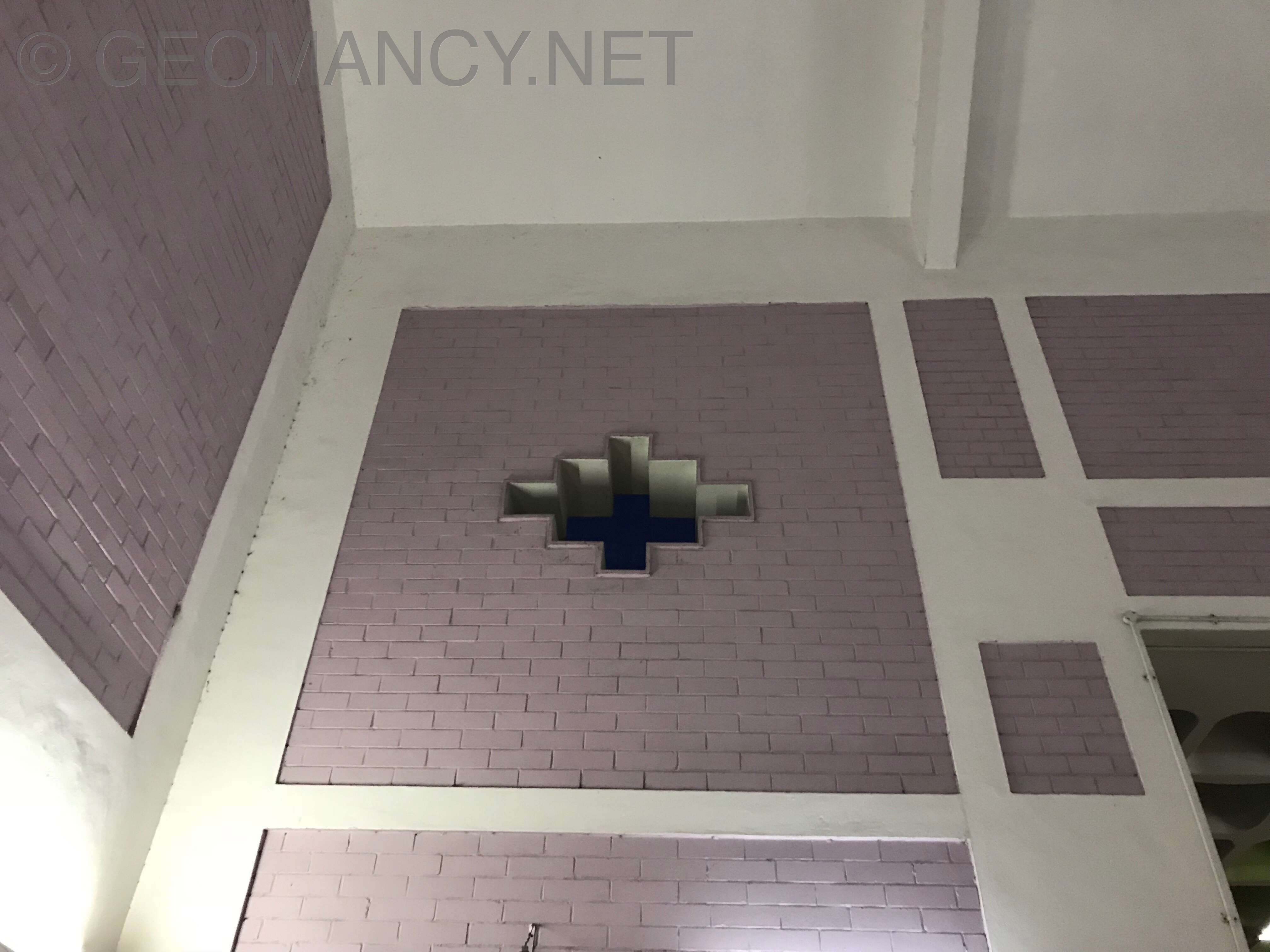
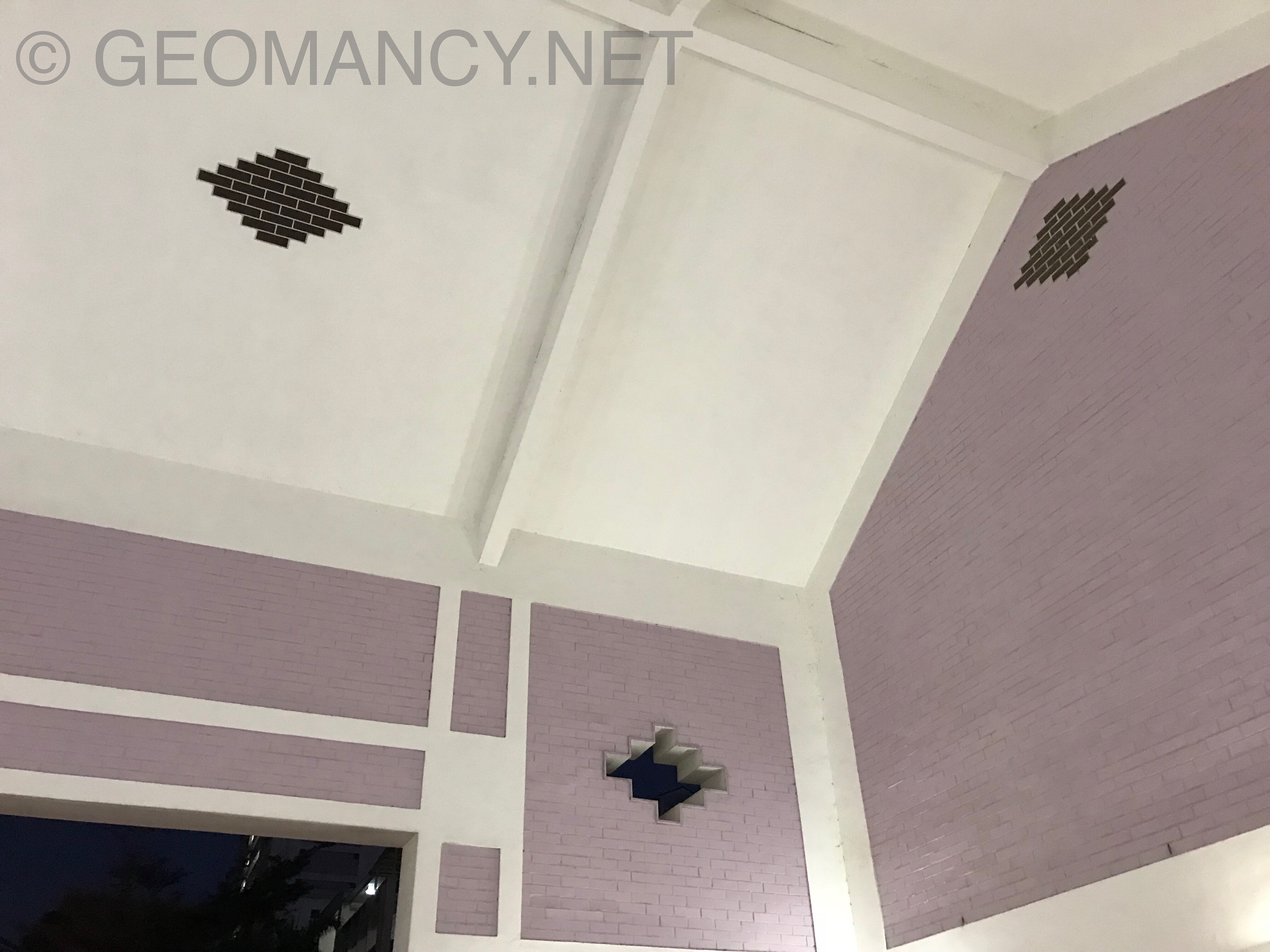
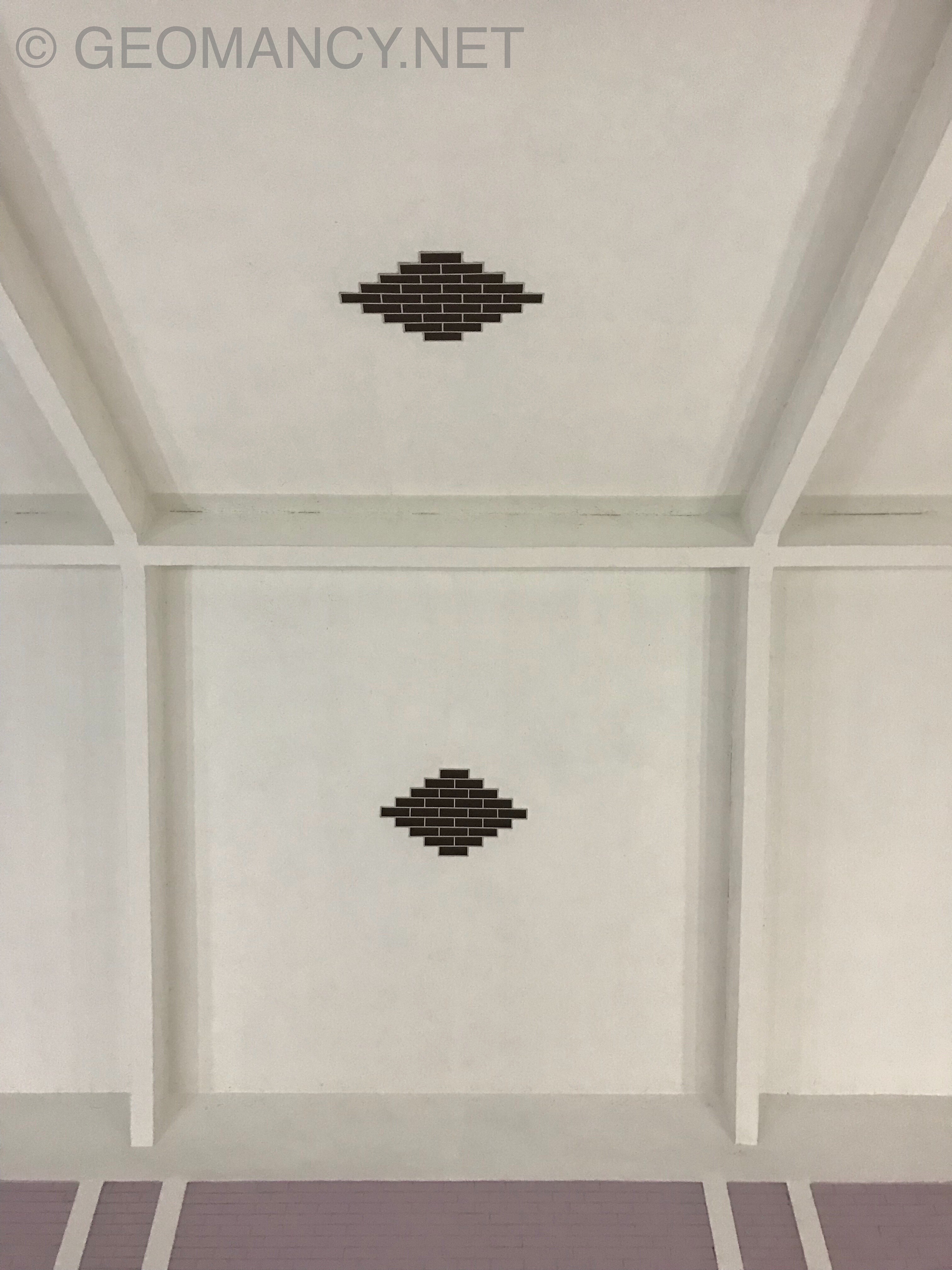
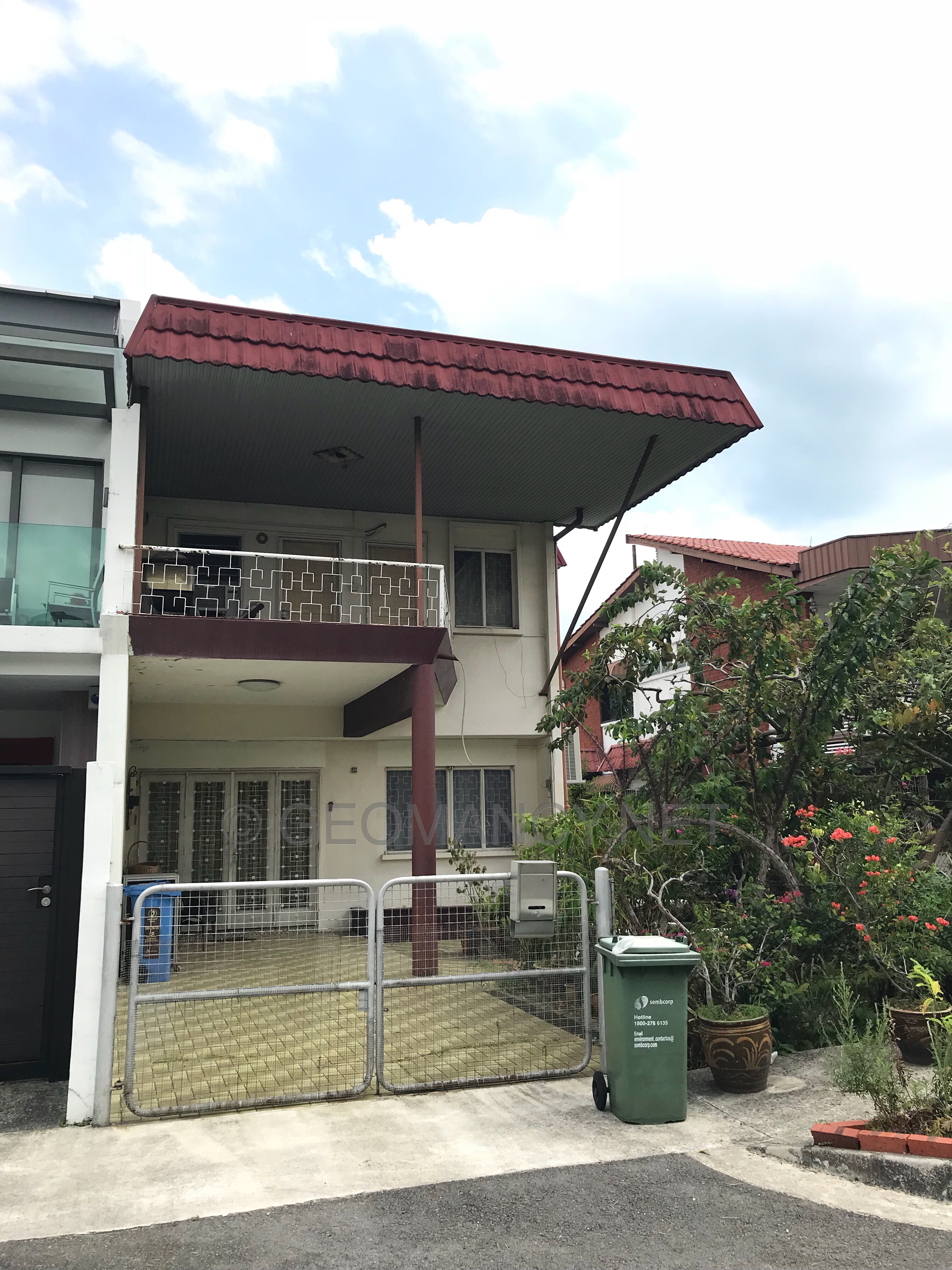
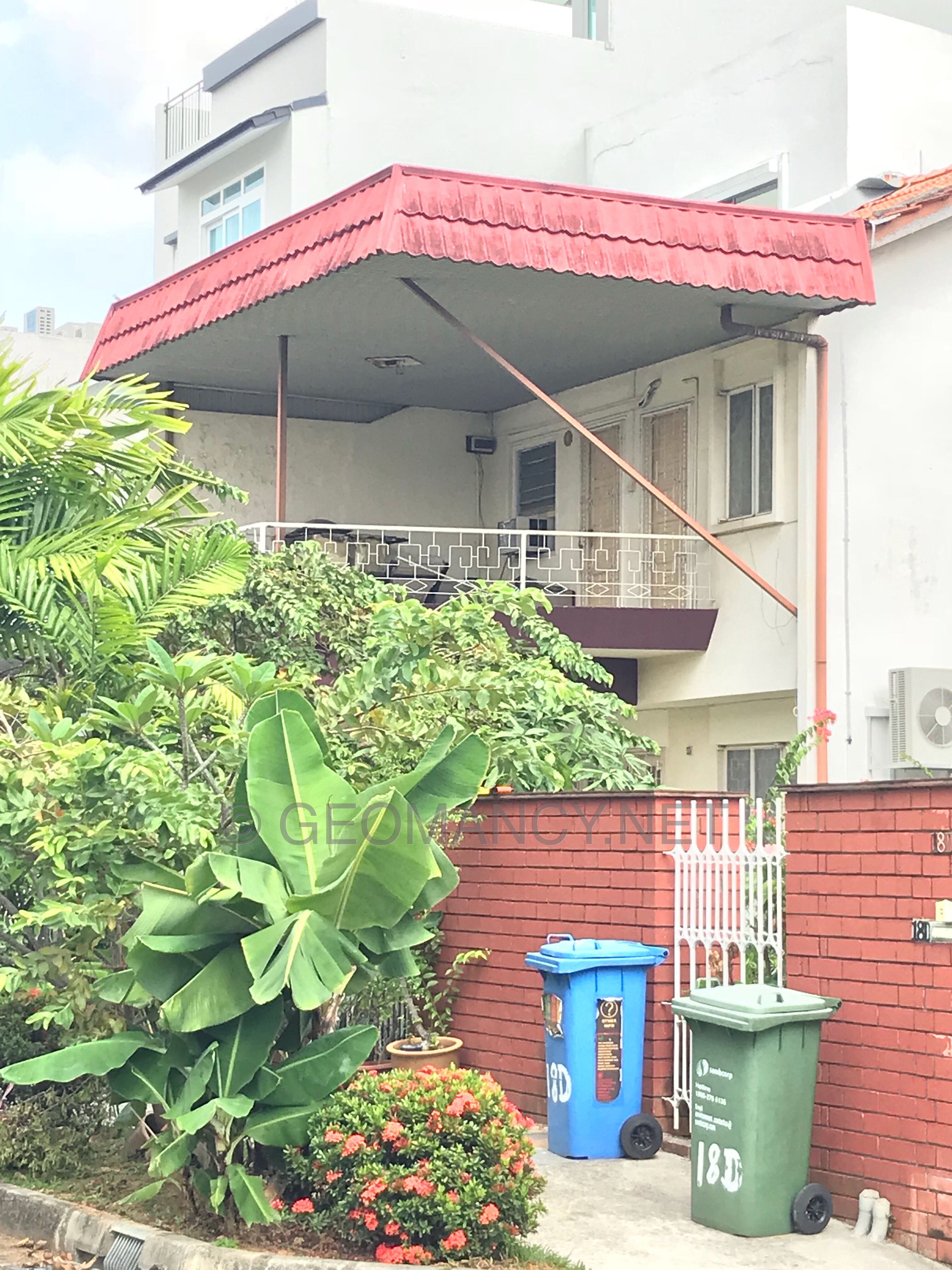
Geometric pattern at Bukit Batok Central
-
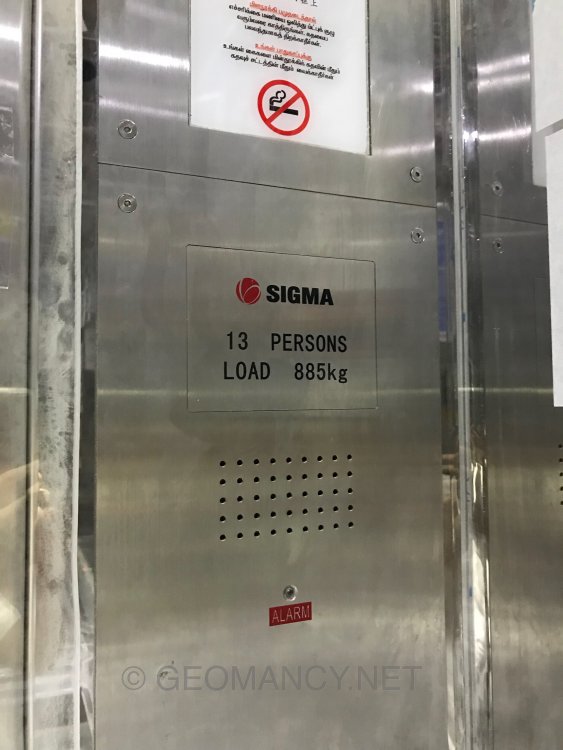
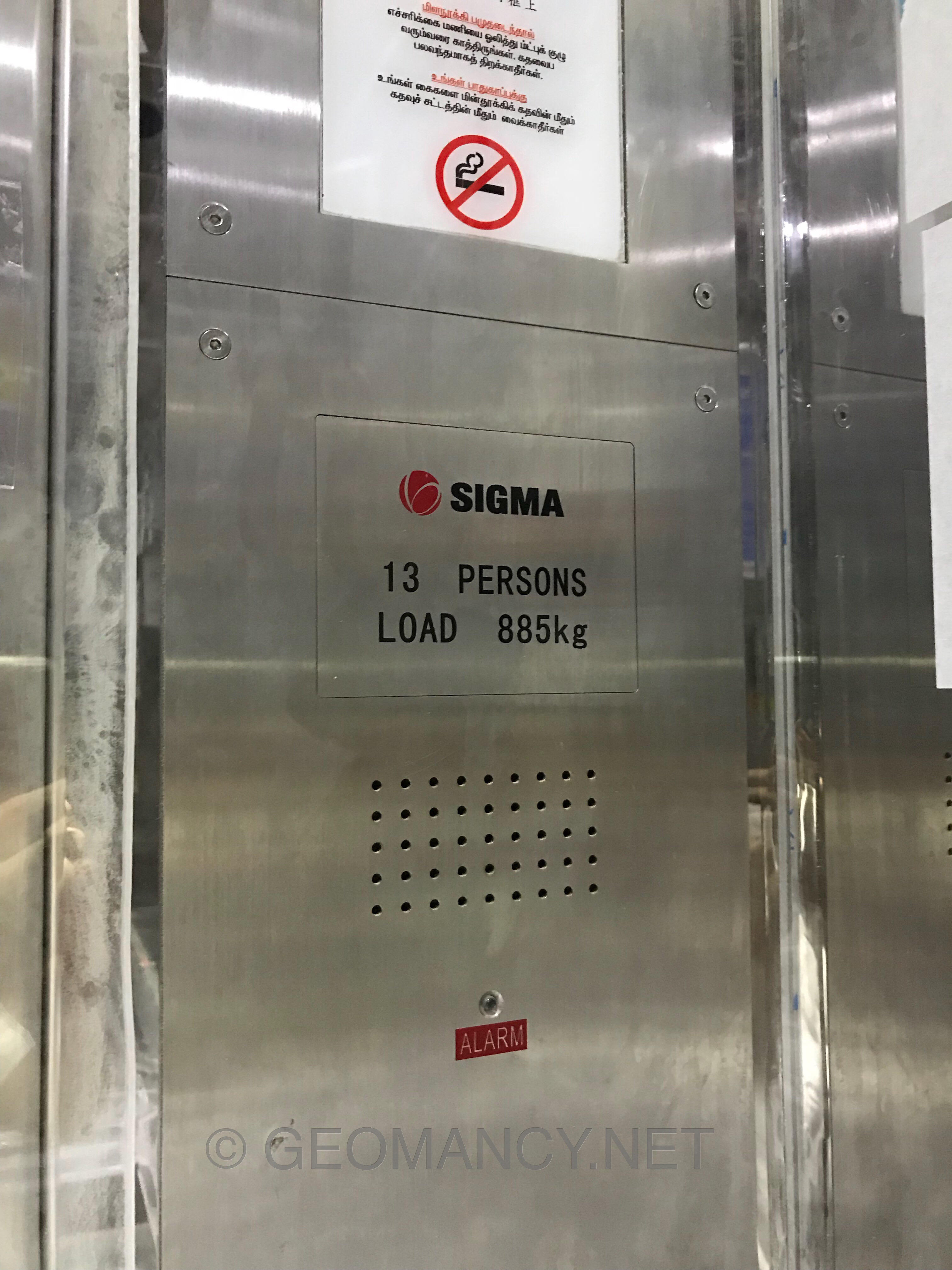
Ever since people started worrying about faulty lifts in HDB flats, I always check to see which brand of lift I’m taking. Oh no! My fears came true after all the scary stories I’ve read—it’s the Sigma brand at West Terra! Oops! This lift was probably installed before they were banned. +++ Summary Concerns over faulty lifts in HDB flats have made me cautious about lift brands, especially after encountering a Sigma lift at West Terra, which was likely installed before being banned. Key Takeaways - Recent concerns about malfunctioning lifts in HDB flats have raised awareness. - The author now checks the brand of every lift before using it. - Encountered a Sigma lift, known for safety issues, at West Terra. - Fears were reinforced by horror stories about faulty lifts. - The Sigma lift was likely installed before the brand was banned.
-
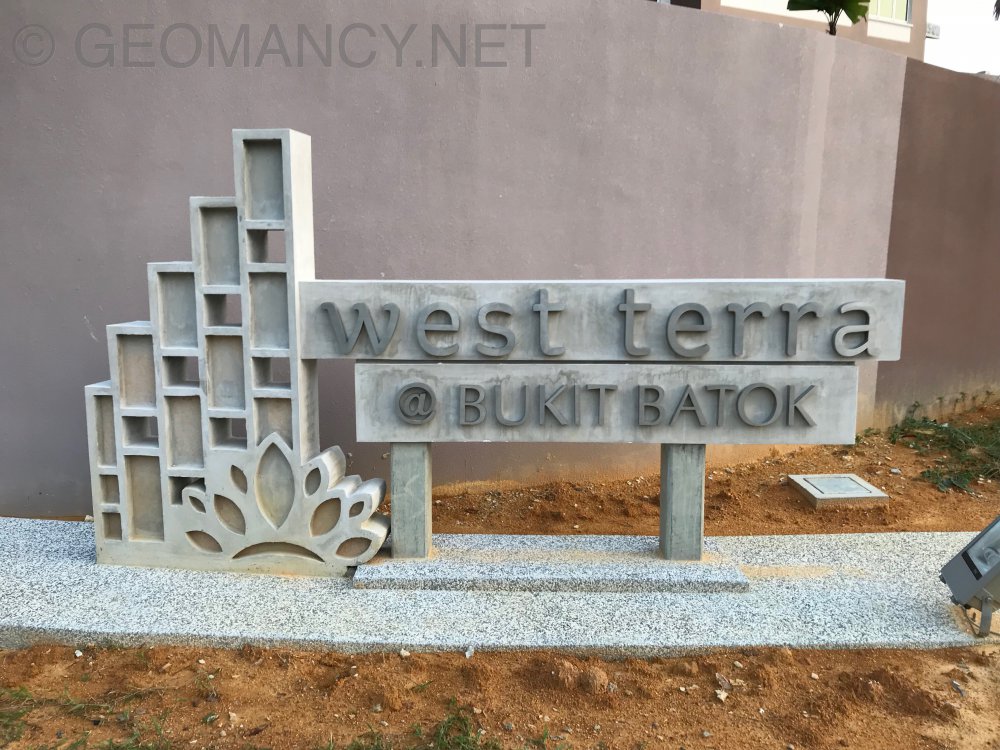
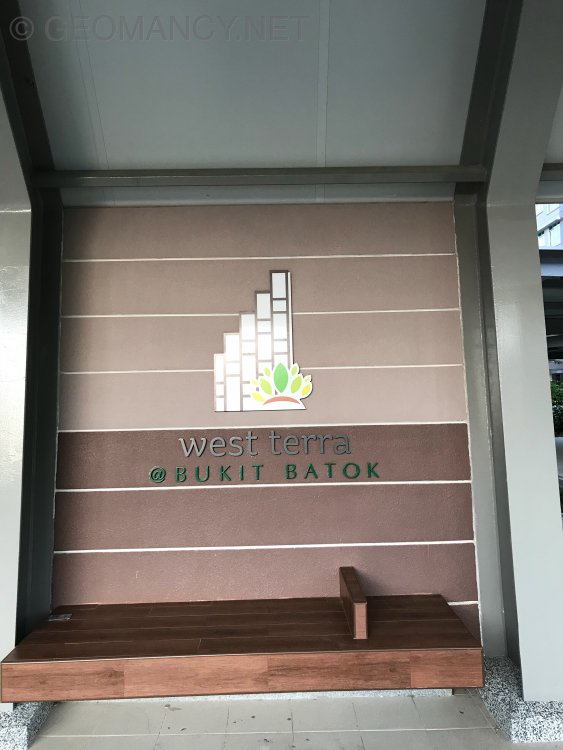
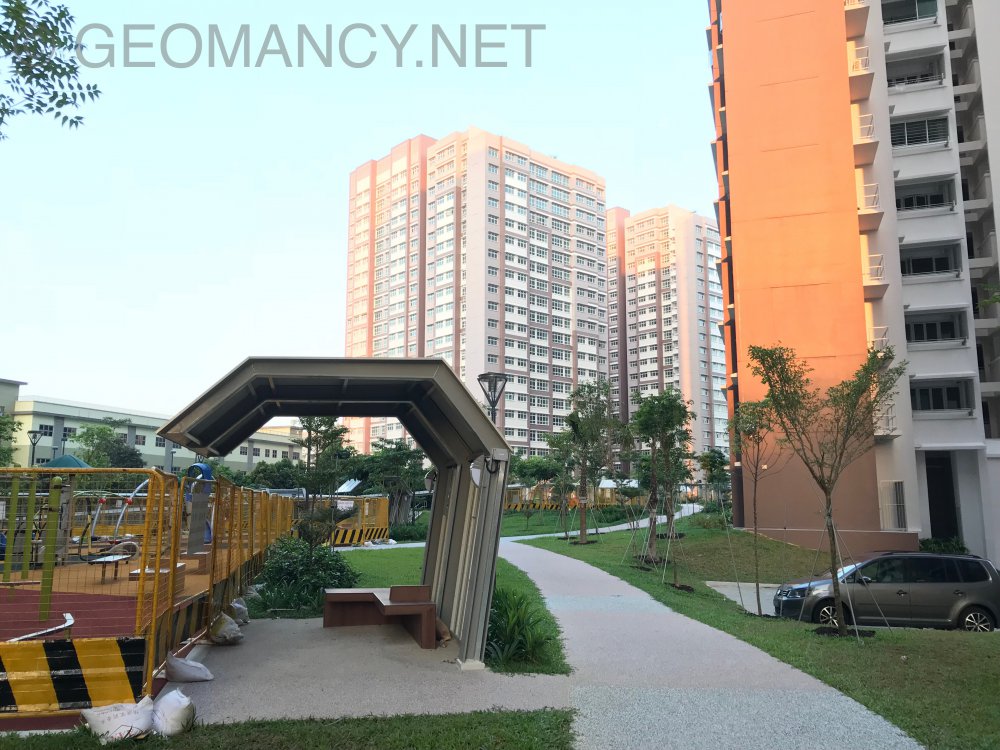
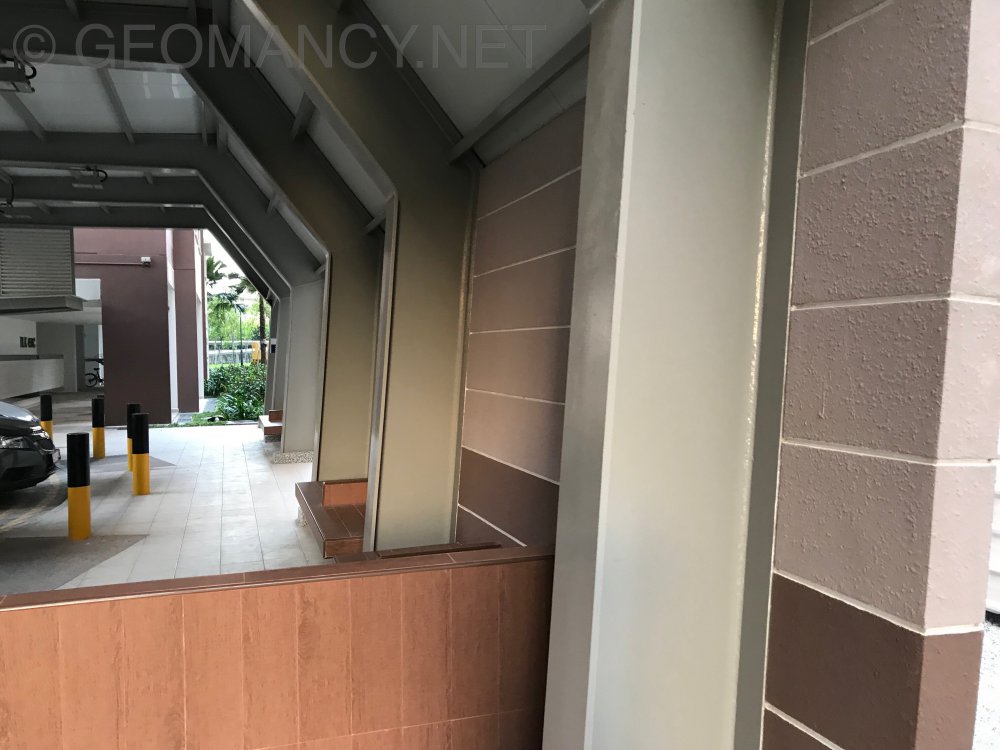
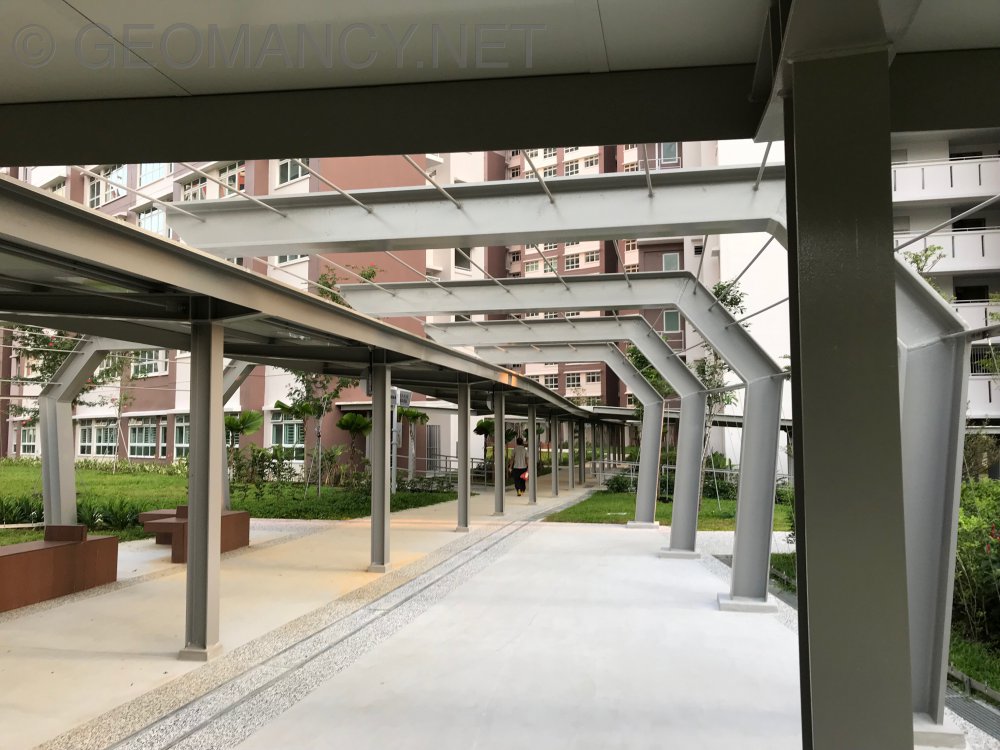
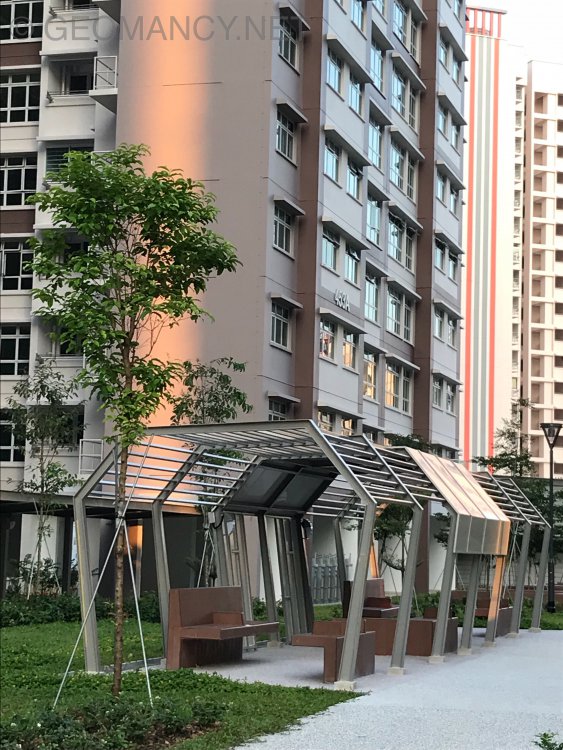
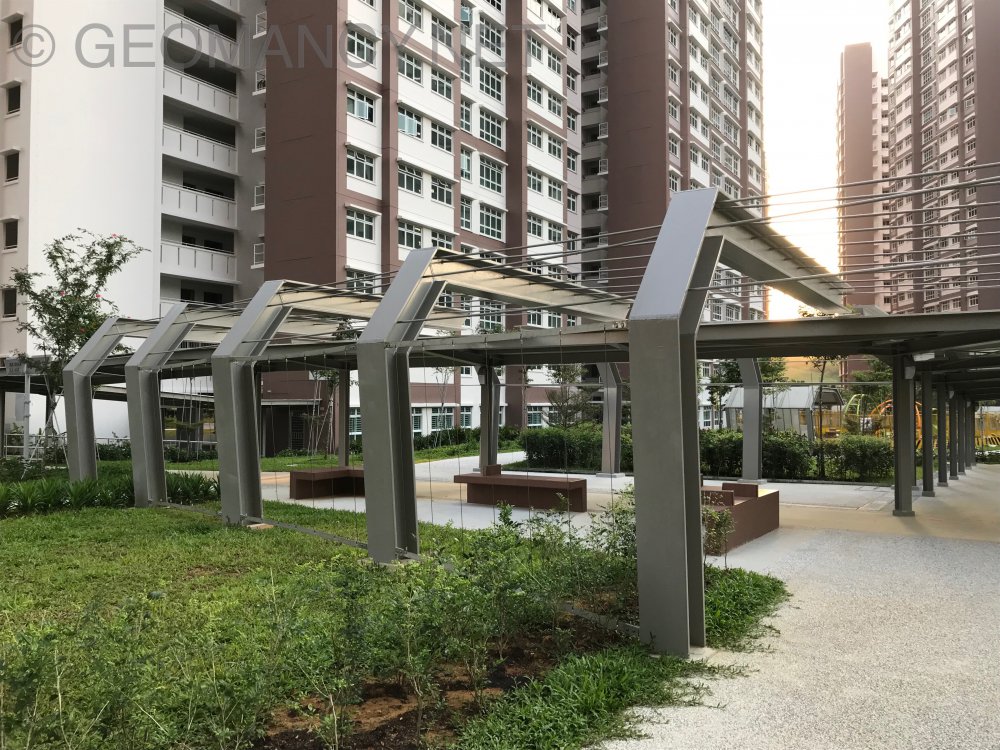
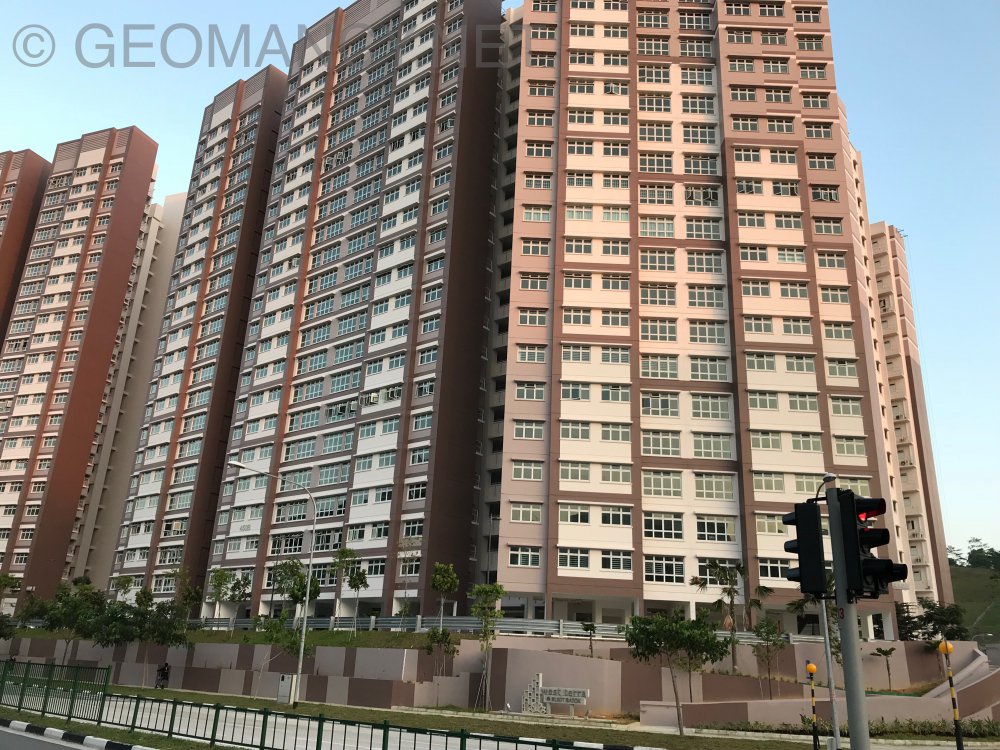
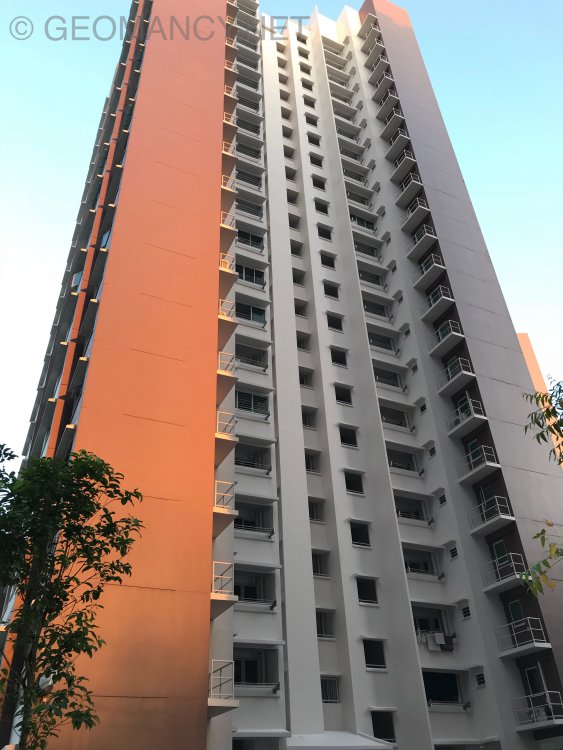
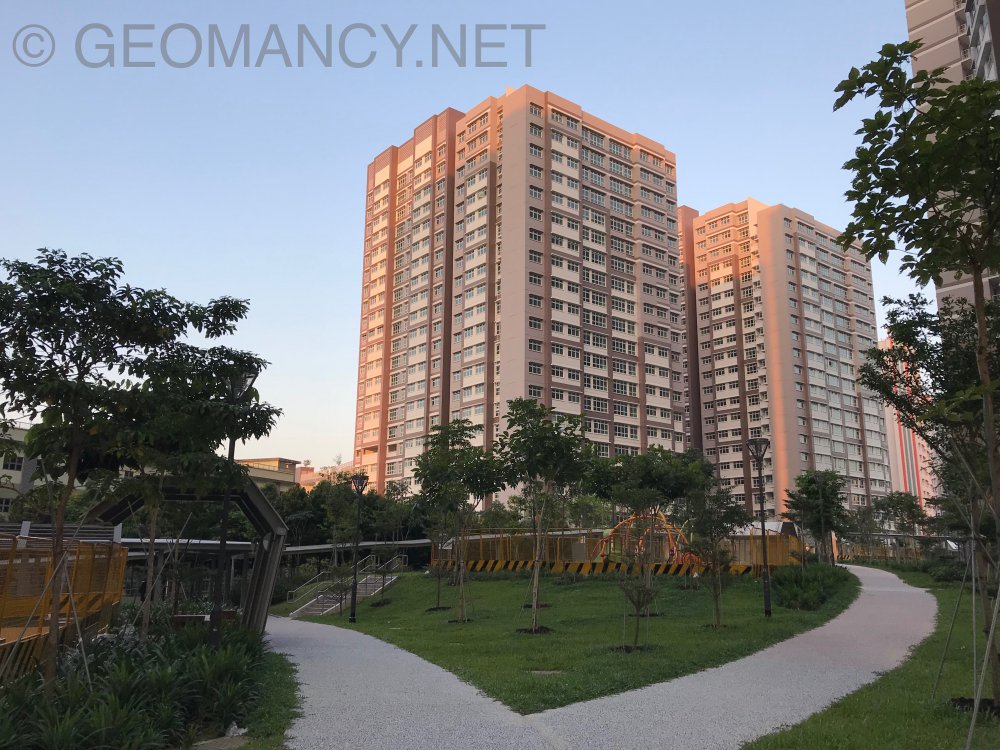
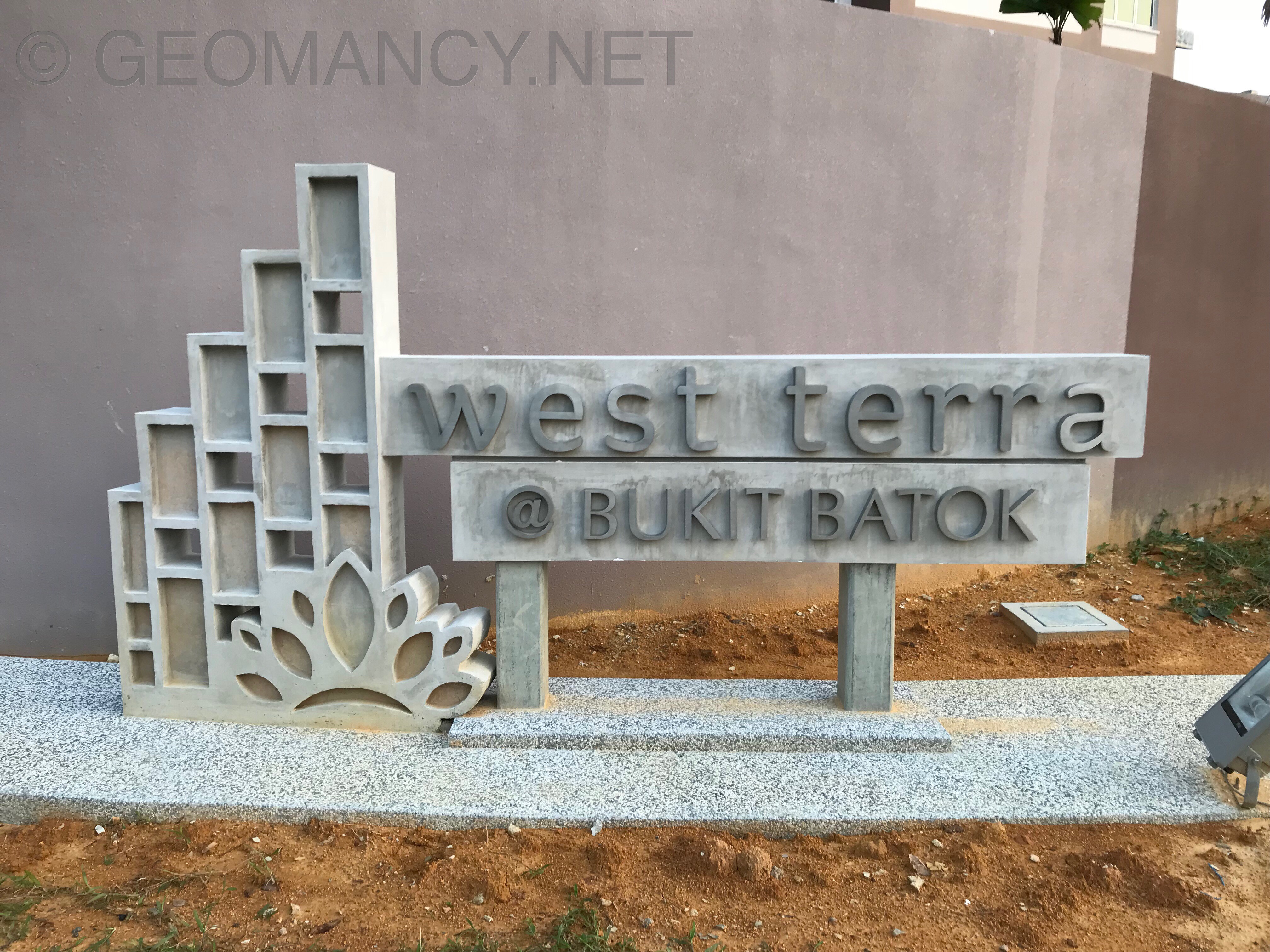
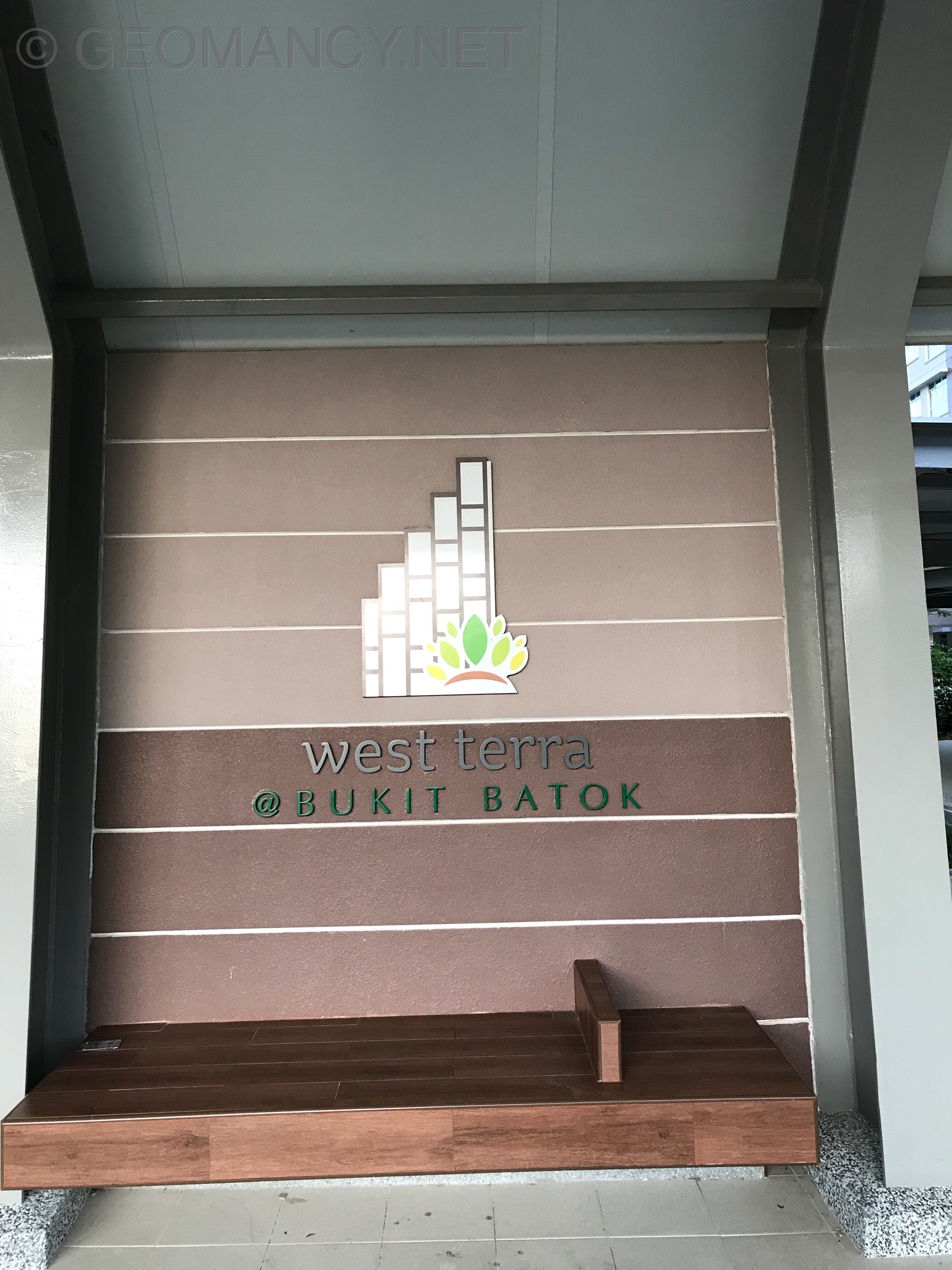
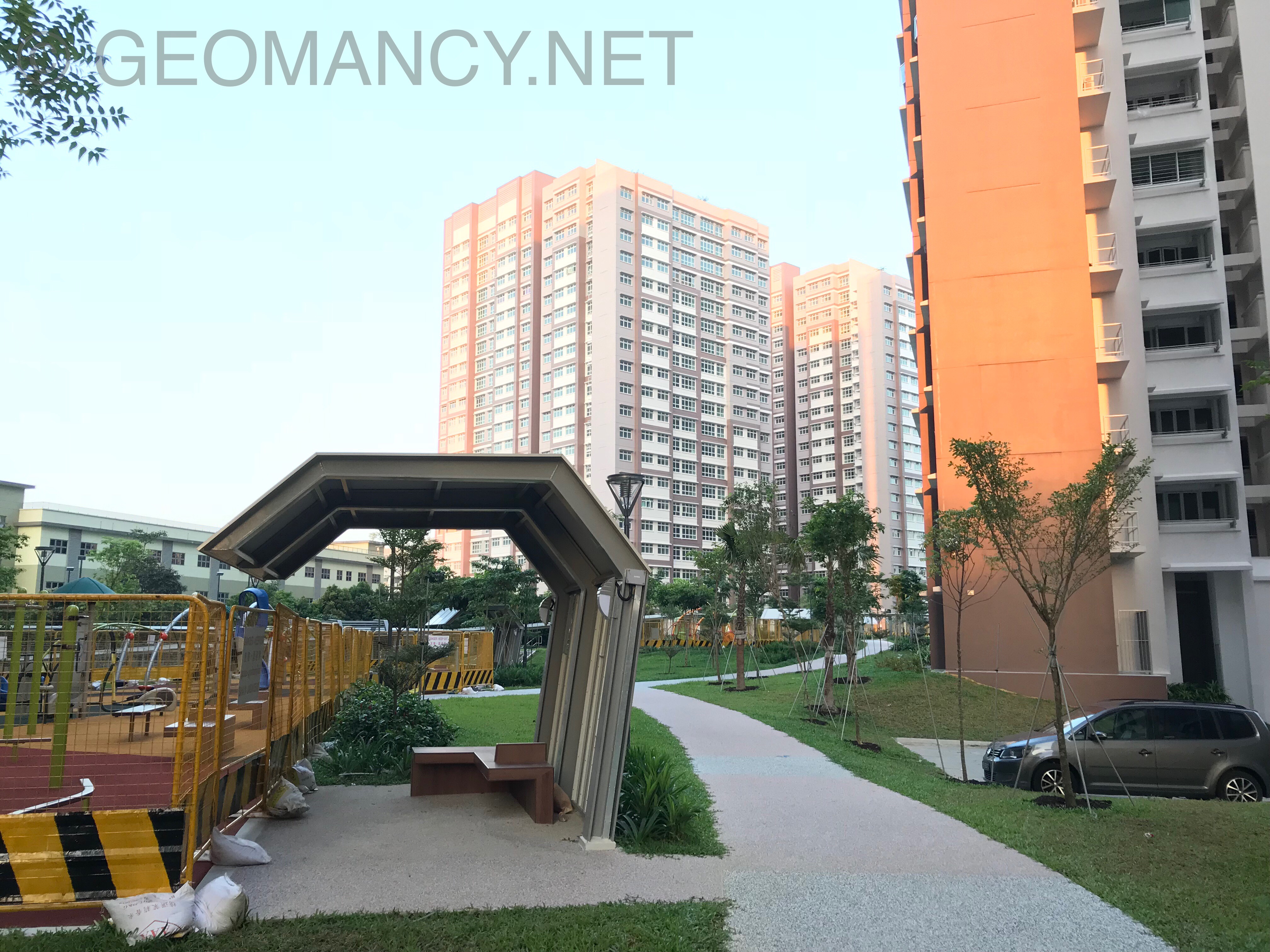
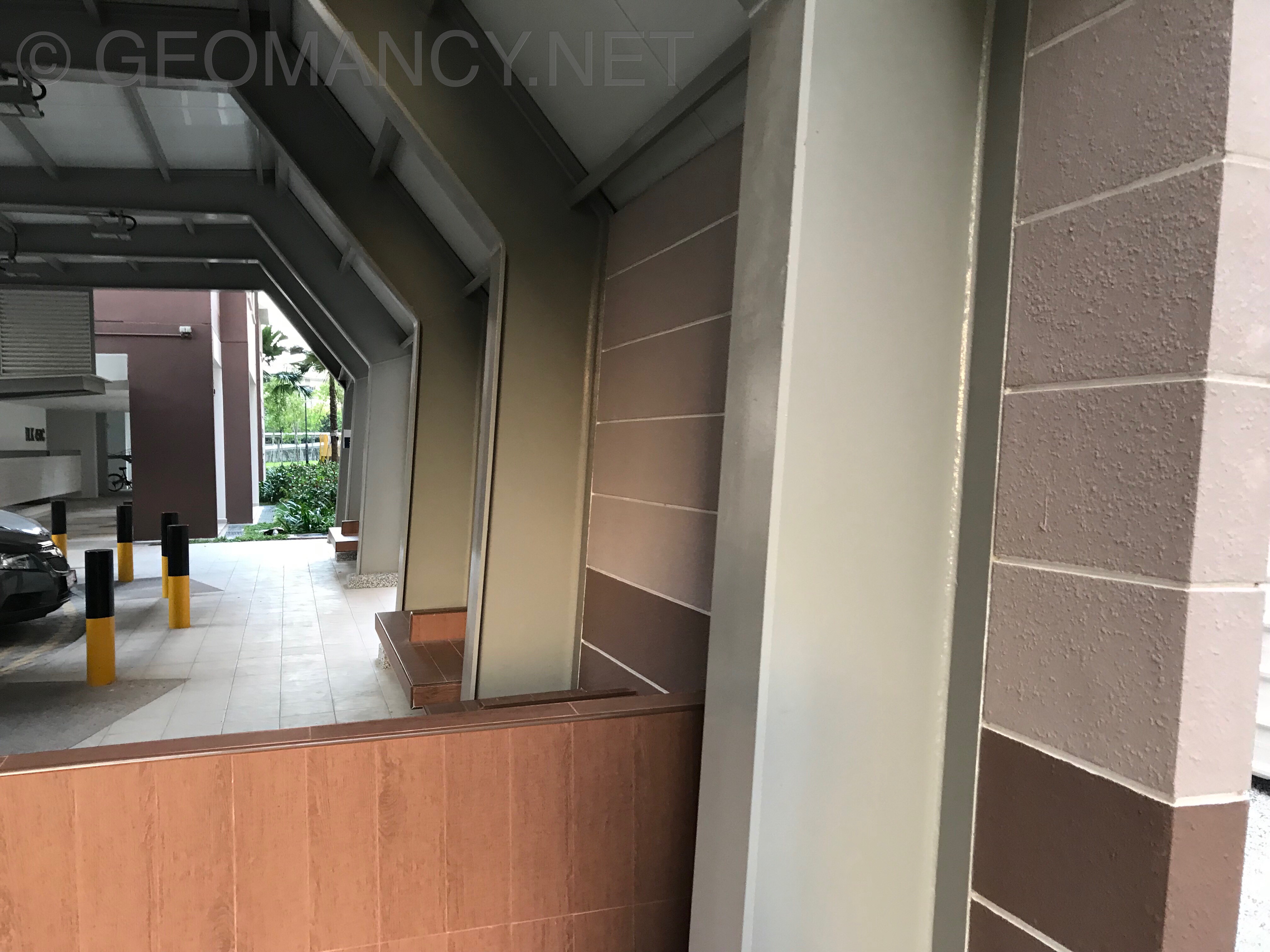
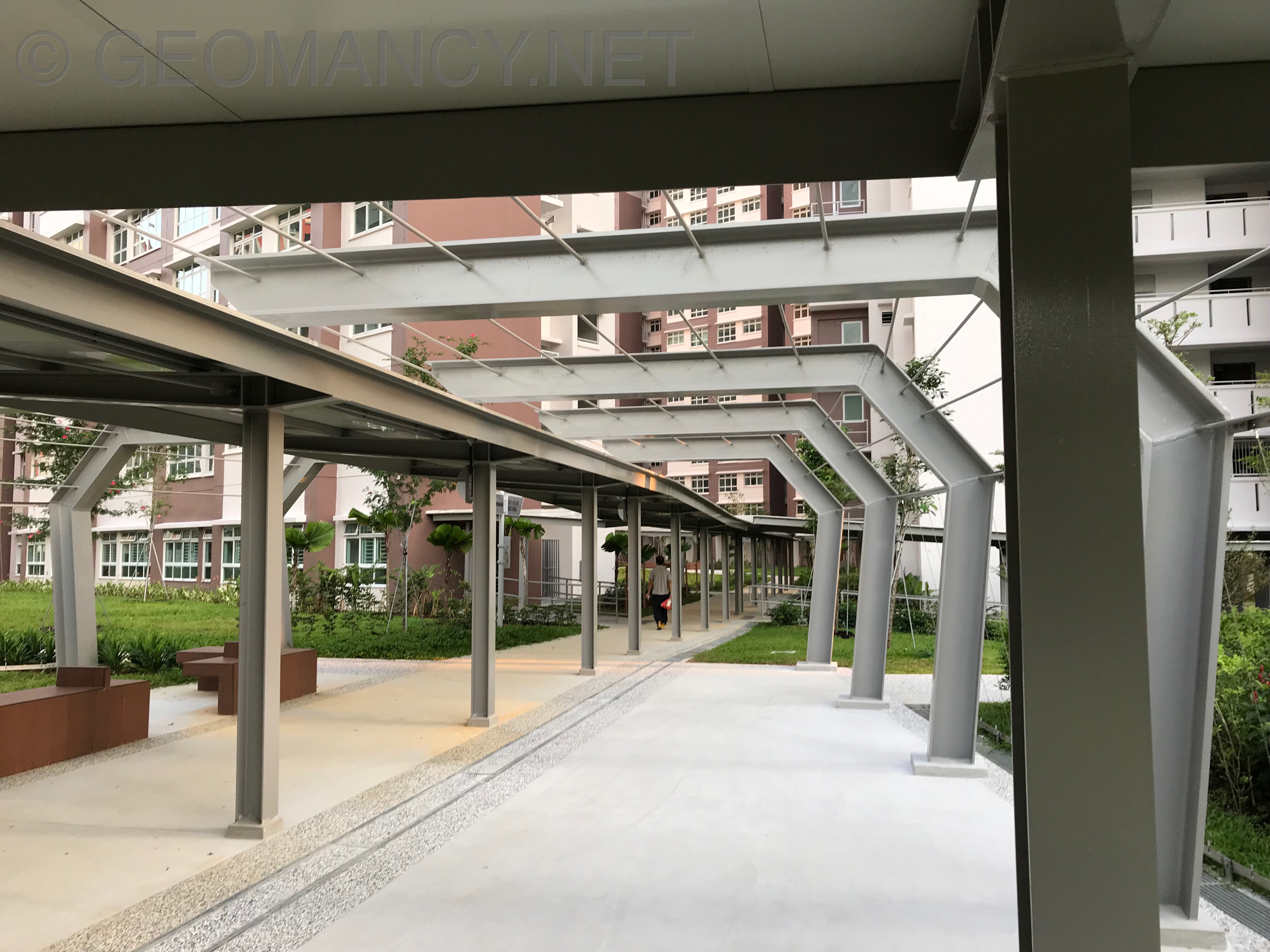
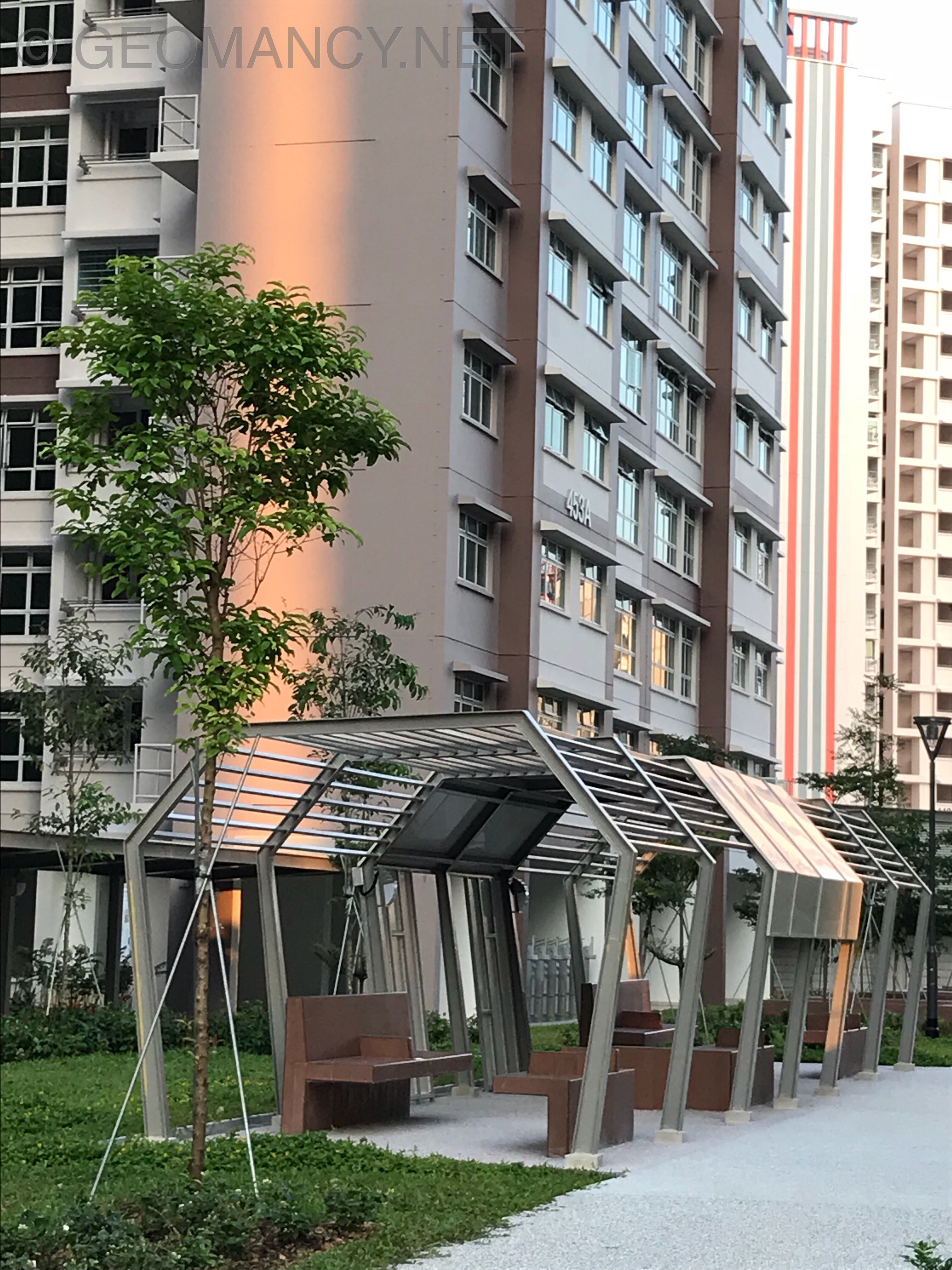
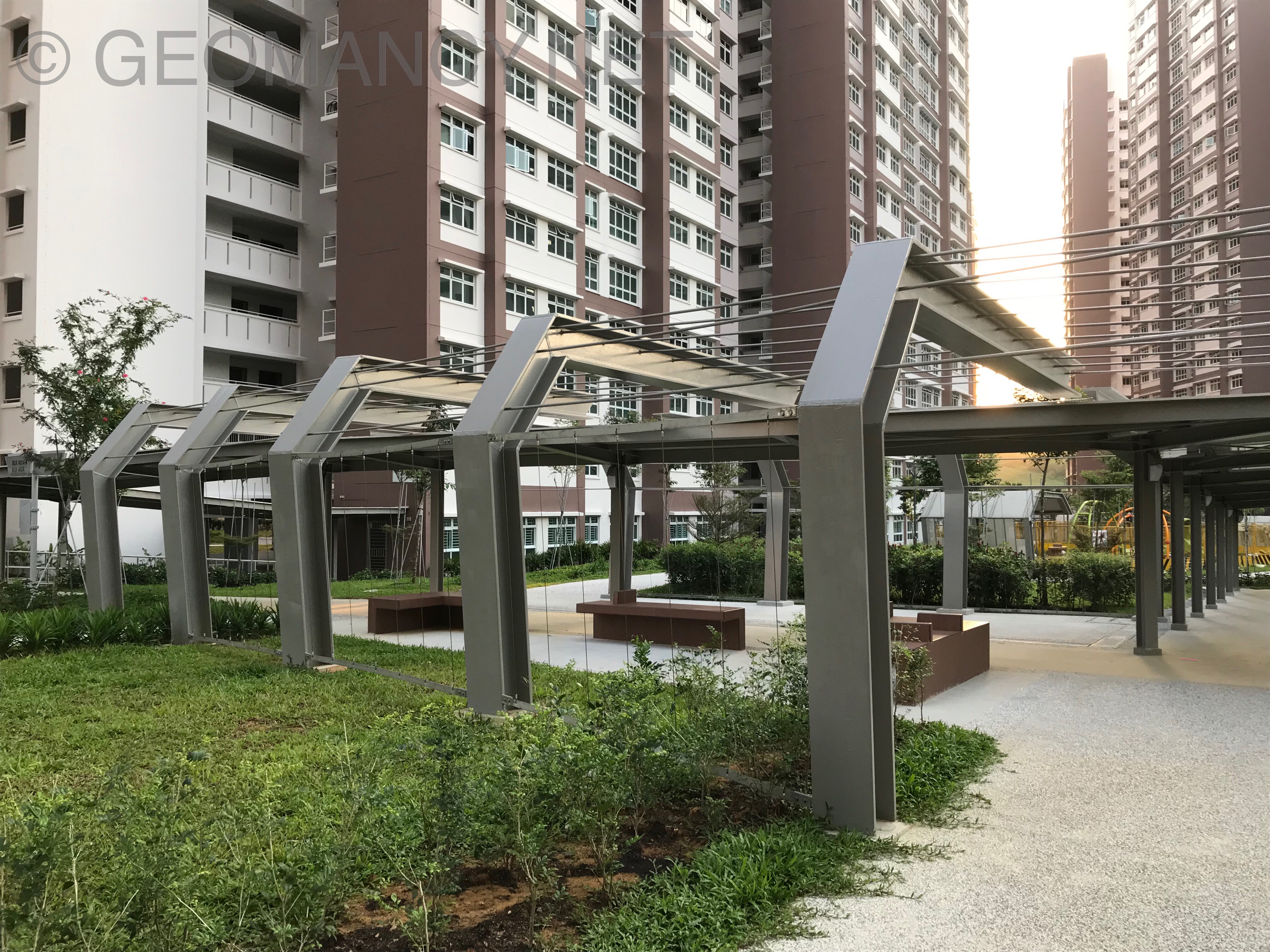
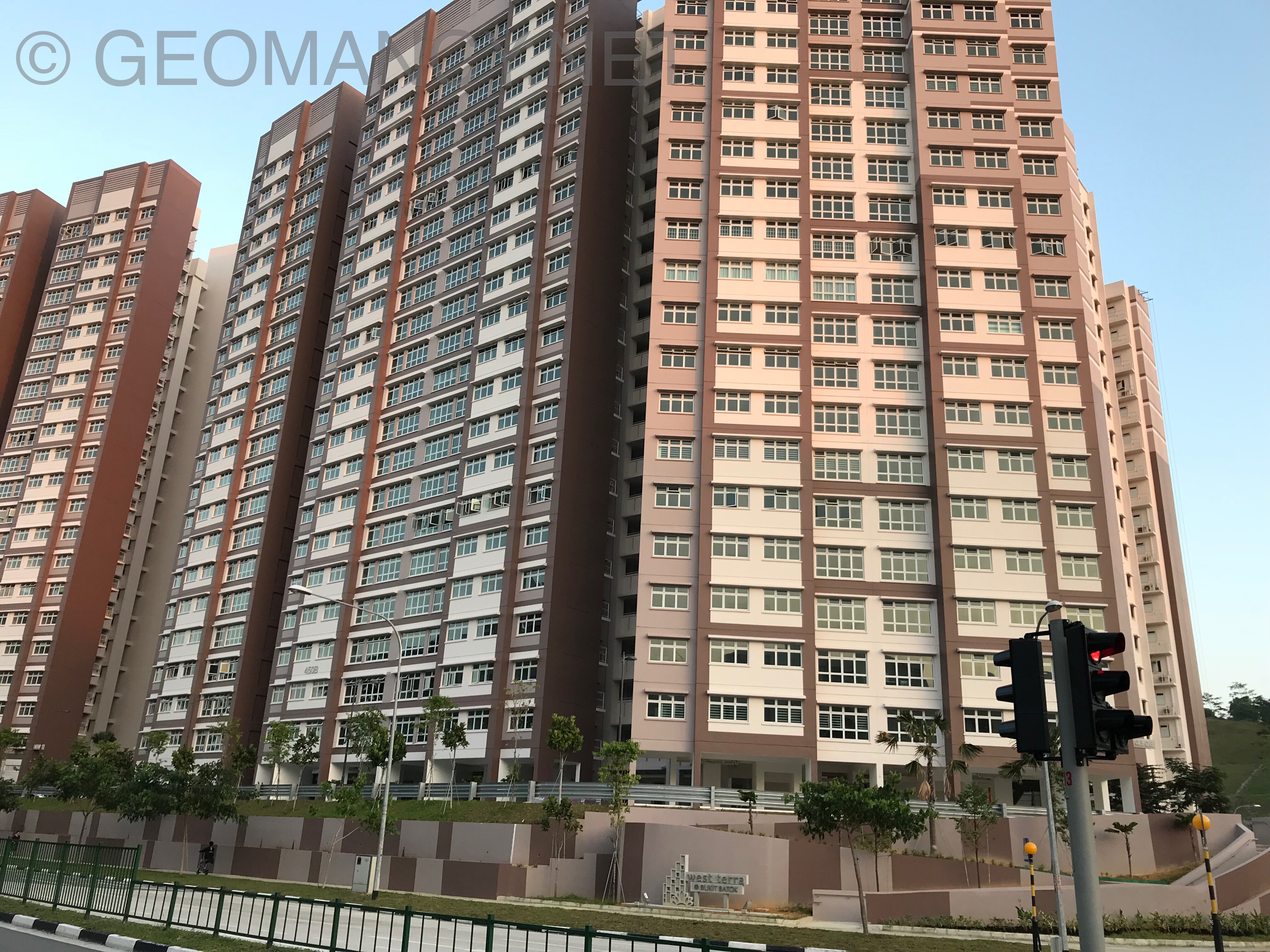
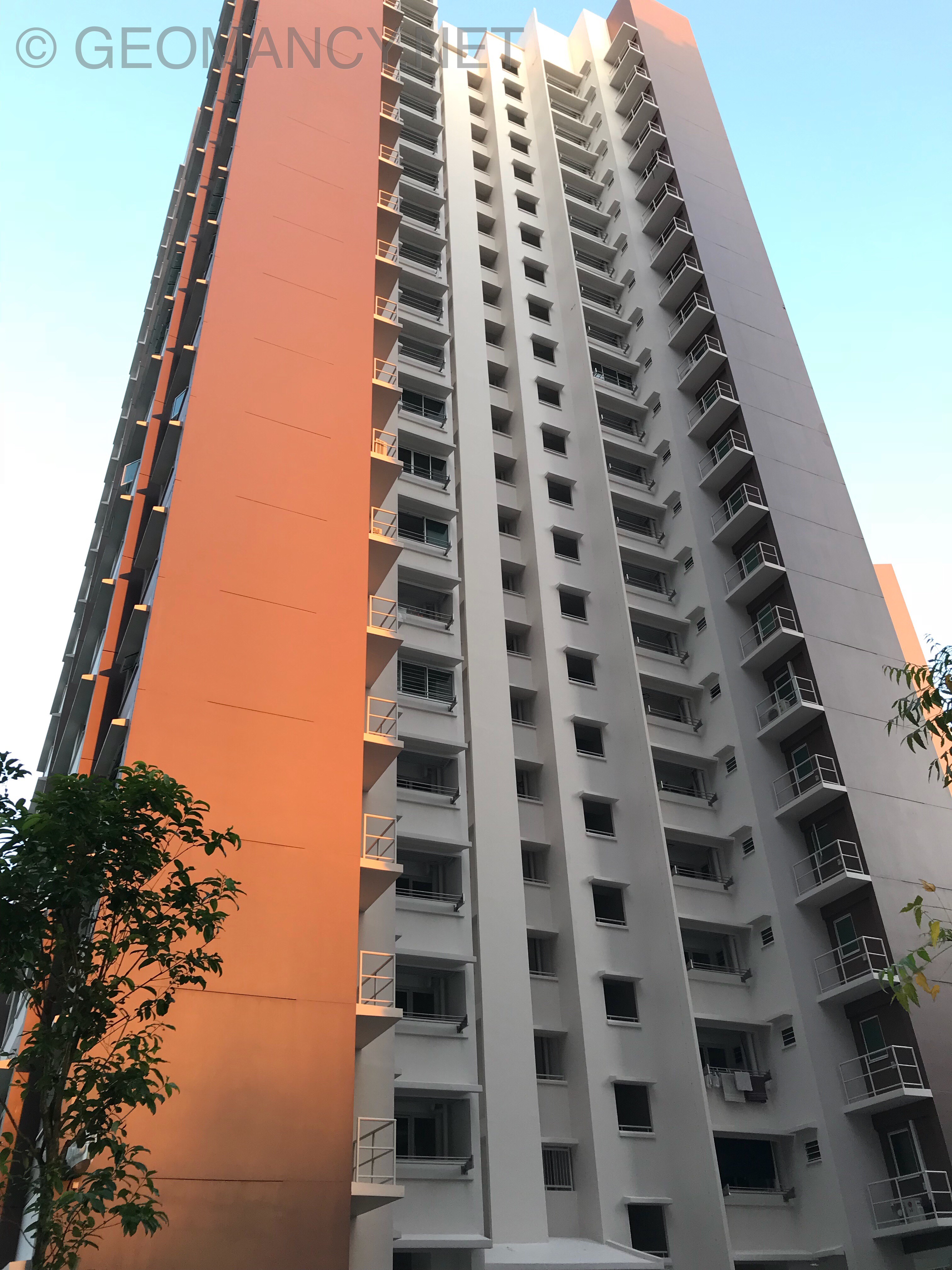
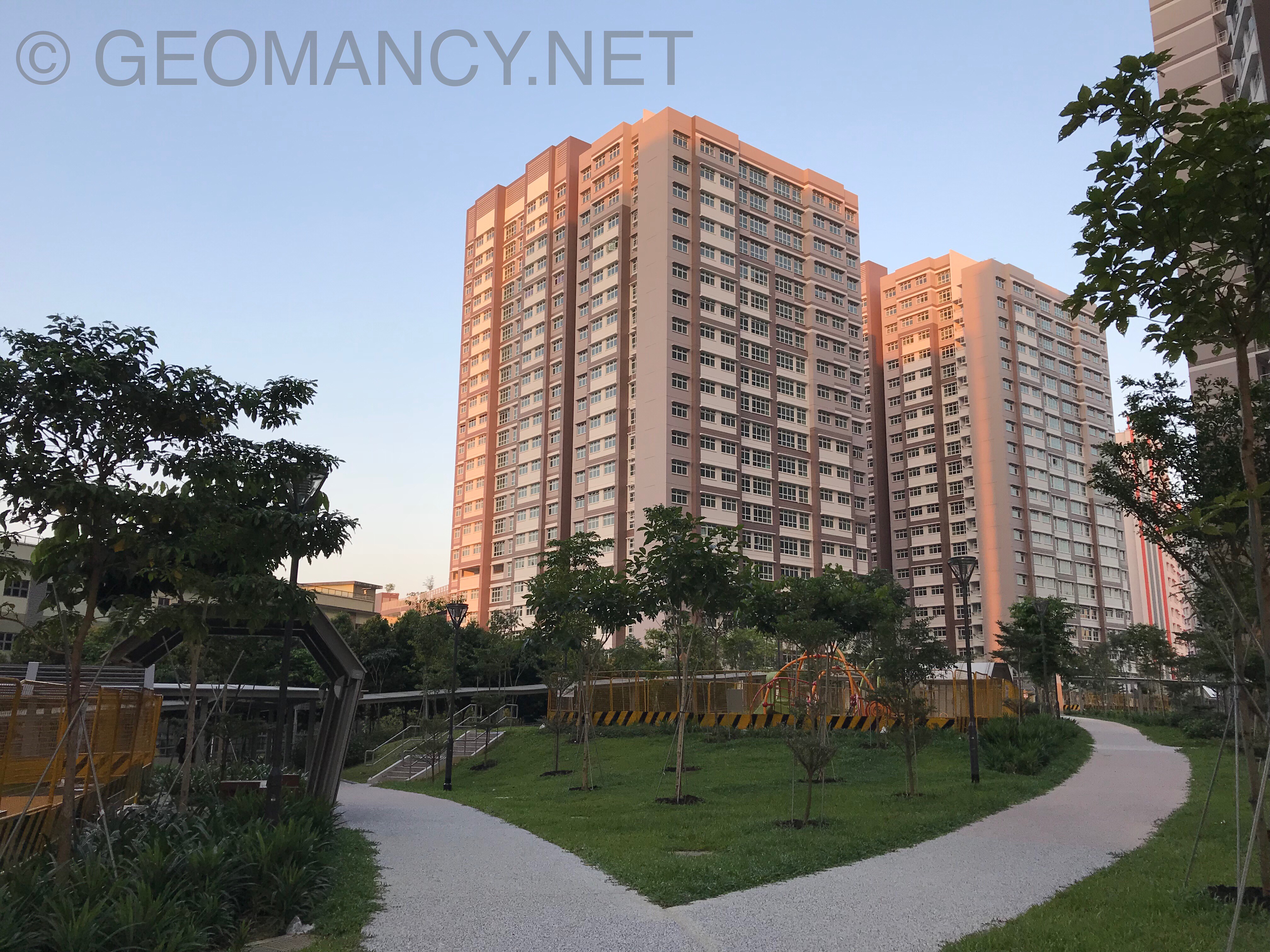
West Terra Just T.O.P. The most distinctive feature of HDB West Terra is this geometric curved “7-hook shaped” steel roof-line... This design is repeated.. on all Pavilion rooflines..
-
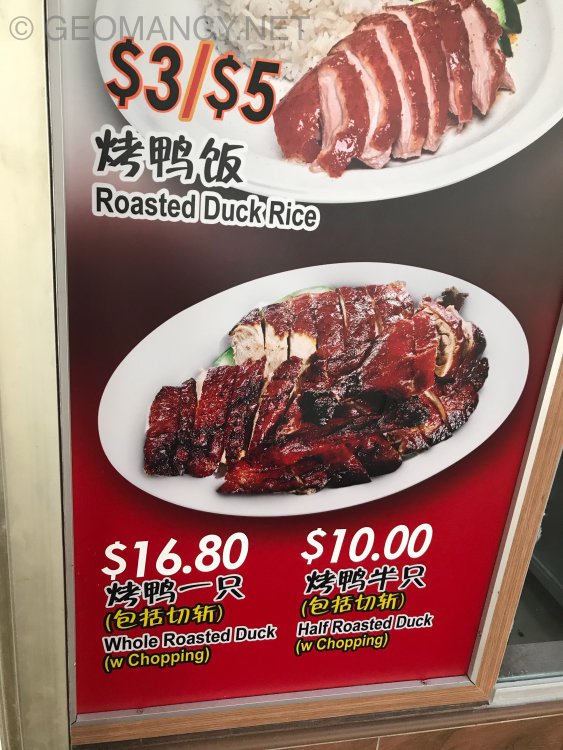
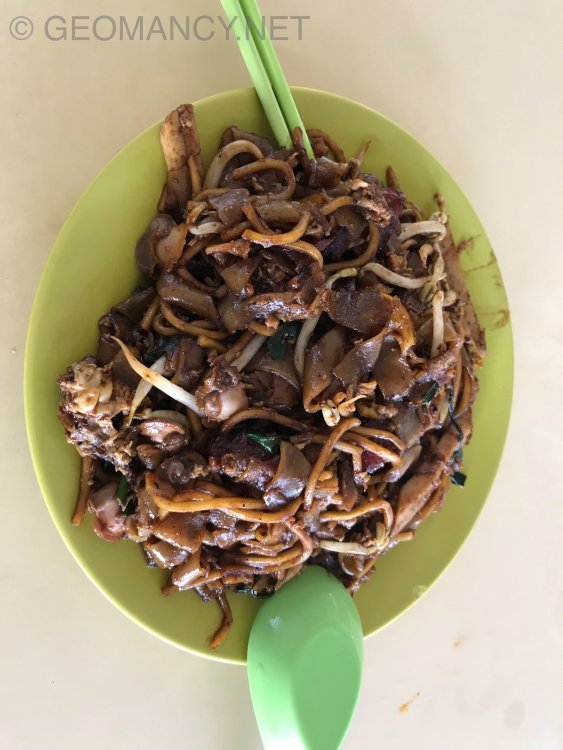
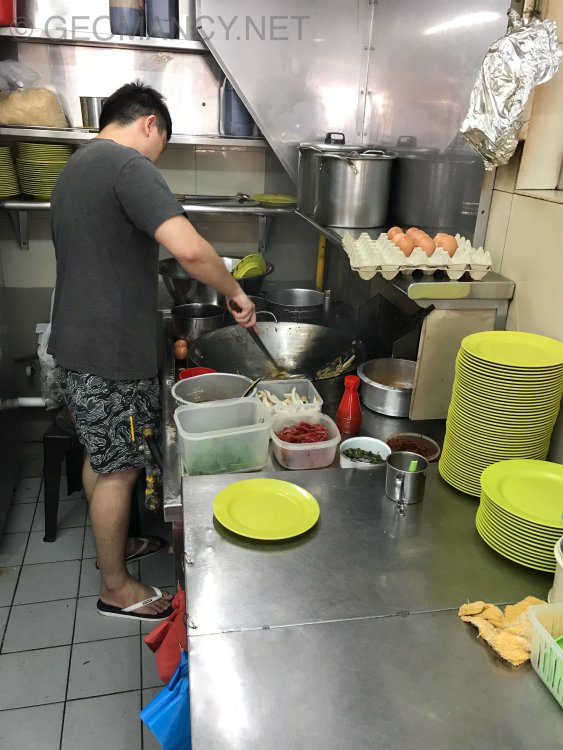
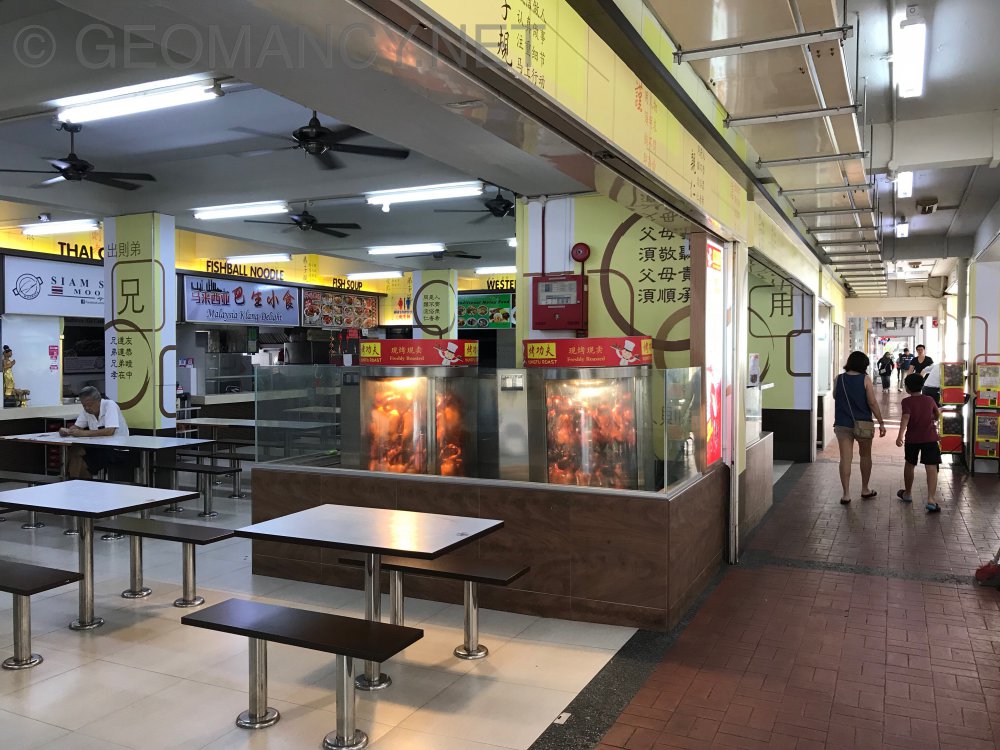
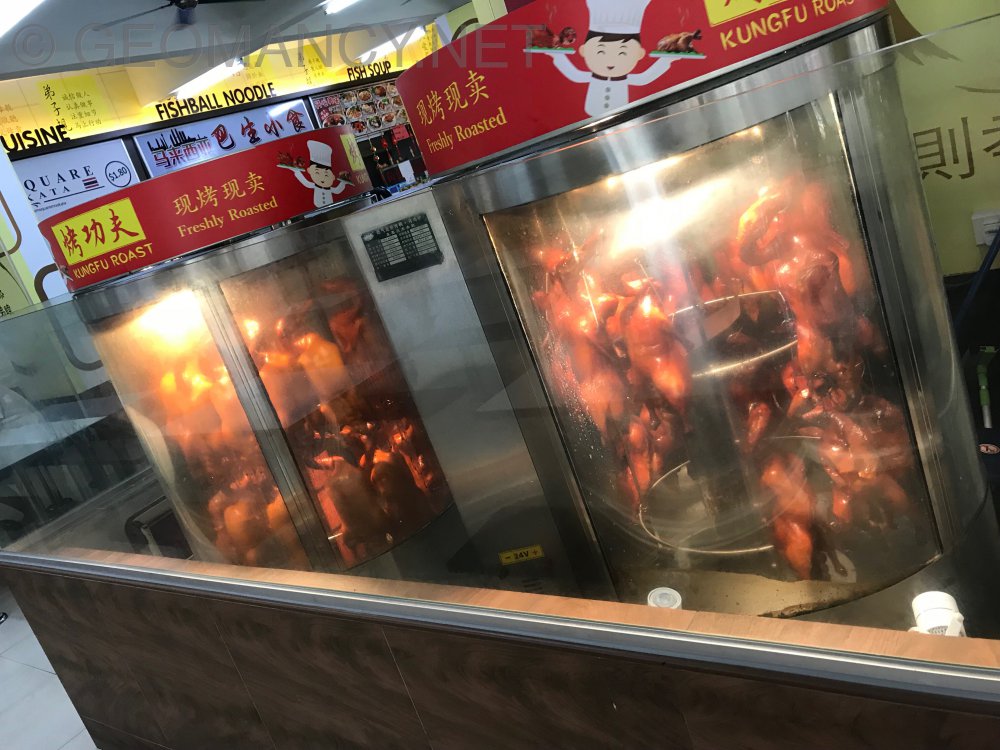
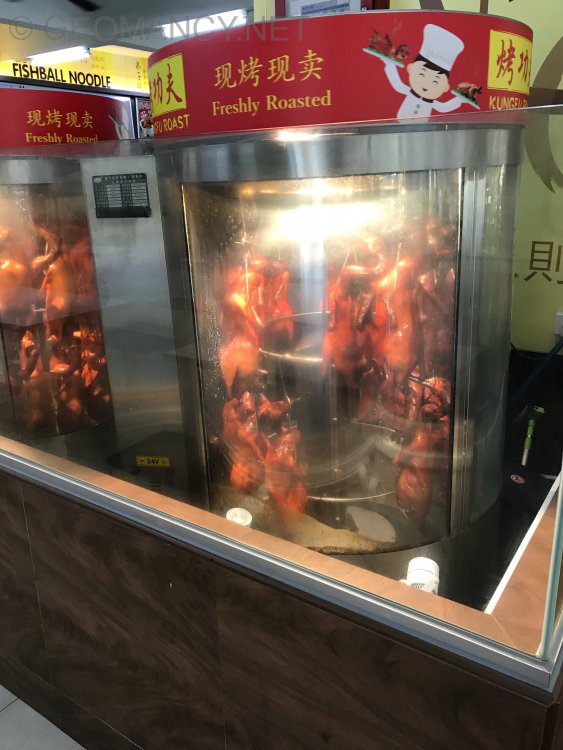
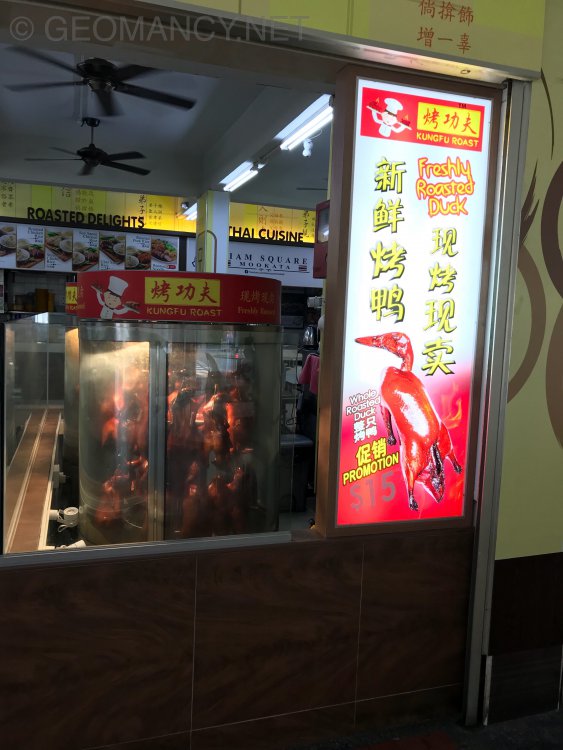
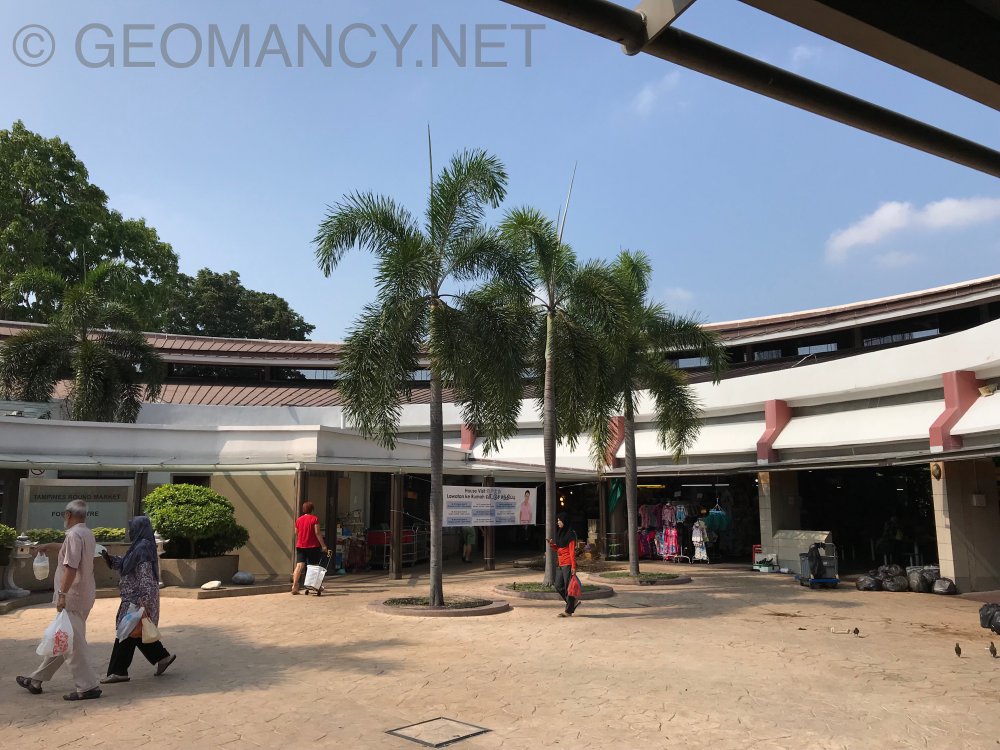
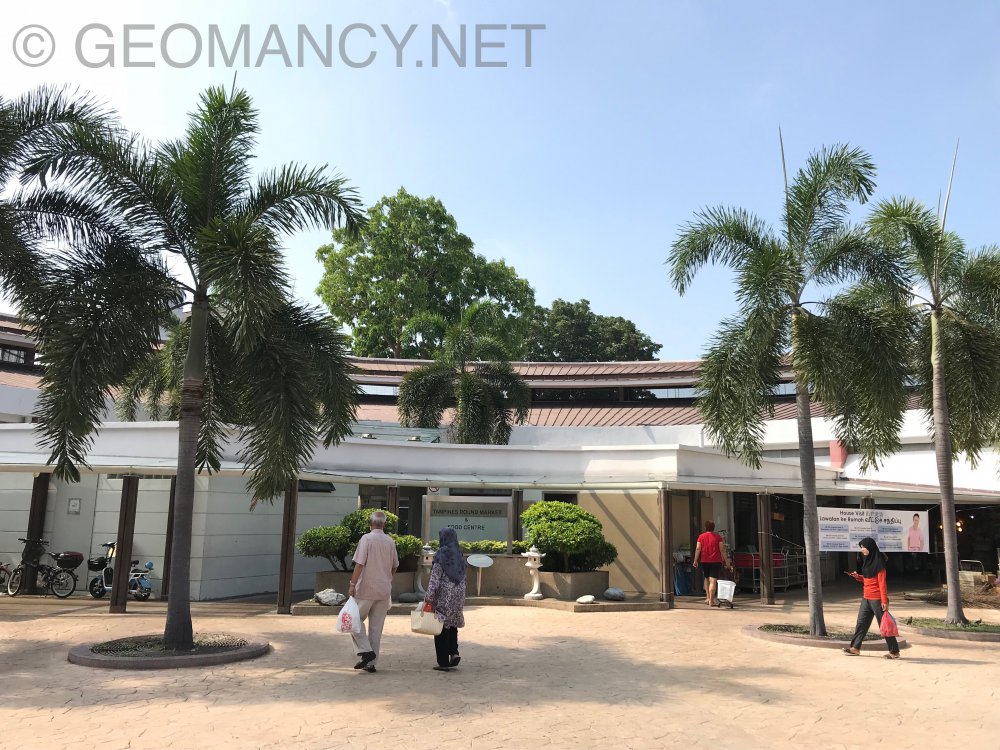
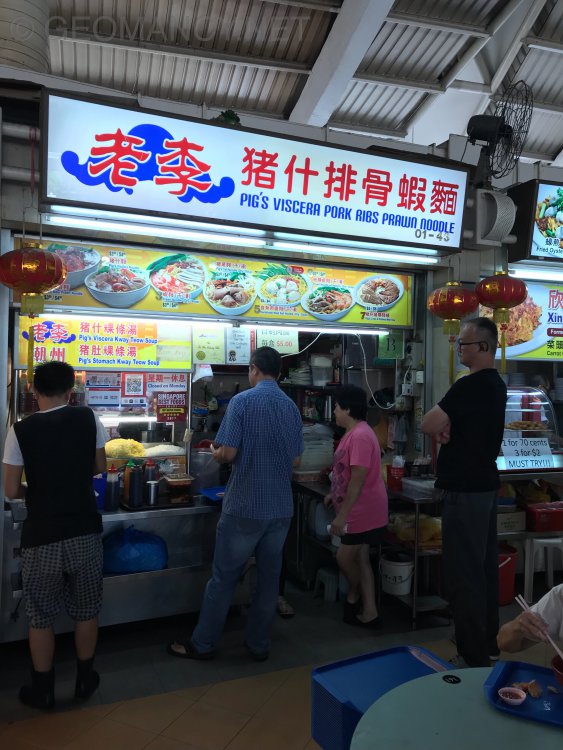
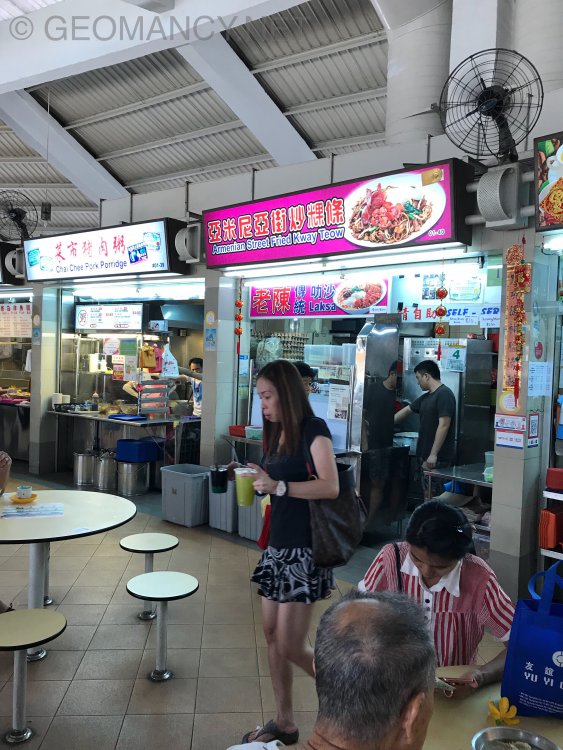
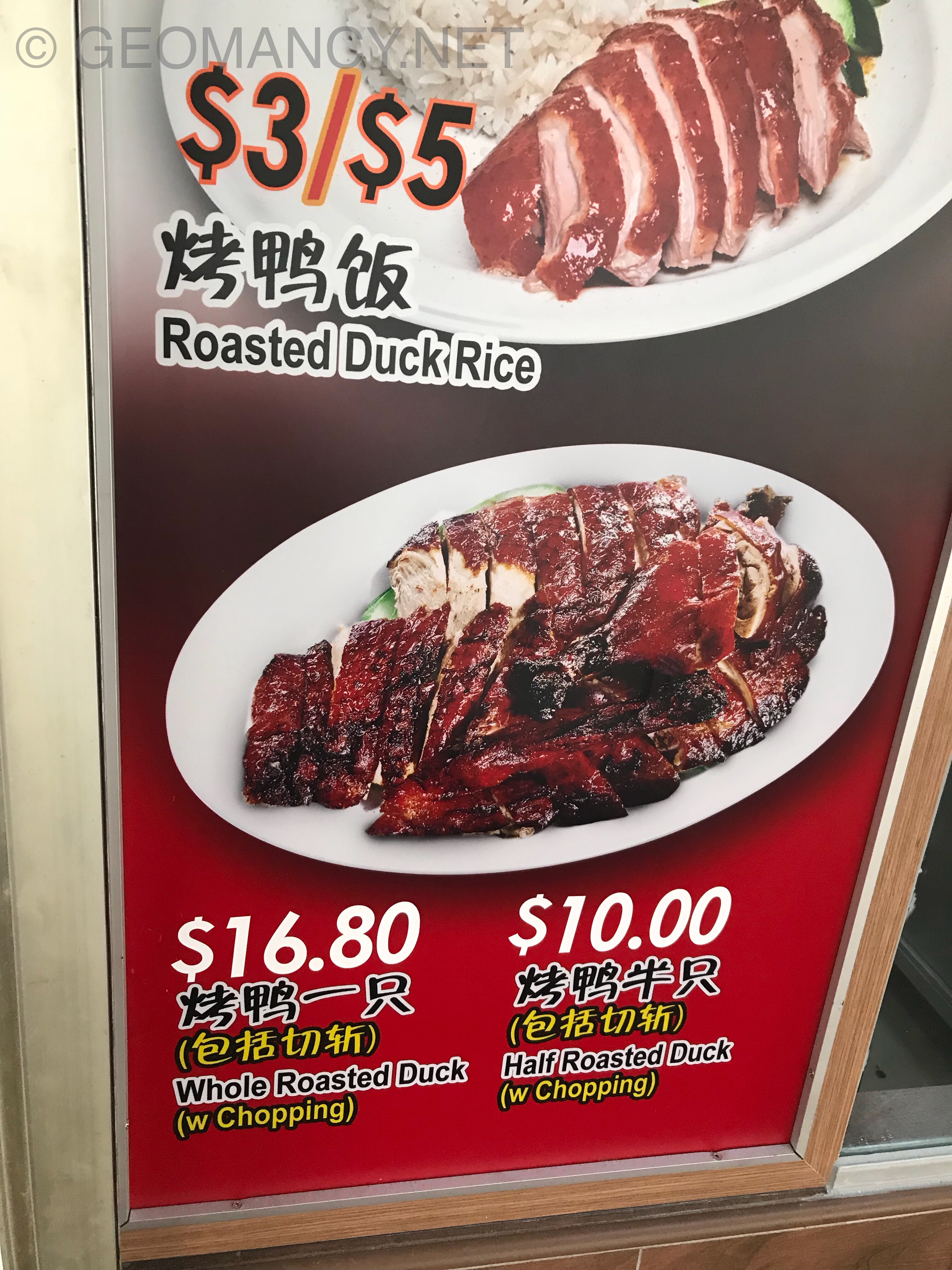
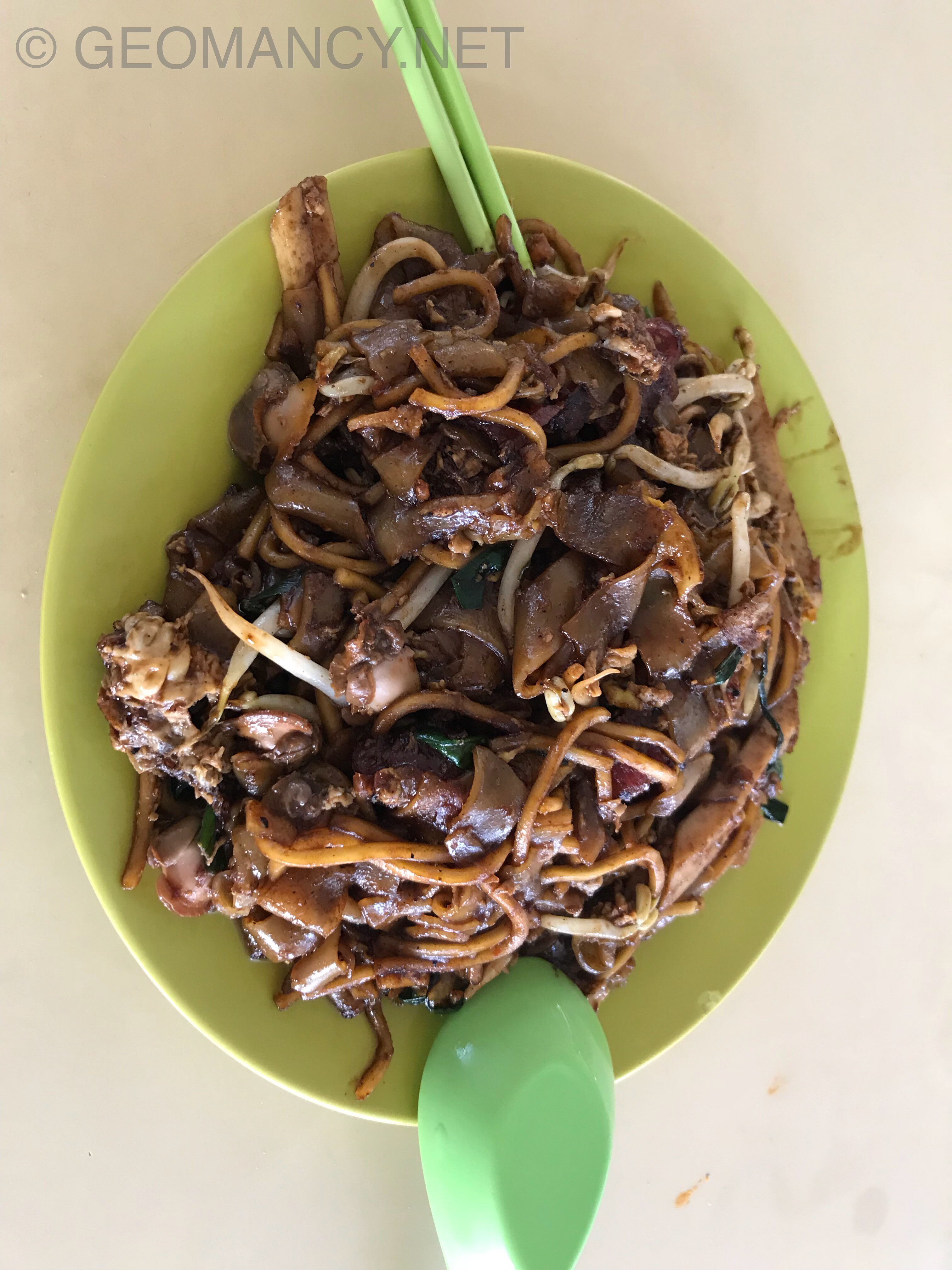
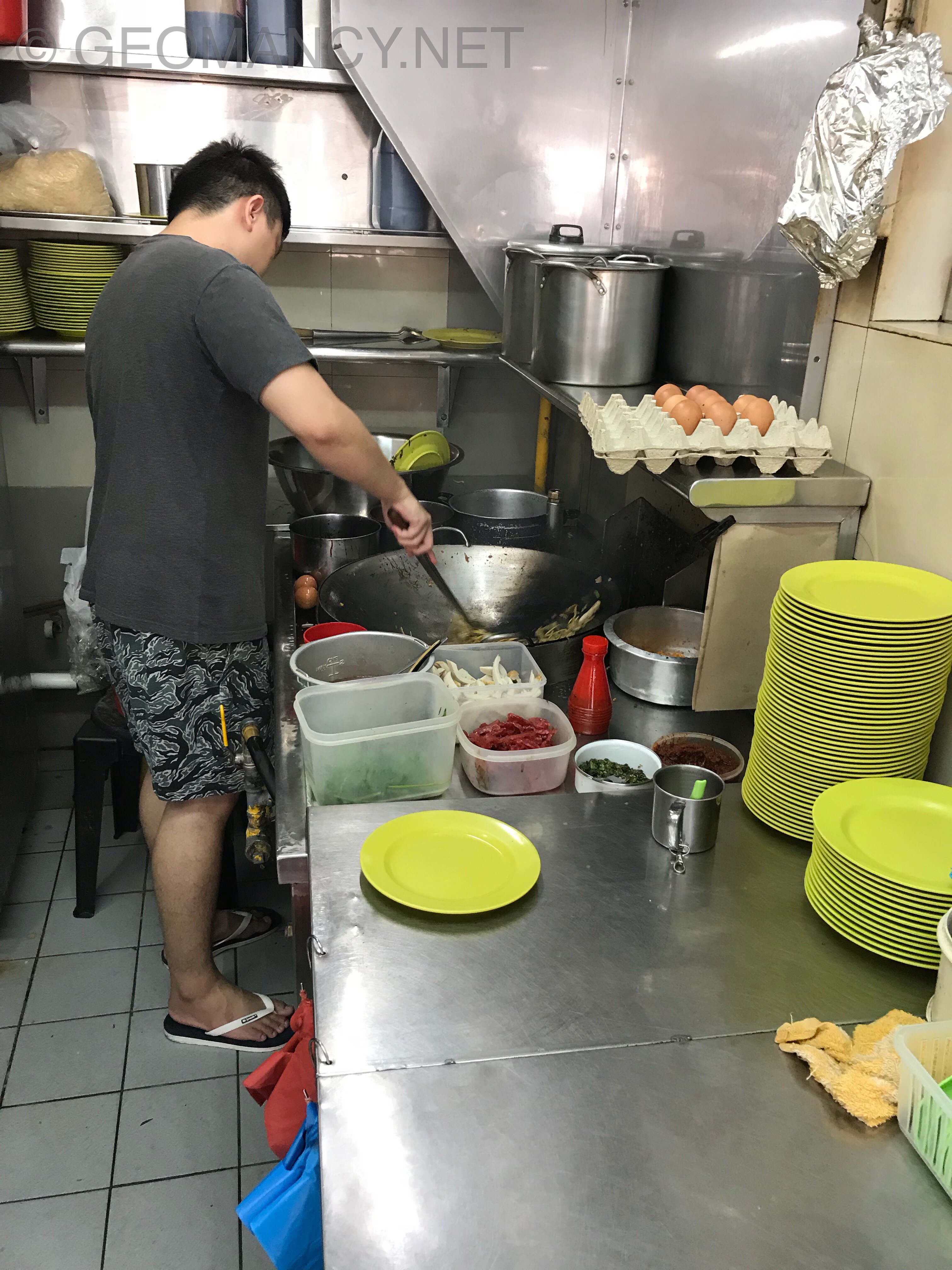
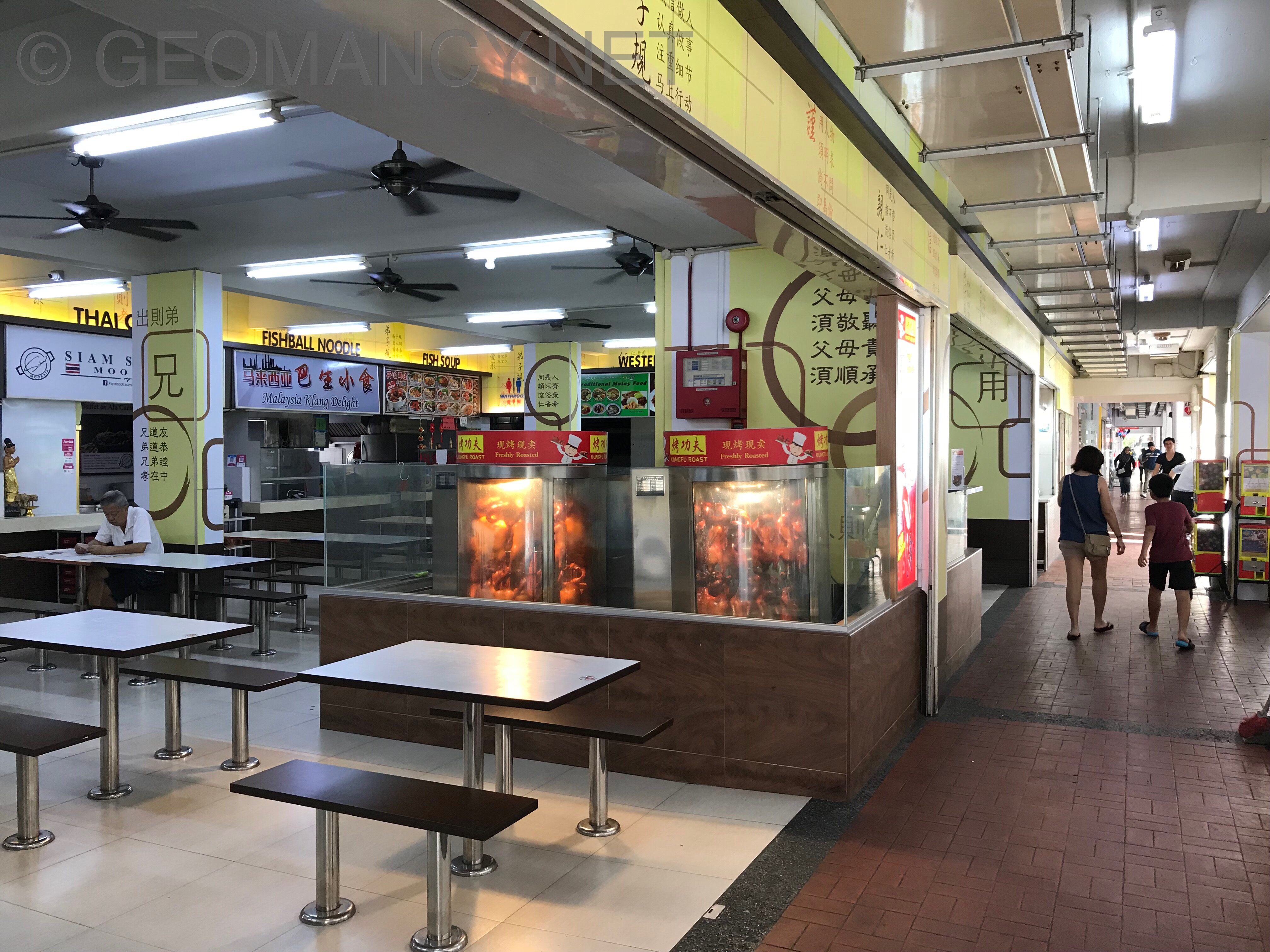
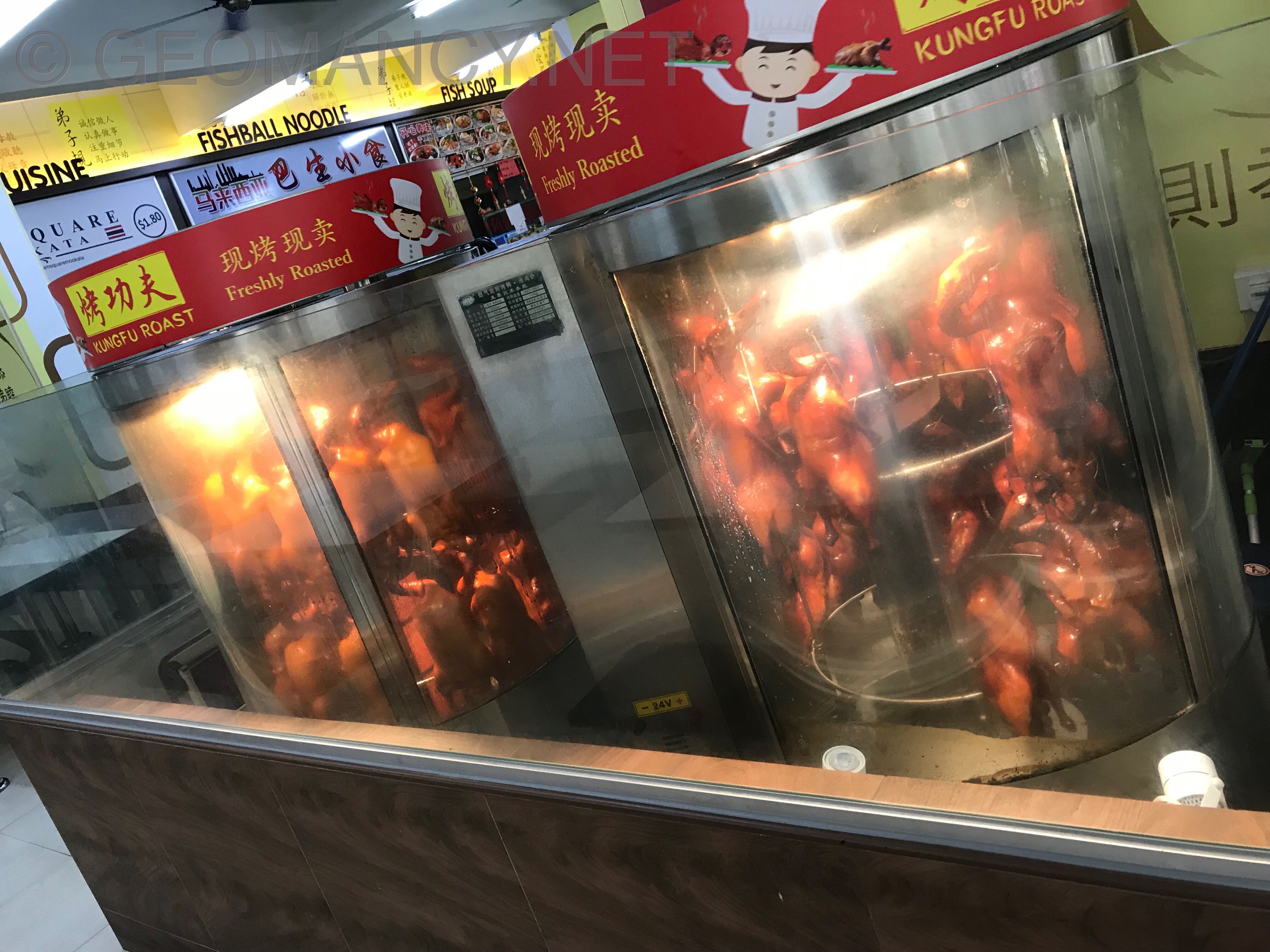
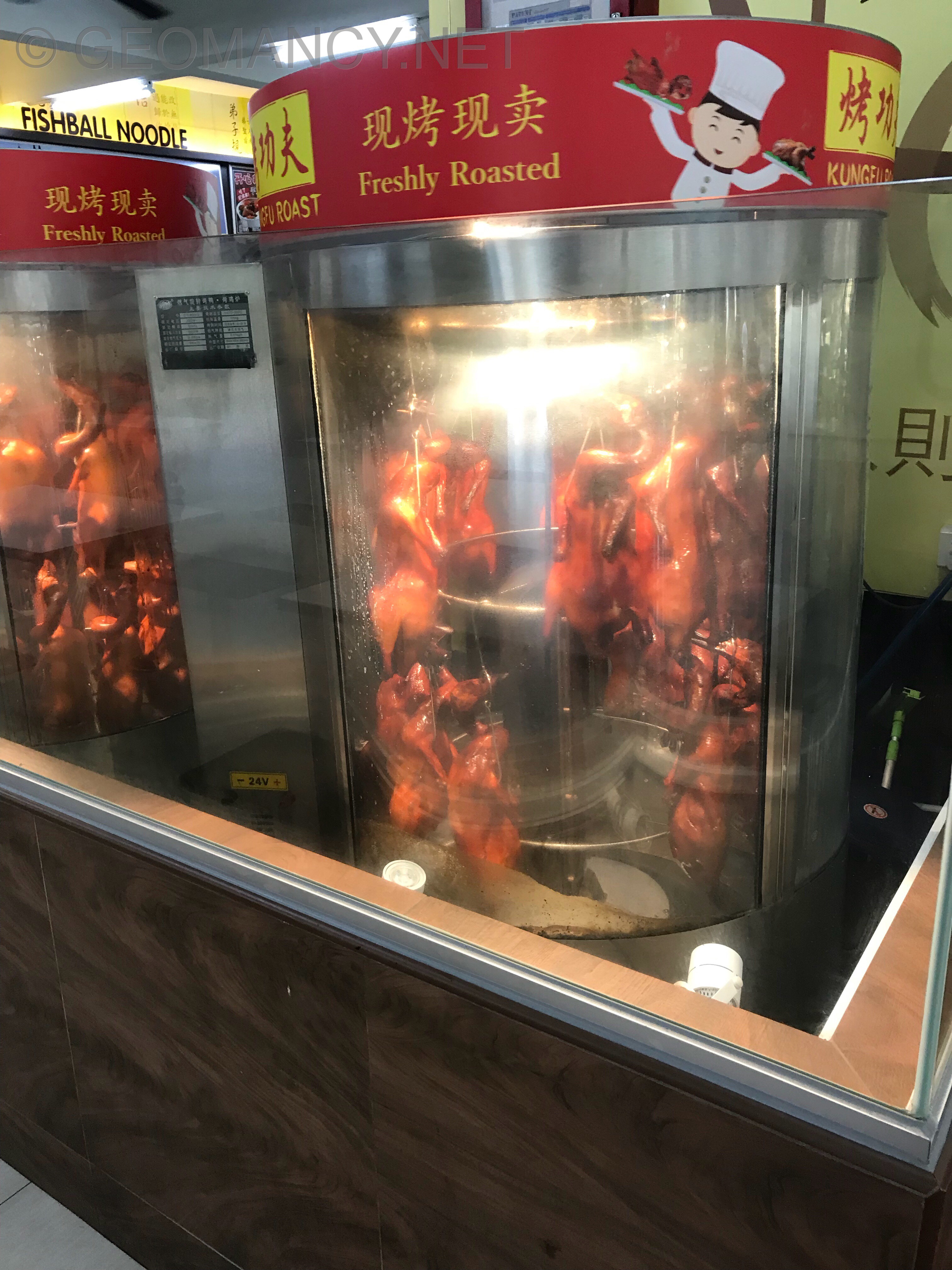
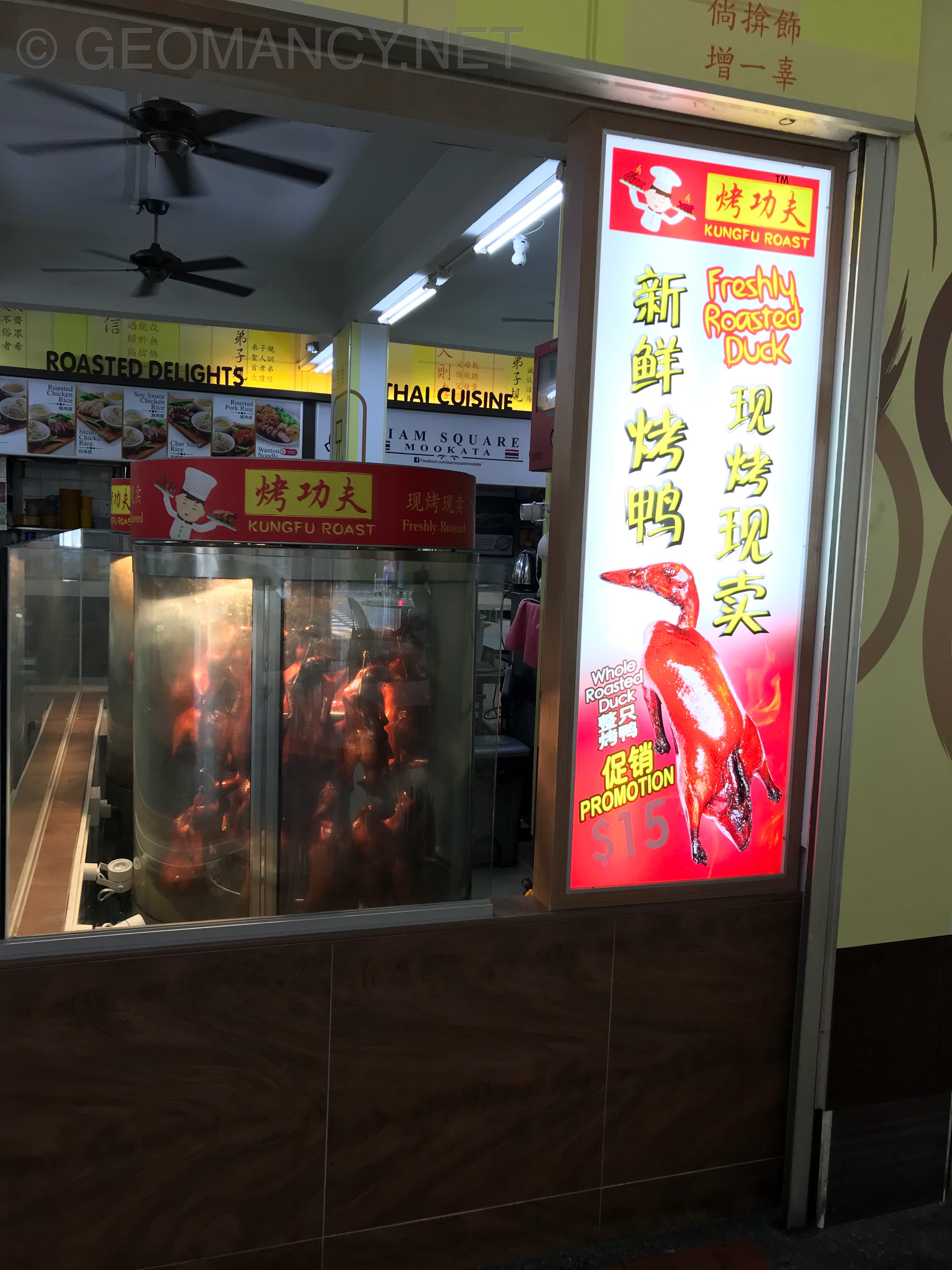
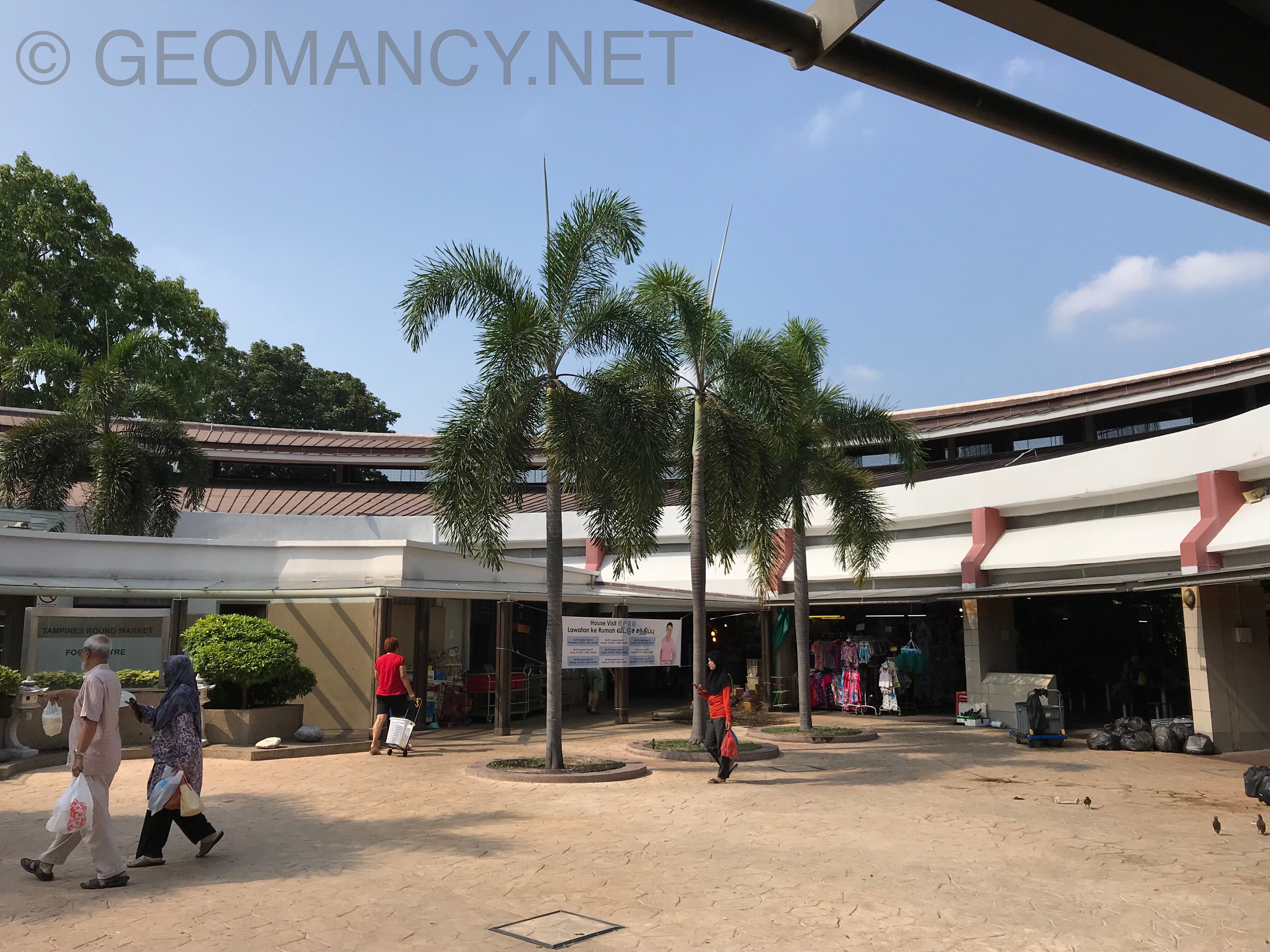
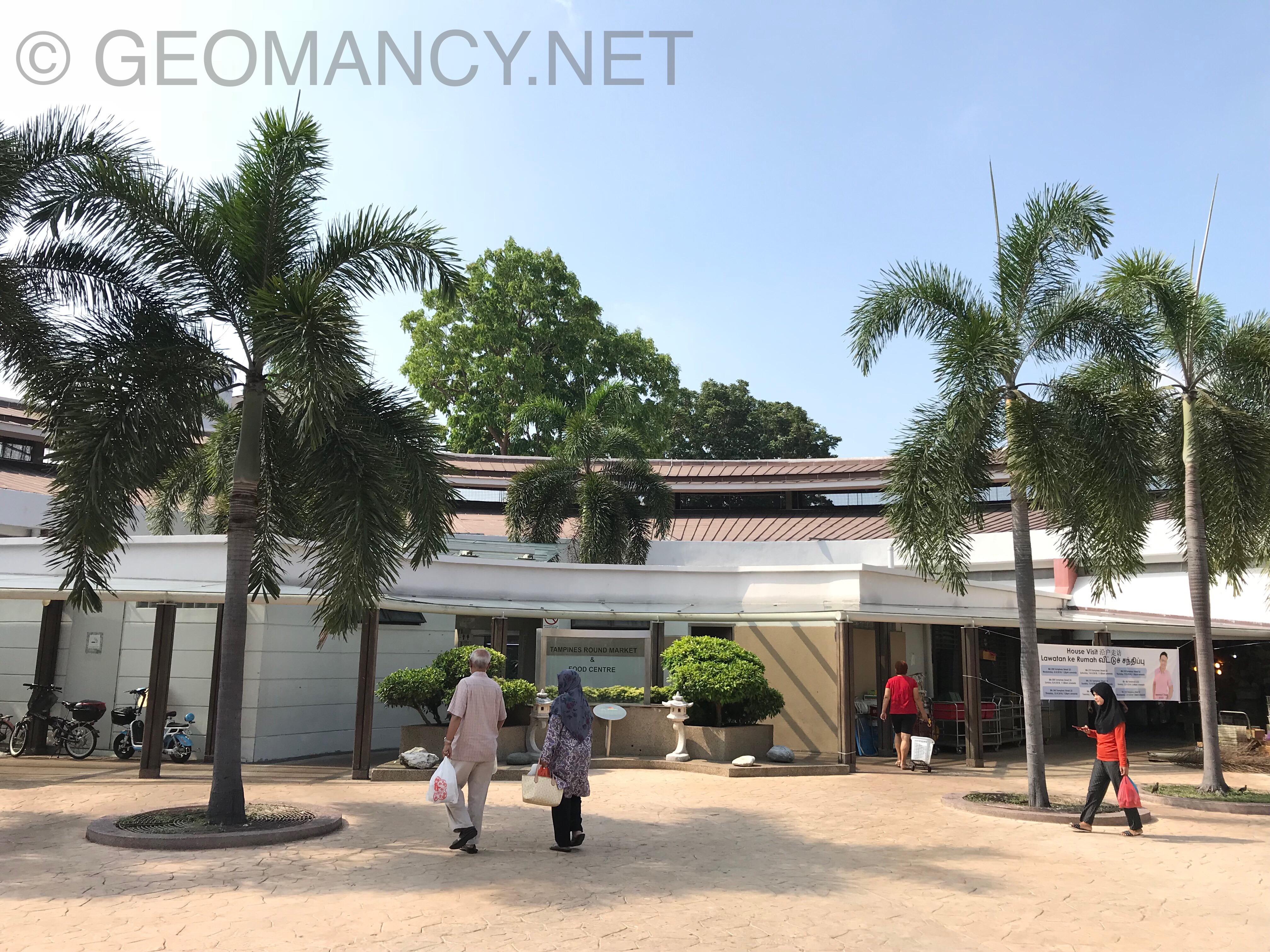
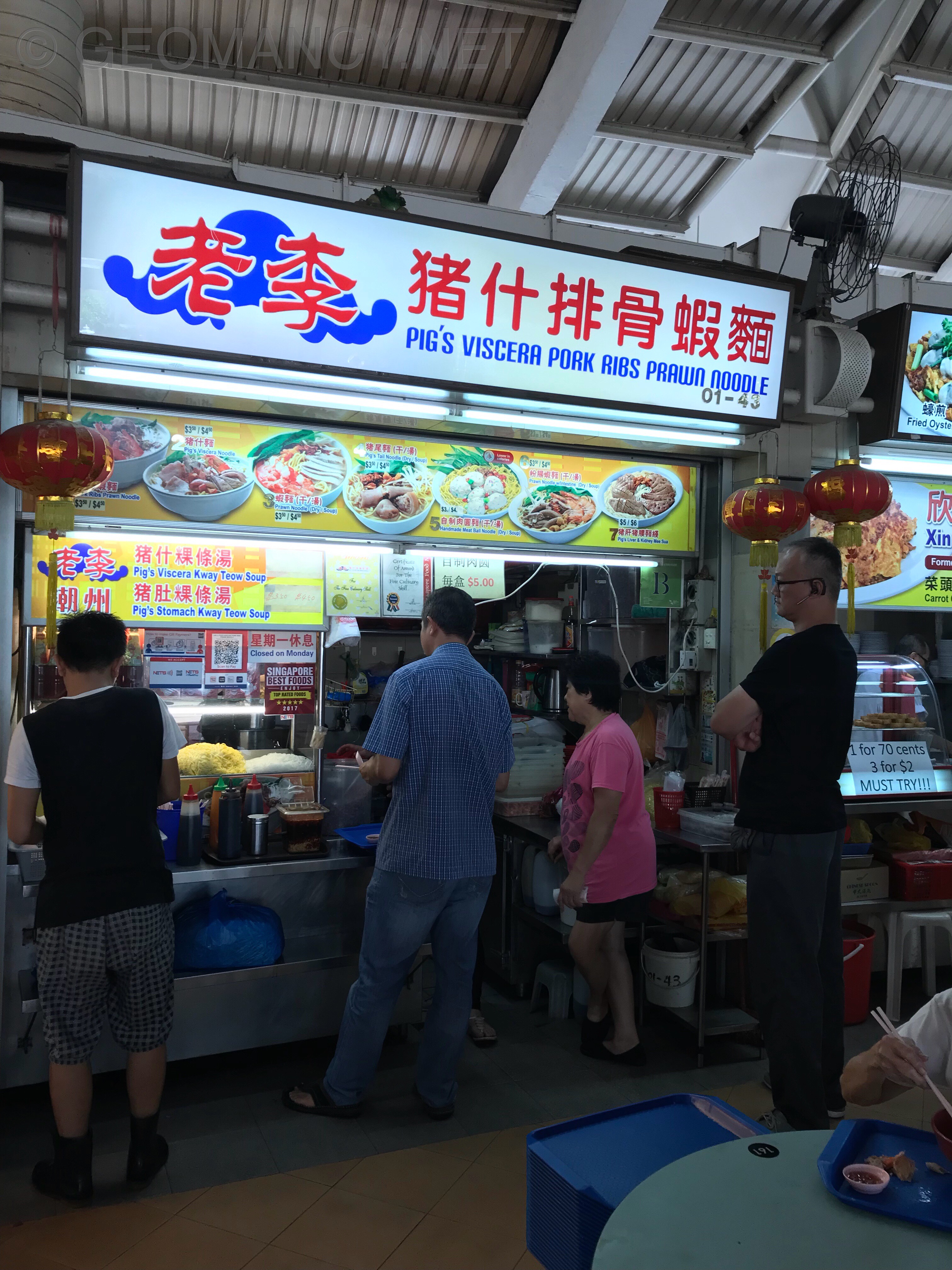
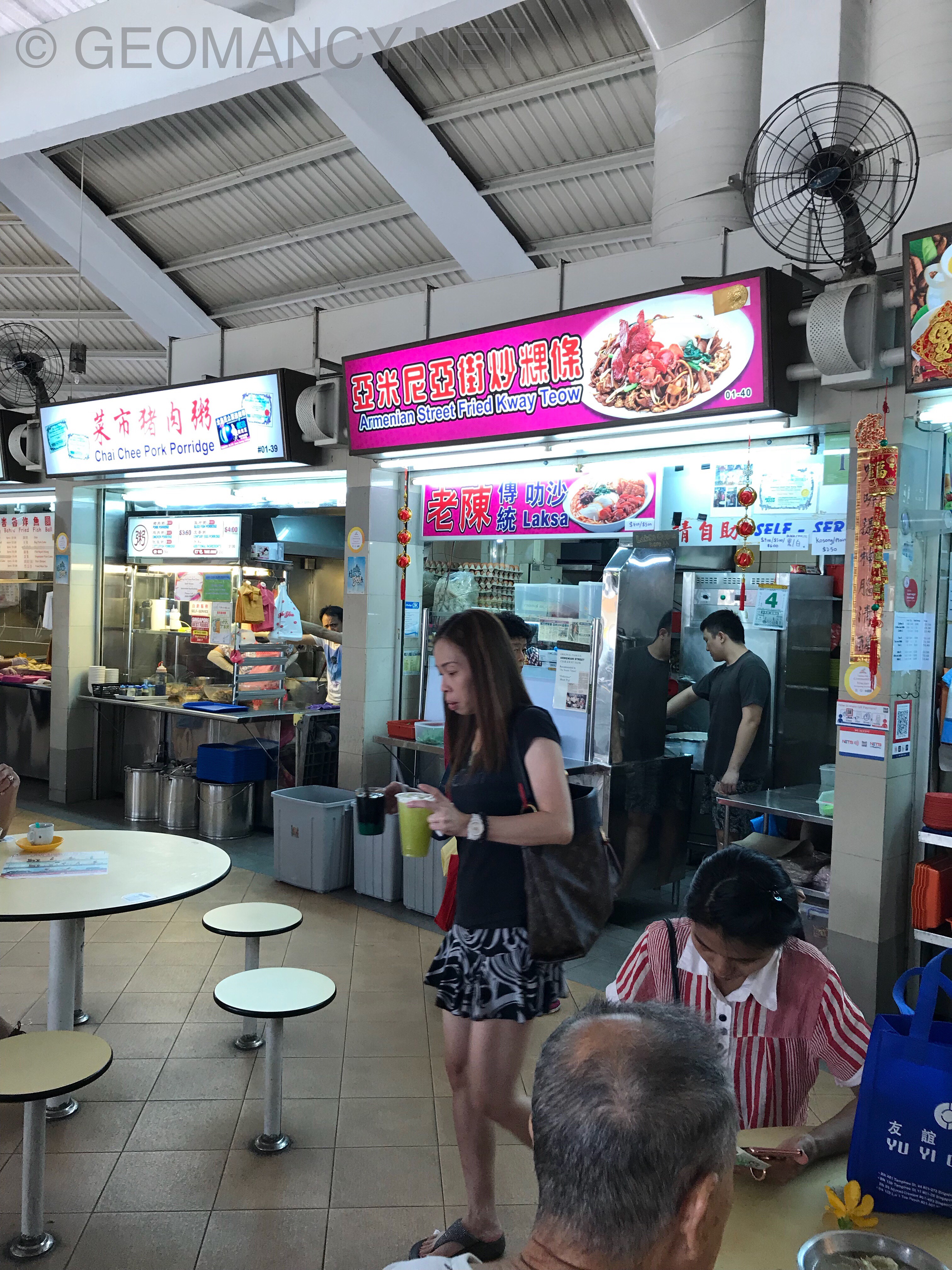
Kungfu Roast & Fried Kway Teow. Note: Kungfu Roast was located in a nearby coffee shop. While char kway teow is in the round market and food centre. Kungfu Road had a few branches. One day I was walking past it's branch at Tiong Bahru Plaza basement. The landlord pasted a notice saying that the premise has been taken back by them. Recently in March 2020, walked past this coffeeshop. Indeed this Coffee Shop's Kungfu Road lost it's tooth. Gone already...

-
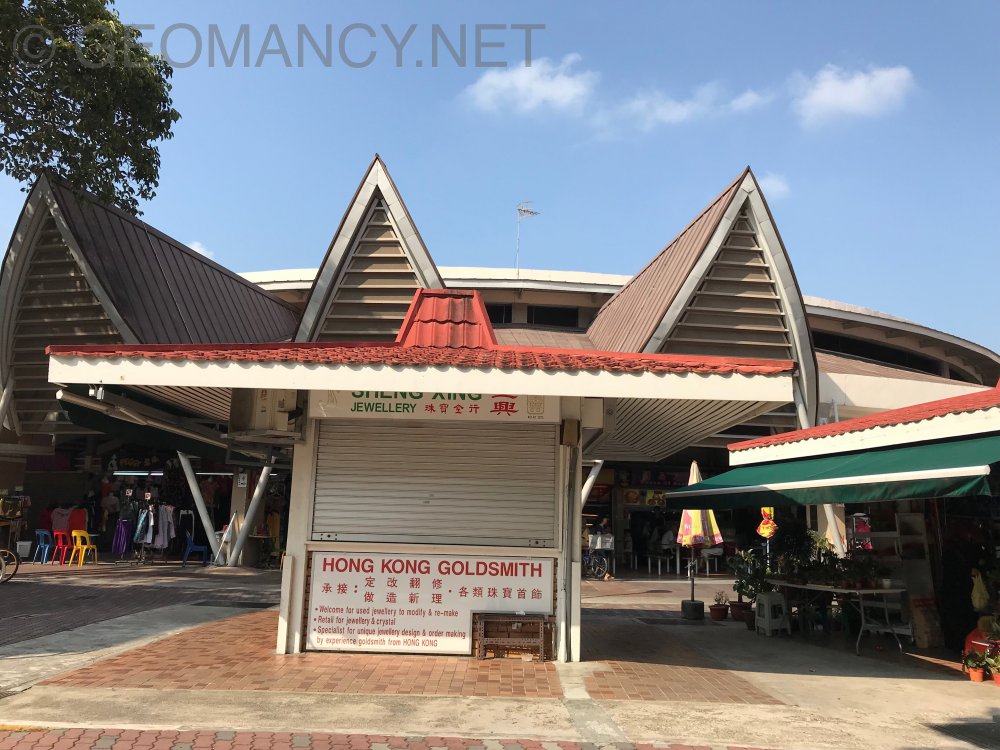
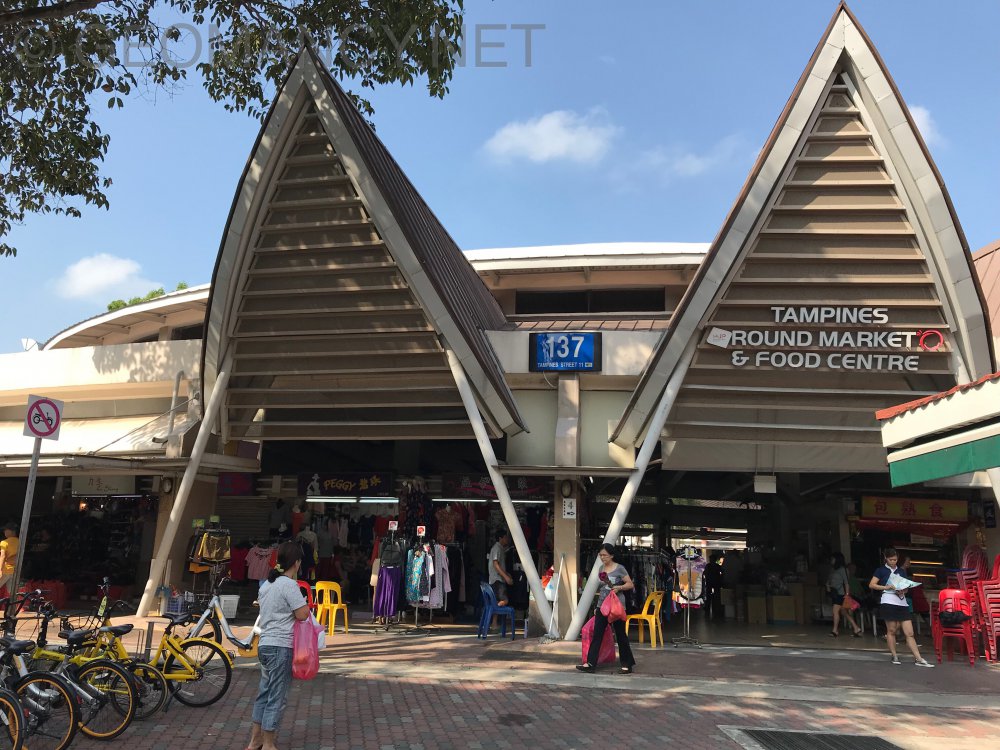
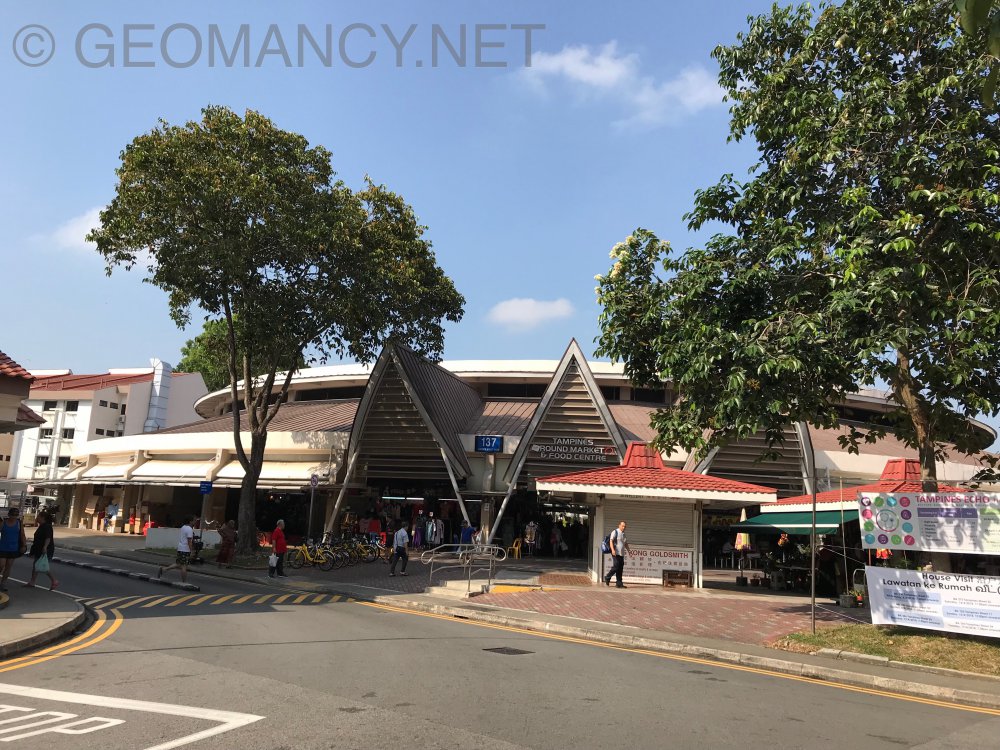
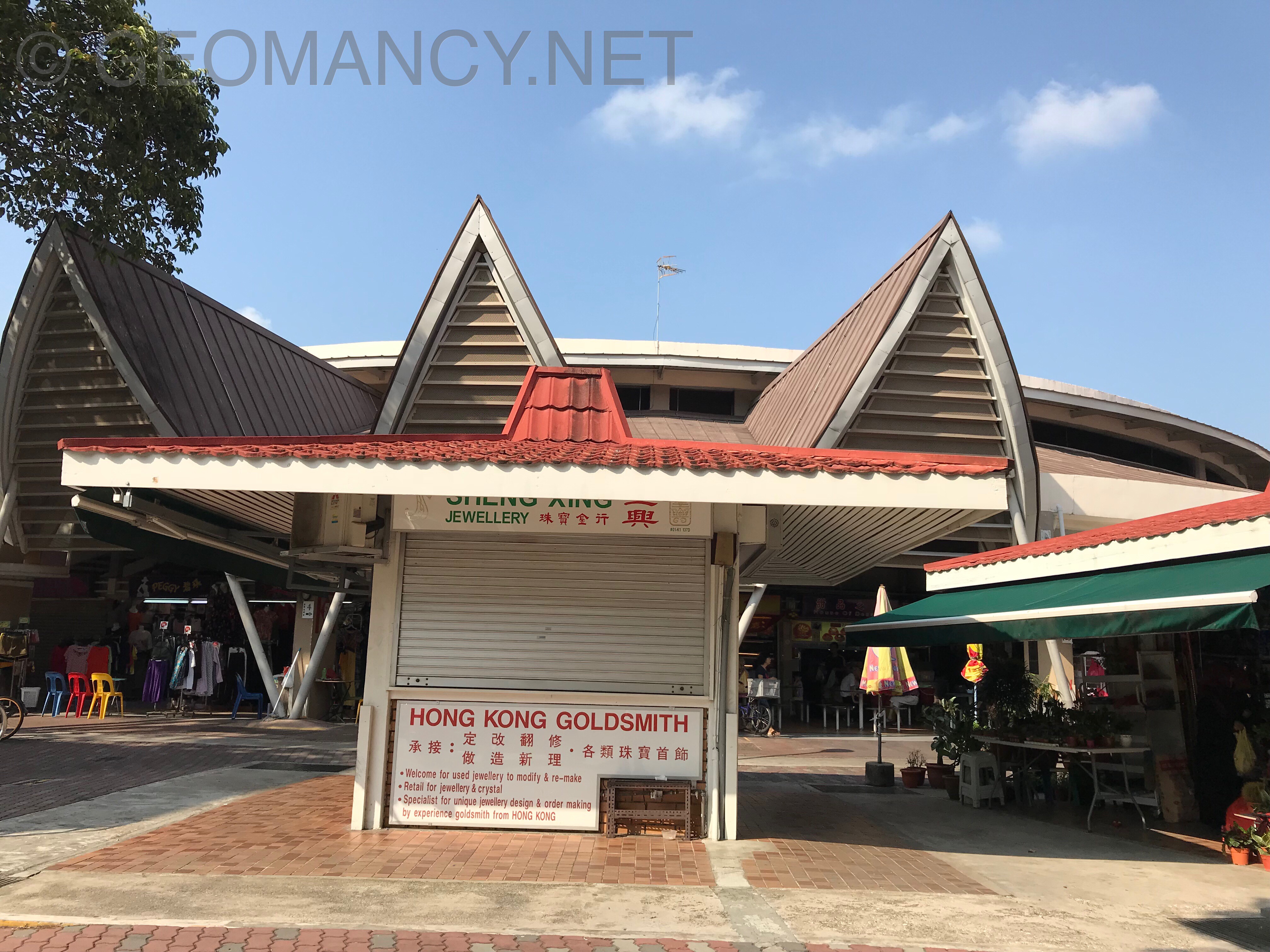
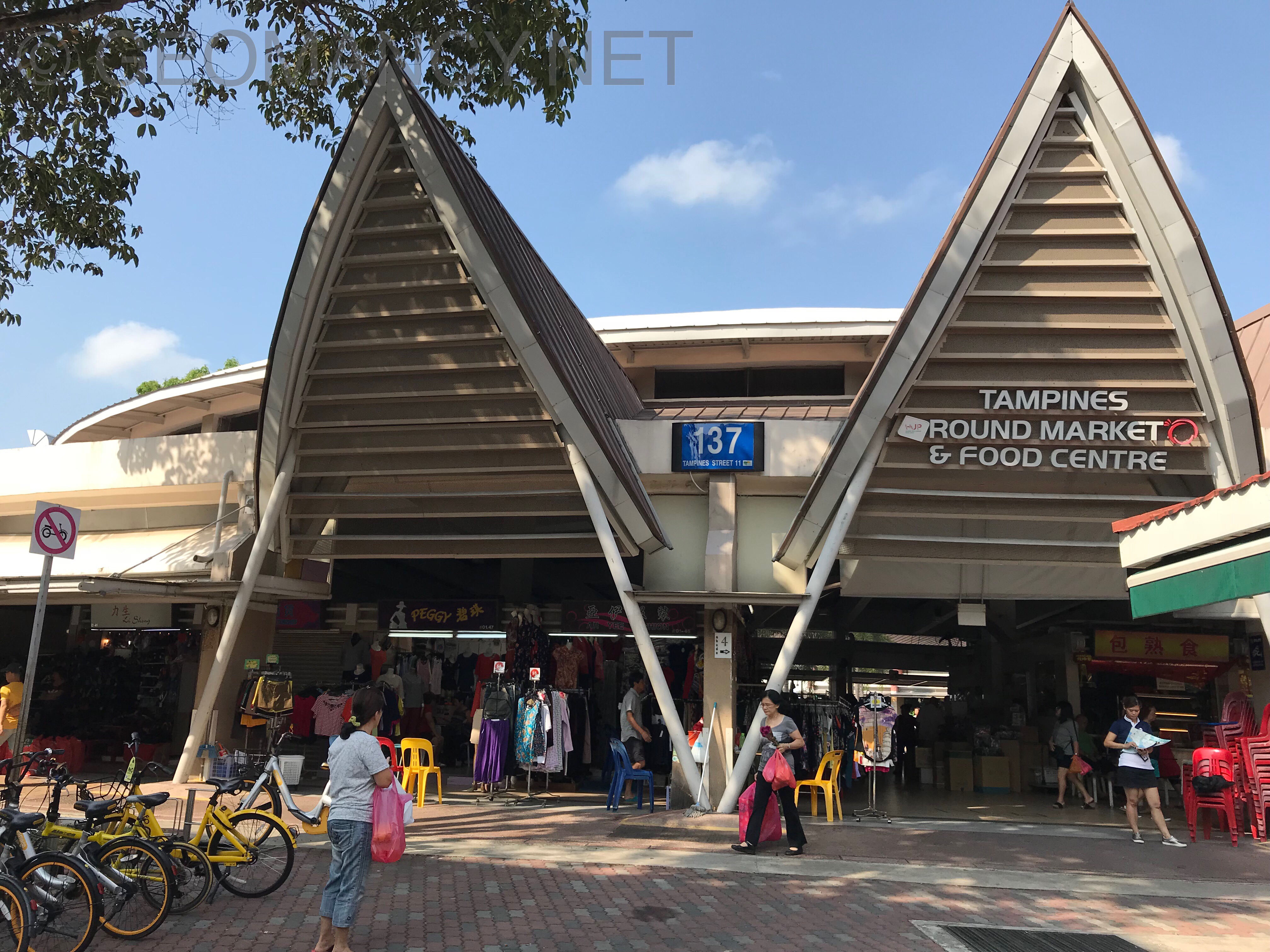
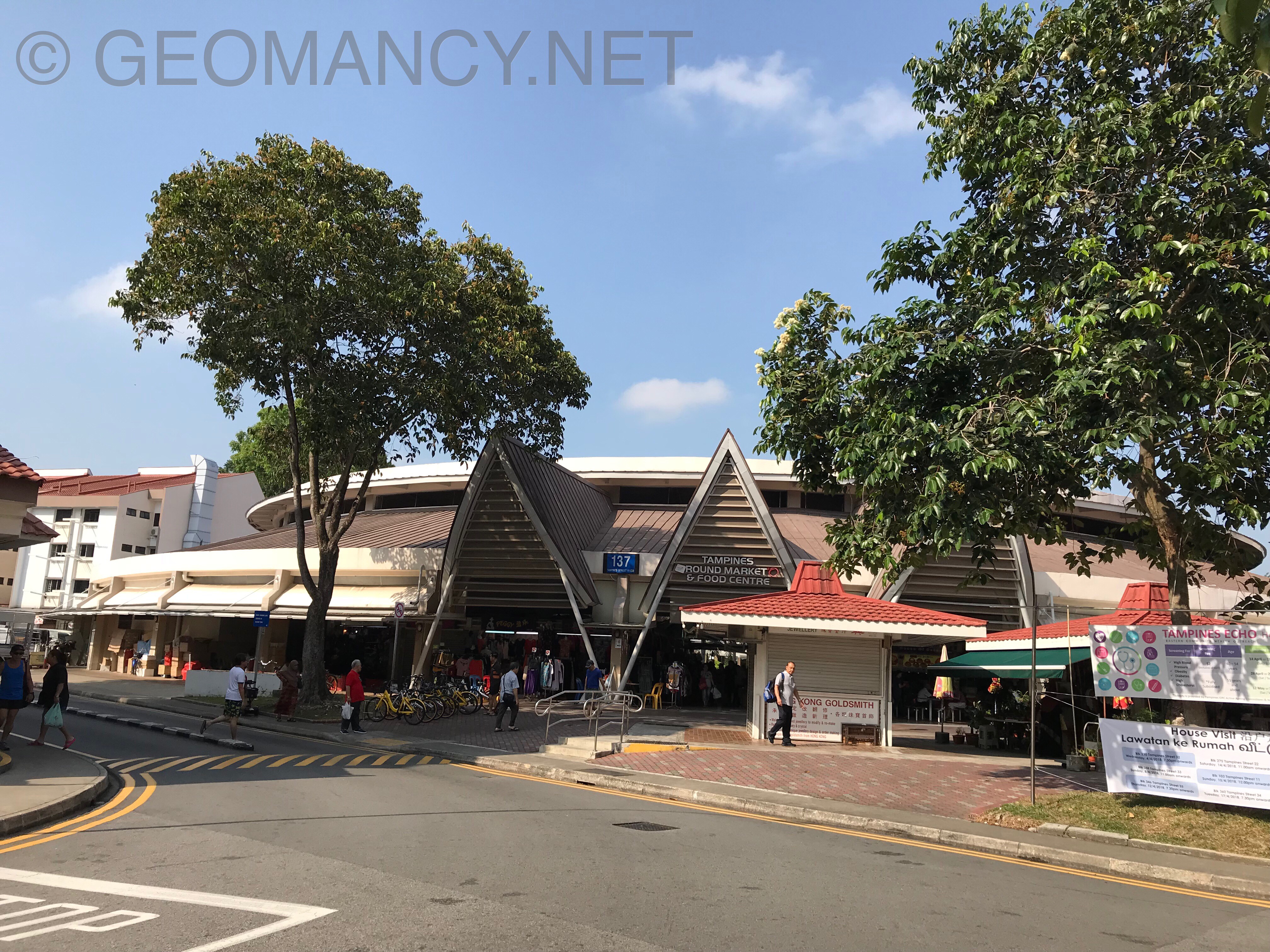
This is ground zero for Tampines New Town’s first few neighbourhood centre. In the early 1980’s prior to the development of Tampines MRT and Tampines HUB, one would have thought that Tampines centered around this block 1xx estate.
-
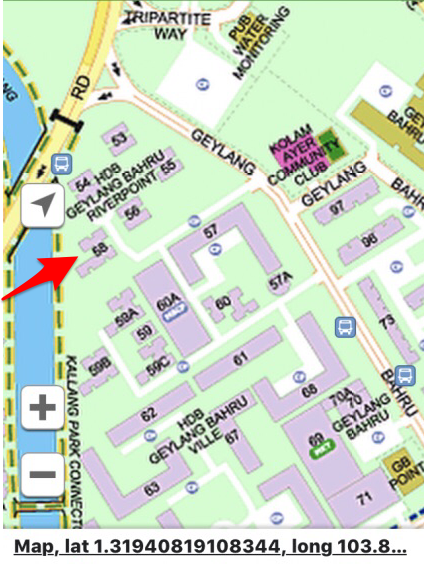
In 1979, MR Tan Kuen Chai and his wife Lee Mei Ying’s three boys and a girl were murdered in Block 58 Geylang Bahru: Tan Kok Peng, 10. Tan Kok Hin, 8. Tan Kok Soon, 6. Tan Chin Nee, 5, and the only girl. Unfortunately, the Murderer was never found... Block 54 HDB Geylang Bahru Riverpoint:- God Bless the family!

-
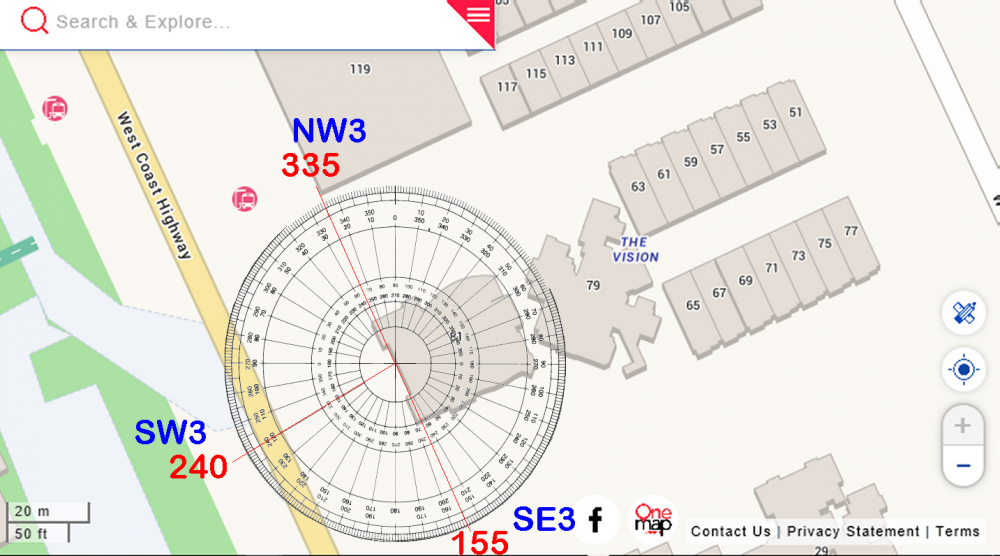
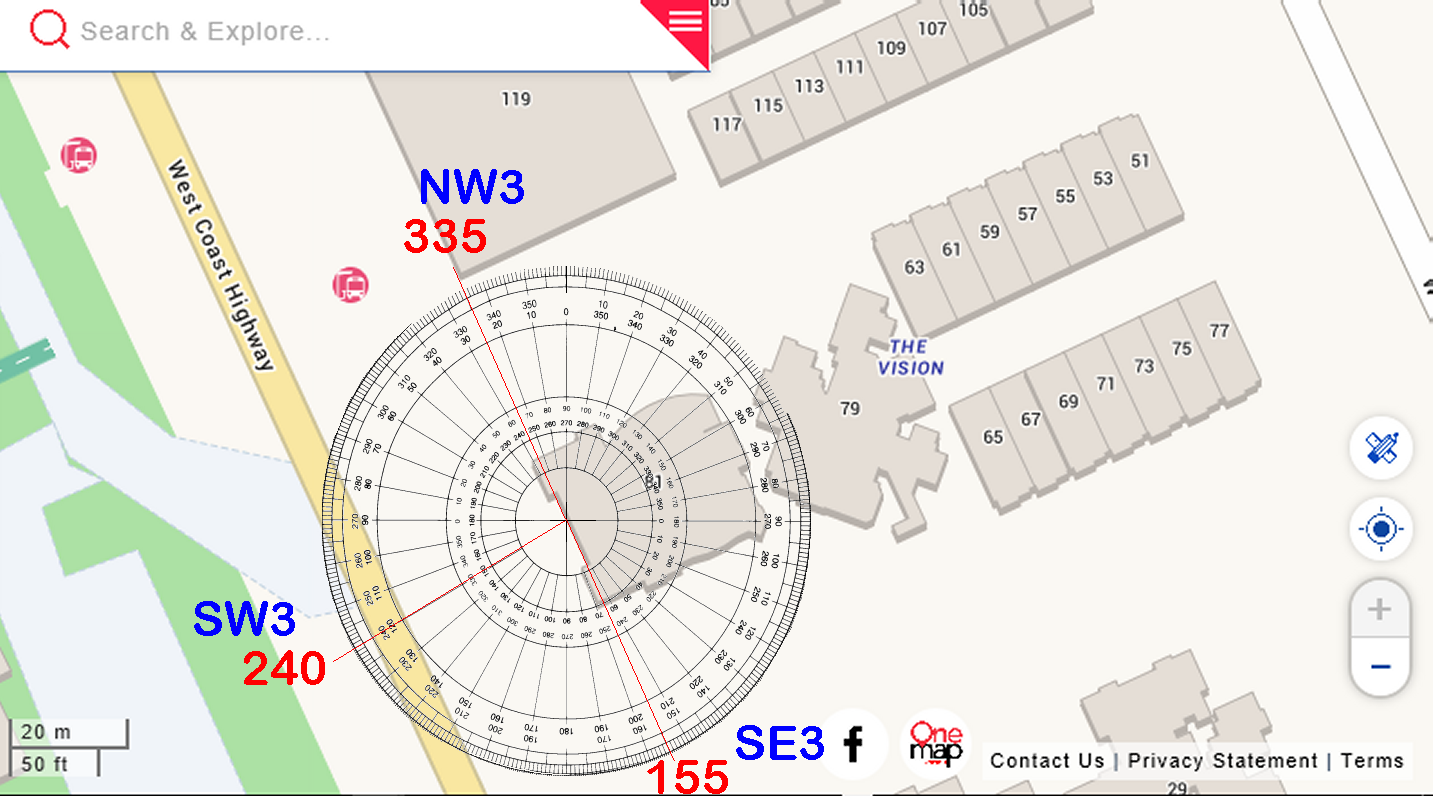
Flying Star Feng Shui of The Vision Block 81
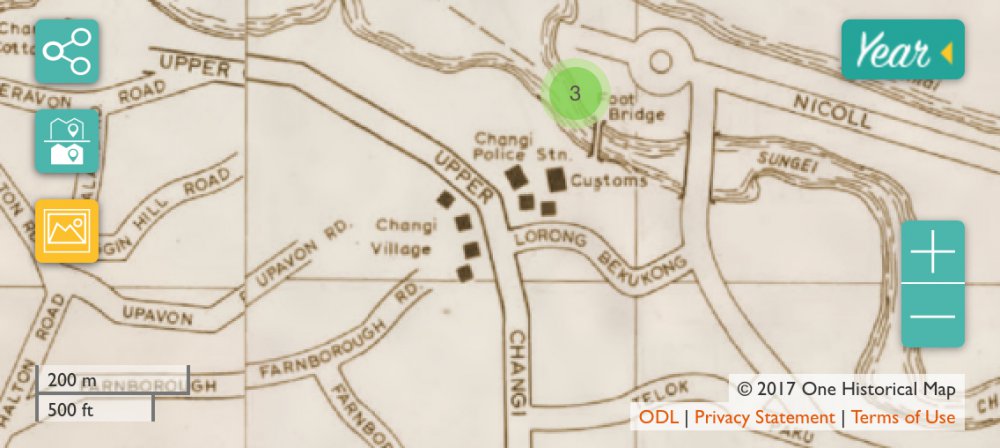
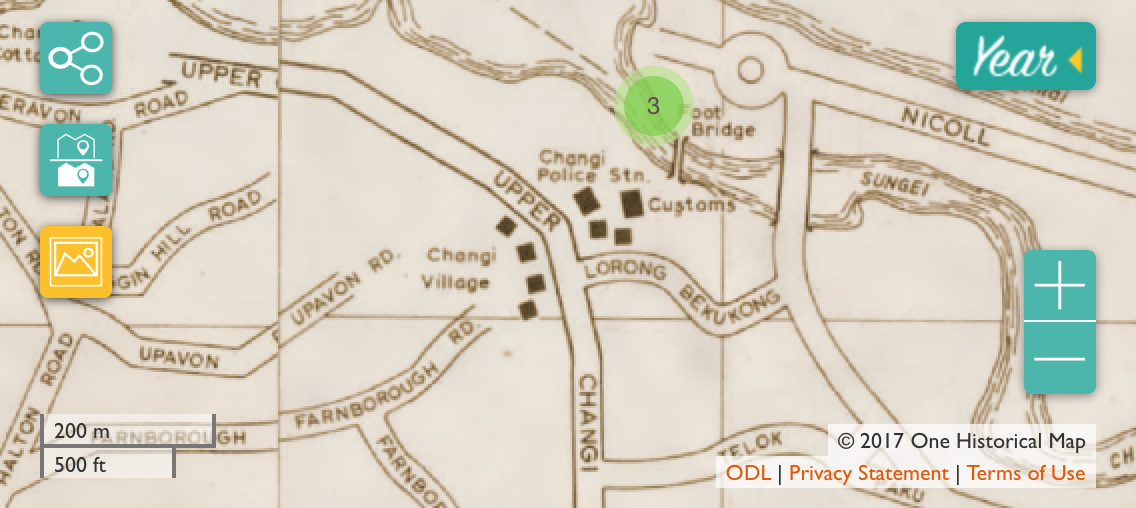
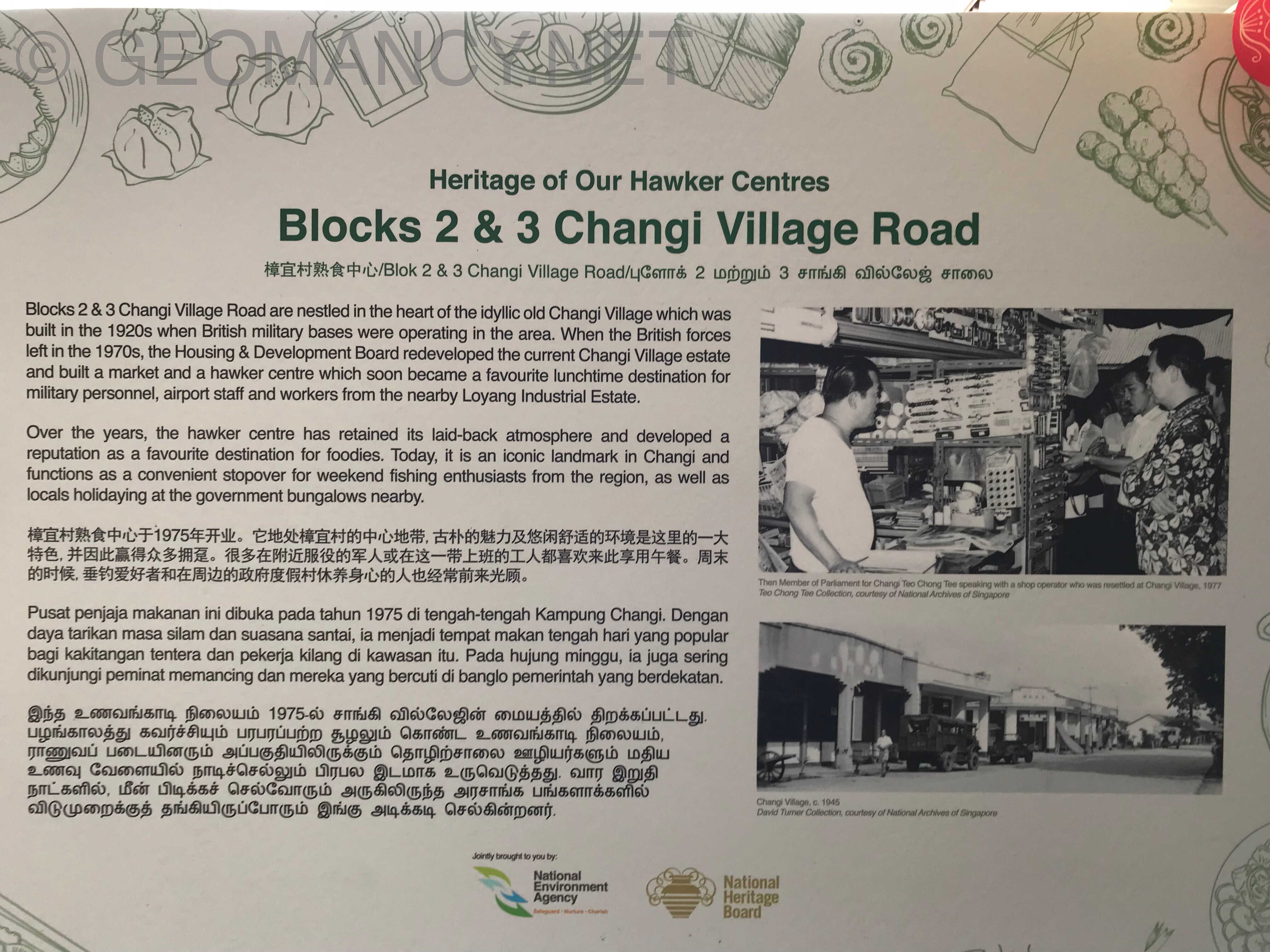
 Changi Village Road in 1966
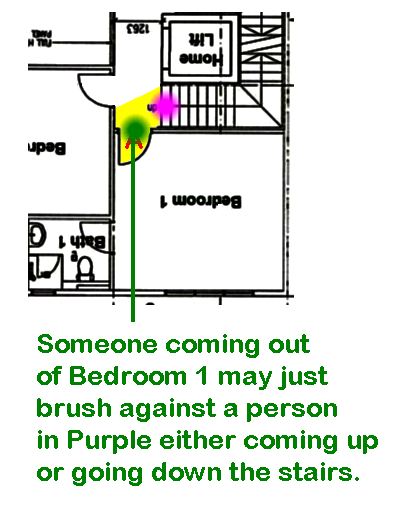
 Common sense says that one should not place bedroom 1's bedroom door so close to the staircase landing. This is because someone in a hurry.. and especially in today's world.. often a person would be too engrossed with their handphone to notice others coming up or going down the stairs. Thus may trip that person. Secondly, where possible avoid the staircase directly facing a bedroom door: as shown in B. Frankly, a degree in common sense is free. One can even obtain a Master’s or Doctorate, here!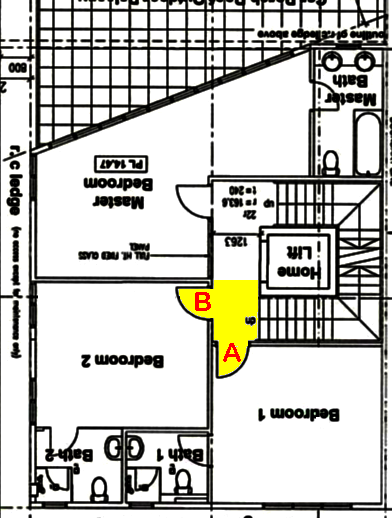
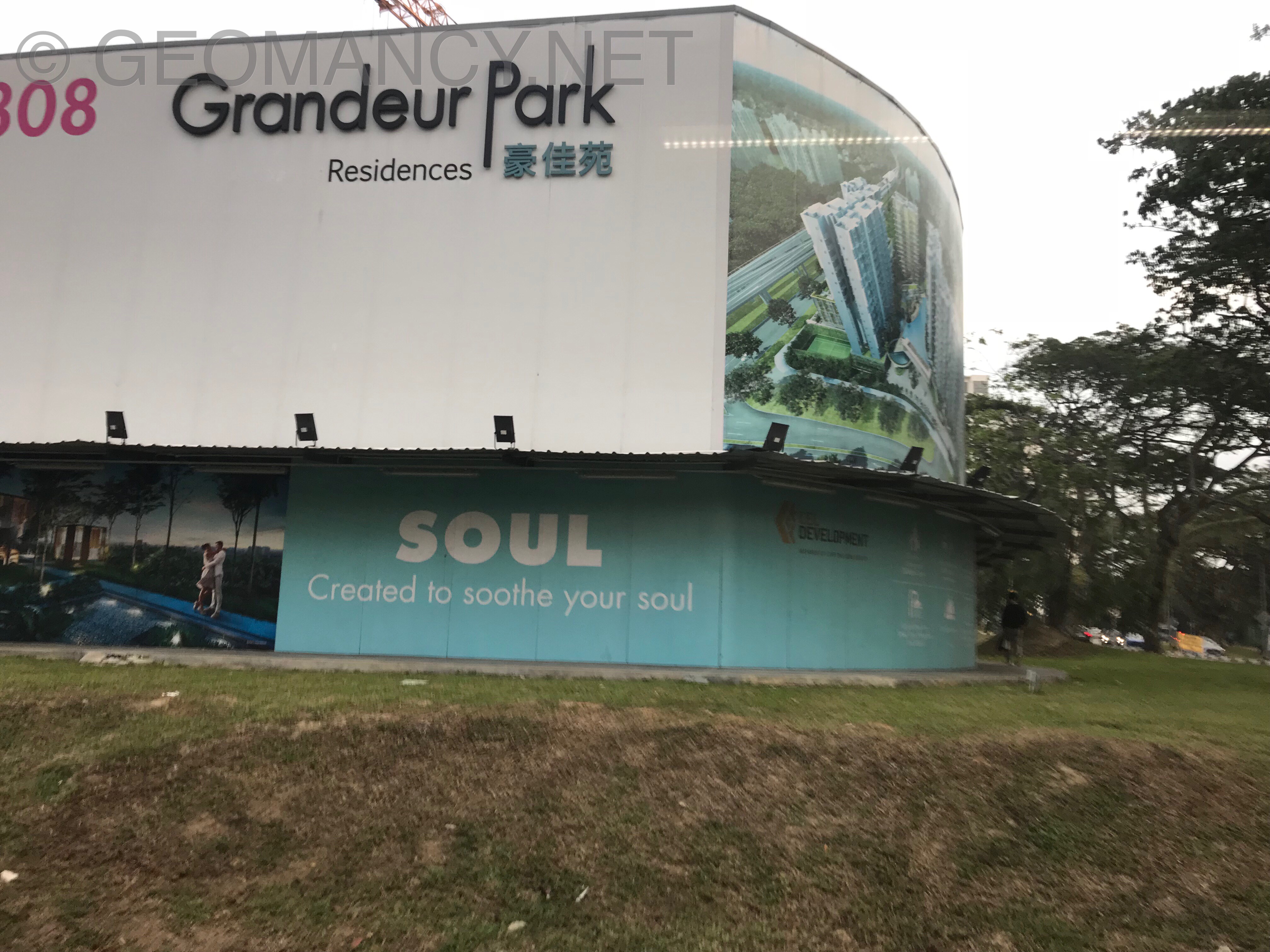
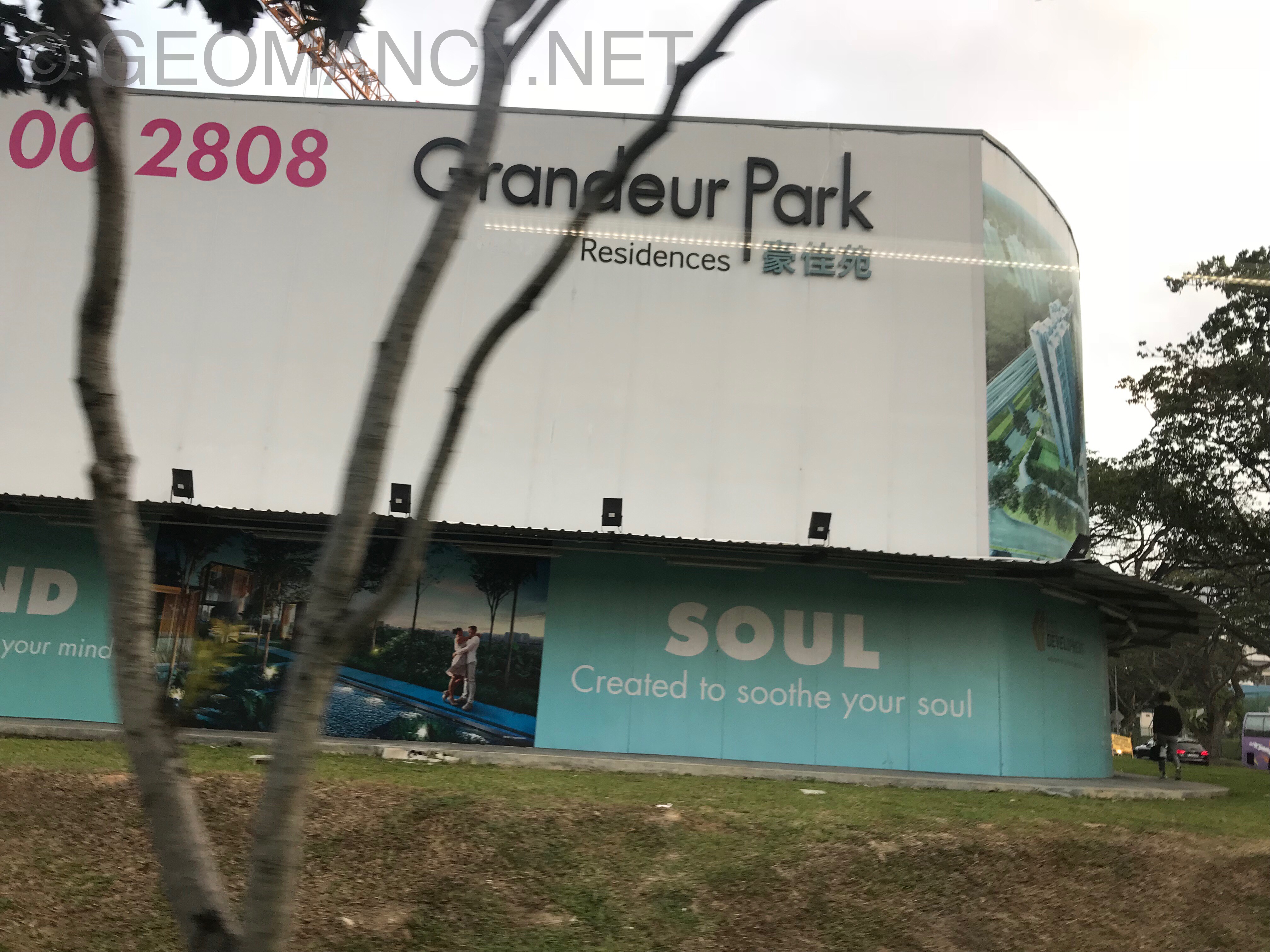
 Recent photos: 2 April 2018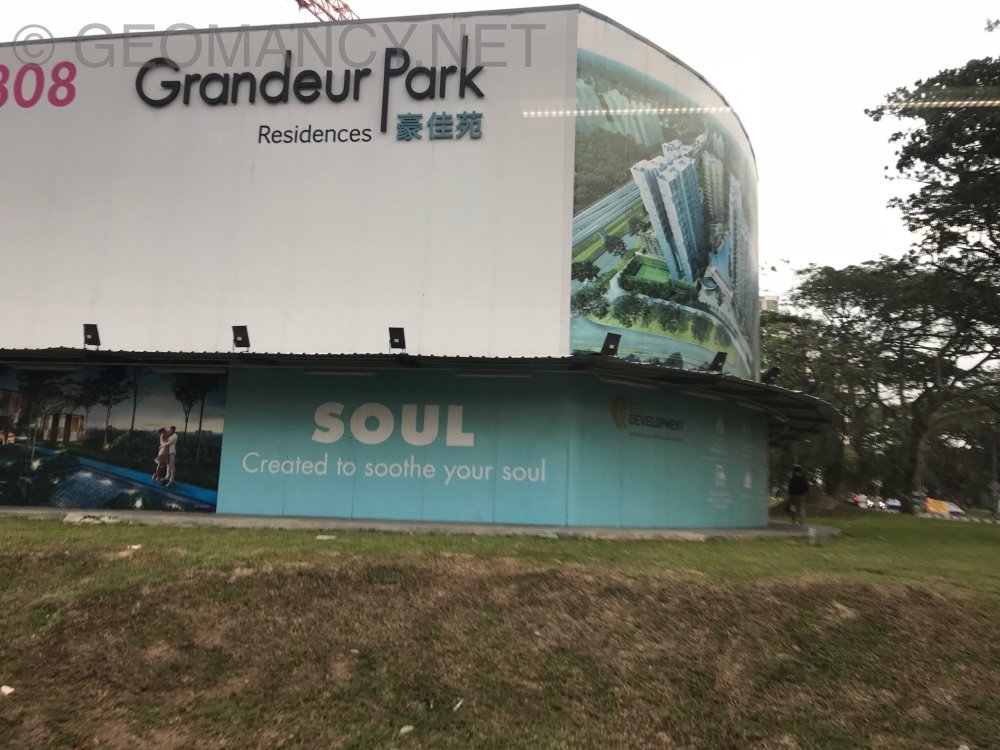
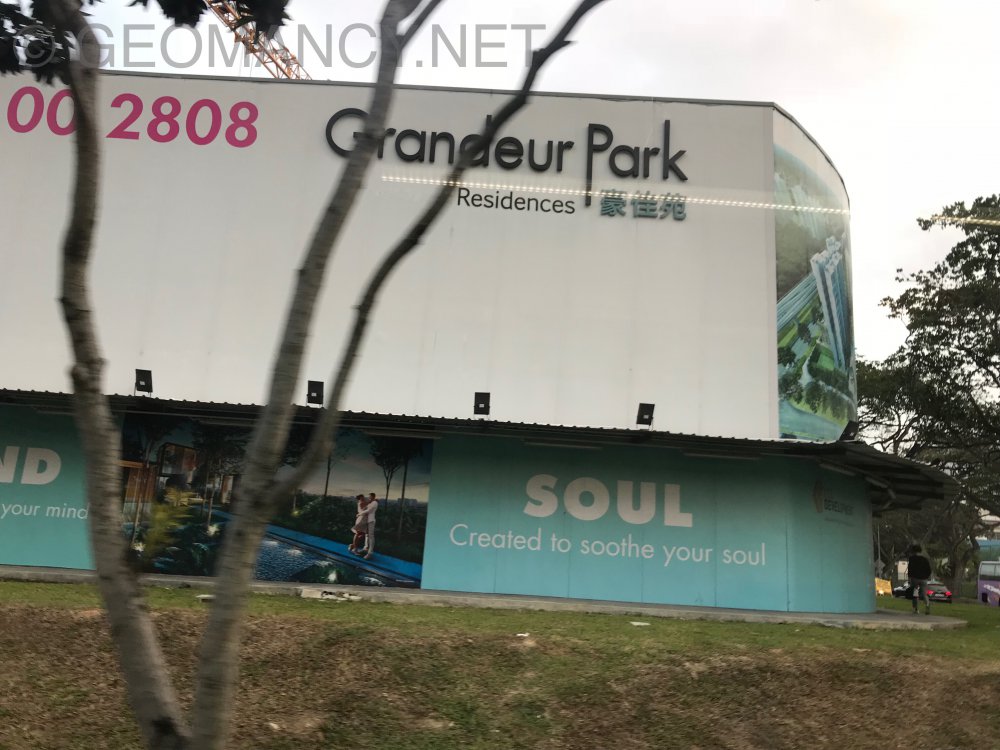
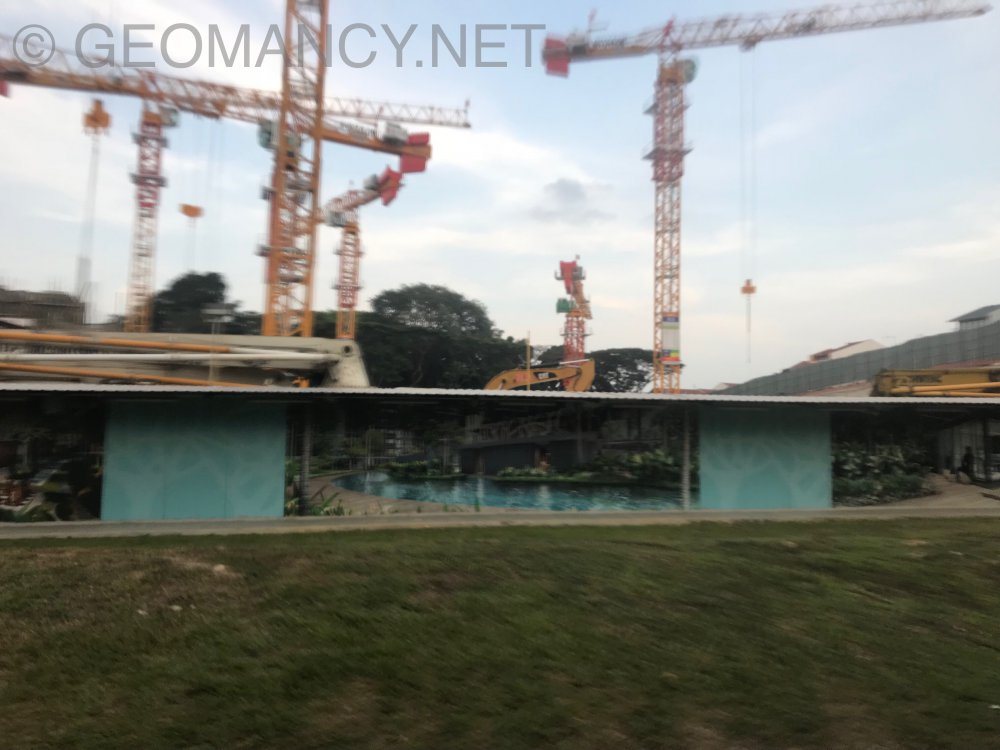
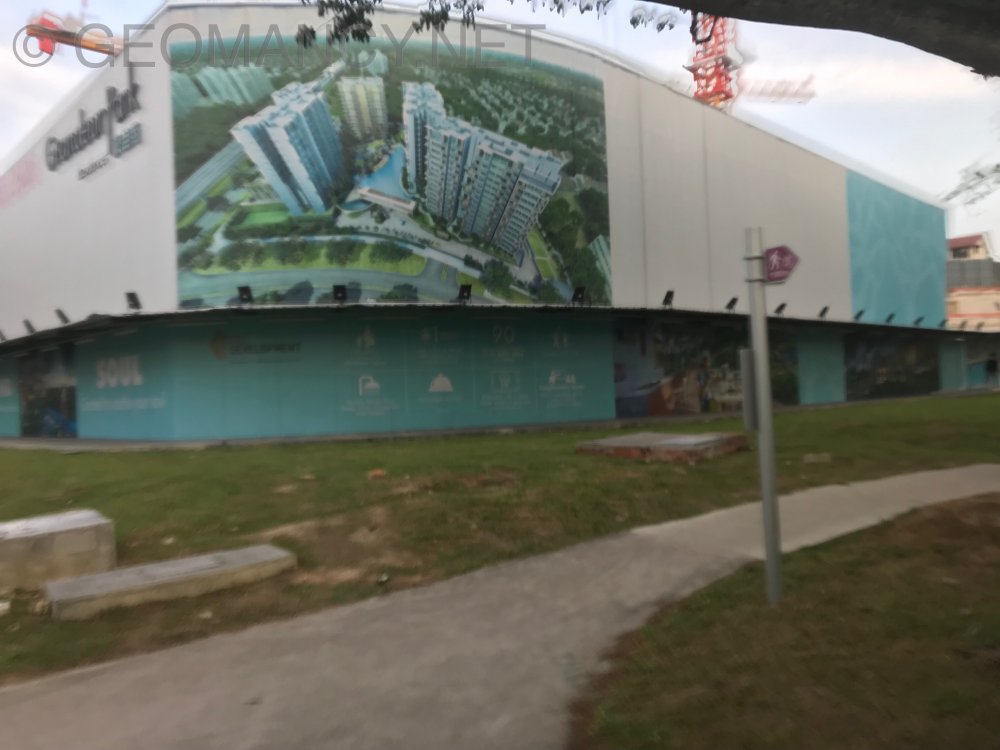
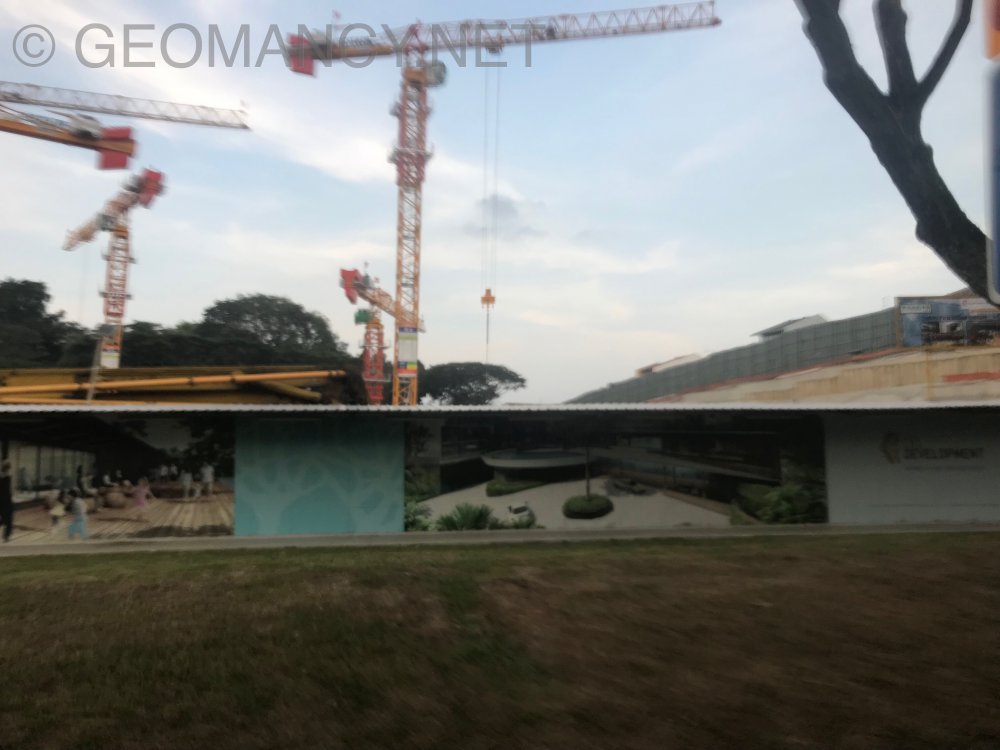
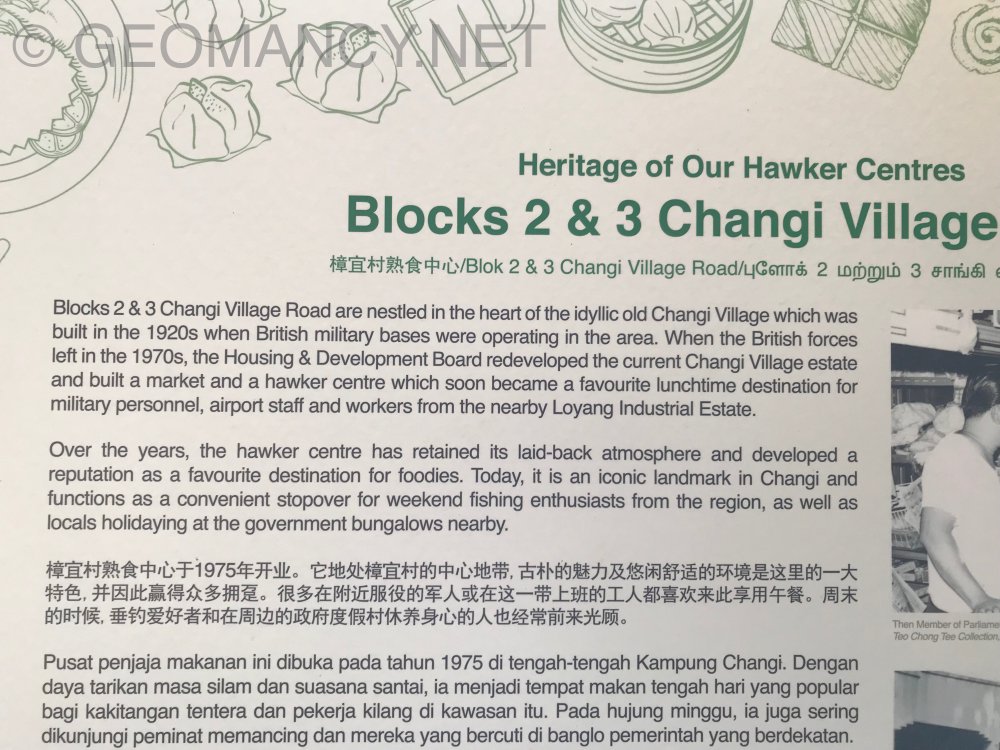
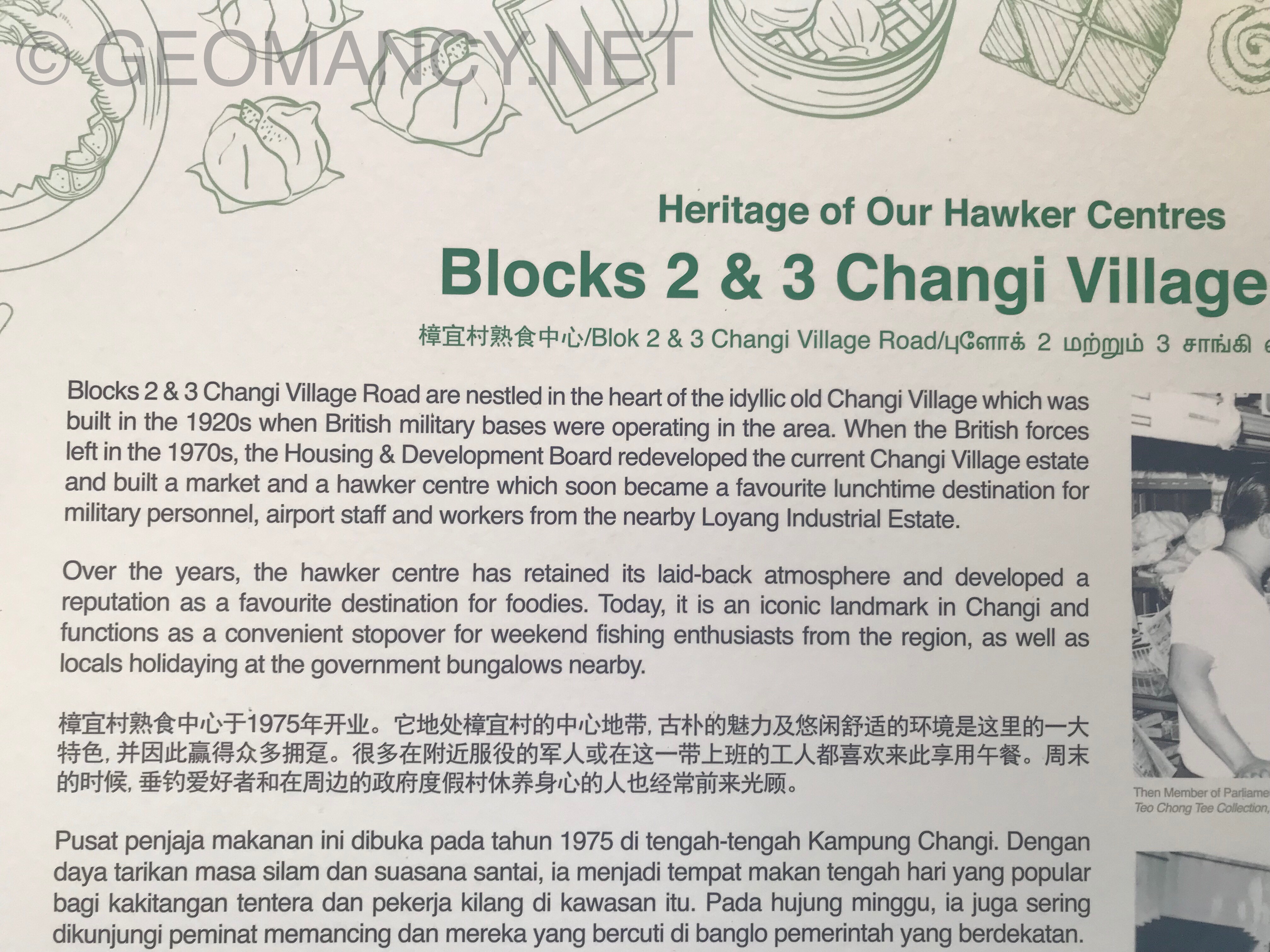
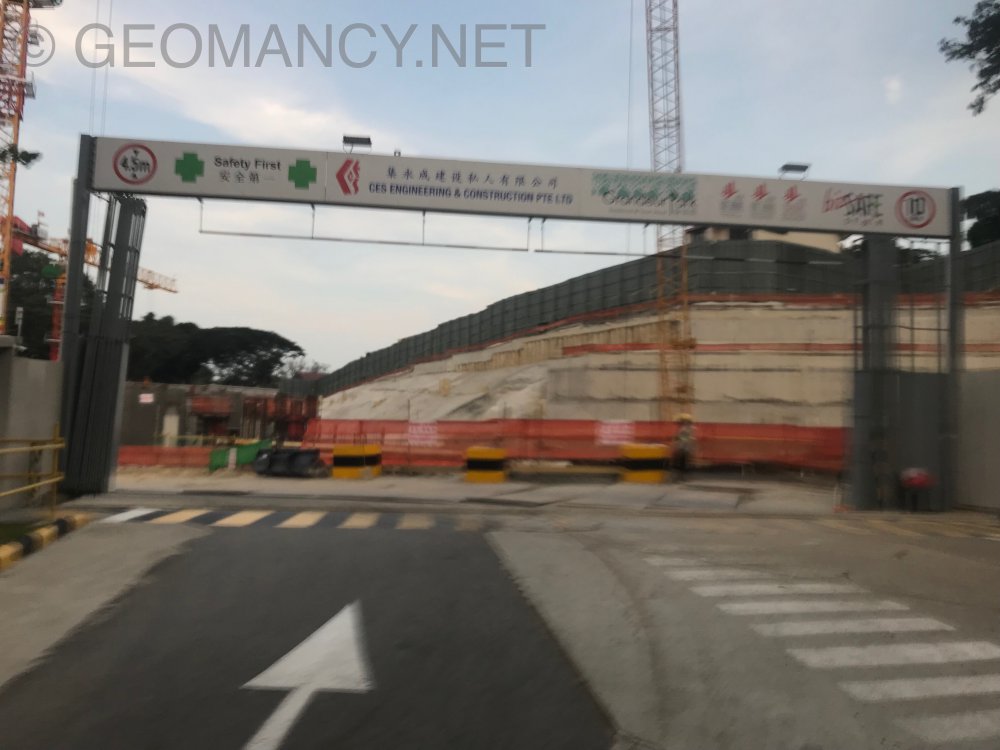 Blocks 2 & 3 Changi Village Road are nestled in the heart of idillic old Changi Village which was built in the 1920s when the British military bases were operating in the area. When the British left in the 19703, the Housing & Development Board redeveloped the current Changi Village estate and built a market and a hawker centre which soon became a favourite lunchtime destination for military personnel, airport staff and workers from the nearby Loyang Industrial Estate. Over the years, the hawker centre has retained its laid-back atmosphere and developed a reputation as a favourite destination for foodies. Today, it is an iconic landmark in Changi and functions as a convenient stopover for weekend fishing enthusiasts from the region, as well as locals holidaying at the government bungalows nearby.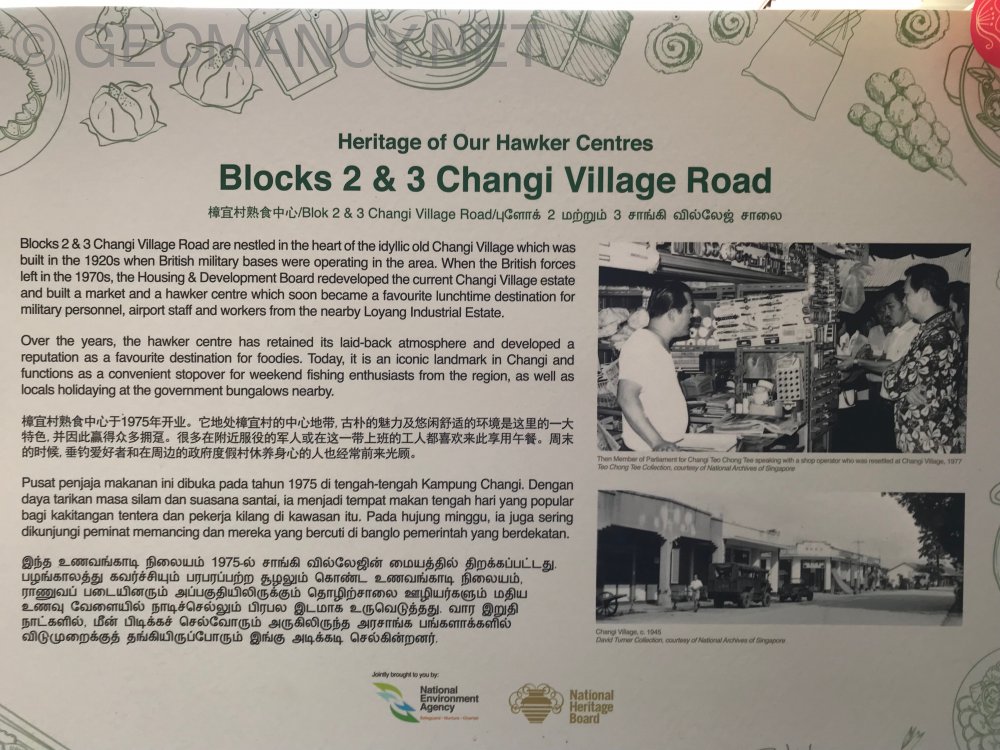
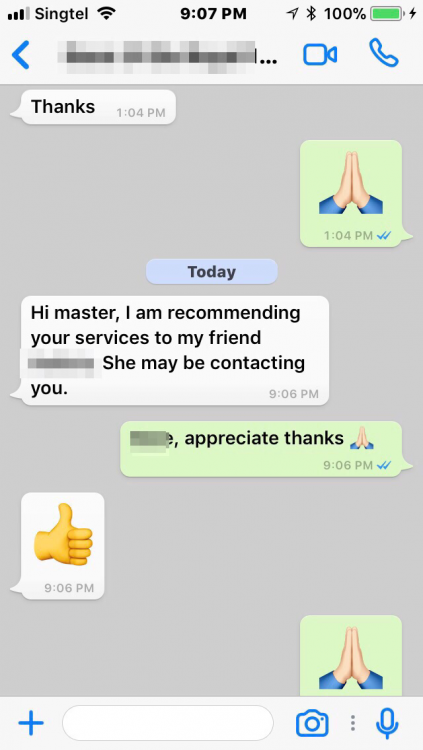
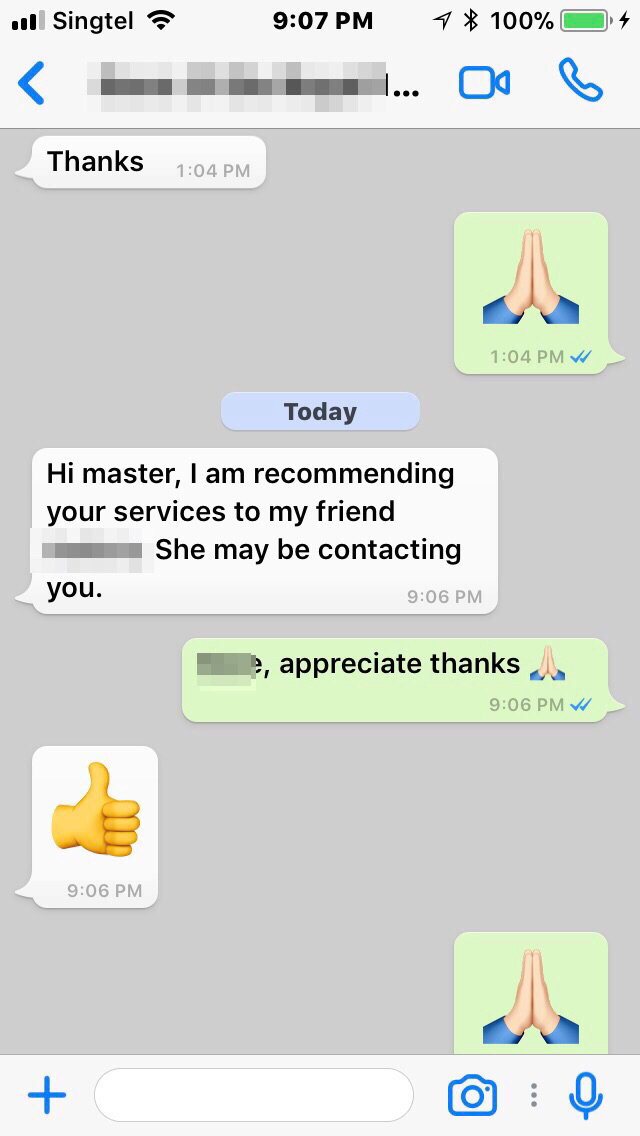
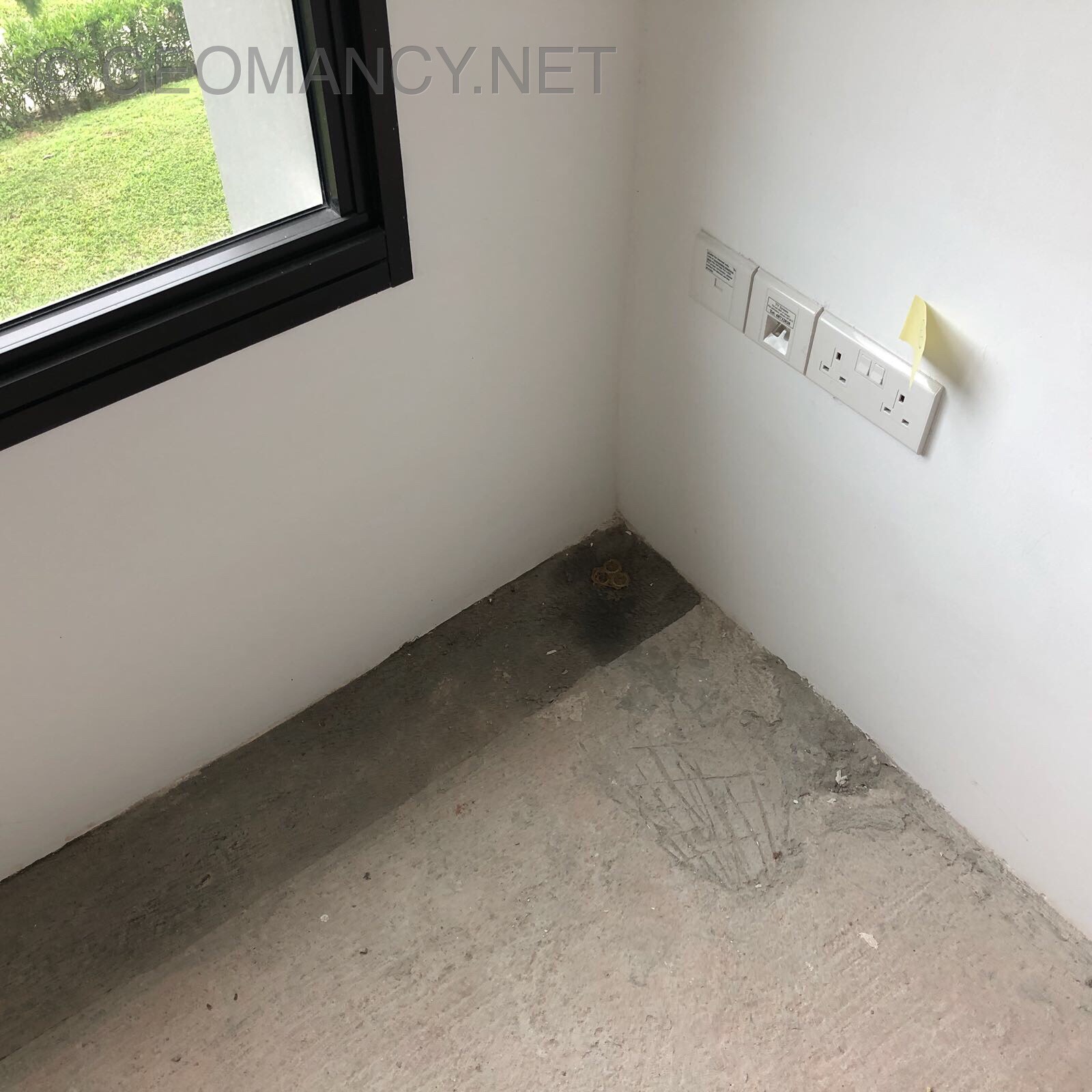
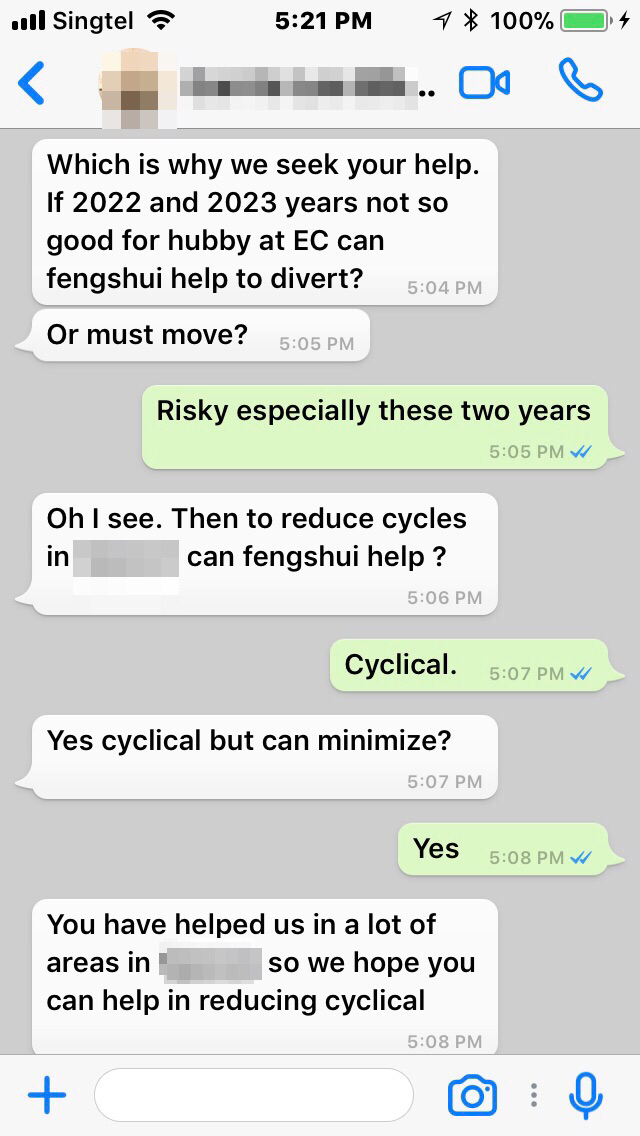
 In my opinion, high floors are preferred. Personally, this is the last thing.. or rather my “Last resort” home...if you ask me... My experience.. downstream of this development...Hi master, I am recommending your services to my friend (hidden). She may be contacting you.
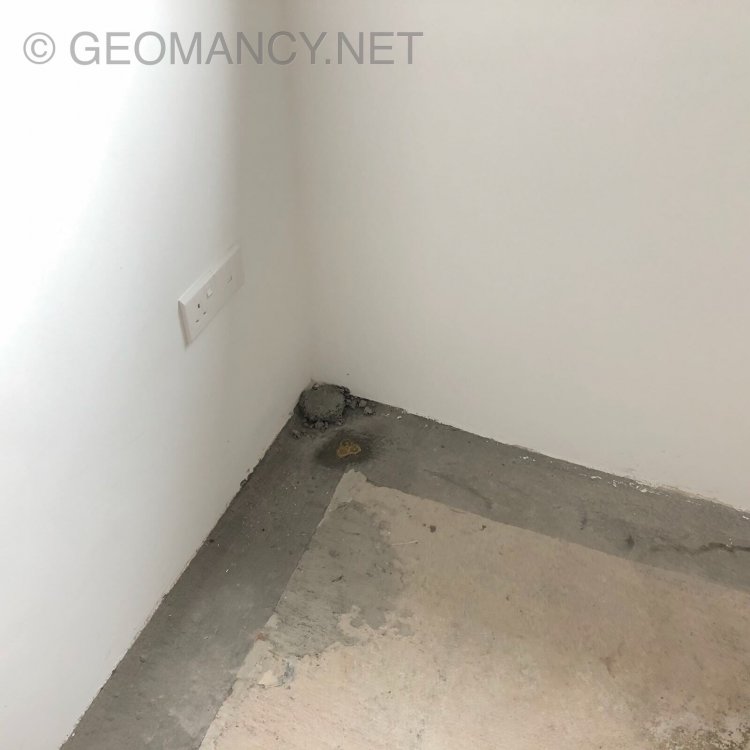
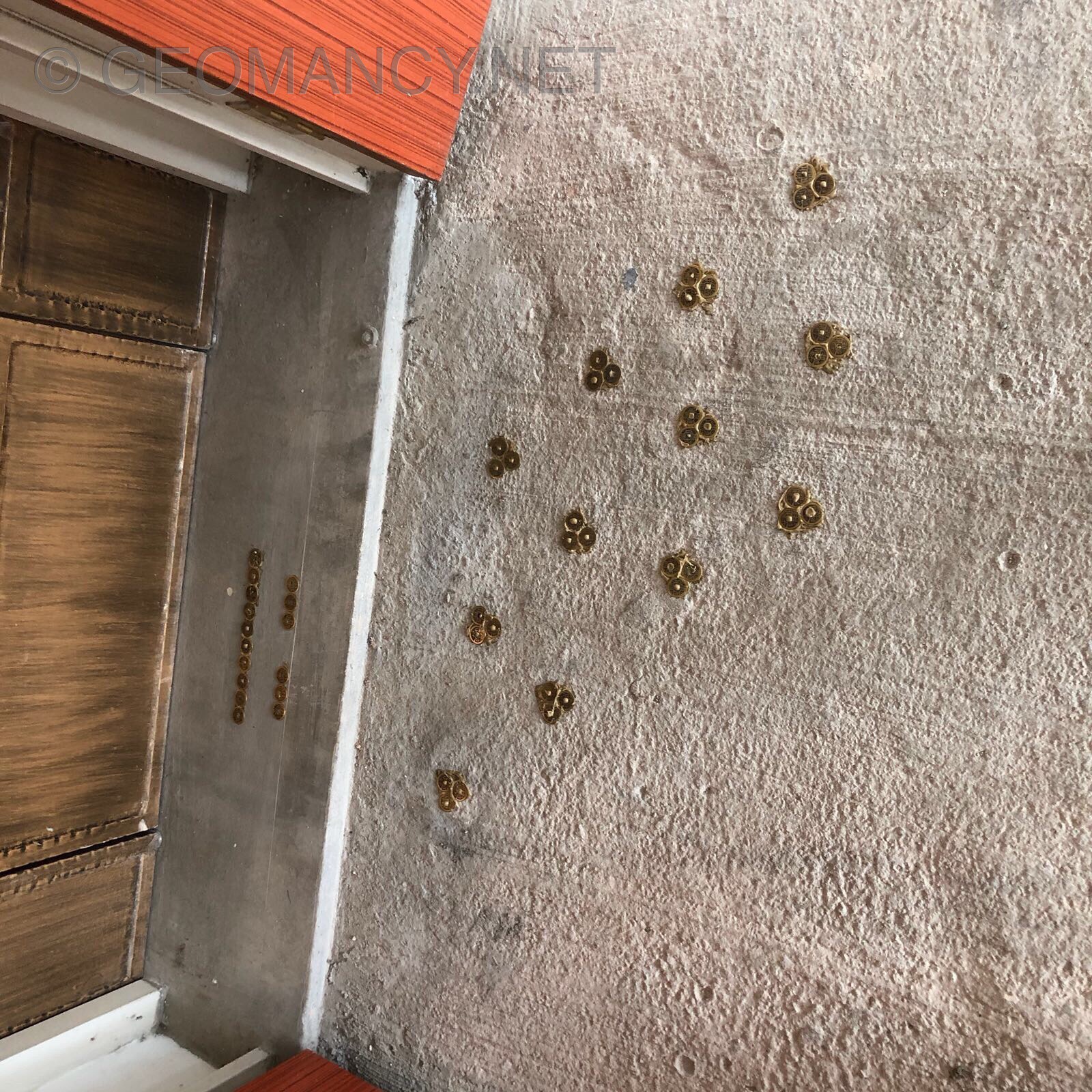
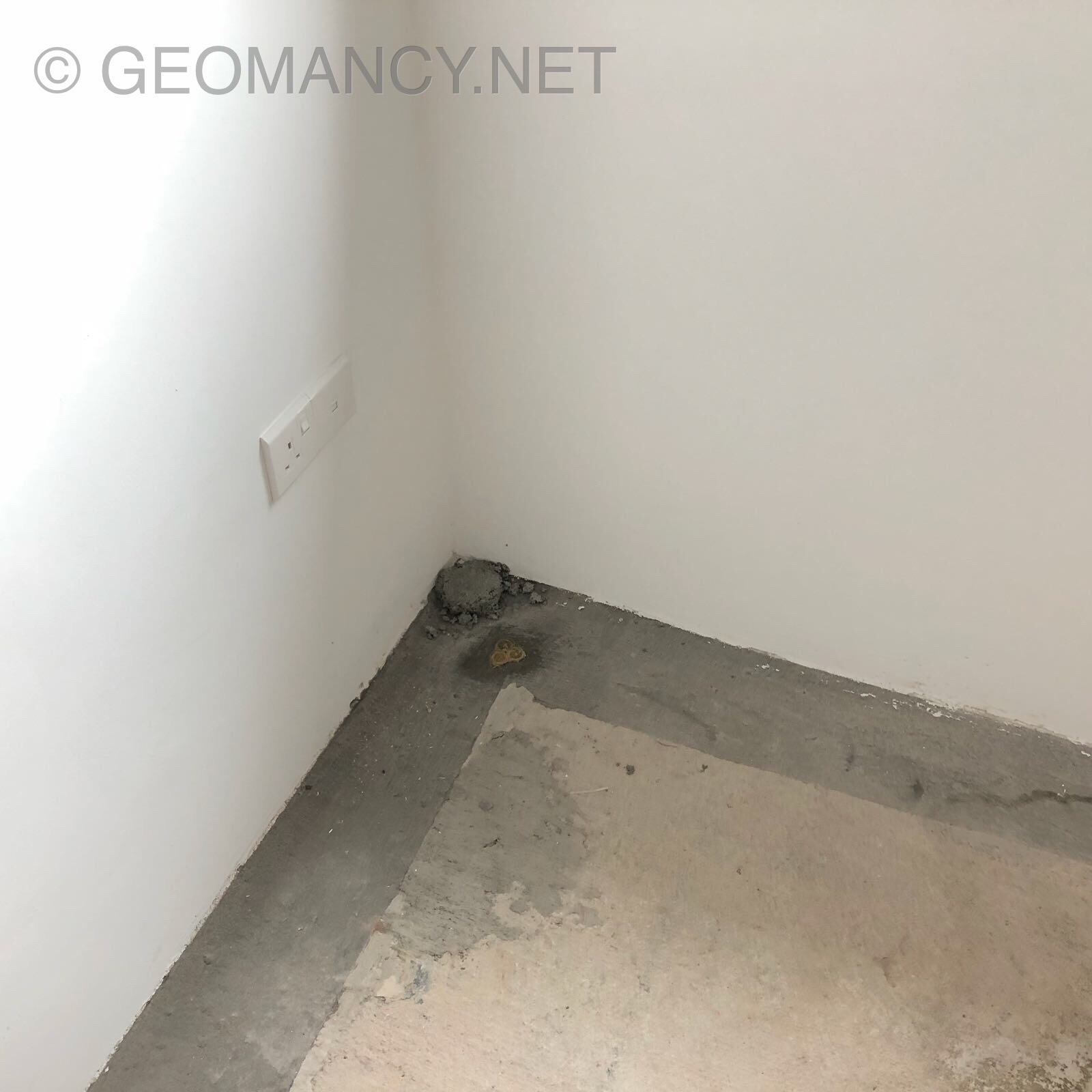
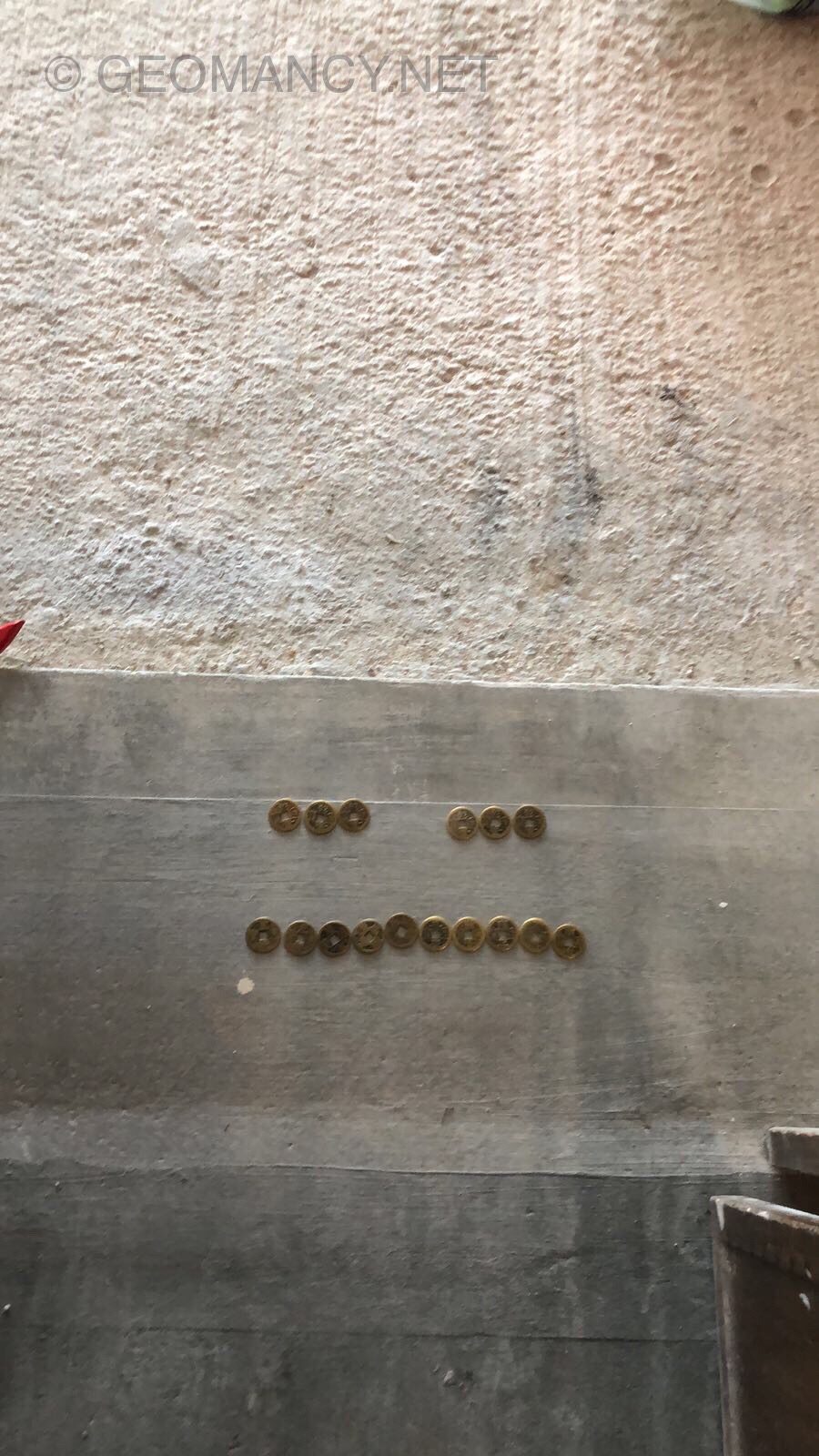
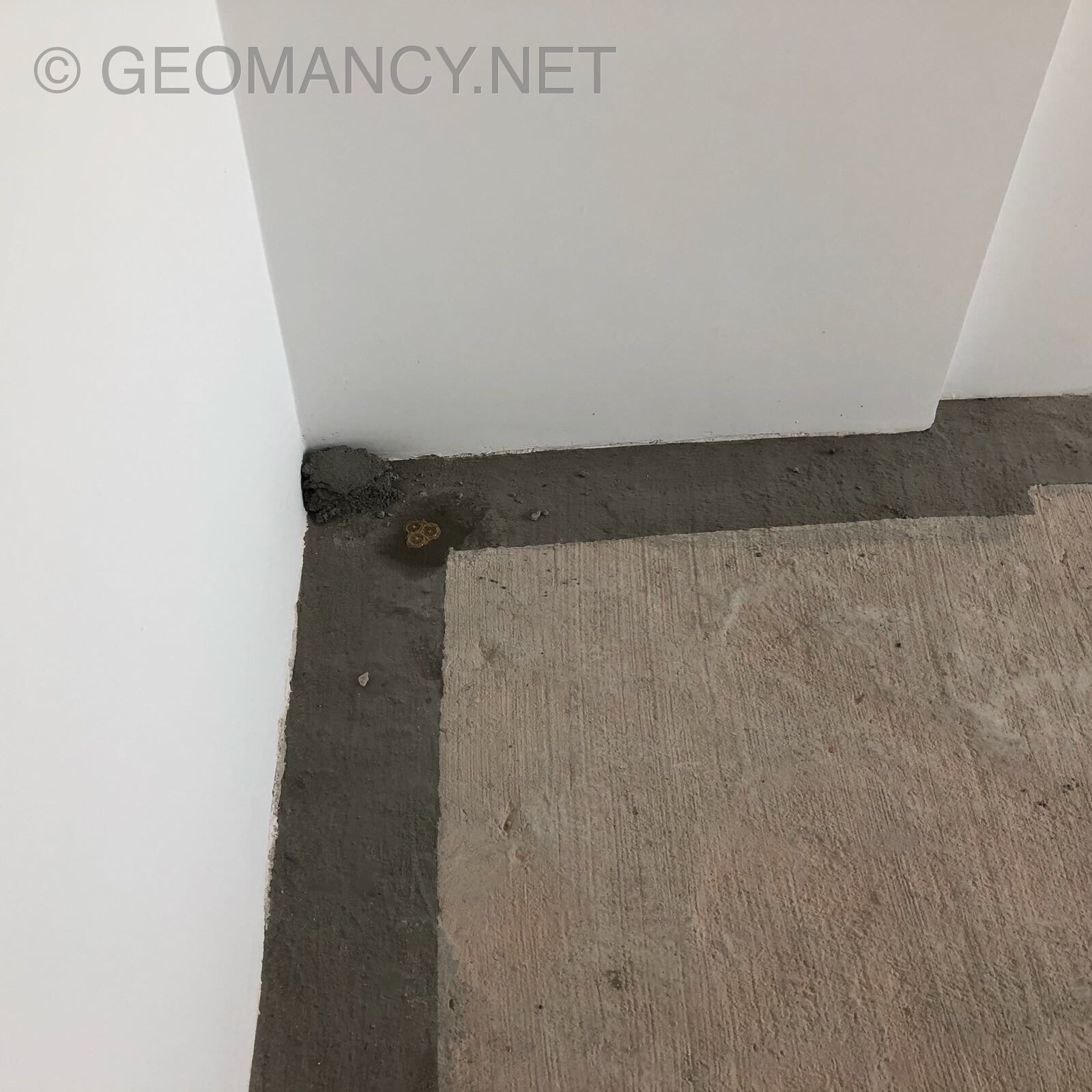
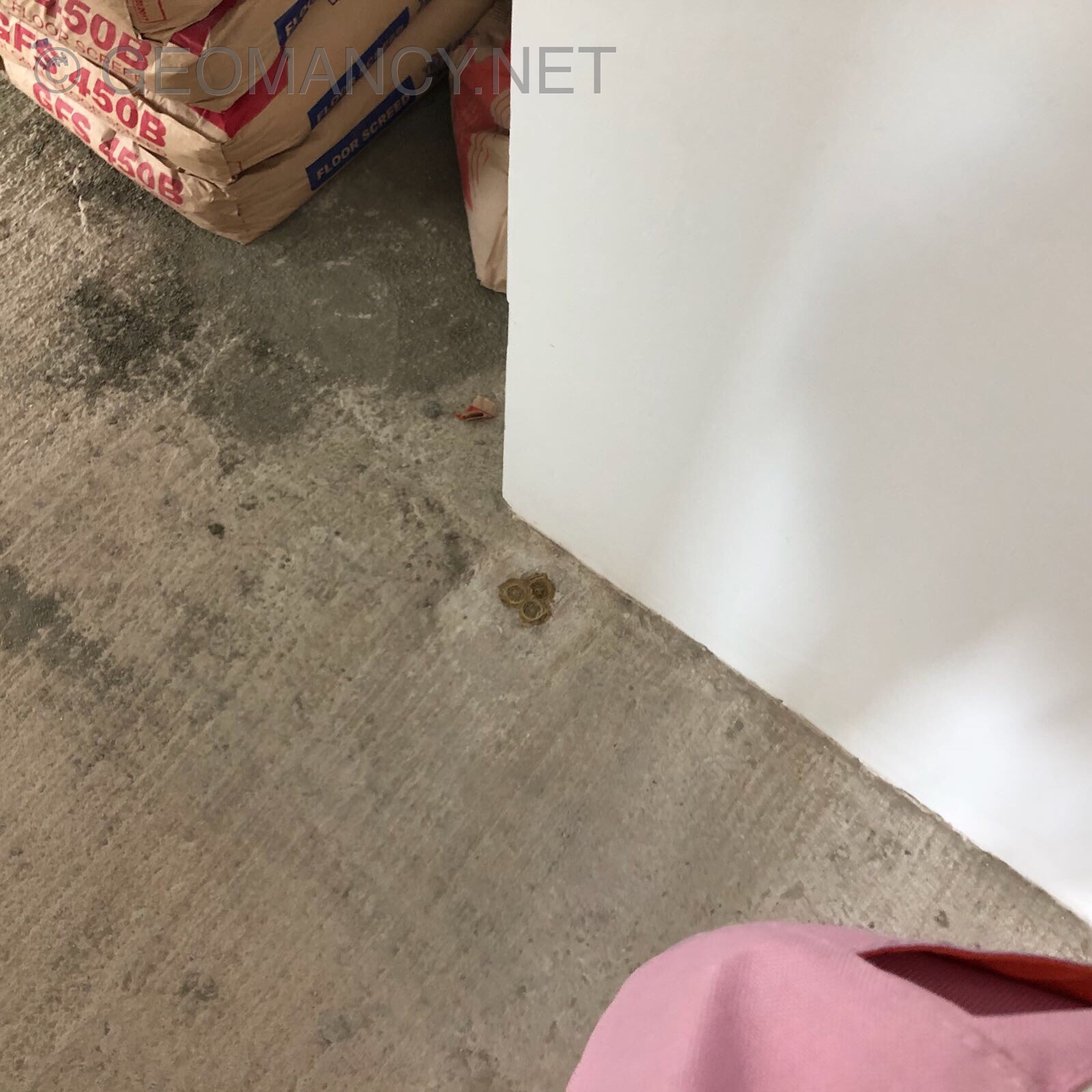
 Art of coins placement... ”Overkill? Nevermind ... no wrong answers, here.”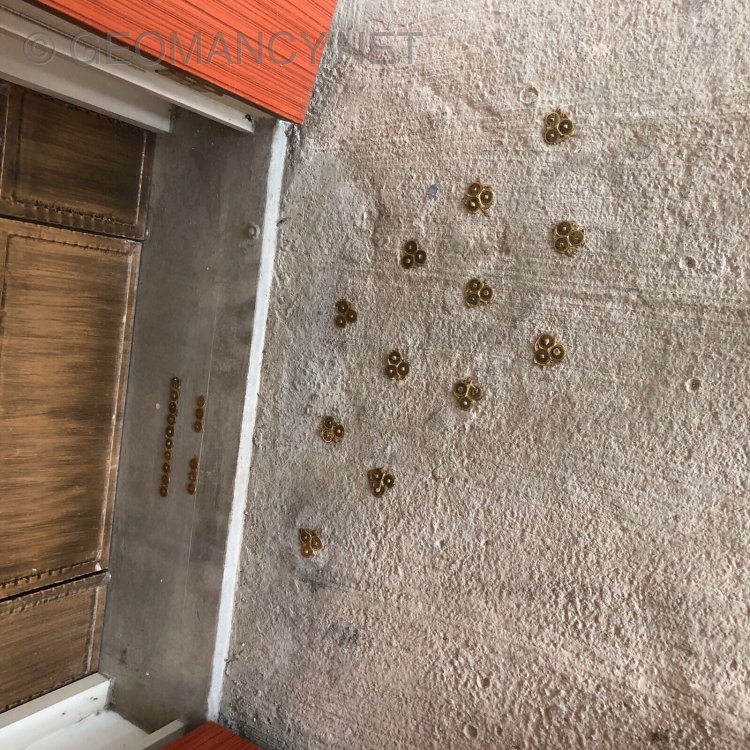
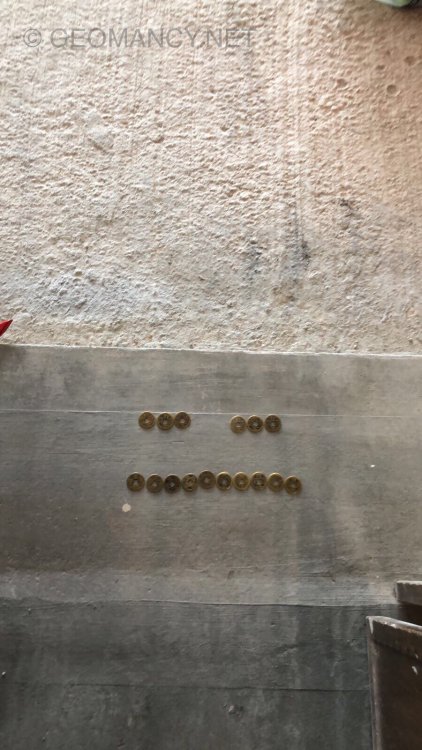
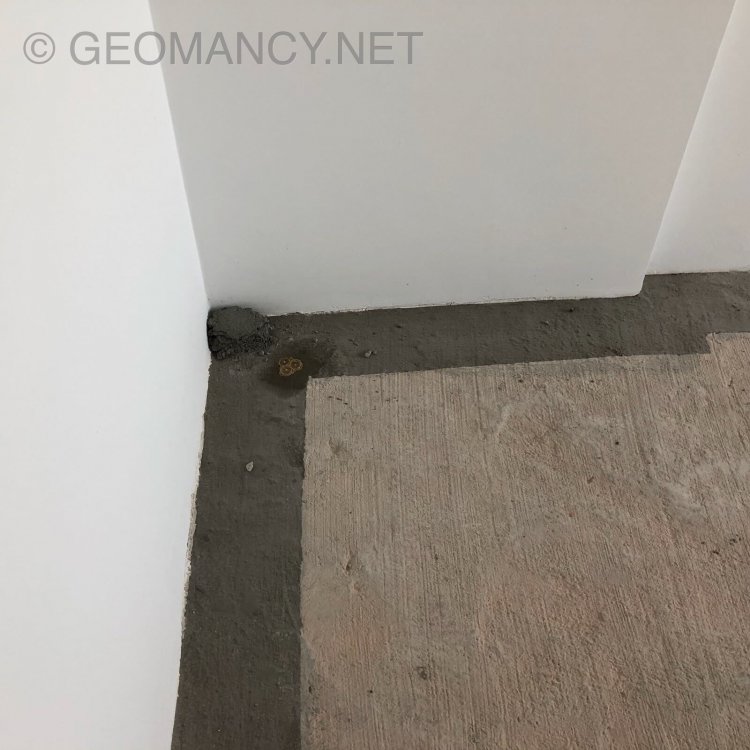
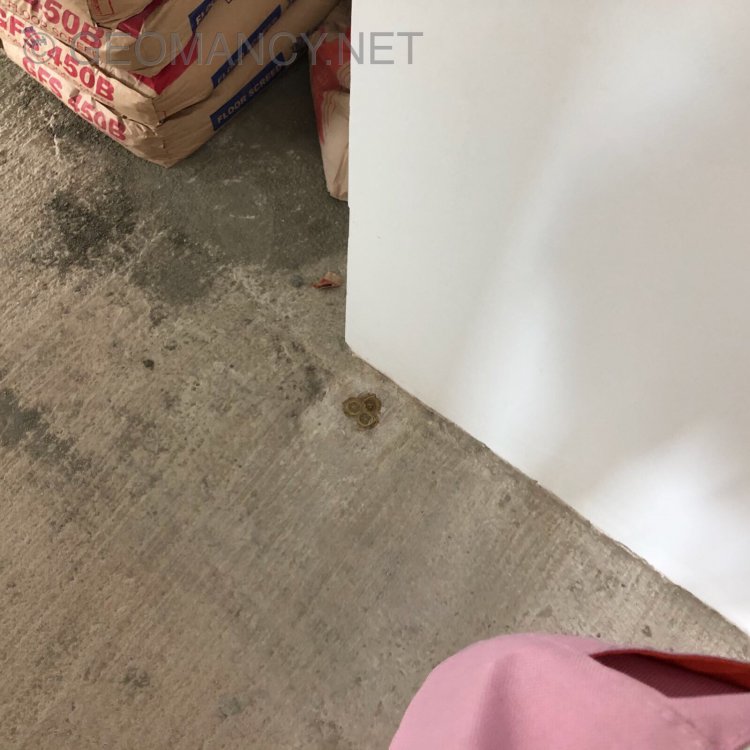
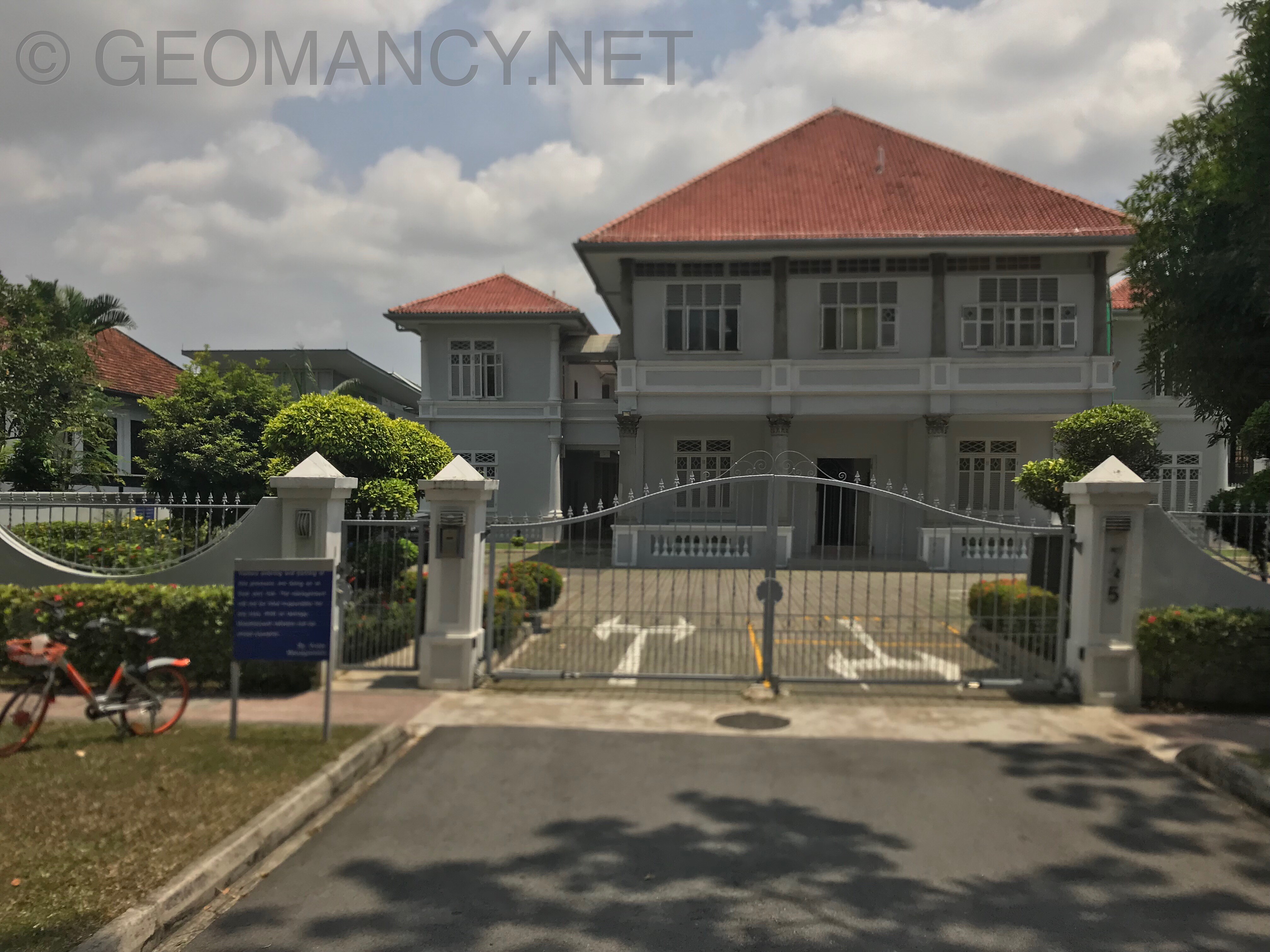
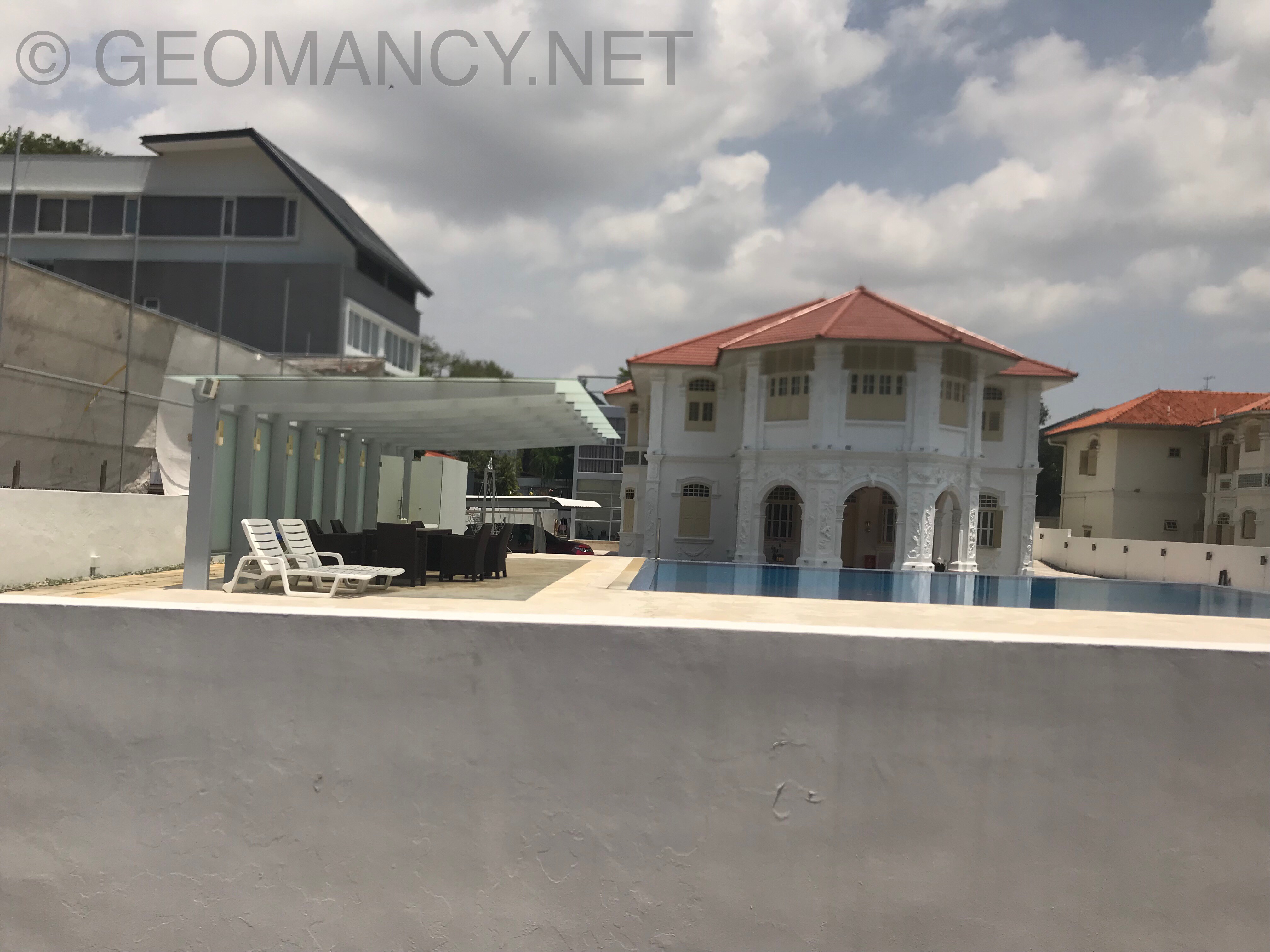
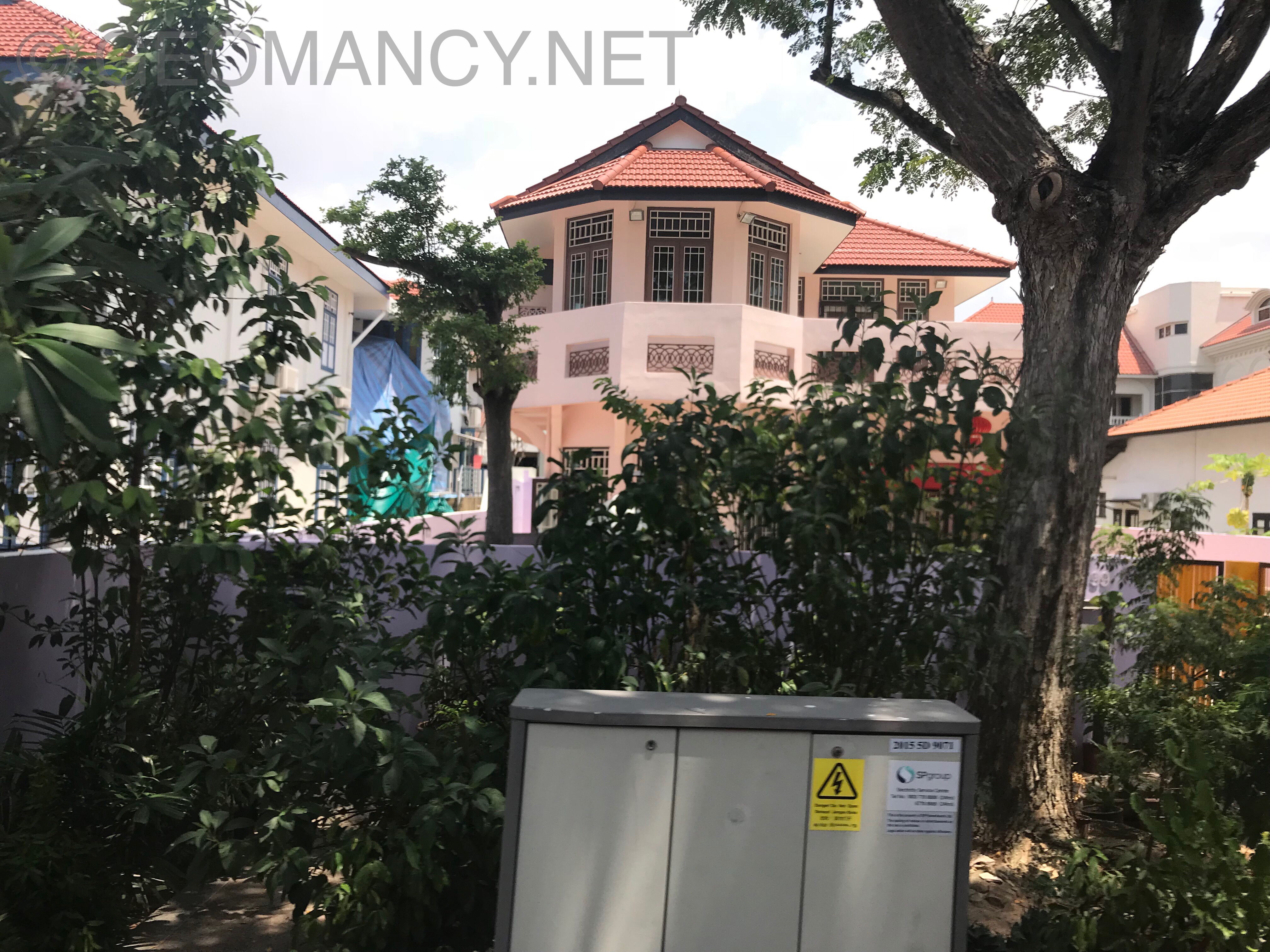
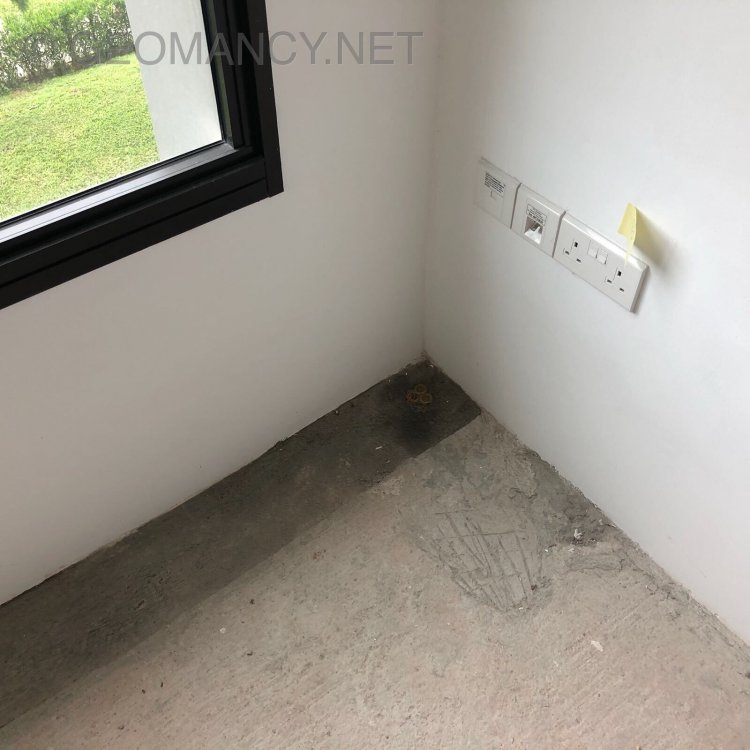 So sorry not now. As my clients are also looking. Maybe much later. After 100% sold or later.Historic 1950’s homes in District 15. Pre-world war II years Mountbatten Road was actually called Olive Road. The name was later changed to Mountbatten Road in honour of the Queen’s grand son.. Lord Mountbatten... I District 15 is at the fringe of the city.. Districts 10 and district 15 combined makes up the highest proportion of the who’s who : past and present of Singaporeans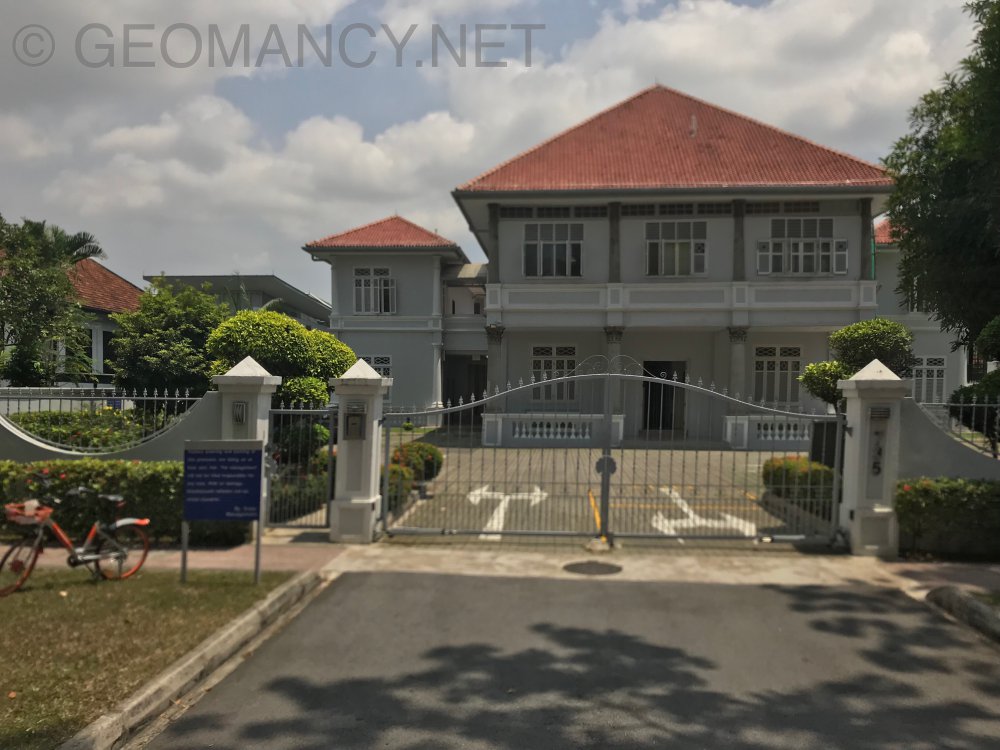
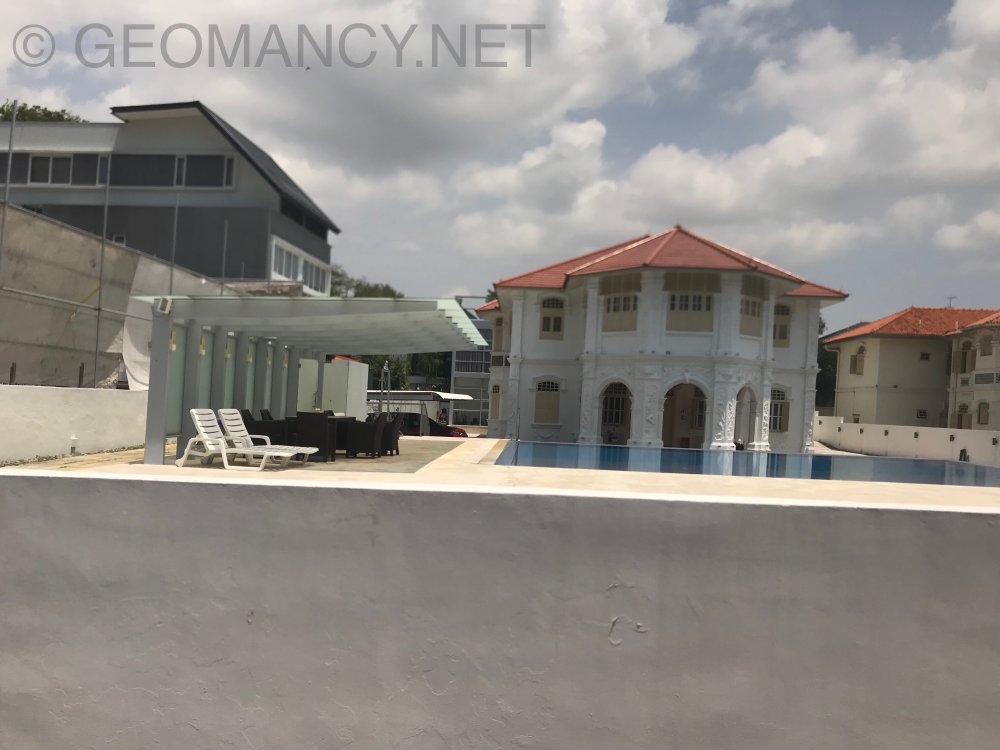
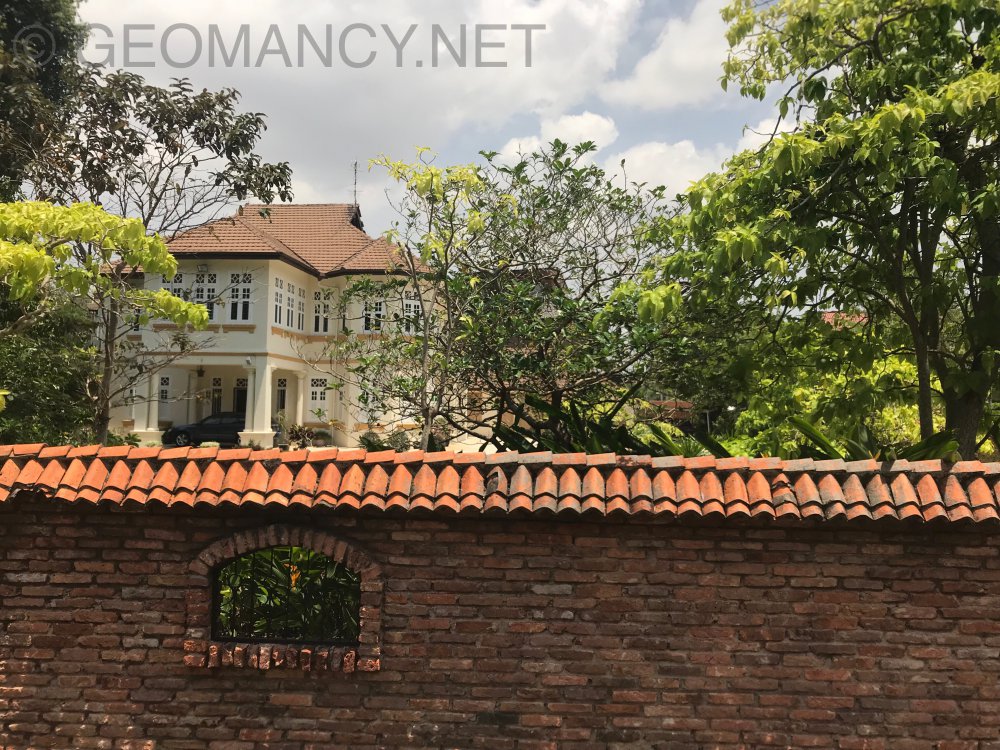
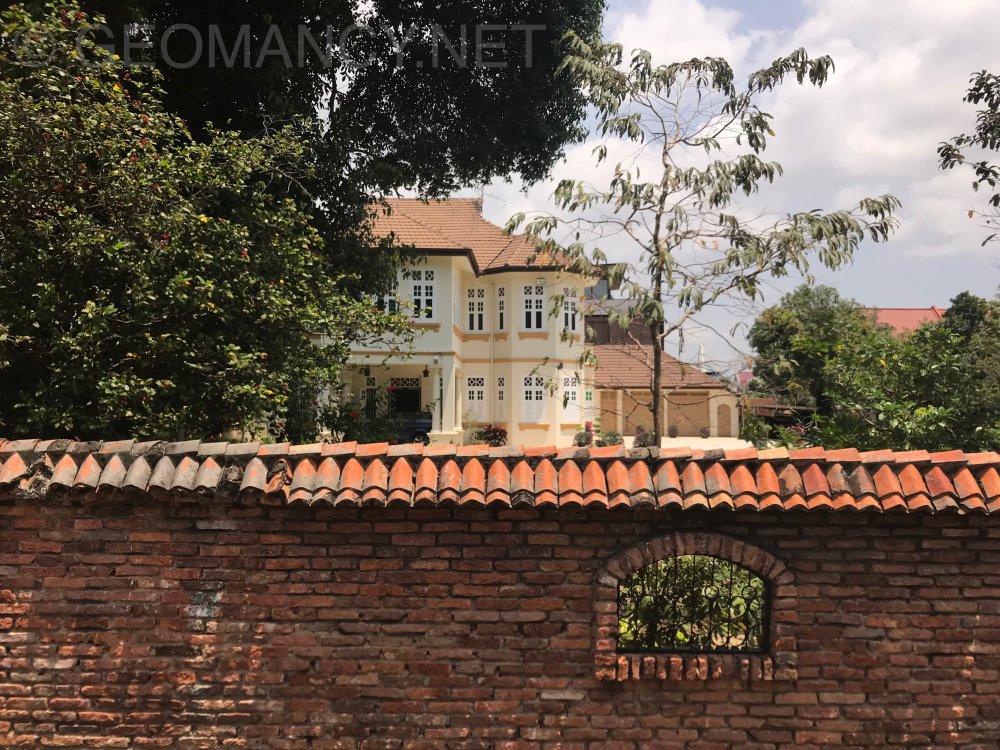
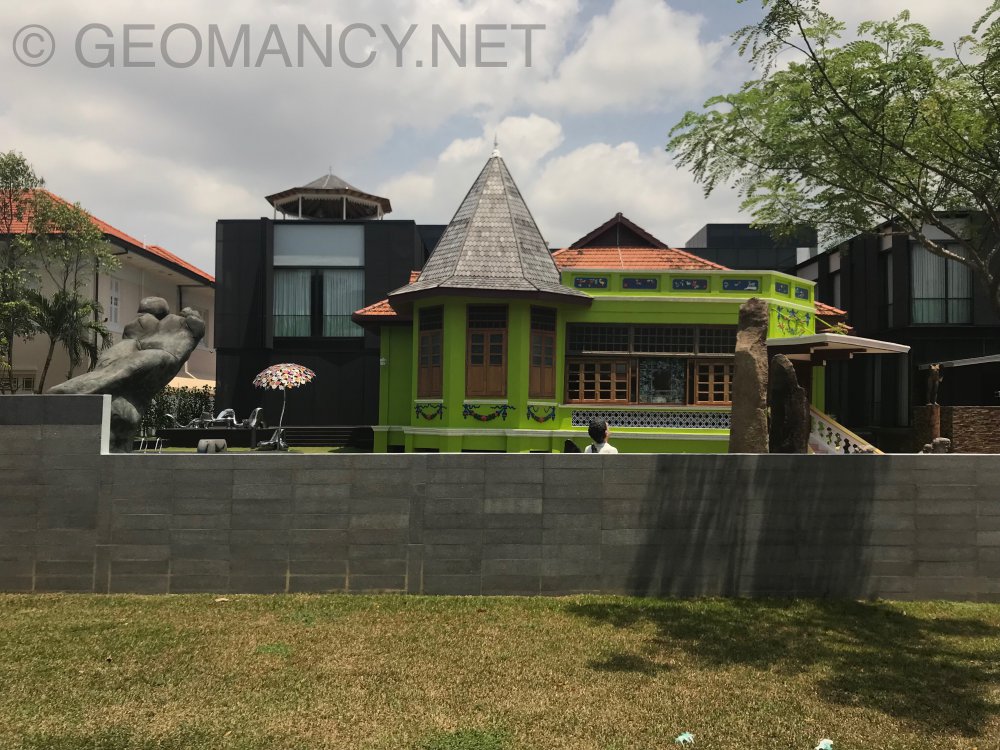
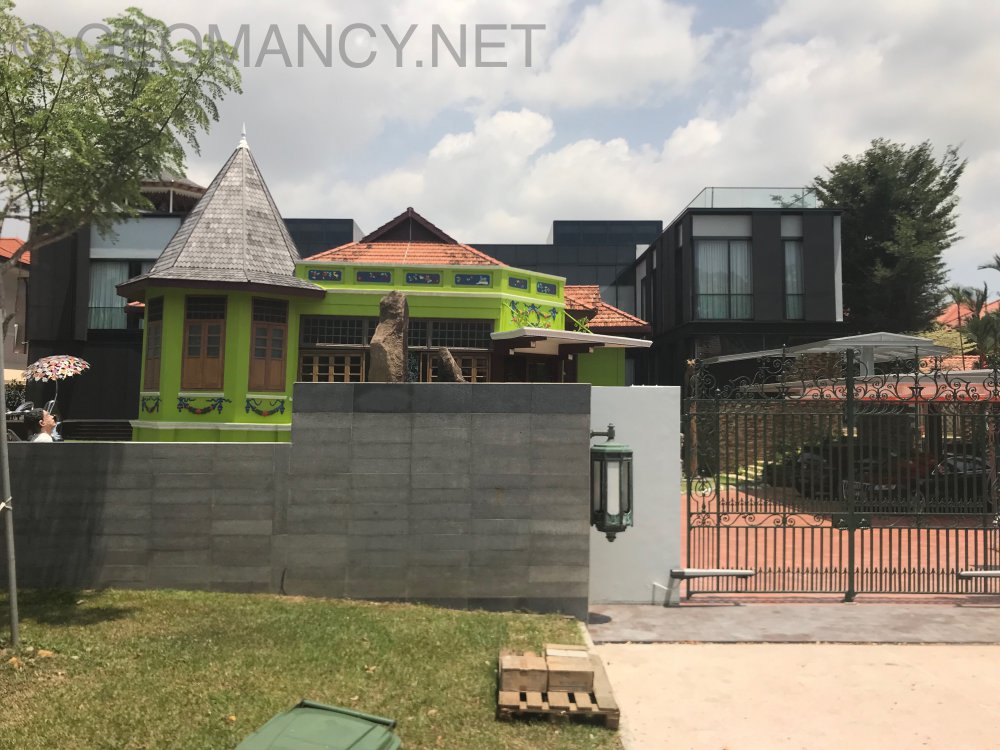
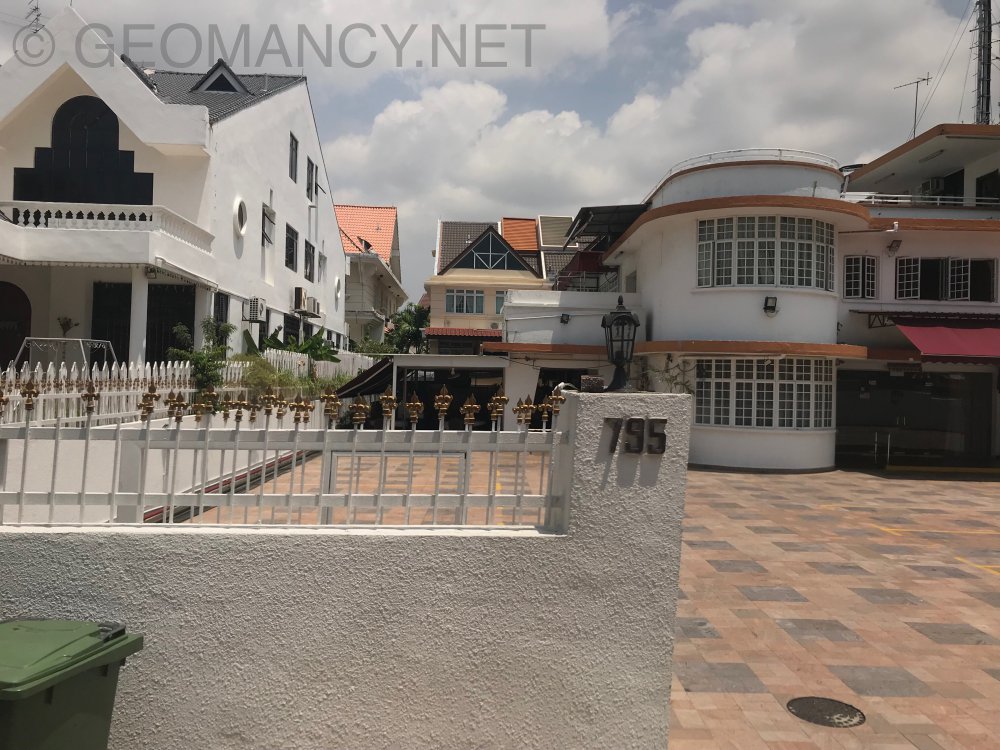
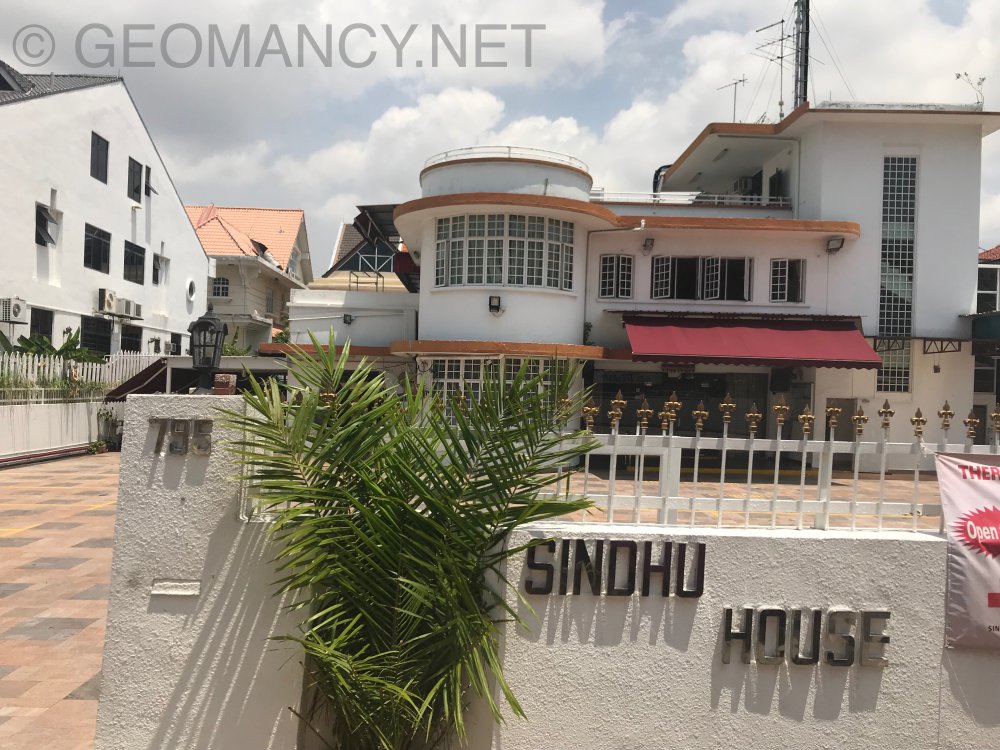
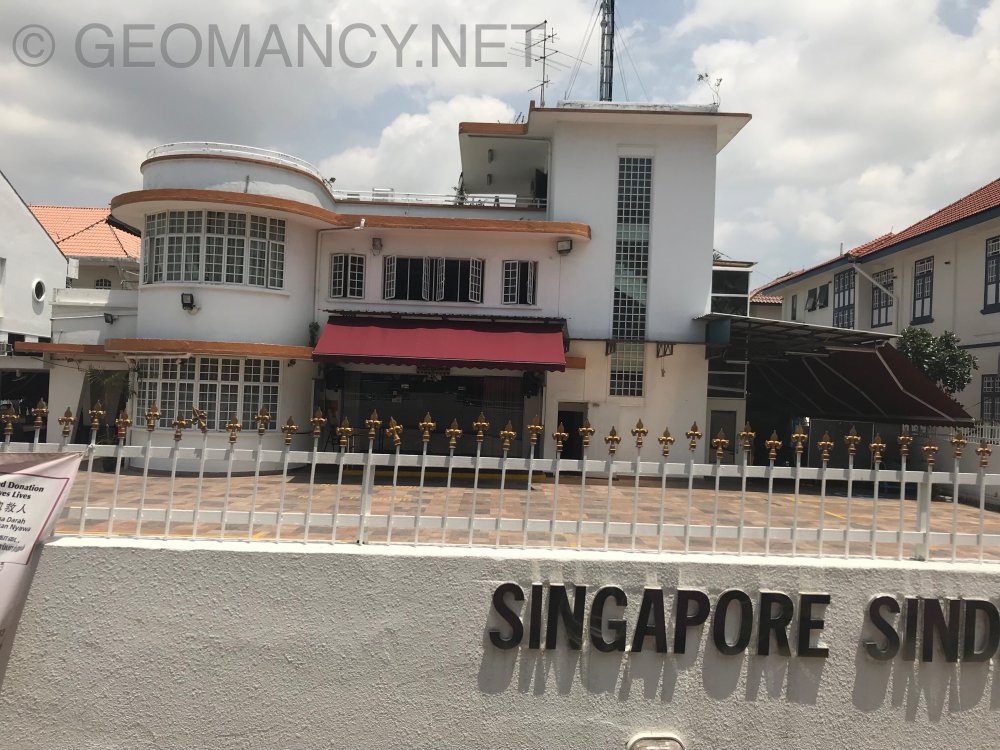
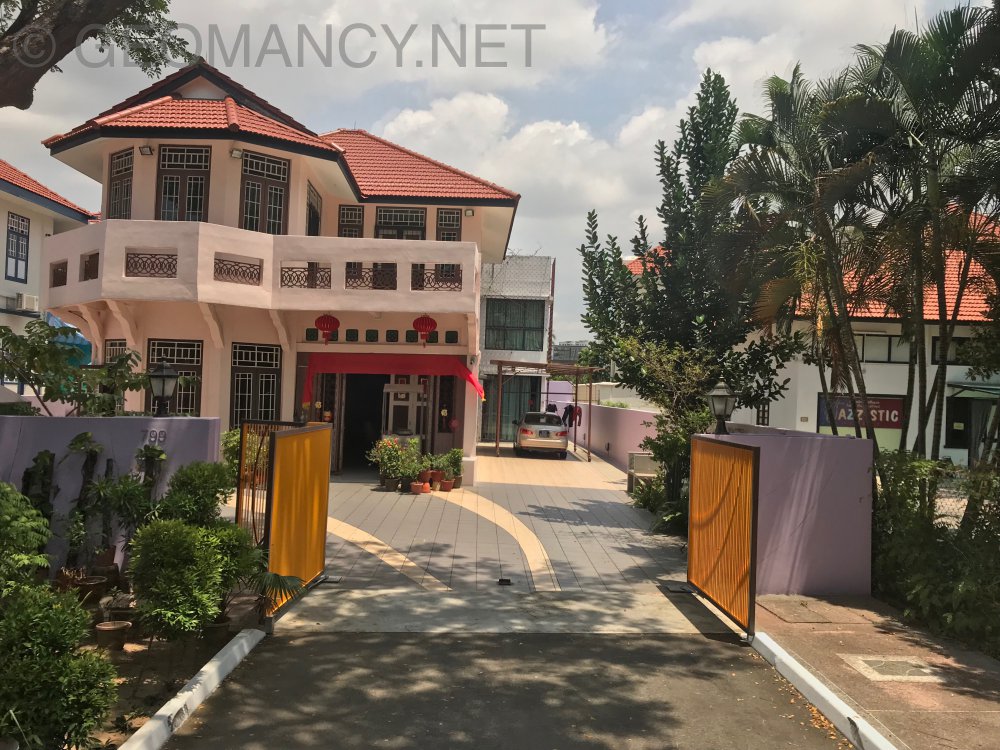
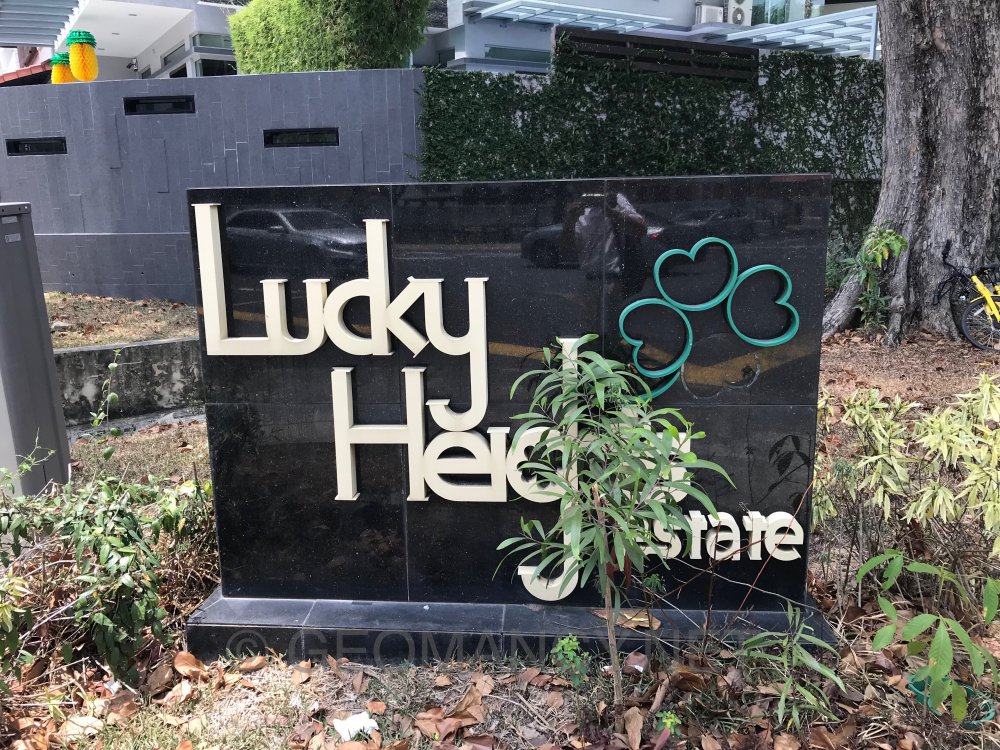
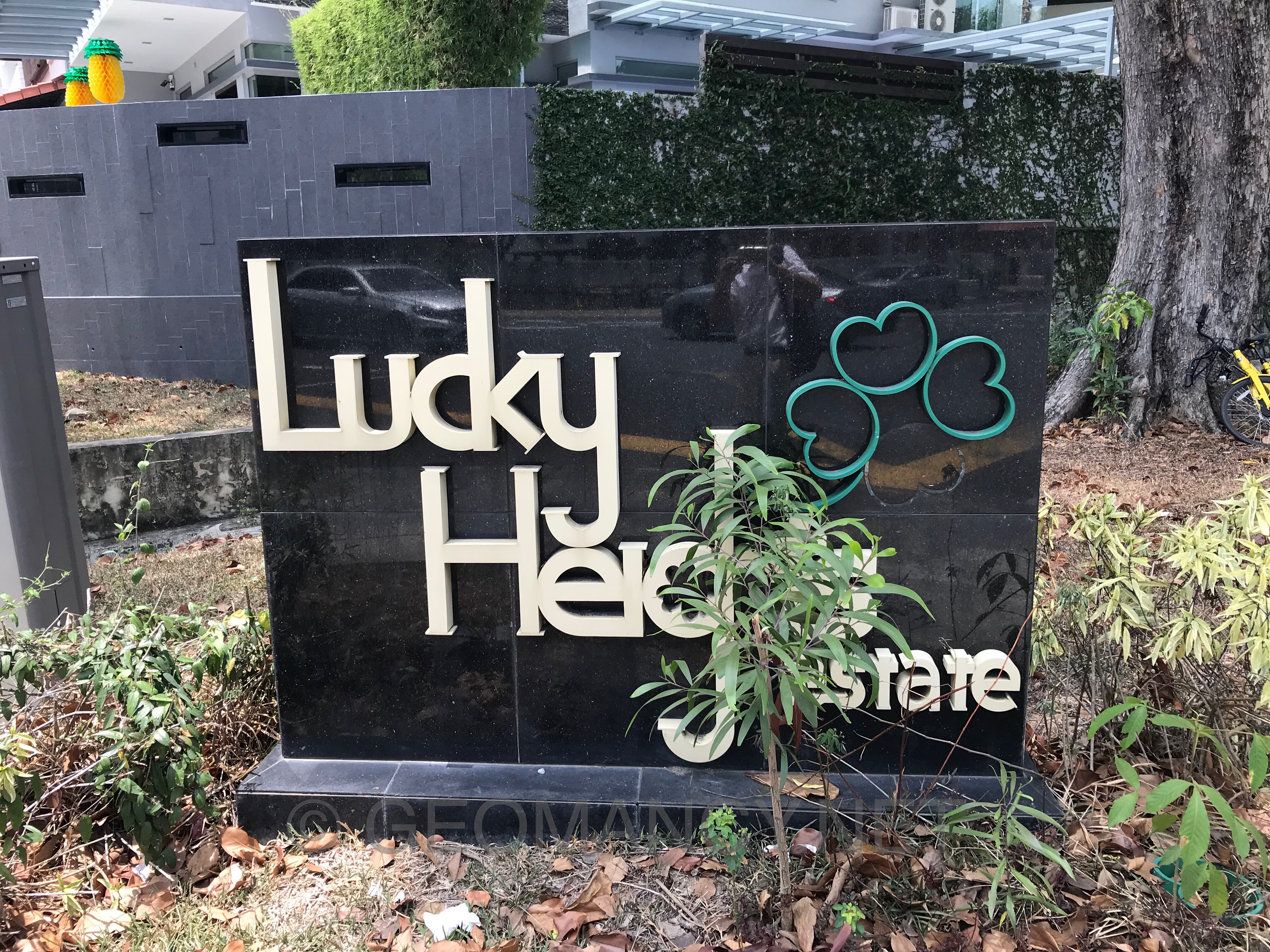
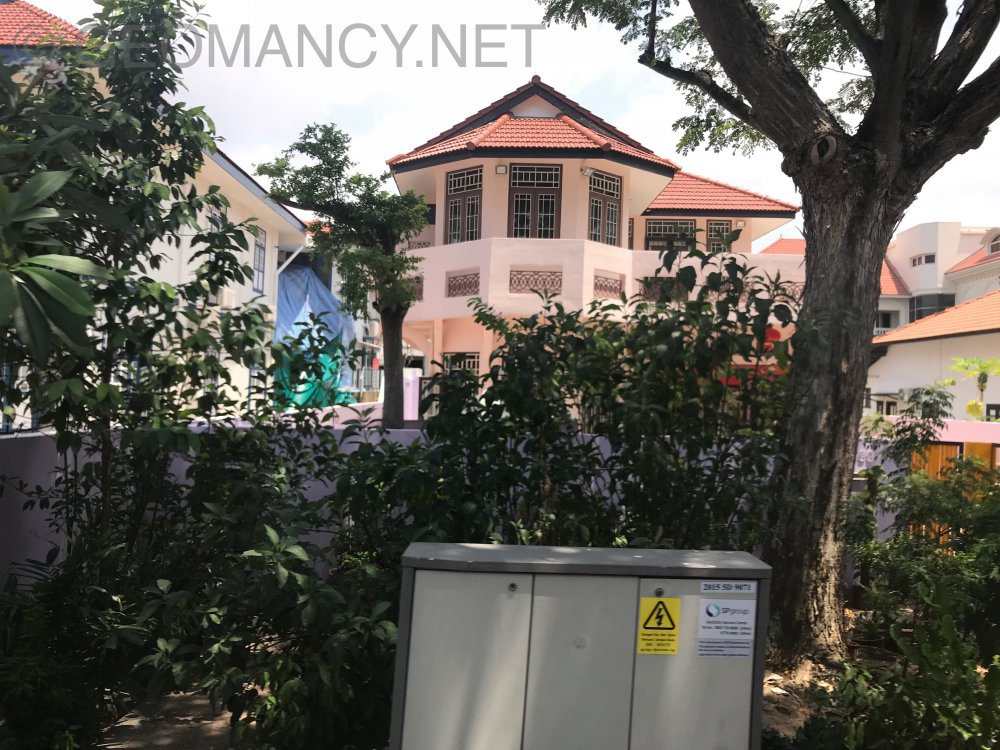 Huh? Lucky what? ”Lucky doNO what estate...
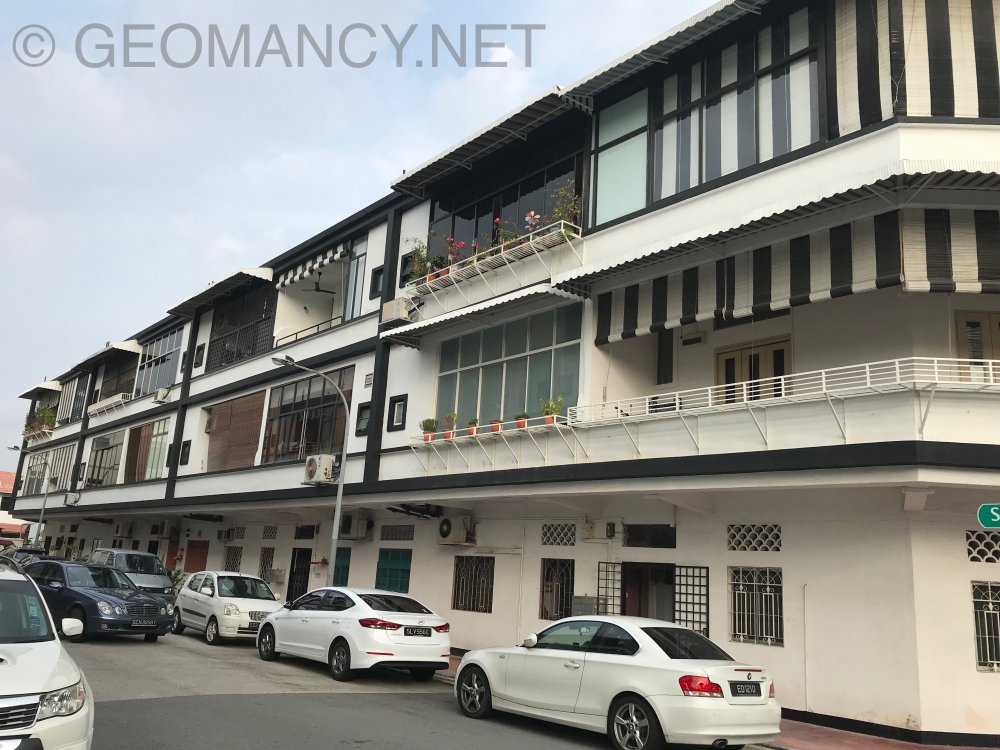
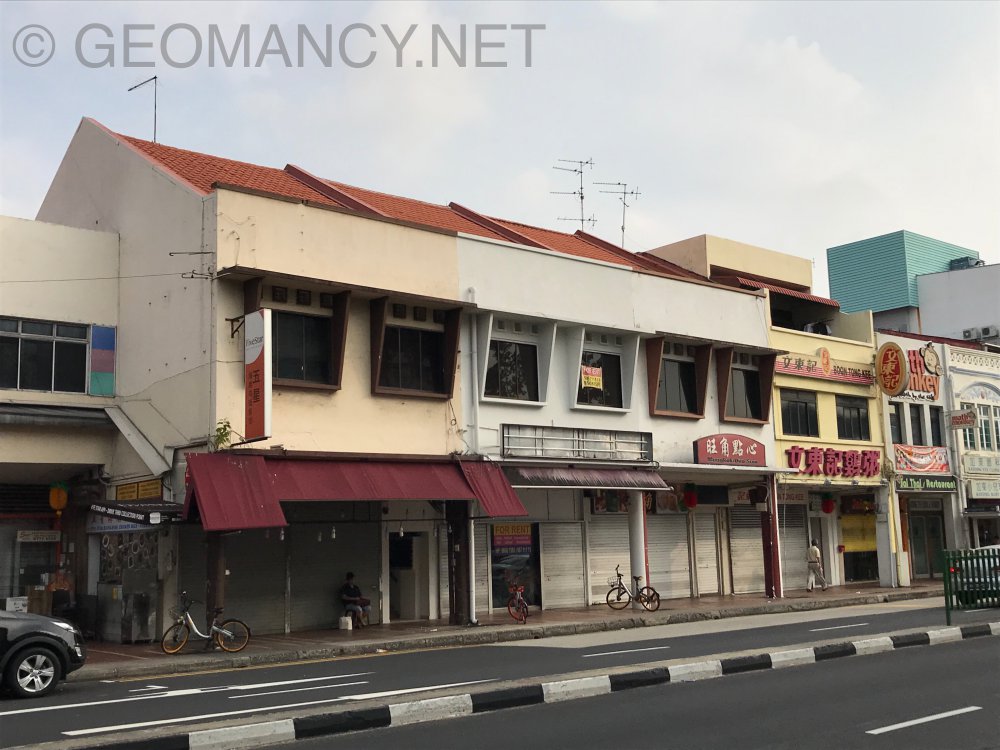
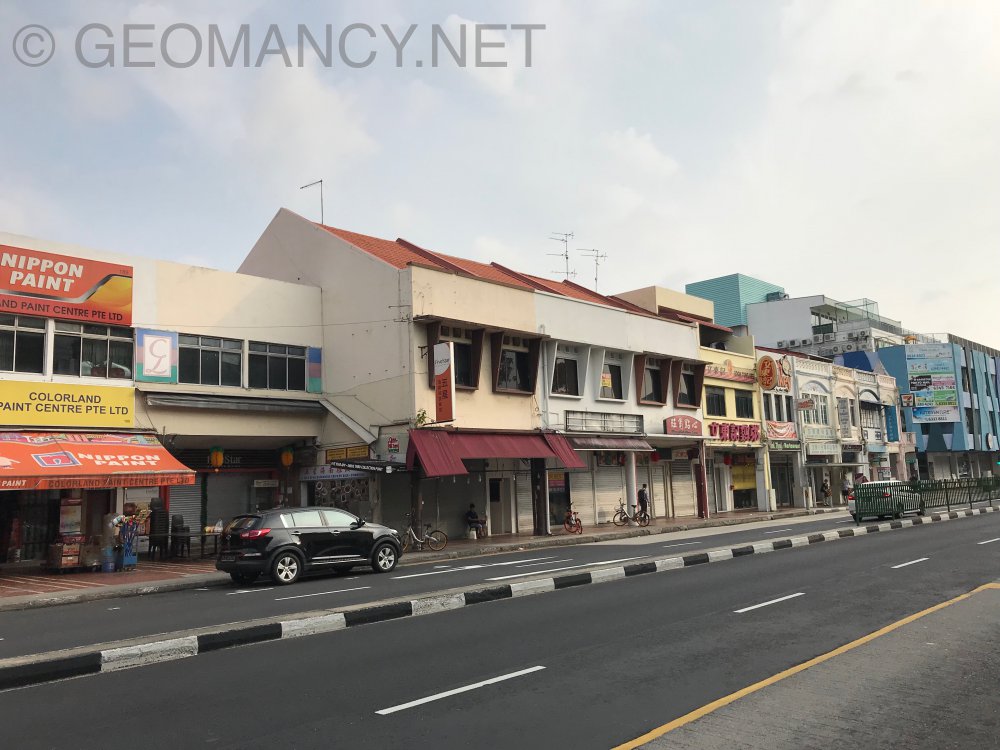
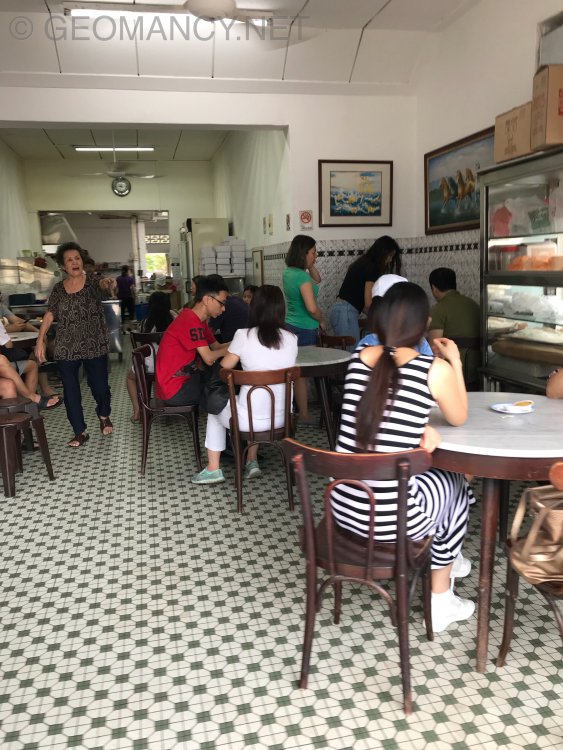
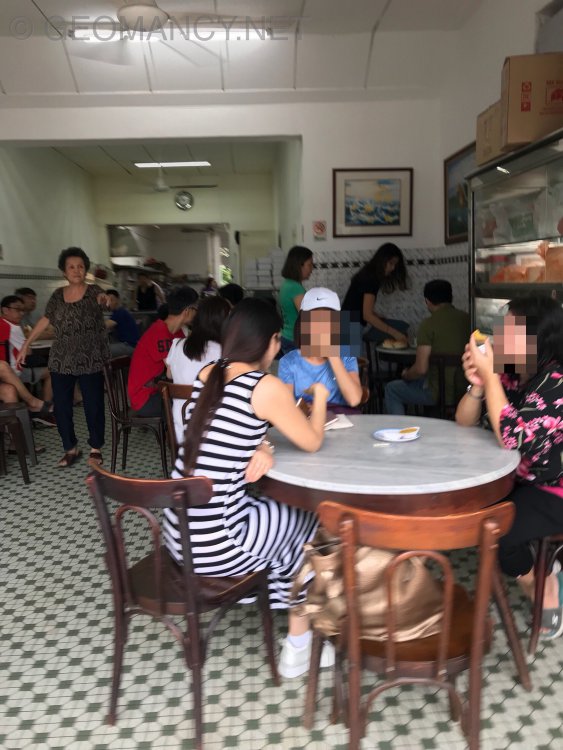
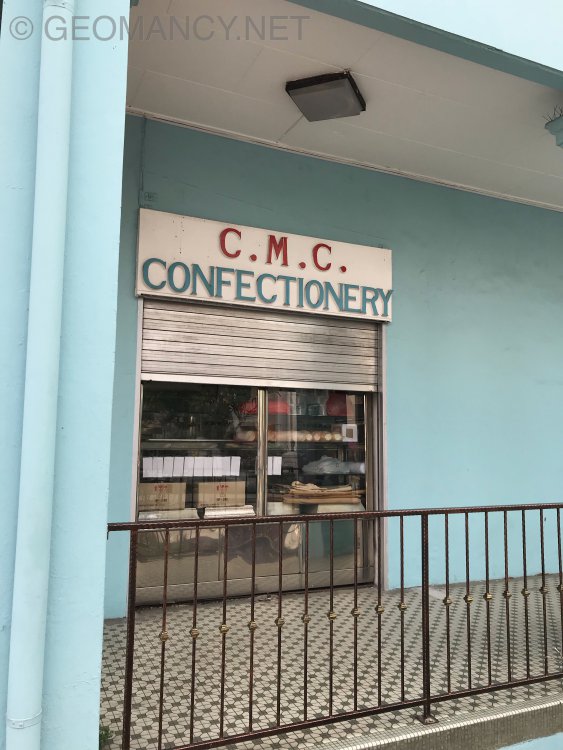
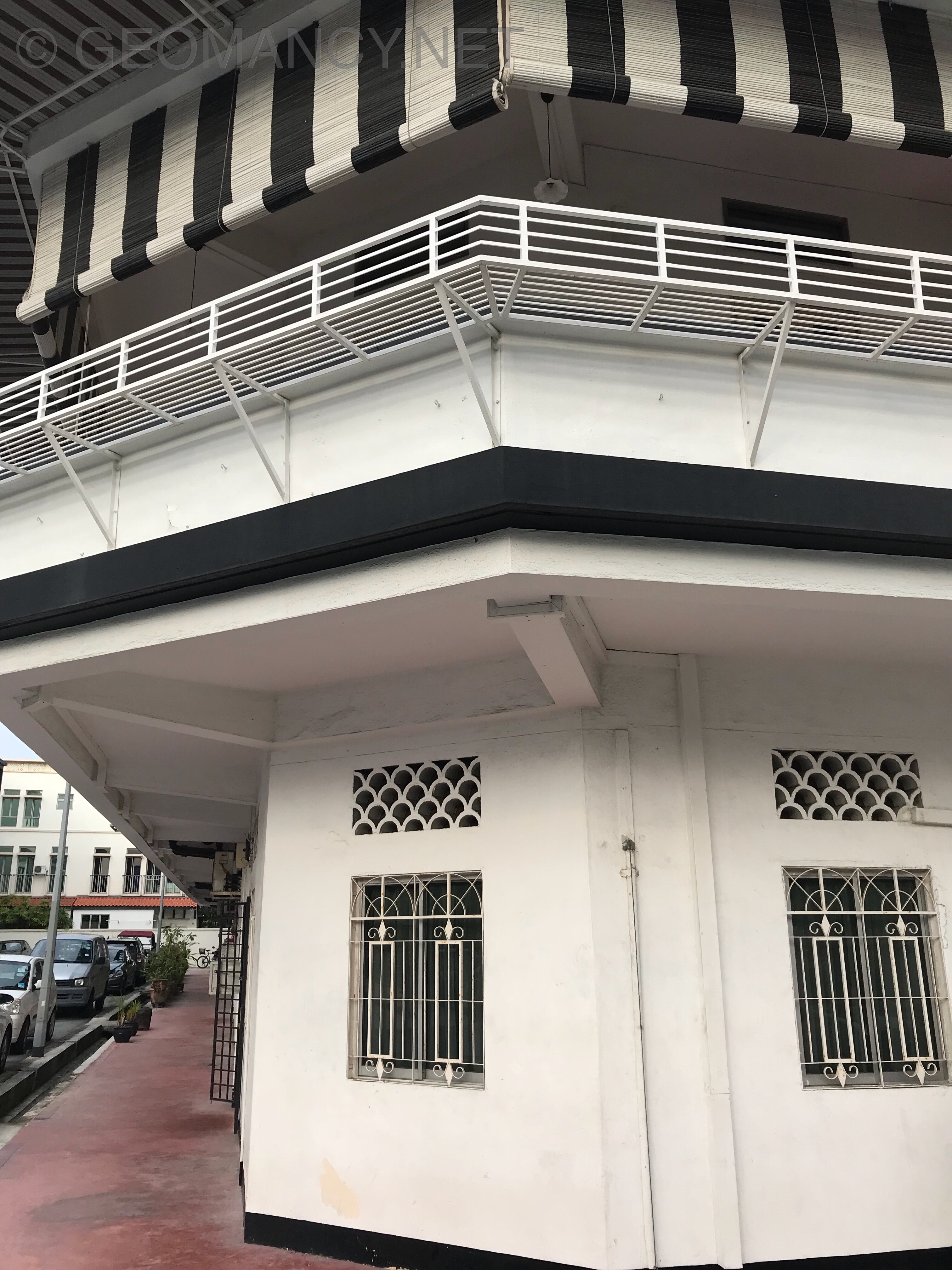
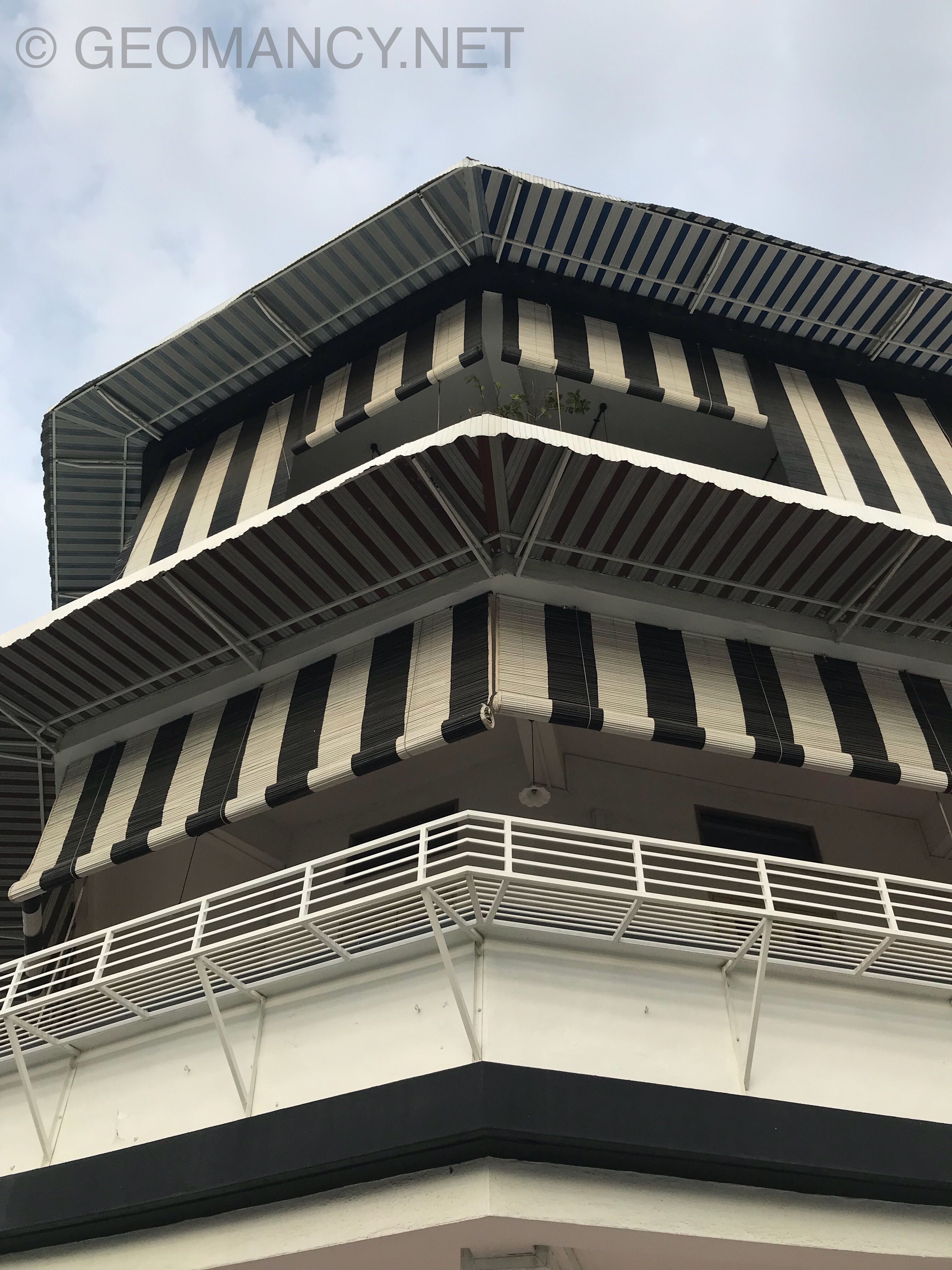
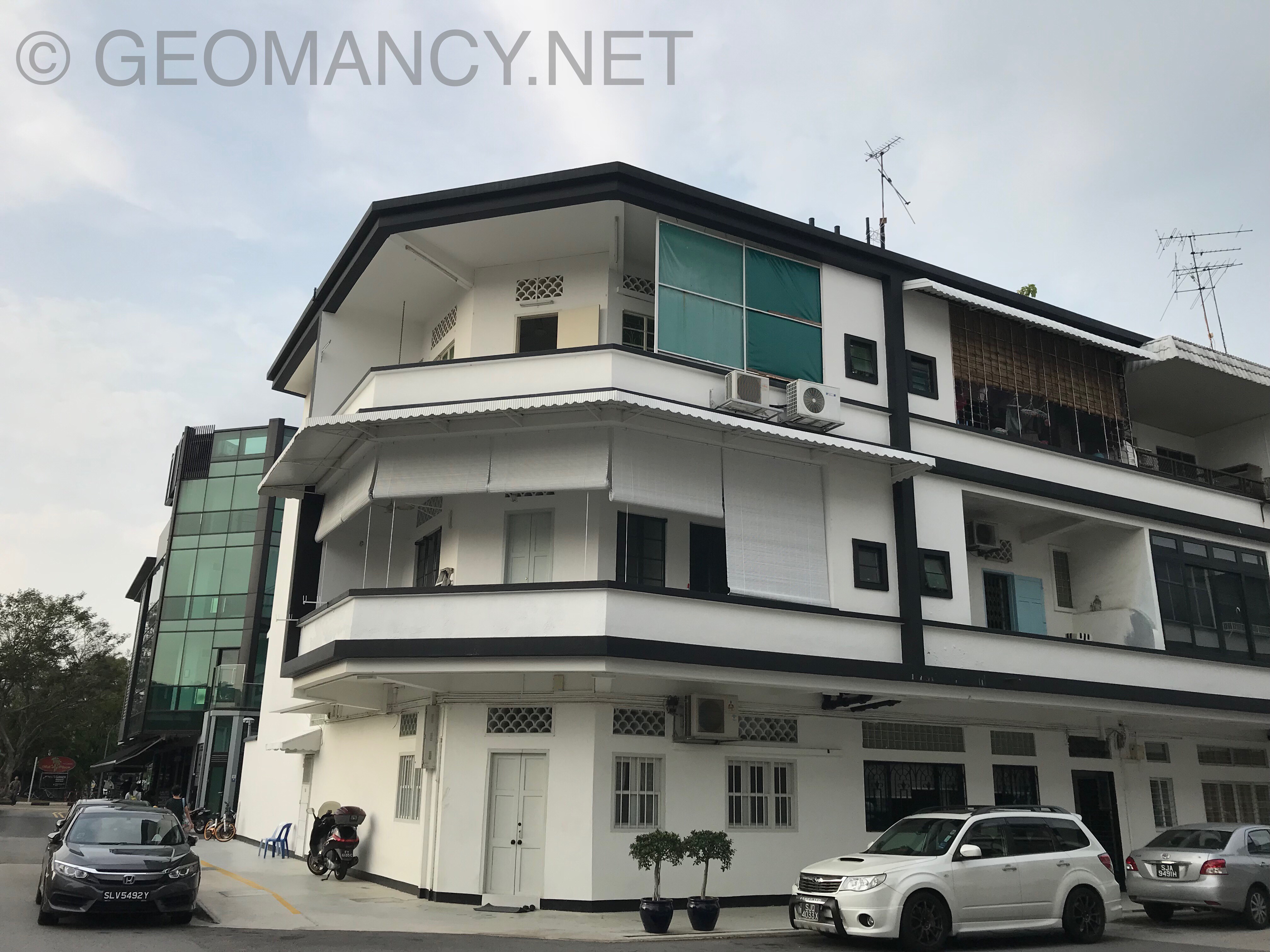
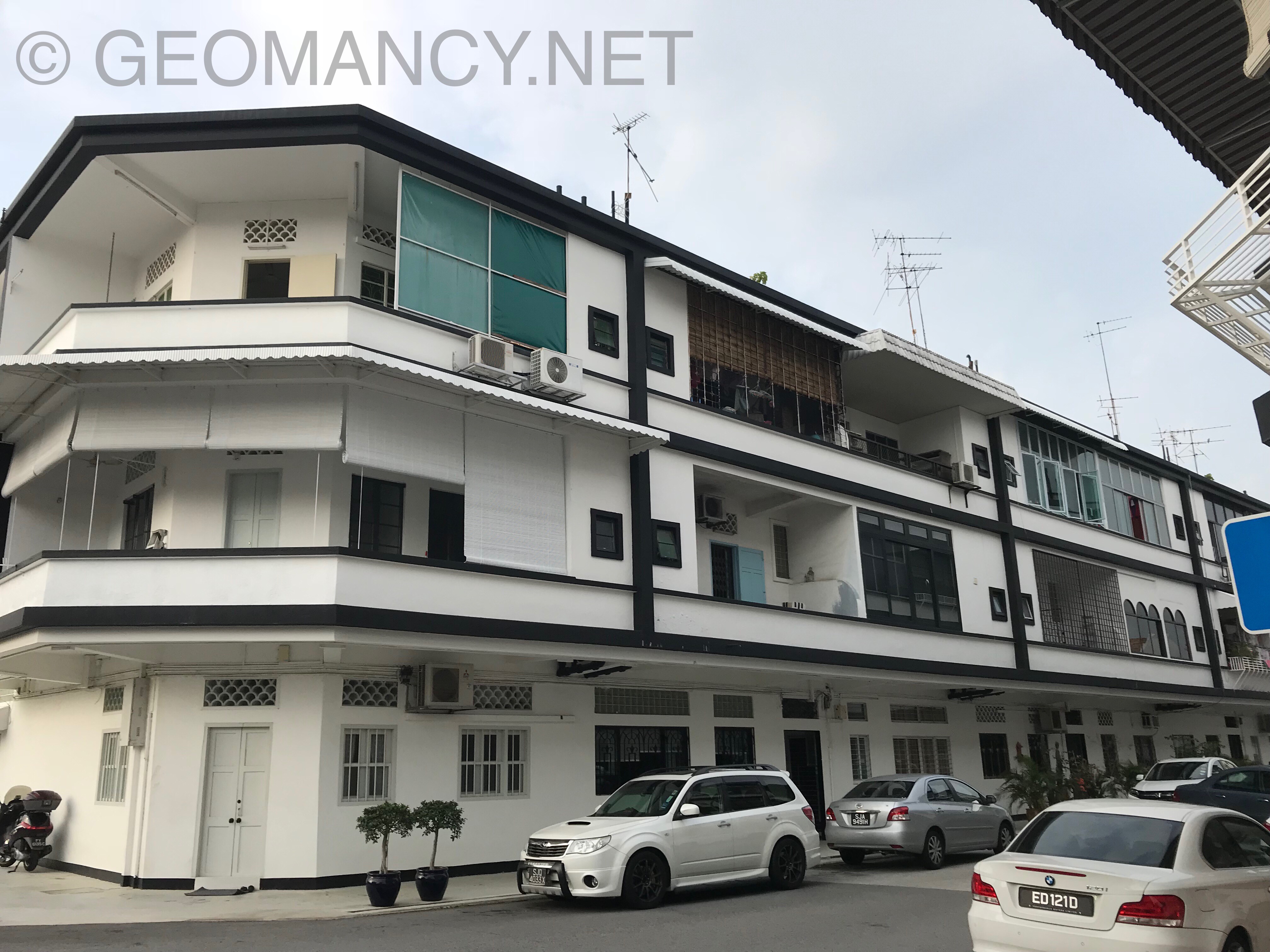
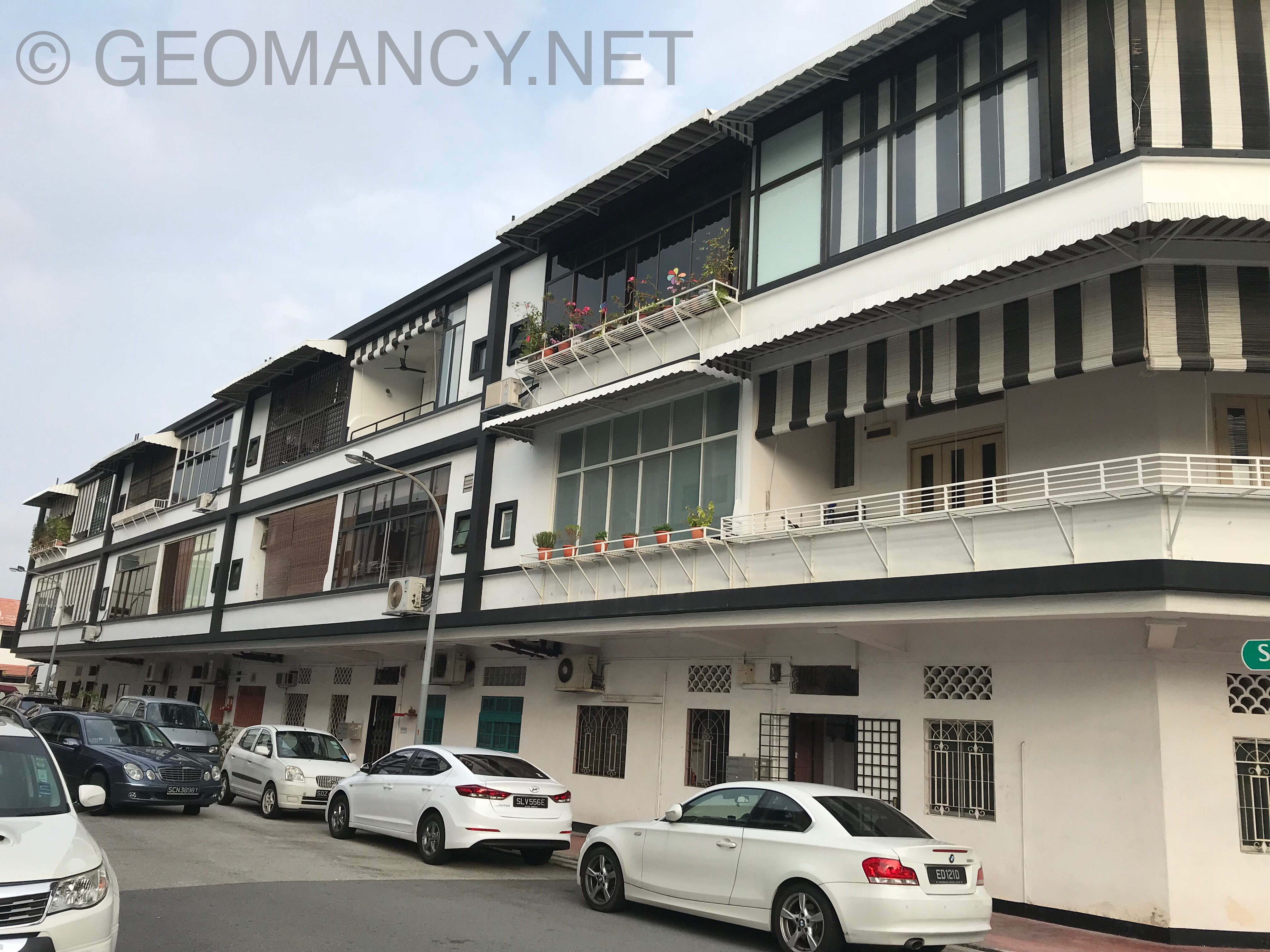
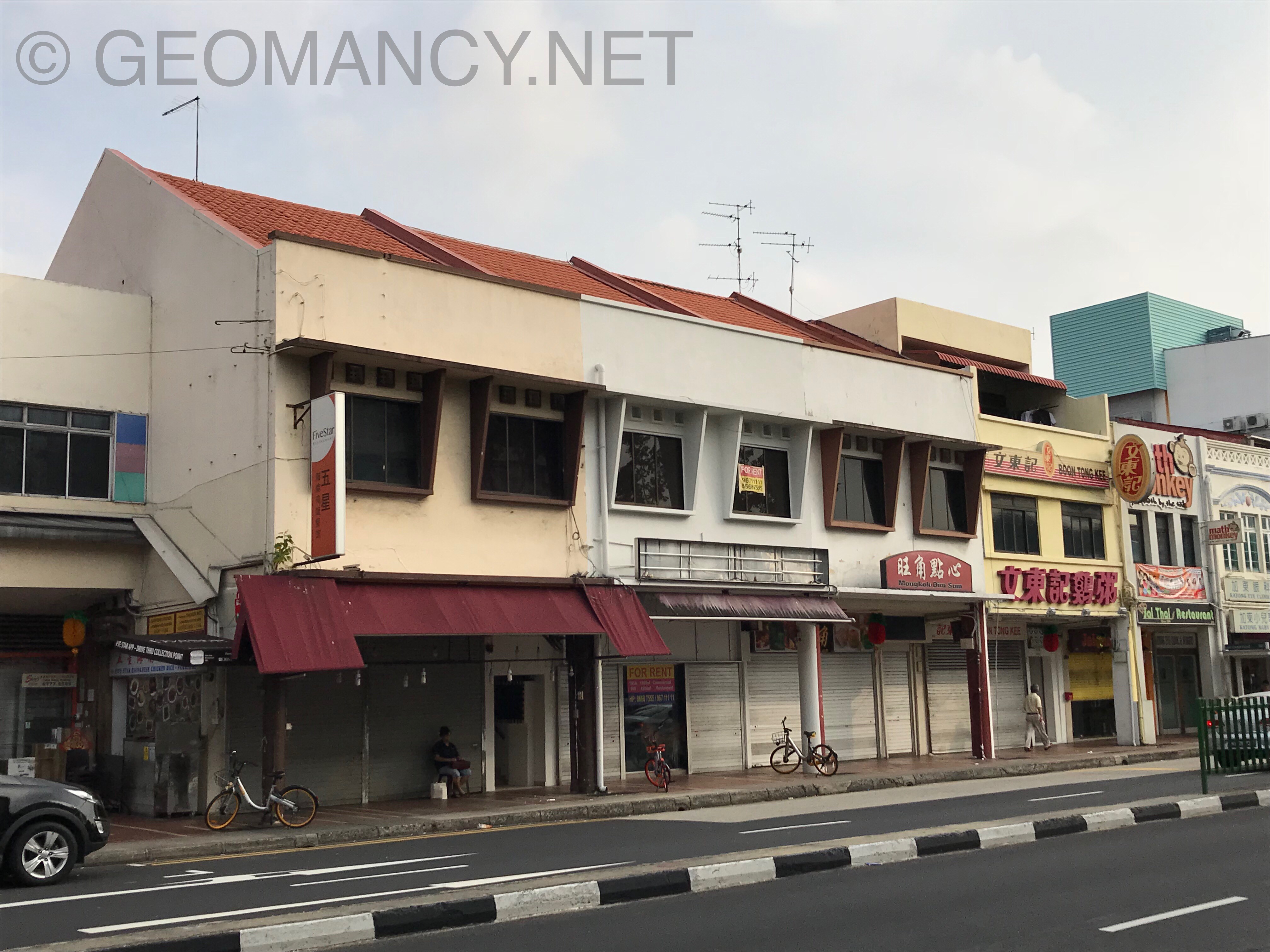
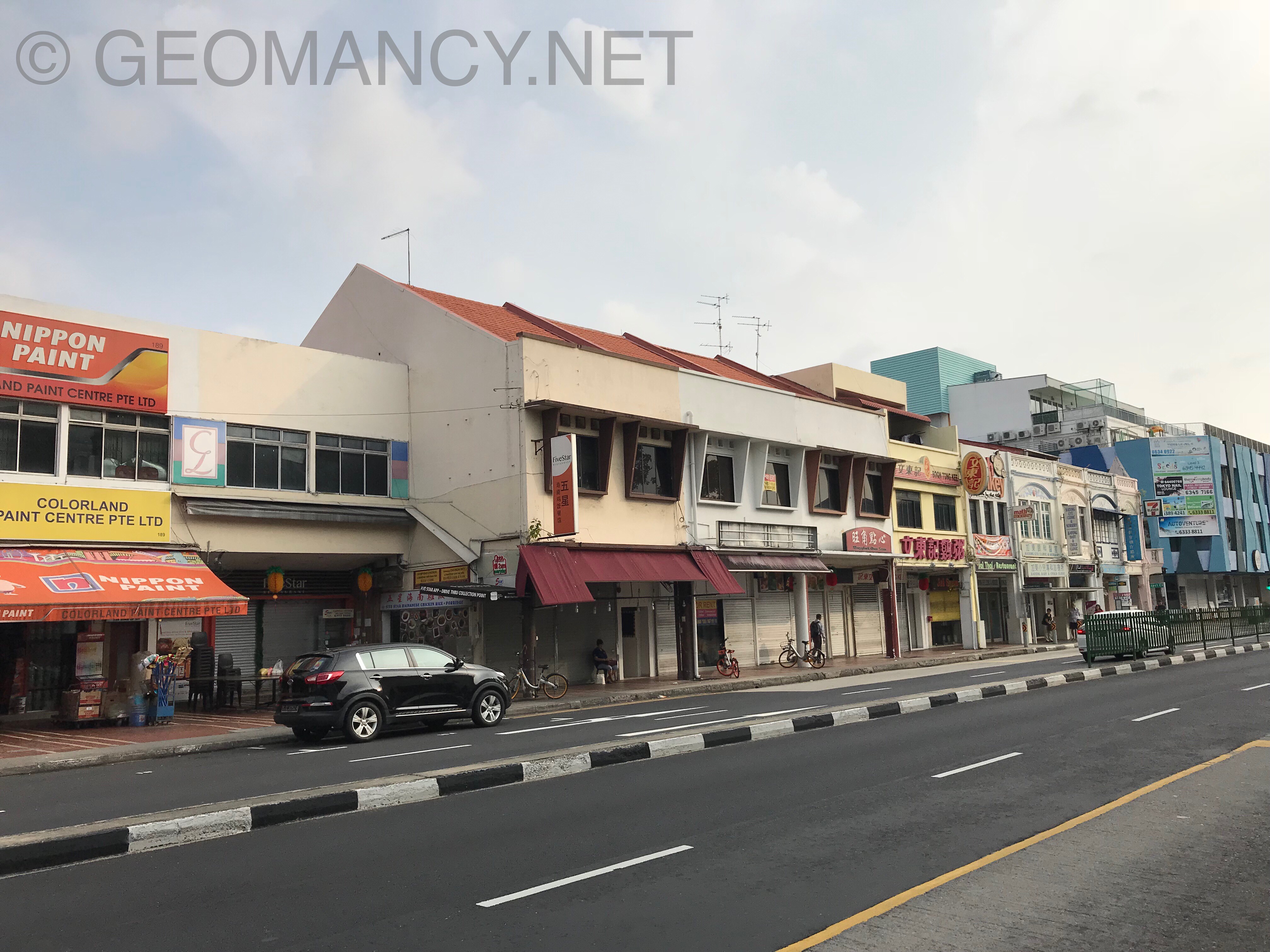
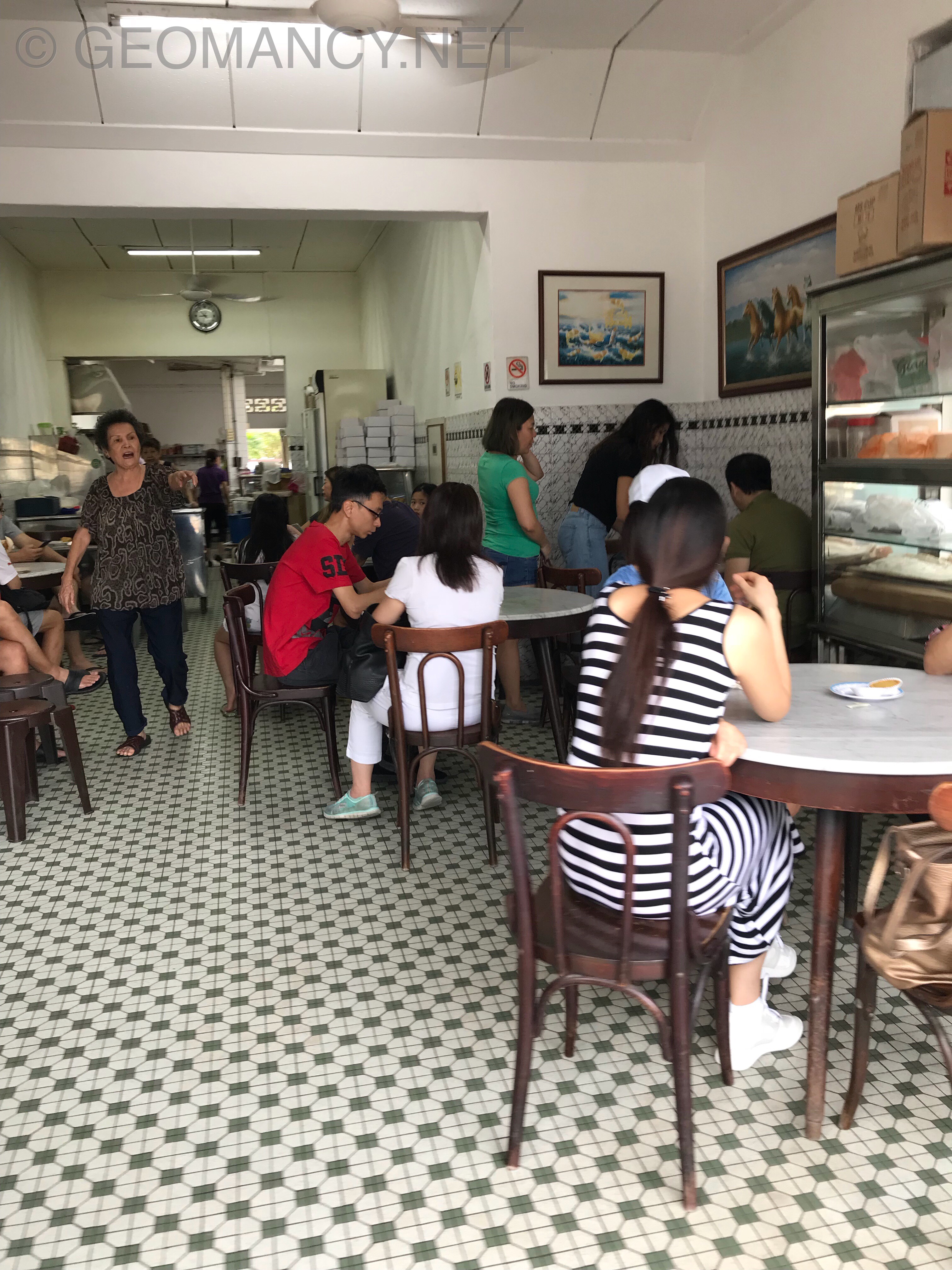
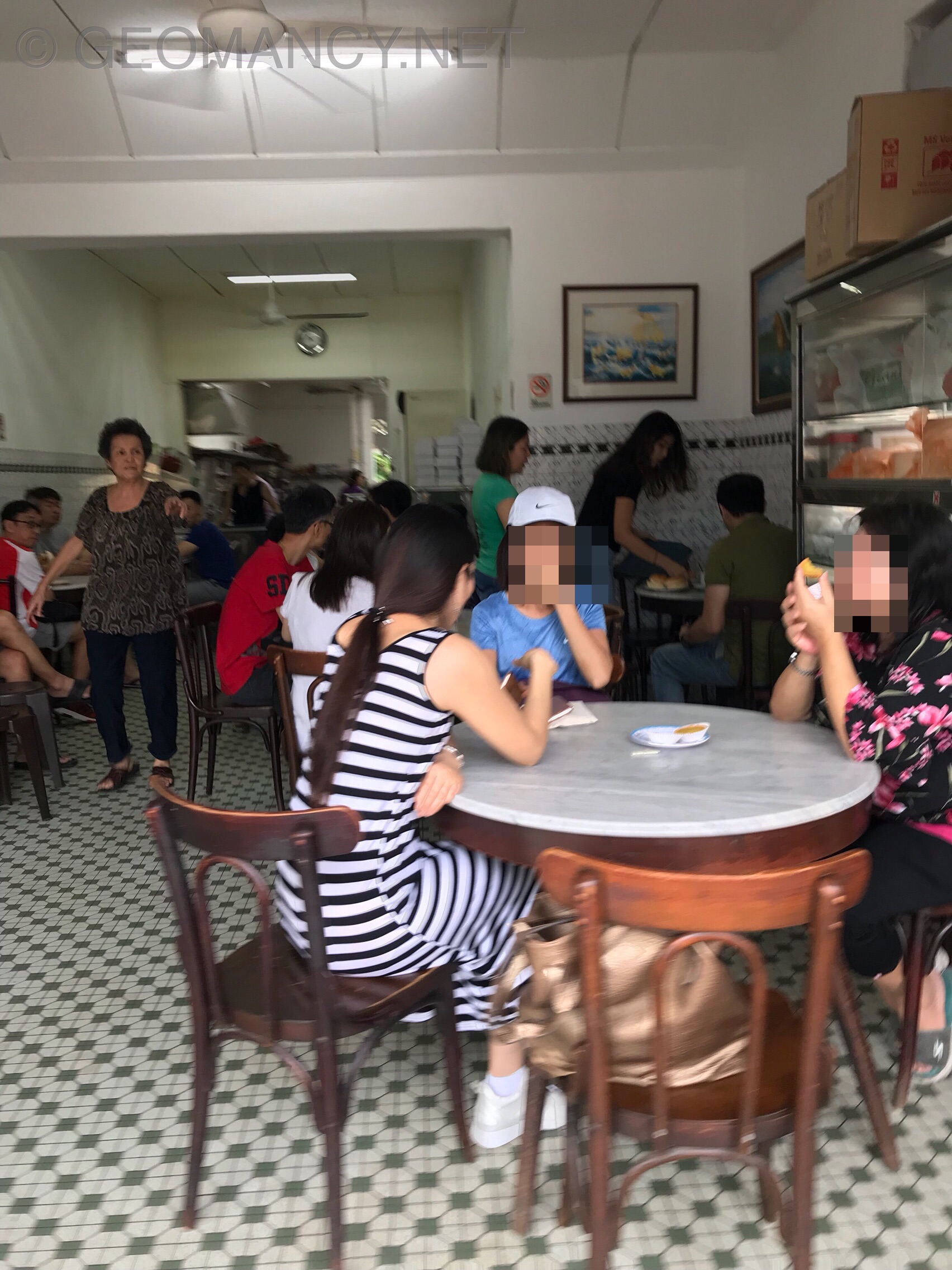
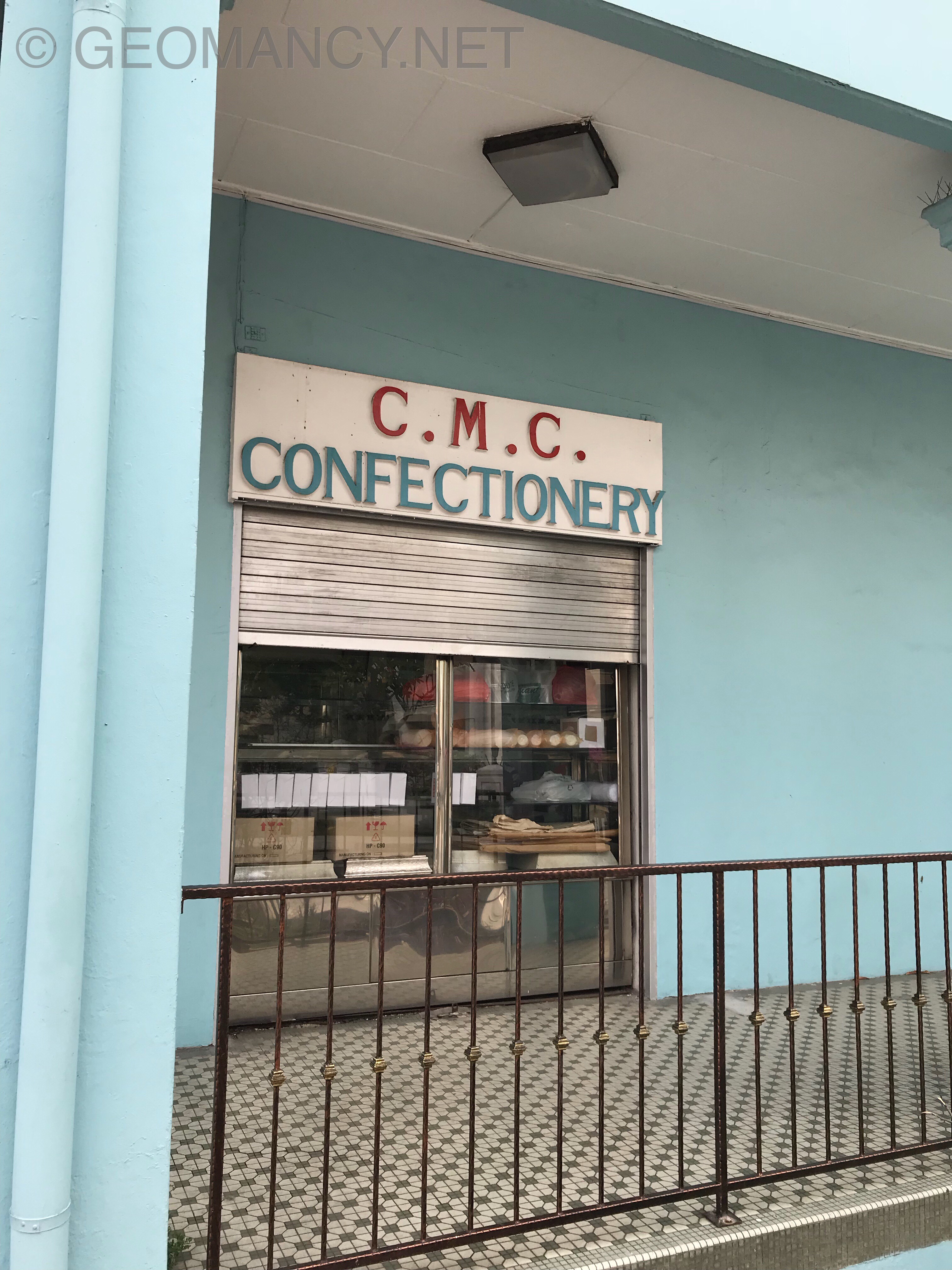
 Around Katong The distinctive black and white look of the 1950’s to 1960’s... The iconic C.M.C. Confectionary with their kaya bread and cakes.. For privacy.. customer’s faces are masked out..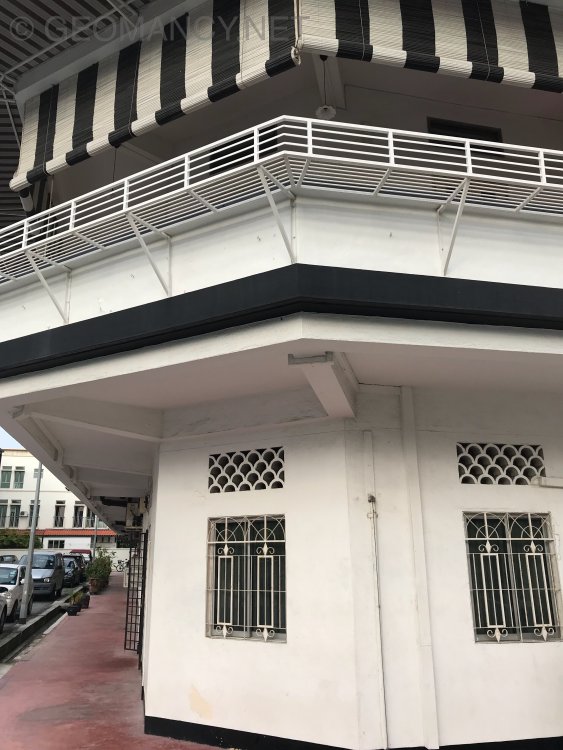
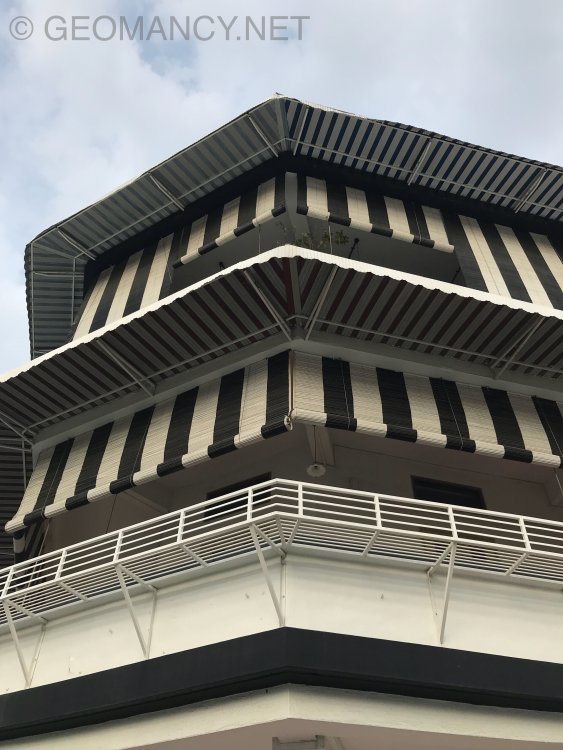
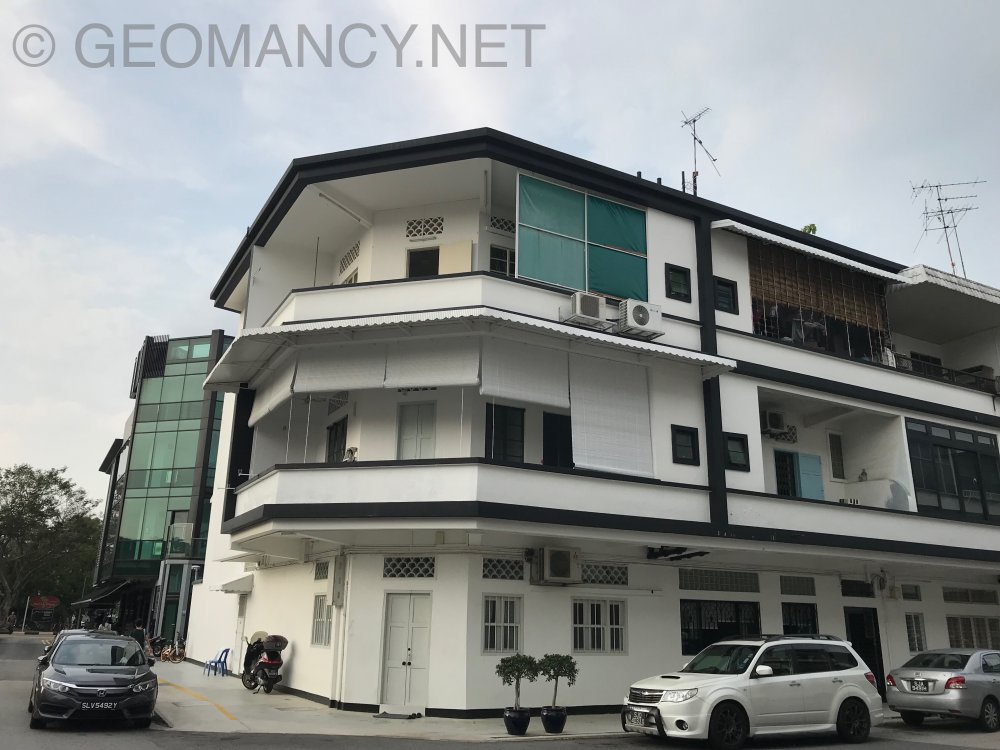
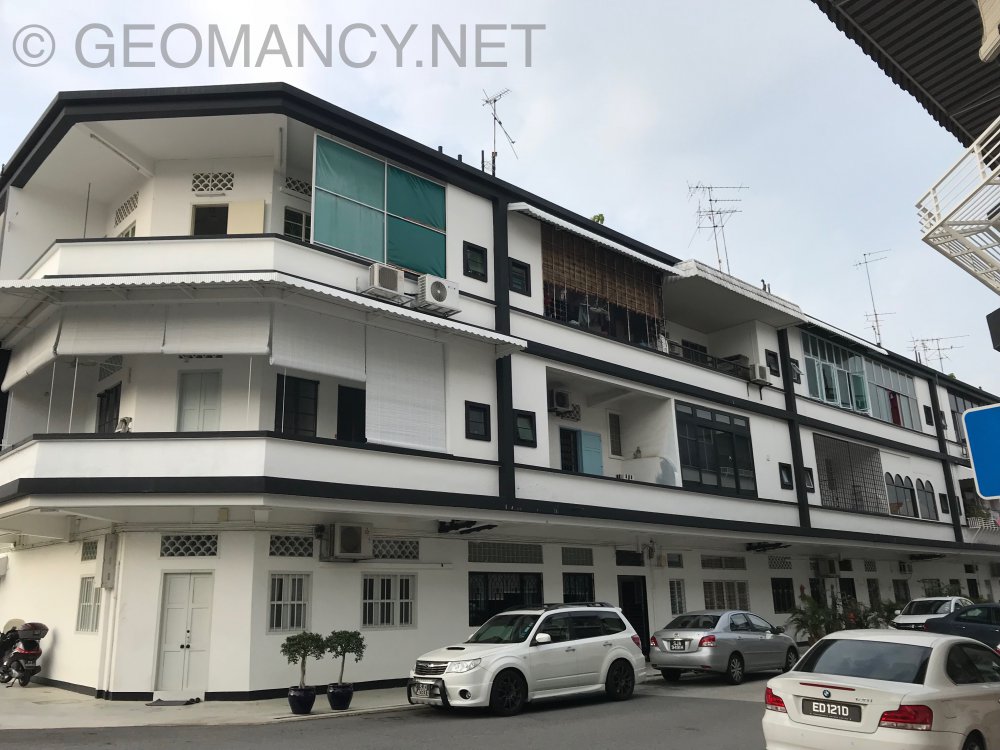
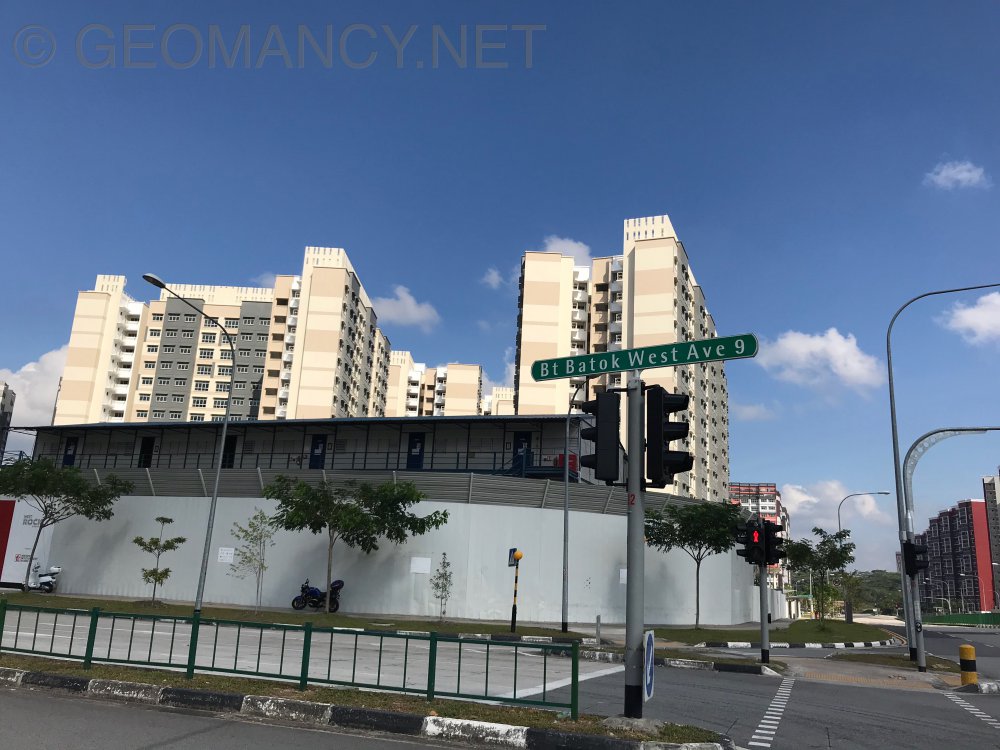
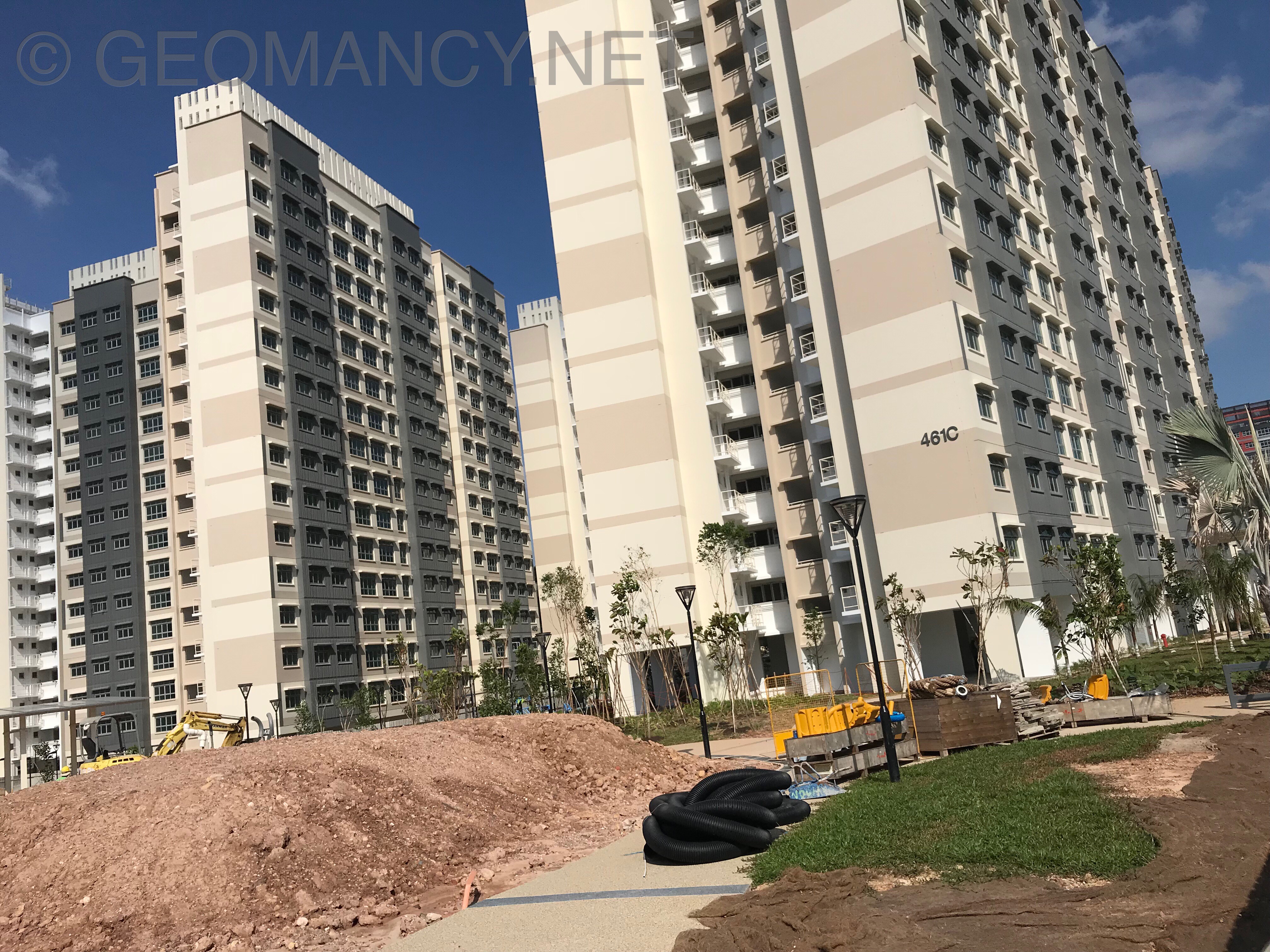
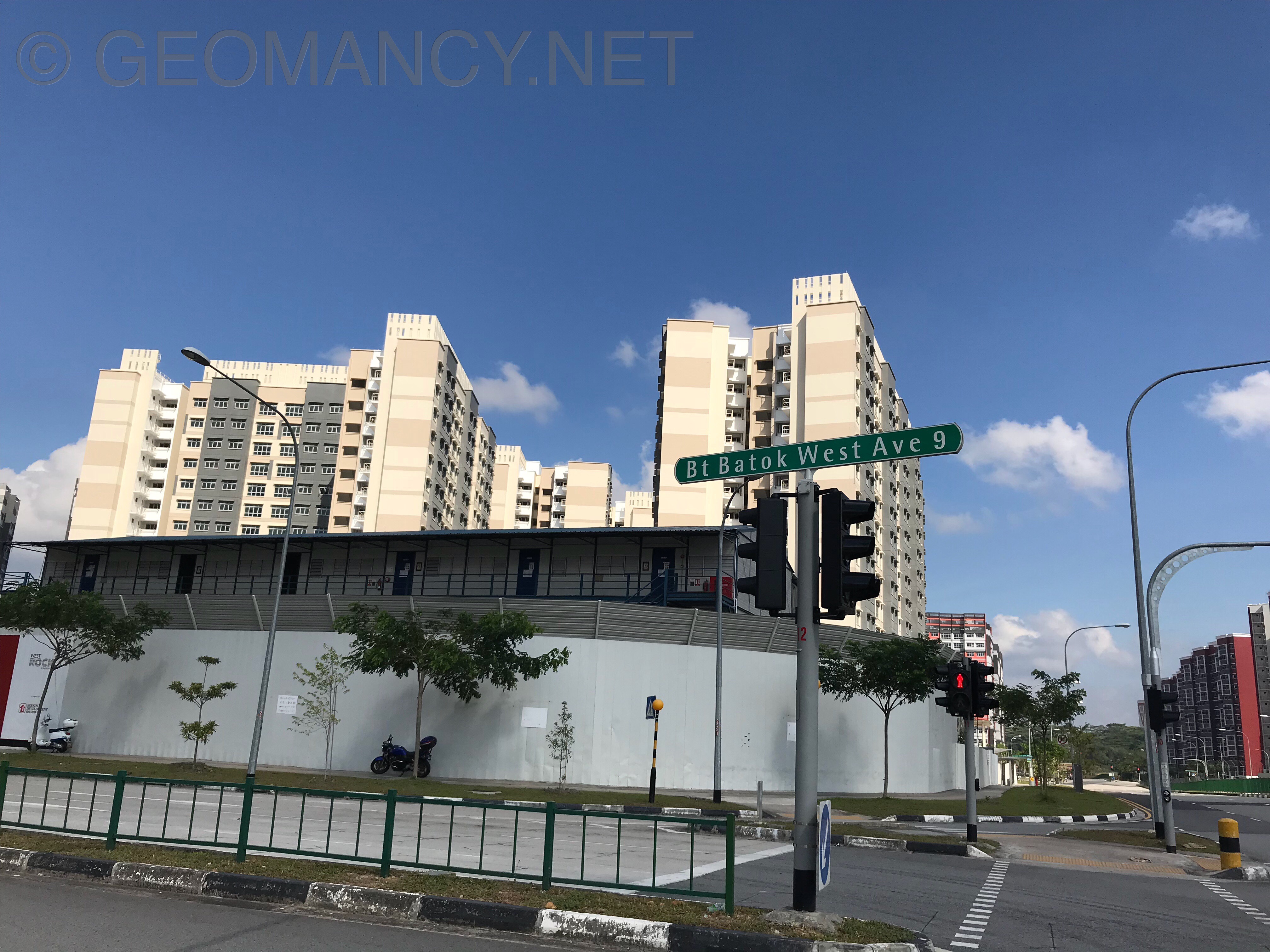
 Recent photos of West Rock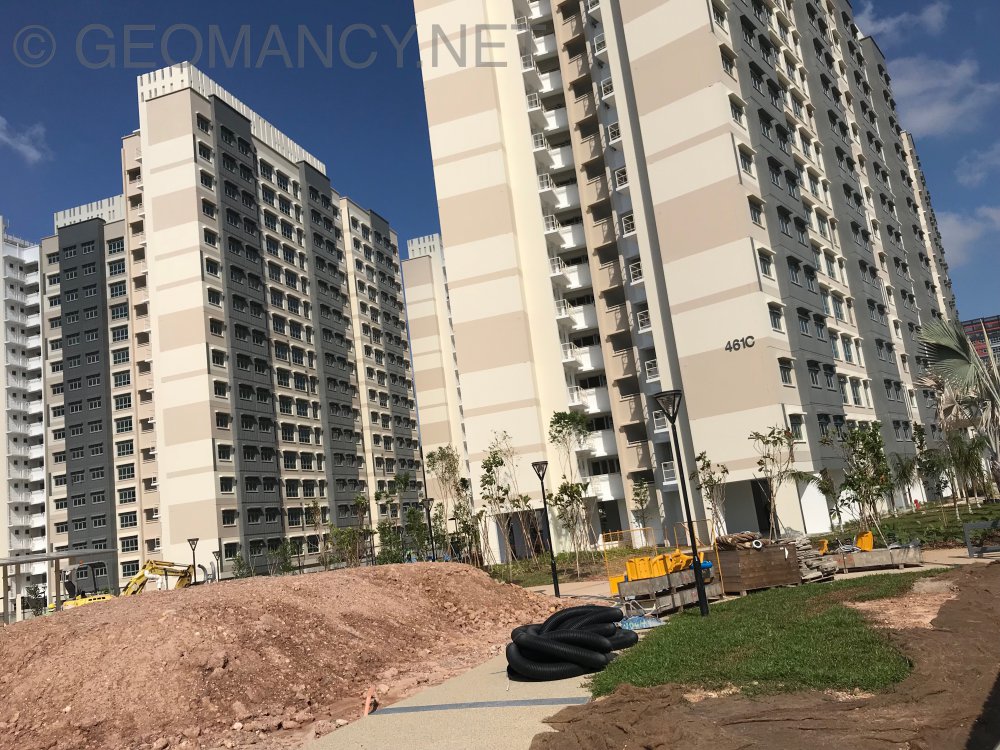
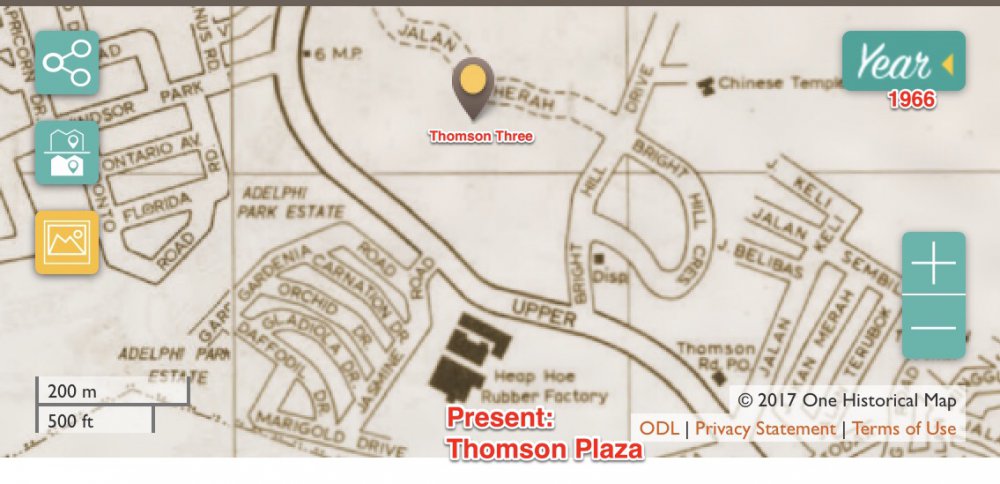
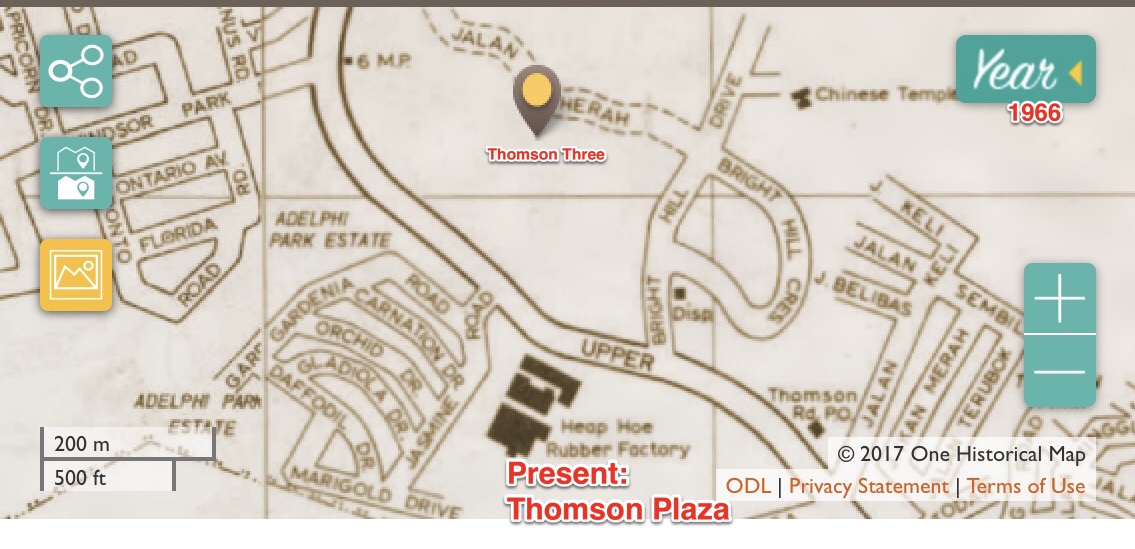
 Thomson Three Streetmap in 1966 showing the surroundings of Thomson Three
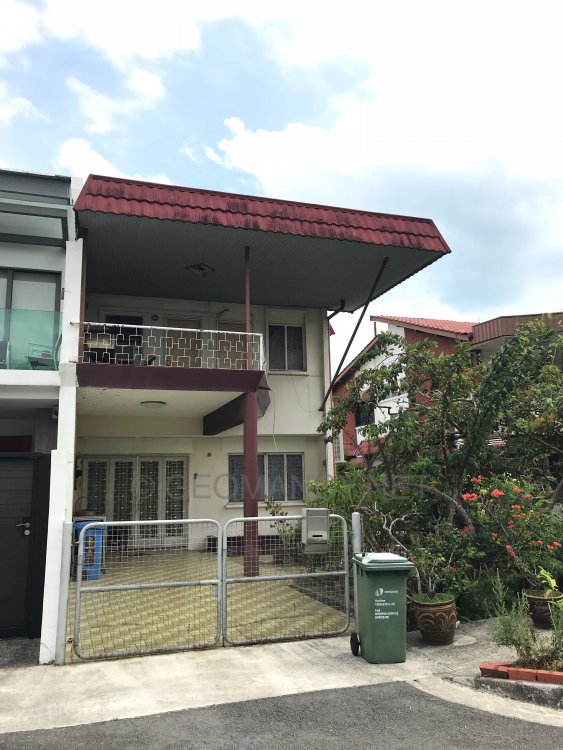
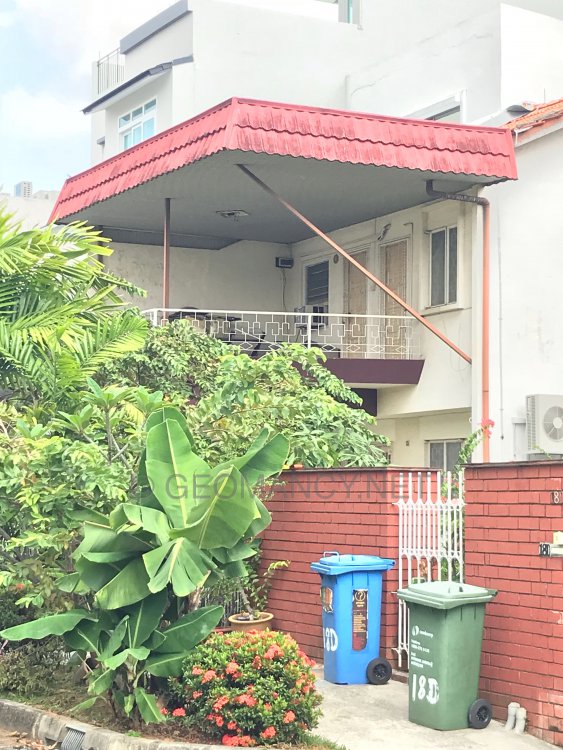
 Bottom pipe support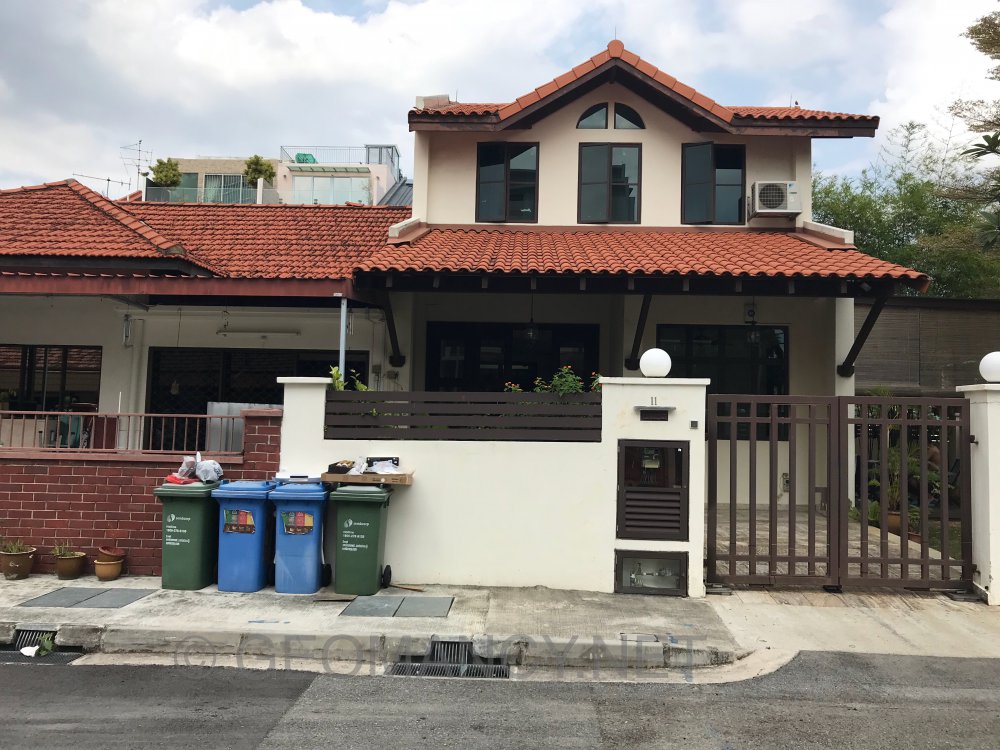
 Standing facing the altar: The ancestor tablet should be to the LEFT of the altar. And slightly lower than the deity which is suppose to be to the RIGHT of the altar.



Background Picker
Account
Navigation
Search
Configure browser push notifications
Chrome (Android)
- Tap the lock icon next to the address bar.
- Tap Permissions → Notifications.
- Adjust your preference.
Chrome (Desktop)
- Click the padlock icon in the address bar.
- Select Site settings.
- Find Notifications and adjust your preference.
Safari (iOS 16.4+)
- Ensure the site is installed via Add to Home Screen.
- Open Settings App → Notifications.
- Find your app name and adjust your preference.
Safari (macOS)
- Go to Safari → Preferences.
- Click the Websites tab.
- Select Notifications in the sidebar.
- Find this website and adjust your preference.
Edge (Android)
- Tap the lock icon next to the address bar.
- Tap Permissions.
- Find Notifications and adjust your preference.
Edge (Desktop)
- Click the padlock icon in the address bar.
- Click Permissions for this site.
- Find Notifications and adjust your preference.
Firefox (Android)
- Go to Settings → Site permissions.
- Tap Notifications.
- Find this site in the list and adjust your preference.
Firefox (Desktop)
- Open Firefox Settings.
- Search for Notifications.
- Find this site in the list and adjust your preference.